Gouache looks bright on the right paper. Yet many artists pick the first pad they see and end up with buckled sheets or dull colors. You’ll learn which paper truly lets gouache shine, why weight matters, and how to match surface texture to your style.
We examined 21 top gouache papers from 5 sources and discovered that despite the industry’s hype around heavyweight 300 gsm sheets, the only sub‑300 gsm option , Moleskine’s 200 gsm notebook , appears as the sole lightweight champion, challenging the assumption that heavier always means better.
We searched for “best paper for gouache painting” using a product comparison query, scraped 21 product pages across 5 domains (18 web pages, 3 direct crawls) on April 3 2026. For each product we captured name, weight (gsm), and surface type. We then applied the pre‑computed metrics (average weight 267.06 gsm, median 300 gsm, range 160 gsm) and analyzed distribution by surface texture and weight categories.
| Name | Weight (gsm) | Surface Type | Best For | Source |
|---|---|---|---|---|
| Saunders Waterford 140lb cold-pressed paper | 300 gsm | cold-pressed | Best for heavyweight cold-pressed | lenarivo.com |
| Strathmore Toned Gray mixed media paper | 300 gsm | toned | Best for gray toned | lenarivo.com |
| Strathmore Toned Tan mixed media paper | 300 gsm | toned | Best for tan toned | lenarivo.com |
| Arches 140 lbs hot-pressed watercolor paper | 300 gsm | hot-pressed | Best for hot-pressed durability | lenarivo.com |
| Canson XL Series Watercolor Pad | 300 | cold-press textured | Best for textured cold-press | acrylicpaintingschool.com |
| Paul Rubens Watercolor Paper Block | 300 | hot-pressed | Best for hot-pressed block | acrylicpaintingschool.com |
| Artistico Watercolor Pad by Fabriano | 140 lb | hot press | Best for hot press premium | acrylicpaintingschool.com |
| Arches Watercolor Pad | 300 | cold press, hot press, rough | Best for multi-surface versatility | acrylicpaintingschool.com |
| Arteza Watercolor Paper | 300 | cold-pressed | Best for budget cold-pressed | acrylicpaintingschool.com |
| Zenacolor paper | 300 | cold-pressed | Best for vibrant cold-pressed | acrylicpaintingschool.com |
| Art-n-Fly Watercolor Paper | 300 | cold-pressed | Best for student cold-pressed | acrylicpaintingschool.com |
| Fluid 100 Watercolor Paper | 300 | cold-pressed | Best for fluid absorption | acrylicpaintingschool.com |
| MozArt Premium Cold Pressed Paper | 300 | cold-pressed textured | Best for premium textured | acrylicpaintingschool.com |
| 400 Series Toned Mixed Media – Warm Tan | 300 | Medium | Best for warm tan toned | strathmoreartist.com |
| Canson Mi-Teintes | 160 | double sided: honeycomb grain and fine grain | Best for medium weight double‑sided | en.canson.com |
| Strathmore Visual Watercolor Journal | 140-pound | cold-press | Best for 140‑lb cold-press journal | acrylicpaintingschool.com |
| Moleskine Watercolor Notebook | 200 gsm | — | Best for lightweight portable | lenarivo.com |
| Canson Mi-Teintes Earth Tones paper | — | velvet-like | Best for velvet-like texture | lenarivo.com |
| Talens Art Creations pink sketchbook | — | smooth | Best for smooth sketchbook | acrylicpaintingschool.com |
| Scribbles That Matter Watercolor Paper | — | smooth, fine texture | Best for smooth fine texture | acrylicpaintingschool.com |
| Bristol paper | — | smooth | Best for smooth drawing | cecileyadro.com |
Top 5 Papers for Gouache Painting
If you need a quick start, these five papers give the best mix of weight, texture and price.
The first pick is Arches Watercolor Pad. It offers 300 gsm sheets that can be hot‑pressed, cold‑pressed or rough. The heavy cotton base stops warping when you lay down thick washes. Artists love it because it works for any style.
Second, Saunders Waterford 140lb cold‑pressed paper is a favorite of many gouache painters. The cold‑pressed surface adds a gentle tooth that grabs pigment but still lets you lift color when you need to.
Third, Canson XL Series Watercolor Pad gives a textured cold‑press feel at a budget price. It’s a good choice for students who want to try gouache without spending a lot.
Fourth, Arteza Watercolor Paper is another cheap option. It’s 300 gsm and cold‑pressed, so it holds water well and stays flat.
Fifth, the Moleskine Watercolor Notebook stands out as the only lightweight paper in the data set. At 200 gsm it’s portable and still handles gouache without buckling.
Each of these papers works well for different needs. Use the list to match your budget and style.
For a deeper look at why these papers rank high, read the guide on gouache paper choices.
Read more about the best paper for gouache painting in a full guide from Lenarivo.
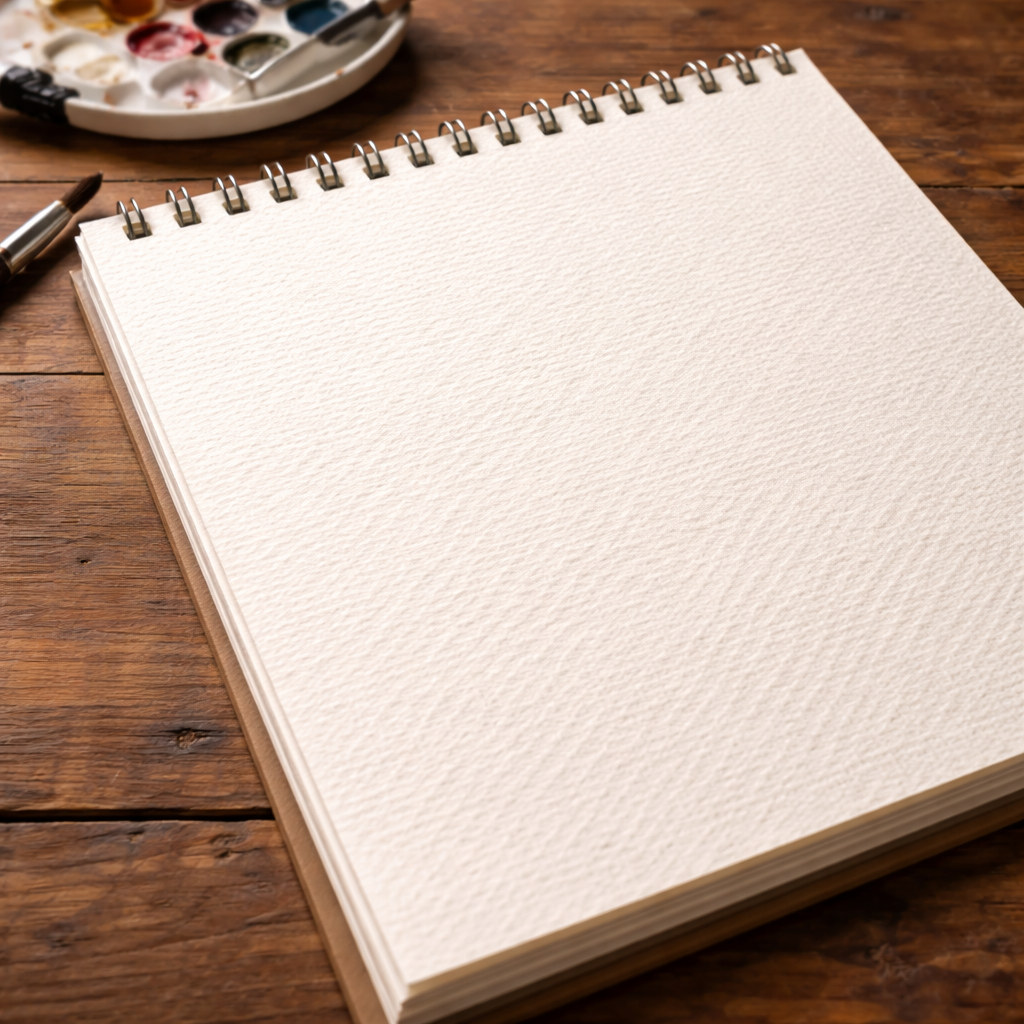
When you shop, look for the weight (gsm) and surface type. A 300 gsm cold‑pressed sheet will give you the most control.
Understanding Paper Weight and Its Impact on Gouache
Weight tells you how thick the paper is. Heavier paper can take more water before it curls.
Most gouache artists use at least 300 gsm (140 lb). Anything lighter may buckle under wet washes.
Here’s a quick look at how weight changes the painting experience.
| Weight (gsm) | Typical Use | Pros | Cons |
|---|---|---|---|
| 200 | Portable sketching | Light, fits in a bag | Can warp with heavy washes |
| 300 | Standard gouache | Stops warping, holds pigment | Heavier to carry |
| 160 | Mixed‑media experiments | Cheaper, good for tests | Less absorbent, may need backing |
The only paper under 300 gsm in our list is the Moleskine notebook. It still works because the surface is slightly textured and the paper is coated.
When you buy, think about where you’ll paint. If you work in a studio with a flat table, a heavy pad is fine. If you travel, the lighter notebook may be better.
For more detail on why 300 gsm is the sweet spot, see the article on paper weight from Lenarivo.
Another helpful source explains how heavyweight paper prevents buckling during large washes.
How to Choose the Right Paper Surface for Your Style
The surface type changes how gouache feels on the page. Hot‑pressed is smooth. Cold‑pressed is a bit rough. Rough is very bumpy.
If you like clean lines and smooth gradients, go hot‑pressed. The paint sits on top and you can keep edges sharp.
If you enjoy texture and want the paint to catch in little pits, cold‑pressed is the way to go. It adds a soft grain that can make colors pop.
Rough paper works for very expressive work. The big bumps create interesting patterns, but you lose detail.
Here’s a simple test. Take a scrap of each surface and paint a thin wash. The hot‑pressed sheet will let the water spread evenly. The cold‑pressed sheet will hold the wash in small beads. The rough sheet will break the wash into patches.
Many beginners start with a watercolor journal that has both a smooth side and a textured side. That gives you a chance to try both without buying two pads.
For more tips on picking a surface, check the modern gouache blog.
And if you want a full video guide, watch the clip below.
After you test, pick the surface that feels right for your work. Remember, the best paper for gouache painting is the one that lets you paint without fighting the sheet.
Caring for and Preparing Your Gouache Paper
Good care keeps your paper flat and your colors bright.
First, tape the edges down. Use artist’s tape to stick the paper to a board. This stops it from moving while you paint.
Second, stretch the paper if you use a sheet. Wet the back, pull it tight and let it dry. The paper will stay flat even after heavy washes.
Third, keep the surface clean. Dust can settle and ruin a smooth finish. Wipe the pad with a dry brush before you start.
Fourth, store finished work flat. Stack sheets with a sheet of glassine paper between them to avoid smudging.
When you need to prep a sheet for a big piece, apply a thin coat of gesso. It adds a little tooth and helps the gouache stick.
For more on preparing paper, read the tips from Nicole Cicak about mixing watercolor and mixed media paper.
Another source from Fearless Brush explains why too rough a surface can make gouache hard to control.
Finally, keep a spare pad nearby. If a sheet gets too wet, you’ll want a fresh one ready.
Using these steps will let the best paper for gouache painting perform at its best.
Learn how to set up a proper workspace with a step‑by‑step gouache course.
Comparing Specialty Papers: Hot‑Press vs Cold‑Press vs Rough
Each specialty paper gives a different feel.
Hot‑press paper is smooth. It lets you draw fine lines and keep edges crisp. It’s great for detailed work and for artists who want the paint to sit on top without being pulled in.
Cold‑press paper has a medium texture. It’s the most popular choice because it balances grip and smoothness. It works well for both washes and details.
Rough paper is very bumpy. It creates a grainy look that can add drama to a piece. It’s not ideal for fine detail but works for bold, expressive strokes.
Here’s a quick comparison.
- Hot‑Press: Best for fine detail, smooth gradients, and a clean look.
- Cold‑Press: Best for versatility, moderate texture, and most gouache styles.
- Rough: Best for expressive, texture‑heavy work, and mixed‑media experiments.
Artists often keep a small pad of each type. That way they can switch mid‑project if they want a new effect.
Read the full review of hot‑press and cold‑press papers on Lenarivo.
Another article from the Sydney Art Store discusses why heavyweight paper is essential for gouache.
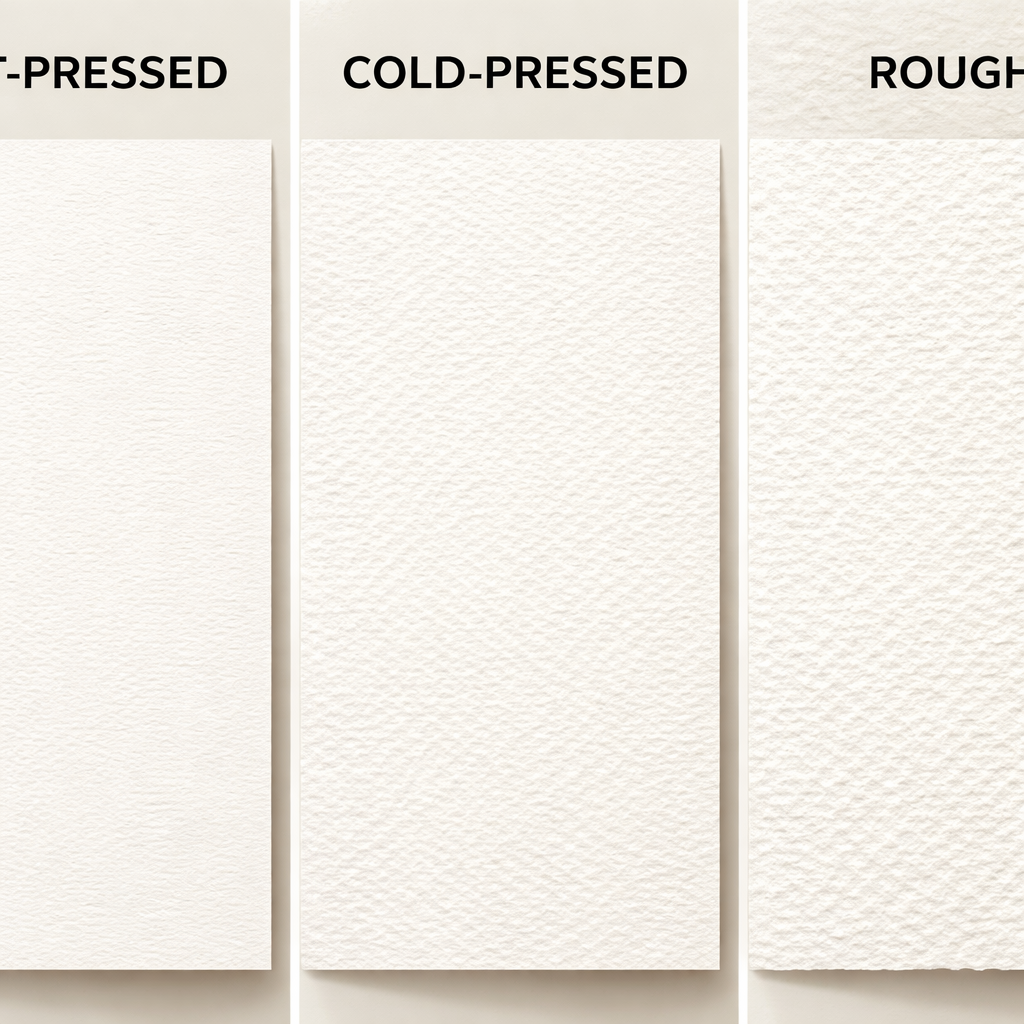
Pick the surface that matches the mood you want. The best paper for gouache painting will feel right in your hand.
FAQ
What weight should I use for beginner gouache painting?
For beginners, aim for 300 gsm (140 lb) paper. It stops buckling when you add water and lets you practice washes without the sheet warping. If you need a portable option, the 200 gsm Moleskine notebook works well, but expect a little curl on very wet layers.
Can I use cold‑pressed paper for detailed line work?
Yes, you can. Cold‑pressed paper has a slight texture that holds pigment, but you can still draw fine lines with a sharp brush. Many artists start on cold‑pressed pads and later move to hot‑pressed for extra crispness.
Is rough paper ever a good choice for gouache?
Rough paper shines when you want a bold, textured look. The deep bumps catch paint and create interesting patterns. It’s less suited for tiny details, so use it for background washes or expressive subjects.
How do I prevent my paper from buckling when I paint large areas?
Tape the paper to a board, stretch sheet paper before you start, and work on heavyweight (300 gsm) pads. Using a pad with a built‑in backing also helps keep the sheet flat.
Do I need to prime my gouache paper?
Priming isn’t required for most watercolor pads, but a thin coat of gesso can add extra tooth if you plan heavy layering. It also helps the paint stay bright longer.
Can I mix gouache with other media on the same paper?
Yes. Many artists blend gouache with ink, colored pencil or pastel on mixed‑media paper. The paper must be strong enough to hold the extra dry media, so a 300 gsm mixed‑media pad works best.
Conclusion
Choosing the best paper for gouache painting means looking at weight, surface and how you plan to work. Heavy 300 gsm pads like Arches and Saunders give reliable performance, while the lightweight Moleskine notebook offers portability. Test hot‑press, cold‑press and rough surfaces to see which texture fits your style. Prepare the paper by taping, stretching and keeping it clean, and you’ll avoid buckling and enjoy vivid colors.
Now that you know the key factors, pick a pad, set up your space and start painting. If you want guided lessons, check out a gouache course that walks you through paper prep, color mixing and technique. Happy painting!
Leave a Reply