Ever stared at a blank page and felt a mix of excitement and a pinch of panic? It’s the classic ‘where do I even start?’ moment, especially with something as fluid and unpredictable as watercolor painting.
So, why should you even try an online watercolor painting course for beginners? Well, this art form is surprisingly forgiving. You don’t need to have perfect strokes or years of experience to create something genuinely beautiful. The magic lies in letting go and embracing those spontaneous washes and blends—sounds a bit scary, right?
Here’s the thing: learning watercolor with no guidance often means feeling stuck, wasting supplies, or doubting your skills before you even really begin. But imagine having a friendly guide who breaks down each step, shows you the ropes in manageable chunks, and cheers you on from your own cozy corner at home.
That’s exactly what an online watercolor painting course for beginners can offer. You get to explore techniques at your own pace and revisit lessons as many times as you need without that intimidating classroom pressure. Plus, you can dip your brush into a vibrant community, sharing tips, mishaps, and little victories that make learning feel less isolating.
Wondering if you’ll need fancy supplies or a perfect setup? Spoiler: You don’t. Plenty of courses, like those at CreativiU, focus on what really matters—building your confidence and skills with what you have, while guiding you to expand your toolkit naturally. No rush, no overwhelm, just the pure joy of watching pigments blend and seeing your creativity bloom.
If you’re ready to finally get past that blank page and start painting stories with watercolors, we’ve got you. Let’s dive in and explore how to choose the right course, tackle the basics, and turn those tentative strokes into vibrant art.
And if you want to peek at more ways to boost your creativity through accessible learning, check out our guide to mastering the joy of learning arts and crafts. Trust me, it’s full of insights to keep your creative fire burning.
TL;DR
Thinking about jumping into an online watercolor painting course for beginners? It’s all about learning at your pace without pressure and tapping into a creative community that cheers you on.
No fancy setup required—just your curiosity and some colors to get started. Ready to turn those first tentative strokes into something vibrant? Let’s make it happen.
Understanding Watercolor Painting Basics
Ever picked up a brush, ready to dive in, only to feel that mix of excitement and total confusion? You’re not alone. Watercolor painting has this quirky reputation for being spontaneous and a bit unpredictable. But underneath all that fluidity, there’s a kind of method—a set of basics that, when you get them, suddenly makes watercolor feel less like a wild river and more like a gentle stream you can navigate.
So, let’s unravel the basics together, shall we? It all starts with the classic “light to dark” rule. Unlike other paints where you might layer on heavy blacks or start with a dark background, watercolors ask you to think differently. Because they’re transparent, the paint layers work by building up color gradually. Think of it like layering a bunch of translucent scarves; each layer adds depth without hiding what’s underneath.
Here’s the kicker: that glow you see in a watercolor piece? It often comes from the white paper peeking through. Instead of slapping on white paint to create highlights, you actually plan to leave parts of the paper untouched. Sounds simple, but it’s something many beginners overlook. For a neat trick, artists often use masking fluid to protect those white spots before painting over them. This little hack can elevate a simple piece into something that really breathes.
Now, what about mixing colors? You might be tempted to reach for black to add shadows or depth, but here’s a more vibrant tip: try mixing complementary colors instead. For instance, combine a little blue with orange to create a rich dark tone. It’s subtler and avoids that flat look black often gives. This approach helps your painting feel more alive and integrated—kind of like mixing spices in a recipe to bring out flavors rather than just adding salt.
Ever noticed how watercolors seem to change as they dry? Wet paint looks richer, more vibrant, but then—poof!—it lightens up as it dries. That’s the drying shift in action, and it’s a tough little beast. Understanding this means you can compensate by applying colors a bit stronger than what you want to see dry, so your painting doesn’t end up looking washed out. It takes some practice—kind of like adjusting seasoning taste as you cook—but it’s totally doable.
Getting comfortable with the timing of watercolor is key. The paint dries relatively fast, so you’ll want to catch that sweet spot when the paper is moist but not soaking wet. That’s when you can get the most beautiful blends and effects, especially through the techniques known as wet-on-wet and wet-on-dry. Wet-on-wet is like dropping colors into a still pool and watching them blend naturally—soft, dreamy, and fluid. Wet-on-dry, on the other hand, is for more controlled details and sharp lines when the paper has dried.
Oh, and don’t beat yourself up if your brushmarks look streaky or blotchy at first. Watercolor is as much a dance with water as it is with paint. You start to get a feel for how much water your brush needs and how it interacts with the paper’s surface over time. Learning about watercolor’s “water cycle”—the drying phases of your wash—can feel like solving a little puzzle with each new piece you paint.
Before we get overwhelmed, here’s a quick cheat sheet you can keep in mind as you start your journey with an established guide on watercolor rules and techniques:
- Paint from light to dark—you can’t add white paint, so preserve your paper.
- Use masking fluid to protect highlights and whites.
- Mix shadows from colors, not black, for vibrancy.
- Expect colors to lighten as they dry; adjust your pigment strength.
- Master wet-on-wet and wet-on-dry for different effects.
- Watch how water moves and dries on your paper to control your paint.
Does this feel like a lot? It can, sure. But here’s the good news: an online watercolor painting course for beginners makes this all way easier. Step-by-step, you get to see these basics in action, not just in theory. Plus, having a community to ask questions and share your first wobbly strokes? Game-changer.
Trust me, diving into these foundational ideas will save you tons of frustration and unlock so much joy in your painting. And remember, the last golden rule? Sometimes you have to break the rules and just let your creativity run wild. That’s where the real fun starts.
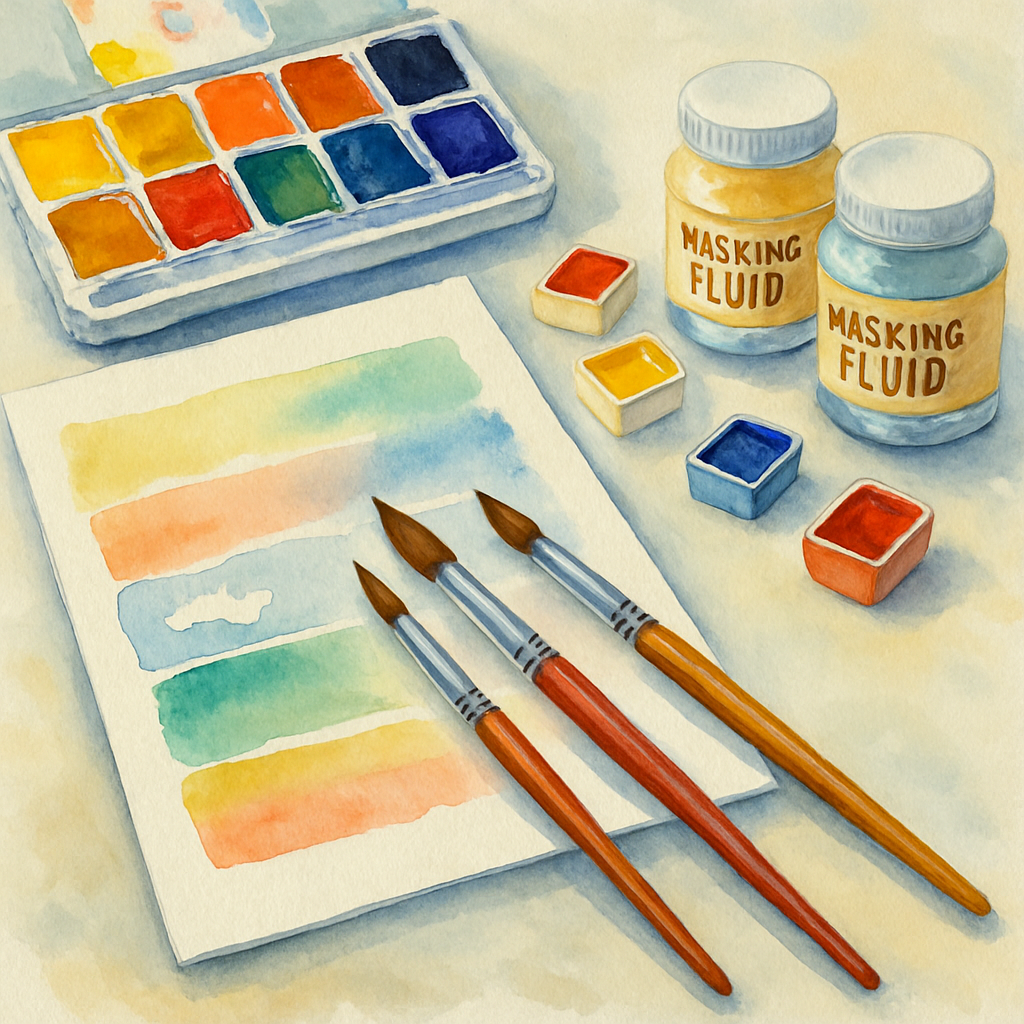
Essential Supplies You Need for an Online Watercolor Painting Course
Okay, so you’ve decided to dive into an online watercolor painting course for beginners—awesome choice! But let’s be real: staring at all those paint tubes, brushes, and fancy papers can be a bit overwhelming. Which supplies do you really need? And what can you totally skip? Let’s break it down together, so you feel ready, not rattled.
Watercolors: Choosing the Right Paint Set Without Breaking the Bank
One of the beauties of watercolor is how far you can go without splurging on the most expensive gear. Honestly, I stuck with simple pan sets for years before upgrading, and you can too. For beginners, a pre-hardened paint set—think those compact palettes with solid color pans—is usually much easier to manage than squeezing tubes everywhere.
Take, for example, the Winsor & Newton Cotman Sketcher’s Pocket Box. It’s around $20 and offers all the primaries you need to mix nearly any shade. Or, if you want a bit more color variety right off the bat, the Sakura Koi 24 Color Field Sketch Set is about $30 and includes a water-holding brush, which is a neat bonus if you’re painting on the go.
But here’s the thing—no need to overthink fancy pigments when just starting out. What matters more is getting your hands dirty and learning how the colors play with each other.
The Brushes that Actually Make a Difference
Have you ever bought a cheap brush and lost half the bristles mid-painting? Frustrating, right? Good brushes can feel like a small investment, but they seriously change the quality of your work.
Try to avoid ultra-cheap ones that shed or lose their shape in the first splash. Instead, look for student-grade options like the Winsor & Newton Cotman Short Handle Brush Set, which includes a few key sizes (Round 1, 4, 6, and a One Stroke brush). Or the Princeton Select Artiste brushes, affordable and versatile for both practice and final pieces.
Also, don’t forget basics like good habits: rinse your brushes gently, avoid resting them bristles-down in water, and let them dry flat or upright. It keeps them loyal and long-lasting.
Paper: Where the Magic Happens (And Why It Matters)
If paint is your language, then watercolor paper is your stage. And trust me, the quality of paper can make or break your experience. Thin or cheap paper tends to buckle and tears easily when wet—enough to kill your creative vibe.
For beginners in an online watercolor painting course for beginners, something like Strathmore Cold-Pressed 140 lb. paper is perfect for practicing techniques without spending too much. It might need taping down to prevent buckling, but it’s sturdy enough for layering colors and forgiving with mistakes.
When you’re ready to level up, splurging on Arches Cold Pressed 140 lb. paper feels like a treat. It’s thicker, pre-stretched in blocks so it stays flat, and lets you blot or lift paint without tearing. Plus, your colors really sing on this surface.
Other Handy Supplies You’ll Use Again and Again
Let me guess—you’re wondering about the extras, right? You do need a few simple tools that might already be lying around your house:
- A clean jar of water for rinsing brushes and mixing.
- Paper towels or a soft cloth for blotting excess pigment or drying brushes.
- A light pencil (think 2H or 4H) to sketch outlines before painting.
- Artist’s tape to hold paper down—especially if you’re using loose sheets instead of a block.
These small extras help you stay in control and keep your paper flat instead of curling up like a dried leaf while you work your magic.
Wondering What It Looks Like in Action?
Check out this video where the basics of setting up your workspace and supplies get a friendly walkthrough. It’s like having a buddy show you their favorite tools and how they use them.
Ready to gather these essentials? You can put together a solid watercolor kit for around $80–$100 that won’t have you second-guessing your gear while you paint. And remember, the right supplies aren’t about perfection—they’re about supporting you while you learn and play.
So, what comes next? Grab your little palette, a handful of brushes, and some decent paper. Set up a cozy corner, and get ready to make those first imperfect but beautiful strokes. That’s the real start of your watercolor journey.
How to Choose the Right Online Watercolor Painting Course for Beginners
Ever felt that mix of excitement and overwhelm when you try to find an online watercolor painting course for beginners? Like, you want to dive in and splash some color, but the sheer number of options turns your joyful plans into a scrolling rabbit hole. Believe me, you’re not alone.
Picking the right course isn’t just about ticking off a list of materials or payment options. It’s about finding a space where you feel supported, where the lessons speak to your current skill level, and where you can actually see yourself growing into the artist you want to be.
What Matters Most for Beginners?
Let’s get real: as a beginner, you want a course that respects your starting point without rushing you through the basics. Look for courses that emphasize foundational skills—things like brush control, basic washes, and color mixing. These aren’t glamorous topics, but they’re the building blocks every great painter needs.
Also, does the instructor have a teaching style that clicks with you? Some artists are all about technical precision, while others bring more of a laid-back, playful vibe. Since we’re talking online, watch a free preview or sample lesson if it’s available. Do you feel like they’re talking to you, not at you? That can make all the difference when your confidence is still fragile.
Check for Course Structure and Pace
Does the course offer bite-sized lessons that allow you to digest one technique before moving to the next? Or is it one long video that loses your attention halfway through? Beginners need clear, manageable chunks. Look for courses that have a logical progression—you know, start simple, then get more complex—and space for you to practice along the way.
Another game-changer is how the course handles feedback. Is there a community forum, live Q&A, or direct access to the instructor? Getting input on your work helps you stay motivated and correct small mistakes before they become habits. CreativiU, for example, focuses on interactive learning, so you don’t just watch—you join in with peers and teachers who genuinely want to see you flourish.
Materials and Flexibility
Here’s a little secret: a beginner-friendly watercolor course should be mindful of the supplies it asks you to have. Don’t sign up for a course that requires dozens of pricey tools and exotic paints right off the bat. It’s okay to start with the basics and then upgrade your kit as your skills develop. Remember from earlier, your setup doesn’t need to be expensive, just supportive of your learning.
And you know what? Life happens. So flexibility matters. Check if the course lets you learn at your own pace without pressure to finish by a certain date. That way, you can sneak in lessons around your real-life chaos, whether it’s kids, work, or just that rare moment of free time.
Cost vs. Value: What’s Worth It?
I get it. Some courses are free, others charge hundreds of dollars. But here’s the thing—free doesn’t always mean worthless, nor does pricey always guarantee you’re getting the best. Think of it like choosing paint or brushes: sometimes investing in higher quality pays off in enjoyment and progress, sometimes it’s all about your personal style and budget.
Read reviews or testimonials carefully. People often share if a course was too fast, too slow, or didn’t meet expectations. That kind of insight saves you from buyer’s remorse. For a deeper dive into quality and value, Jenna Rainey shares some priceless advice on choosing the best watercolor supplies and courses that make learning joyful and effective, which can totally parallel choosing the right course for you.
Quick Checklist Before You Enroll
| Feature | What to Look For | Why It Matters |
|---|---|---|
| Course Level | Clear beginner focus | Prevents overwhelm, builds solid foundation |
| Instructor Style | Relatable and approachable | Keeps you engaged and motivated |
| Community and Feedback | Active forums, live sessions, or critiques | Encourages growth and connection |
| Lesson Structure | Short, structured modules | Easy to digest and practice |
| Material Requirements | Basics first, optional upgrades | Costs manageable and accessible |
| Flexibility | Self-paced with lifetime access | Fits your schedule and life demands |
Feeling more confident about what to look for? Remember, there’s no one-size-fits-all course. Your journey with watercolor should feel personal and fun, not like a chore.
If you want to explore carefully curated options that cover all these bases, check out CreativiU’s guide to the best online watercolor painting courses for beginners. It’s like having a friendly expert hand you the map instead of making you wander blindly.
And if you’re curious how all this translates into practical learning, you might want to dig into our guide on mastering the joy of learning arts and crafts, which dives into how to stay motivated and keep your creativity flowing while learning new skills like watercolor.
In the end, picking the right course is about honoring your unique pace, style, and goals. Don’t rush it, but don’t overthink it either. Pick a course that feels like a good conversation partner, and you’ll be making those beautiful brushstrokes before you know it.
Ready to take that next step? Start with the basics, stay curious, and keep your paintbrush handy. This is just the beginning.
For more expert tips on stepping up your creative skills, take a peek at our ultimate guide to acquiring skill—it’s perfect for building that confidence and focus you need on your artistic path.
Happy painting!
Sources:
- Jenna Rainey’s ultimate guide to watercolor paints—why quality matters and how to get started right.
- Birgit O’Connor’s insights on teaching watercolor techniques effectively online.
- CreativiU’s curated course selections for beginners in watercolor.
Tips to Maximize Your Learning Experience in an Online Watercolor Course
Jumping into an online watercolor painting course for beginners can be thrilling and, honestly, a bit overwhelming. You’ve got colors waiting, brushes ready, but where do you start to actually make the most of it? Let’s unpack some real-world tips to make sure your learning not only sticks but also feels enjoyable.
Set Up Your Creative Space Thoughtfully
First things first, carve out a little corner just for your watercolor adventures. It doesn’t have to be fancy. Think natural light streaming in, water containers within arm’s reach, and your favorite paper laid out. When your materials are organized and easy to access, it’s like greasing the wheels for your creativity to flow.
Also, think about comfort. Sitting for your painting sessions can be surprisingly long, and a good chair makes a difference. Imagine the difference between cramped and cozy—you’ll definitely want cozy.
Create a Routine—but Keep It Loose
Here’s the thing: consistent practice is your best friend. But if you pressure yourself into painting like a pro from day one, it can feel like a slog. Instead, try setting small goals—like 15 minutes daily or every other day. It’s a gentle rhythm that builds skill without beating you up.
Don’t be afraid to mix it up in your schedule. You might find certain times of day when your focus sharpens or moods lift your creativity. Notice those moments and lean in.
Engage Actively with Course Materials
Online courses offer videos, PDFs, sometimes live demos. It’s tempting to binge-watch or skim—but real learning happens when you pause, rewind, and actually practice what you just saw. Try to paint alongside the instructor or replicate techniques right after a lesson.
And make notes. Not just about steps, but about colors you love, tricky brush strokes, or unexpected mixings. This sketchbook won’t be just art but your personal learning journal.
Find Your Watercolor Community
Feeling stuck? You’re definitely not alone. One of the biggest advantages of an online watercolor painting course for beginners is the community that often surrounds it. Forums, Facebook groups, or even hashtags on Instagram can connect you with folks who get it.
Sharing your progress, asking questions, or just lurking to soak in others’ work keeps the encouragement flowing. Plus, you’ll pick up tricks and inspiration you won’t get studying solo.
Experiment Without Fear
If you’re like most creatives, that “perfect” painting can feel like a moving target. Here’s a secret: many passionate painters got awesome by messing up first. Don’t be afraid to splash on colors wildly, mix brushes, or try painting objects you wouldn’t normally pick.
This playful approach is backed by numerous artists and educators who swear by it for skill growth and joy. As one lifestyle blogger shared, starting with zero pressure in an early watercolor experiment felt “like meditation and mental relief” (handmadefarmhouse.com).
Keep Your Supplies Simple But Quality
Worried about art supply costs or getting overwhelmed by choices? Many beginners think they need fancy paints, but honestly, a basic set with well-pigmented colors and decent paper is enough to start strong.
As art expert Jenna Rainey points out, quality materials can be game-changers in your creative journey—helping colors pop and techniques feel smoother (CreativiU’s insights on quality watercolor paints).
Reflect and Celebrate Small Wins
This one’s vital: pause every now and then to look back at what you’ve learned or painted. It can be tempting to focus only on what’s next or what’s not perfect, but recognizing progress cements your growth and fuels motivation.
Maybe it’s a better wash, a more controlled stroke, or just the fact you sat down to paint when you felt like binge-watching instead. All wins count.
At the end of the day, the art of watercolor is part skill, part patience, and a whole lot of play. If you can settle into that mindset, your online watercolor painting course for beginners will do more than teach techniques—it’ll become a refreshing, rewarding practice you look forward to keeping.
Ready to dive in? Grab those brushes, find your light, and let your creativity flow one brushstroke at a time.
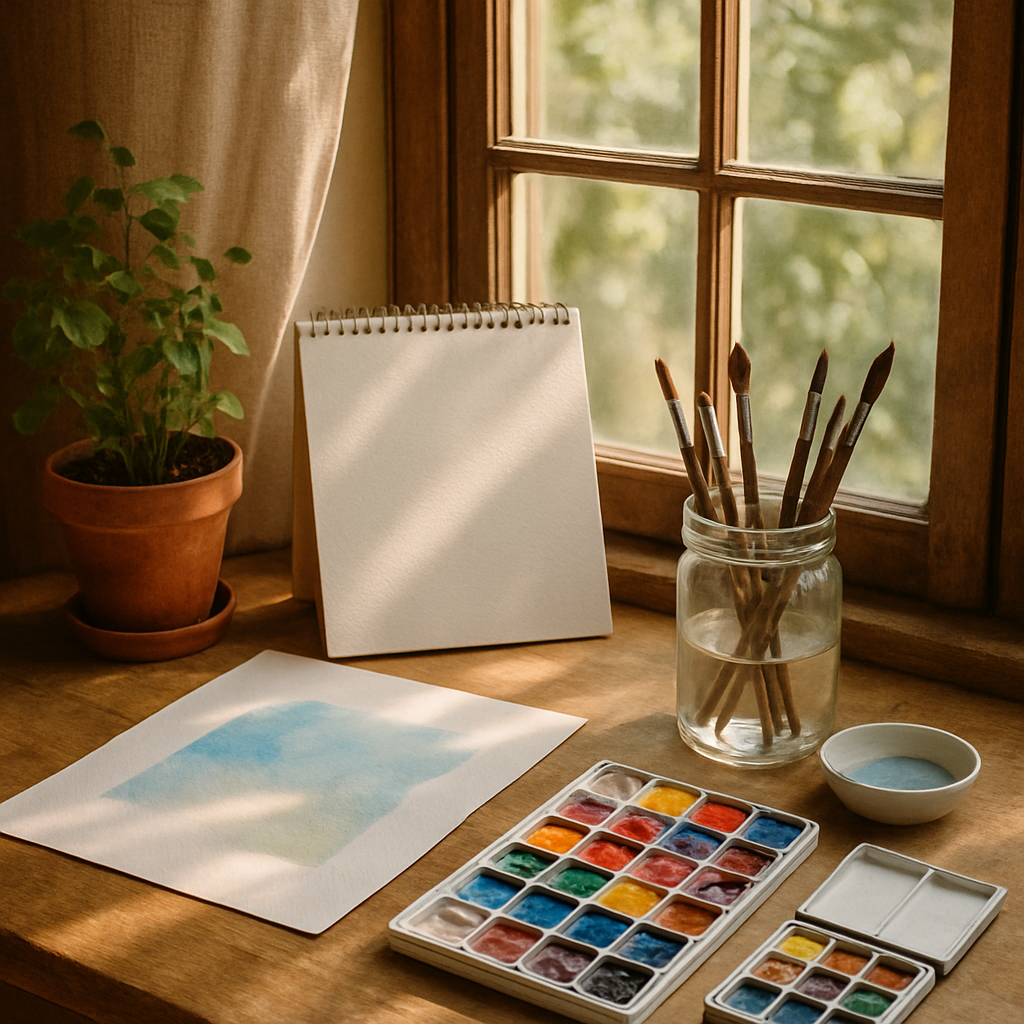
Common Challenges Beginners Face in Online Watercolor Courses and How to Overcome Them
Starting an online watercolor painting course for beginners is exhilarating but, let’s be real, it’s not without its hiccups. You might have felt that fleeting frustration when your brush didn’t do what you wanted or your paper ended up a wrinkled mess.
Sound familiar? You’re not alone.
Dealing with Warped or Buckled Paper
Watercolor paper warping is the classic rookie complaint. Lightweight paper lets the water pool and buckle the surface, which can mess with your smooth washes. But here’s a neat trick: don’t just sit there watching it dry flat. Keep your paper moving—tilt it gently and use your brush to coax the paint around. Got a hair dryer? Hold it about 10 inches away and sweep across evenly; this helps dry your piece without those annoying streaks or hard lines.
That’s a little life hack from pros like Birgit O’Connor, whose tips on controlling paper warping and waterlines really hit home for beginners.
Hard Waterlines and Blotchy Washes
Ever painted a wash that ended up with harsh edges where you just wanted soft blends? That’s called a hard waterline, and it creeps in when you add wet paint or water to a surface that’s not totally dry yet. The fix? Let that area dry completely before going back in. If a hard line already formed, try softening it with a gentle brush scrub or a light glaze over the edge while it’s still damp.
Patience here is your best friend, though I know waiting feels like watching paint dry (ha, literally). But trust me—this slows frustration and ups your success rate.
Controlling Excess Water and Backwashes
Watercolors are all about balance, but too much water can flood your paper and create those weird backwashes or “blooms”—that spreading pigment effect where wet and dry areas meet. They can look cool sometimes, but often, they’re accidental disasters.
Keep an eye on drying speed. When you spot a backwash forming, try reapplying paint and water gently on the damp spots to even things out. If it’s a mess, blot excess water with a clean natural-hair brush tip or an edge of a paper towel. Synthetic brushes just won’t soak up enough.
Sound complicated? It’s actually a bit like learning to dance with your paint—watch the rhythm and step in lightly, not stomping all over.
How Do You Know If You’re Getting Better?
When you face these challenges in your online watercolor painting course for beginners, it helps to remember: every misstep is a step forward. Watch videos closely (like those on real-time watercolor sessions), try these problem-solving hacks yourself, and celebrate when your washes come out smoother or your paper behaves.
So, what should you do next?
- Pick one challenge to focus on — say, mastering soft washes — and practice it deliberately.
- Use tools like a hair dryer wisely to control drying.
- Don’t let ‘perfect’ block your progress—embrace those imperfect blooms and waterlines, learn how to soften or incorporate them.
You’ll get there with patience and a bit of playful persistence. Because honestly, the magic of watercolor is as much about its unpredictability as the control you build over time.
Conclusion
So, here we are—wrapping up what it really means to start an online watercolor painting course for beginners. If you’ve been nodding along to all the techniques, the little struggles with backwashes, and the patience it takes, you’re already ahead of the game. Remember that painting isn’t just about perfectly smooth washes or flawless edges—it’s about learning to dance with water, pigment, and chance.
Think about your own journey for a second. You might’ve picked up the brush wondering if you’d ever get the hang of blending or layering. Guess what? You’re not the only one. Every artist, even the pros, wrestles with those “oops” moments. The difference? They keep going and find sweet spots where control and surprise meet.
Does that mean you need to master every technique before enjoying your watercolor? Nope. Sometimes, the charm is in those unexpected blooms or the little quirks that make your piece yours. The biggest win? Gaining confidence to try, fail, and try again without freezing up.
So, what should you do next? Choose one little challenge—maybe it’s mastering soft washes or controlling your drying times—and make that your playground this week. Keep your brushes handy, watch a tutorial when you’re stuck, and most importantly, don’t forget to smile at the messiness. Because behind every stunning watercolor is a whole lot of happy accidents and patience.
Ready to keep painting your way? It’s all one brushstroke at a time.
FAQ
How do I know if an online watercolor painting course for beginners is right for me?
Great question. If you find yourself itching to pick up a brush but feel unsure where to start, an online course can be a perfect fit. It lets you explore at your own pace, practice without pressure, and access lessons anytime you want—no more stressing about finding a local class or fitting a schedule.
Plus, you get to pause, rewind, and try tricky techniques over and over. So basically, if you want gentle guidance with room for experimentation, this could be exactly what you need.
What supplies do I need to start a beginner watercolor course online?
Keep it simple. You don’t need fancy gear to dive in. Basic watercolor paper, a small set of paints, a couple of brushes (round ones in sizes 6 and 10 are versatile), and a jar of water will do just fine. That’s it.
Here’s the thing: the course will often walk you through these essentials, so you’re not alone guessing what’s necessary. Sometimes, cheap supplies work just as well to get going—you can always upgrade later when you know what style you enjoy most.
Will I get feedback from instructors in an online watercolor painting course for beginners?
It depends on the platform, but many courses—including those at CreativiU—offer personalized support and community interaction. That means you can share your progress, ask questions, and get real advice instead of feeling like you’re painting in a vacuum.
Having someone look over your shoulder, even virtually, makes a huge difference in motivation and growth. So, if critiques or encouragement are important to you, look for courses that emphasize that connection.
Can I balance this course with a busy schedule?
Absolutely. Online courses are designed to be flexible. You don’t have to commit to a fixed time every week. Instead, you pick when to paint—maybe it’s twenty minutes after work or a lazy Sunday afternoon. This freedom makes it easier to keep up, especially if life feels nonstop.
And here’s a pro tip: having a dedicated spot for your supplies already set up can save precious minutes and keep you more consistent.
How quickly will I see improvement?
Honestly, that depends on how often you practice, but the course setup usually breaks down the skills into manageable chunks, so you’ll notice progress soon enough. Even small wins, like nailing a smooth wash or mixing a perfect color, feel like big victories.
Remember, art isn’t a race—it’s your own story unfolding one brushstroke at a time. Celebrate the messy stages as part of the journey.
Is an online watercolor painting course for beginners worth the investment?
Think about it this way: you’re not just paying for tutorials. You’re investing in creative freedom, new skills, and that sweet little boost of confidence every time you create something that feels uniquely yours.
So if you’re ready to trade hesitation for action, and doubts for discovery, this kind of course can be an amazing step forward. No fancy equipment or experience required, just your willingness to try—and keep trying.
Leave a Reply