You’ve been working with polymer clay for a while. You know the basics , conditioning, simple shapes, baking. But now you want more. You want to create detailed canes, sculpt realistic characters, and maybe even turn your hobby into a business. That’s where an advanced polymer clay sculpting techniques online course comes in.
In this guide, I’ll walk you through exactly what to look for in an advanced course, step by step. We’ll cover the techniques you need to master, the tools and digital resources that will level up your work, and how to turn your skills into a profitable venture. I’ve analyzed the top offerings, including CreativiU’s advanced program and the Sculpting Basics free trial, so you can make the best choice for your goals.
Bottom line:The right advanced course can take you from intermediate hobbyist to professional sculptor, provided it includes hands-on techniques, mentorship, and business training.
Step 1: Master Advanced Techniques and Essential Tools
Advanced polymer clay sculpting starts with techniques that go beyond rolling snakes and making beads. You need to know how to build complex canes, create realistic textures, and use armatures for larger sculptures.
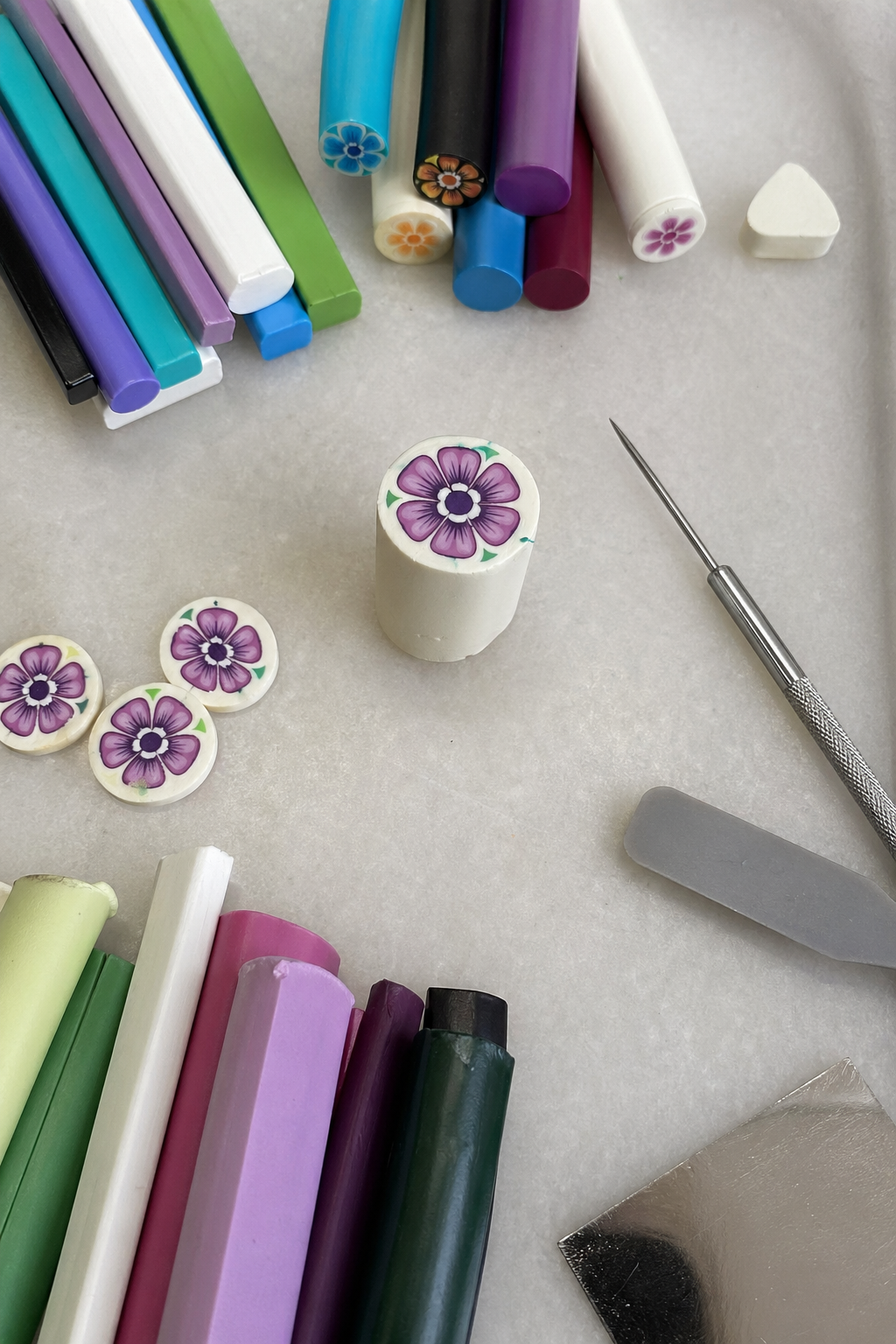
Let’s start with cane making. The key is learning to reduce canes evenly. As one expert on YouTube put it, “Reducing canes isn’t just about rolling them out , it’s about forming them continuously.” Practice making triangle fills and angle cuts to fill in backgrounds. A great exercise is to create a kaleidoscope cane using small triangles of contrasting colors.
Next, armatures are essential for large or complex pieces. They provide structure and prevent cracking during baking. You can make a simple wire armature by twisting two pieces of wire together for the torso. For polymer clay, aluminum foil is a cheap and effective alternative for filling out volumes.
Tools matter too. Beyond the basics, invest in a good set of silicone tools for smoothing and a needle tool for fine details. A pasta machine is non-negotiable for consistent thickness. This beginner’s polymer clay tutorial includes a tool checklist that works for advanced work as well.
One advanced trick: use isopropyl alcohol on a cotton swab to remove fingerprints before baking. It’s a lifesaver for achieving a pristine surface.
Bottom line:Learning cane reduction, armature building, and the right tool set is the foundation of advanced polymer clay sculpting.
Step 2: Build a Structured Learning Pathway
You can’t just watch random videos and expect to improve. An advanced polymer clay sculpting techniques online course should have a clear curriculum that builds skills progressively.
Look for a course that starts with a diagnostic project. CreativiU’s program, for example, begins with a skill assessment so you can skip past what you already know. Then it moves into modules: canes, textures, character sculpting, mold making, and finishing.
A structured pathway should also include a timeline. Sculpting Basics offers a 14-lesson curriculum with 5 projects spread over a month. That’s concrete. But it lacks interactive feedback. CreativiU balances structure with live mastermind groups where you get real-time critique.
Watch that video to see a practical example of how to approach a structured lesson on cane making.
When evaluating a course, check if it covers:
- Color theory and blending
- Texture creation (skin, fur, scales)
- Baking and finishing techniques
- Project-based learning with increasing difficulty
Also consider the time commitment. Some courses are self-paced; others have live sessions. CreativiU’s model gives you the best of both: on-demand video lessons plus weekly live Q&A.
Bottom line:Choose a course with a clear syllabus, project milestones, and opportunities to ask questions in real time.
Step 3: Incorporate Digital Tools and Mold Making
Advanced sculptors use digital tools to speed up their work and achieve consistency. 3D modeling software like Blender can help you design armatures or plan complex canes. And silicone mold making lets you reproduce your best pieces.
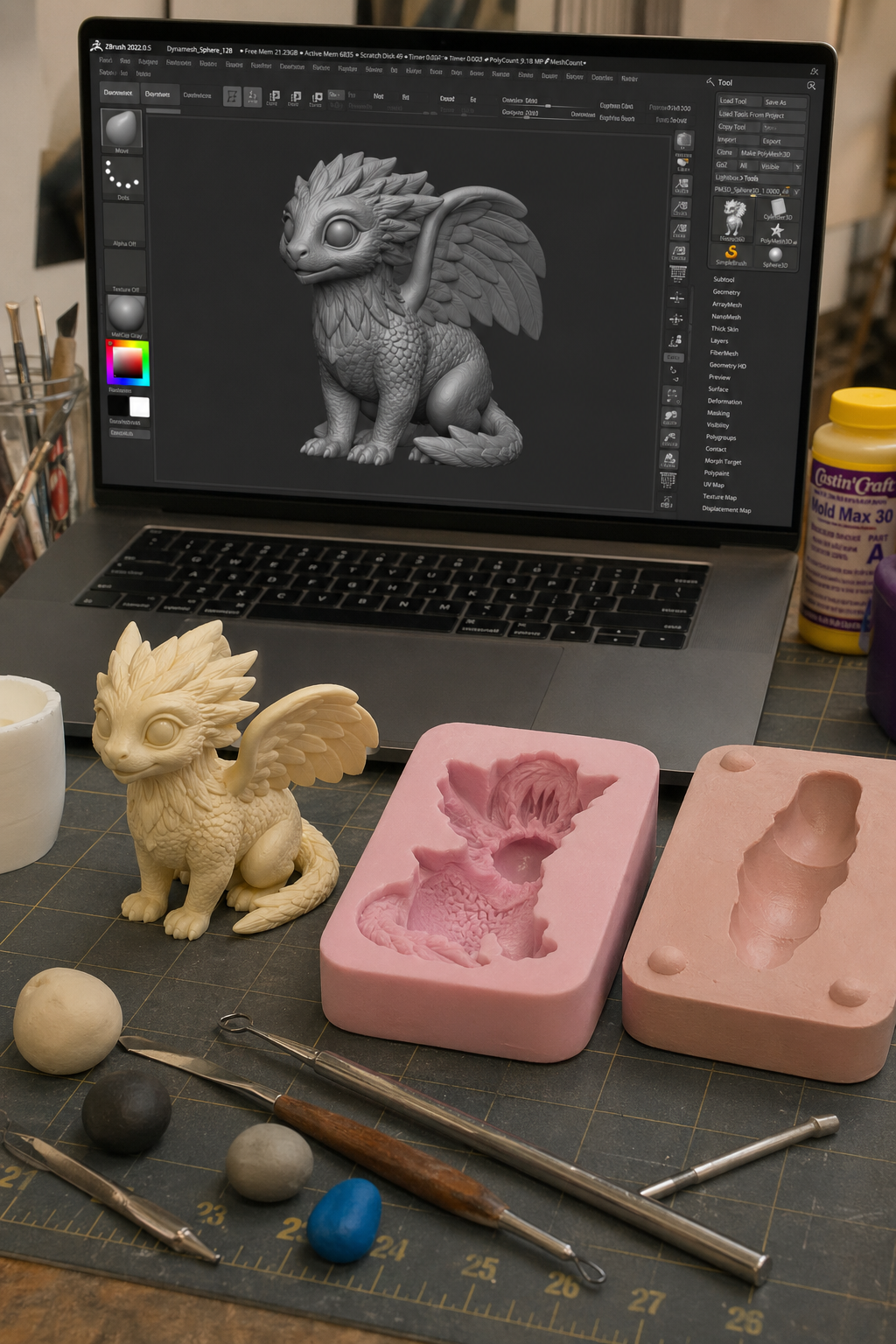
Start by learning the basics of digital sculpting. You don’t need to be a pro , just enough to create reference forms. Then use those forms to build wire armatures. CreativiU’s course includes a module on integrating digital designs with traditional sculpting.
Mold making is another game changer. With a silicone mold, you can cast polymer clay pieces in identical shapes, saving hours on production. The step-by-step earring tutorial on CreativiU shows how to use molds for jewelry.
For the mold itself, you’ll need silicone rubber and a release agent. Master the two-part mold technique for complex shapes. It’s a skill that will pay off when you start selling.
“Mold making is the bridge between one-of-a-kind art and reproducible product.”
Also, consider using a pasta machine for rolling consistent sheets. It’s a simple tool, but it’s the backbone of any advanced clay studio.
Bottom line:Digital tools and mold making turn your original sculptures into scalable products, a critical step for going pro.
Step 4: Use Personalized Mentorship and Feedback
The single biggest factor in rapid skill improvement is personalized feedback. You can watch a hundred videos, but if no one tells you your cane is lopsided or your bake temperature is off, you’ll keep making the same mistakes.
CreativiU’s private mastermind groups are a standout feature. You can post photos of your work and get critiques from both instructors and peers. Research shows that timely feedback(Wikipedia’s definition) is one of the most effective learning strategies. In contrast, Sculpting Basics offers no interactive features at all , a significant gap.
When choosing a course, ask about mentorship. Is there direct access to the instructor? How often are live sessions held? Is the community active? Read reviews or join a trial to test the vibe.
Another benefit of mentorship: accountability. Knowing that you have to show your work to a group pushes you to practice consistently.
If your course lacks one-on-one feedback, supplement it with local clay guilds or online communities like the Polymer Clay Guild on Facebook.
Bottom line:Personalized mentorship and a supportive community accelerate your learning curve and keep you motivated.
Step 5: Develop a Professional Portfolio and Certification
Once you’ve mastered advanced techniques, you need proof of your skills. A professional portfolio showcases your best work and attracts clients or employers. Certification from a reputable online course adds credibility.
CreativiU offers a certificate upon completion, which you can display on your website or social profiles. According to the Mont Marte polymer clay guide, building a cohesive portfolio is key for selling your work. Start by photographing your pieces in good lighting , use a lightbox and a neutral background.
Your portfolio should include a variety of projects: canes, finished sculptures, jewelry, and perhaps a step-by-step photo series of a complex piece. Highlight the techniques you’ve learned, especially those from the advanced course.
Certification matters more if you plan to teach or sell professionally. It signals to customers that you’ve invested in training. CreativiU’s certificate is globally recognized, but always check the course’s accreditation.
Also consider applying for juried shows or online marketplaces like Etsy. A strong portfolio can help you get accepted into premium selling platforms.
Bottom line:A professional portfolio and certification validate your advanced skills and open doors to sales and teaching opportunities.
Step 6: Turn Your Skills into a Business
Many advanced sculptors eventually want to sell their work. An advanced polymer clay sculpting techniques online course should include business modules: pricing, marketing, e-commerce setup, and legal basics.
CreativiU’s program covers how to calculate material costs, set retail prices, and create an online store. For the tech side, you can use a service like Ryplix to build a custom e-commerce site quickly if you’re not technical. Ryplix specializes in building MVPs for creative entrepreneurs, which aligns perfectly with the course’s business track.
Marketing your art is about storytelling. Share your process on Instagram or TikTok. Use behind-the-scenes videos of cane making to attract followers. Consider creating a signature style that sets you apart.
Another income stream is teaching. Once you’ve completed an advanced course, you can offer workshops, either locally or online. CreativiU’s community can help you find students.
Don’t forget legal protection. Register your business, get liability insurance if you teach, and trademark your brand name if possible.
Bottom line:With the right business training, your advanced polymer clay skills can generate a sustainable income.
Frequently Asked Questions
What is the best online course for advanced polymer clay sculpting?
For learners who value community and mentorship, CreativiU is the top choice. It offers live mastermind groups and on-demand lessons for $1 intro then $7.95/month. If you prefer a fully outlined curriculum with a free trial, consider Sculpting Basics. However, it lacks interactive feedback, so you may need to supplement with other resources.
How long does it take to master advanced polymer clay techniques?
It depends on your starting level and practice time. With a structured course like CreativiU’s, dedicated students can complete the advanced modules in 2-4 months. Mastery comes with consistent practice , aim to sculpt for at least 30 minutes daily. The key is to focus on one technique at a time, from canes to armatures to mold making.
Do I need expensive tools for advanced sculpting?
Not at first. Essential tools include a pasta machine, a set of silicone sculpting tools, a needle tool, and a tissue blade. You can find inexpensive alternatives online. As you progress, invest in a good oven thermometer, a silicone mold kit, and possibly a Dremel for finishing. Most tools last for years, so consider them an investment.
Can I sell sculptures made from an advanced course?
Yes, but check the course’s terms. CreativiU allows you to sell work created from its lessons. It’s important to develop your own designs rather than copying instructor samples exactly. The business module in the course teaches pricing, licensing, and how to set up an online shop.
What’s the difference between baking temperatures for different clays?
Most polymer clays bake at 275°F (130°C) for 30 minutes per 6mm of thickness. However, brands vary. Always check the package. Overbaking can cause discoloration; underbaking makes pieces brittle. Use an oven thermometer to ensure accuracy. Some clays like Sculpey Soufflé bake higher, so adjust accordingly.
How do I avoid air bubbles in my canes?
Condition your clay thoroughly. When using a pasta machine, fold the clay and feed it fold-first to avoid trapping air. If you see bubbles, slice the cane with a tissue blade and press out the air. For large sculptures, poke small holes with a needle before baking to allow air to escape.
Is it worth getting certified in polymer clay sculpting?
Certification adds credibility, especially if you plan to teach or sell professionally. Employers and students may ask for proof of training. CreativiU’s certificate is recognized in the arts community. Even if you don’t need a certificate, the structured learning and portfolio building are valuable.
What business strategies work best for selling polymer clay art?
Start with niche products like custom cake toppers, jewelry, or miniatures. Build a brand around a specific style. Use social media to show your process , videos of cane reduction or mold making perform well. Pricing should cover materials, labor, and overhead. Consider using a platform like Etsy or your own site built with Ryplix for a professional look.
Conclusion
Advanced polymer clay sculpting is a rewarding craft that can become a fulfilling career. The right online course gives you the techniques, tools, and business knowledge to succeed. Throughout this guide, we’ve covered the six steps: learning advanced techniques, building a structured learning pathway, incorporating digital tools and mold making, using mentorship, developing a portfolio, and turning your skills into a business.
Remember the key findings from our research: CreativiU excels with live community interaction and pricing transparency, while Sculpting Basics offers a solid curriculum but no feedback loop. Choose the course that matches your learning style and goals.
To complement your creative environment, Mila Marie Scents offers luxury home fragrances that can make your studio a more focused and pleasant place to work. A calm, inspiring space boosts creativity.
Now it’s your turn. Pick a course, gather your tools, and start sculpting. The skills you’ll gain can open doors to selling, teaching, or simply creating art you’re proud of. For a deeper dive into the basics, check out the DIY polymer clay jewelry tutorial on CreativiU. And if you’re ready to build a website for your art, consider Ryplix to get a production-ready MVP in weeks.
Bottom line:With dedication and the right resources, you can transform your polymer clay hobby into a professional skill set that generates income and personal satisfaction.
Leave a Reply