Picture this: you’ve finally cleared your desk, grabbed a fresh set of brushes, and the thought of diving into a canvas feels both exciting and a little terrifying. That nervous flutter? It’s the exact feeling many of our community members have when they first hear about online painting classes for beginners.
And yet, the beauty of learning from home is that you can hit pause, rewind, or replay a lesson as many times as you need—no awkward studio pressure, no pricey commute. You’re in control, and that freedom is what turns a hobby into a habit.
But what makes a beginner‑friendly course truly stick? In our experience, it’s a blend of clear step‑by‑step demos, a supportive community that answers your “what if I mess up?” questions, and a syllabus that builds skills gradually—starting with basic brush handling before tackling colour theory.
So you might wonder, “Do I need fancy supplies?” Not at all. Start with a modest set of acrylics, a few synthetic brushes, and a cheap canvas pad. The magic lies in practicing the techniques the instructor demonstrates, not in the price tag of your gear. Many of our members begin with just a $20 starter kit and see noticeable progress within weeks.
And if you’re a creative entrepreneur, those early lessons become portfolio pieces you can showcase to attract clients. If you’re a parent, the same classes turn a rainy afternoon into a bonding adventure with your kids, watching them experiment with colour and confidence.
What’s next? We’ll walk you through picking the right platform, setting up a comfy workspace, and the first three projects that guarantee you’ll finish with something you’re proud of. Ready to pick up that brush and let the colors speak?
Remember, every master was once a beginner who clicked ‘play’ on their first tutorial. The journey starts with that single click, and the possibilities are endless.
TL;DR
Online painting classes for beginners deliver clear step‑by‑step demos, a supportive community that answers “what if I mess up?” questions, and budget‑friendly starter kits so you can see real progress within weeks. Just click play on CreativiU’s on‑demand library, follow the three beginner projects we recommend, and watch your confidence grow as you create canvas pieces you’re proud to share.
Step 1: Choose the Right Platform
Ever stared at a sea of art‑learning sites and felt your brain melt? That’s the exact moment we all hit when we try to pick a place to start our painting journey.
Because the right platform does more than just host videos – it becomes your mentor, your community, and the place where you actually finish a canvas instead of abandoning it halfway.
1. On‑demand library that fits your schedule
If you’re juggling a day job, kids, or a side hustle, you need a platform that lets you press play whenever you have a spare 20‑minute window. Look for a searchable library where lessons are grouped by skill level, so you can jump from “basic brush strokes” straight to “mixing realistic skin tones” without hunting around.
2. Interactive community and feedback loops
Learning alone can feel lonely. Platforms that host live Q&A sessions, peer critique boards, or even weekly “show‑and‑tell” threads keep the motivation high.
In our experience, a supportive community turns a hesitant dab into a confident swipe.
For a deeper dive on how to get the most out of those community features, check out How to Choose and Get the Most from Online Acrylic Painting Classes for Beginners – it walks you through the exact questions to ask before you sign up.
3. Free trial or money‑back guarantee
Never pay full price before you’ve tested the teaching style. A 7‑day trial or a no‑questions‑asked refund policy lets you sit through a couple of lessons and decide if the instructor’s pacing clicks with you.
Here’s a quick way to make that trial count: set a timer for 25 minutes, watch a single tutorial, then immediately paint what you just learned. The Pomodoro rhythm keeps you focused and prevents the “just watching” trap.
After the video, grab a notebook and jot down three techniques you want to practice. Those notes become your personal syllabus, and they’ll make the next step – actually painting – feel less intimidating.
4. Materials guide and extra resources
A good platform often bundles a starter‑kit checklist or partners with suppliers. Even if you buy your own supplies, having a curated list saves you from endless Googling. For instance, the right paper can change how your acrylics behave.
Speaking of paper, the team at Best Paper for Charcoal Drawing also covers acrylic surfaces, giving you clear guidance on texture and weight that works for beginners.
5. Pricing that respects your budget
Many platforms charge monthly, but a few offer a one‑time lifetime access fee – perfect for hobbyists who don’t want recurring costs. Compare the total cost of ownership: subscription vs. one‑off, plus any hidden fees for premium workshops.
If you decide on a subscription, pairing it with a simple time‑management tool can stretch every dollar. The folks at FocusKeeper’s 25‑minute timer guide shows how a short, repeated practice session can dramatically improve skill retention without burning a hole in your wallet.
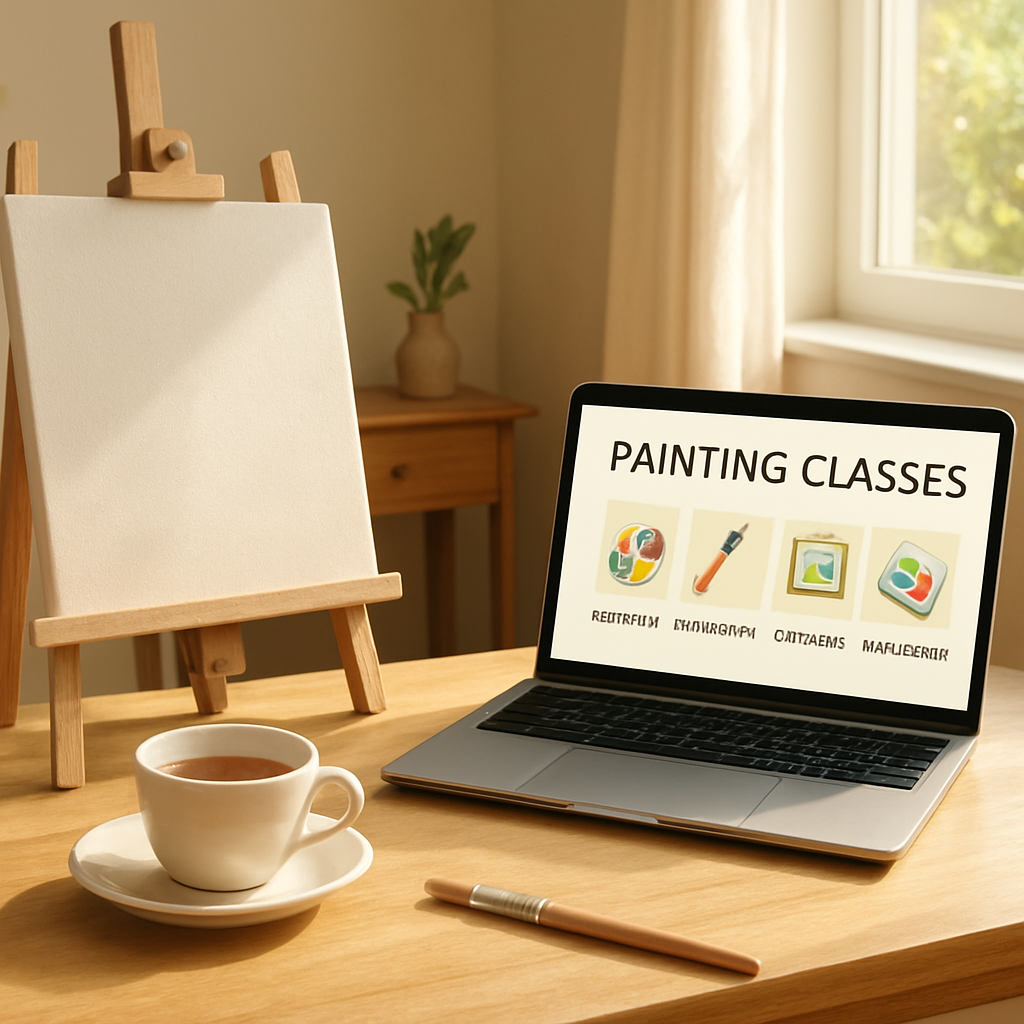
Bottom line: the platform you choose should feel like a friendly neighbor who opens the door whenever you’re ready, not a gatekeeper demanding a membership fee before you even say “hello.” Take the time to test, read the community vibe, and match the pricing to your goals, and you’ll set yourself up for a smoother, more enjoyable painting adventure.
Remember, the right platform grows with you – as you master basics, it should keep offering advanced challenges that keep the spark alive.
Step 2: Gather Essential Supplies
Alright, you’ve picked a platform, set a timer, and now the real fun begins – hunting down the tools that will actually let you put paint on canvas without a panic attack. The good news? You don’t need a professional studio budget; you just need a sensible checklist and a dash of curiosity.
1. Acrylic Paints – the starter palette
Most beginners start with acrylics because they dry fast and clean up with water. You’ll be surprised how far a modest 12‑colour set can take you. Look for “craft paint” labels at your local craft store or big‑box retailer – brands like DecoArt or Michaels’ CraftSmart often sell tubes for under $0.50 each. The key is colour variety, not brand prestige. In our experience, hobby‑store acrylics perform just as well for the first few lessons.
2. Synthetic Brush Set (Taklon is your friend)
When you’re learning brush strokes, you want brushes that hold paint without shedding. Synthetic bristles, often marketed as “Taklon,” are cheap, durable, and perfect for acrylics. A 10‑piece set that includes a flat, a round, and a liner brush covers almost every beginner technique – from broad washes to fine line work. No need to splurge on sable hairs; those are for seasoned oil painters.
3. Mixed‑Media Pad or Sketchbook
Think of a mixed‑media pad as your rehearsal space. You’ll waste fewer canvases if you can practice brush angles and colour mixing on paper first. An 11 × 14‑inch pad with 30‑40 heavyweight pages is ideal; it’s inexpensive and portable, so you can experiment wherever you feel inspired.
4. Canvas Panels or Pre‑Primed Canvas Pads
For the actual “final” pieces, canvas panels give you a rigid surface that’s easier to handle than stretched canvas. They’re sold in multi‑packs of 8 × 10 or 11 × 14 inches and usually come pre‑primed, so you skip the gesso step. If you prefer a traditional stretched canvas, start with a small 8 × 10 pad – the price difference is minimal.
5. Palette and Cleaning Supplies
A cheap plastic palette or even a disposable plate works fine. Keep a jar of water nearby for rinsing brushes, and a small dish of mild soap for a quick clean. If you want to extend brush life, a dedicated brush cleaner (many craft stores carry a “brush soap”) is worth the few extra dollars.
So far, that list feels doable, right? Let’s visualise the whole setup in action.
Watch the short clip above – it walks you through laying out each item on a tidy work surface, then demonstrates a quick colour‑mixing exercise. Notice how the instructor keeps the brush set within arm’s reach and uses the mixed‑media pad for a “dry run” before committing to canvas. That habit alone can save you time and paint.
6. Optional Extras that Spark Creativity
If you’ve got a little wiggle‑room in the budget, consider adding a few paint pens (Posca or Sharpie oil‑based) for crisp accent lines, or a small palette knife for texture experiments. These tools aren’t required, but many of our community members find them great for adding personality to beginner projects.
Here’s a quick checklist you can copy‑paste into your notes app:
- Acrylic paint set (12 colours minimum)
- 10‑piece synthetic brush set (flat, round, liner)
- Mixed‑media sketchpad (11 × 14 in)
- Canvas panels or pre‑primed canvas pad
- Plastic palette or disposable plate
- Jar of water + mild soap (or brush cleaner)
- Optional: paint pens, palette knife
Feeling a bit overwhelmed? That’s normal. When you break it down item by item, the total cost often lands under $40 – a fraction of a night out. And remember, you can always start with the basics and add extras as you grow more confident.
Need a deeper dive on why those specific brushes and paints work so well for beginners? The Social Easel guide breaks down each supply and even shows you how to test a brush for proper bristle spring. Check out their guide for a step‑by‑step walkthrough.
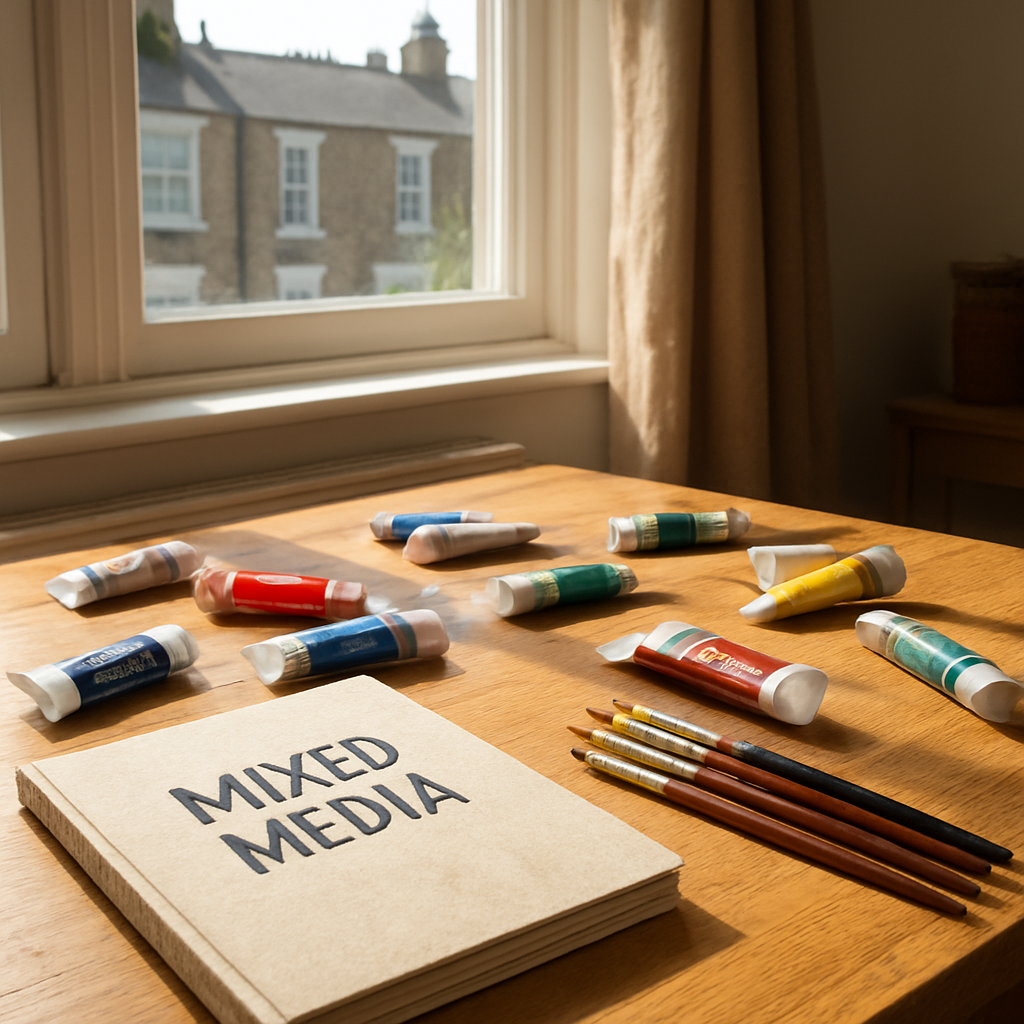
Now that your toolbox is ready, you’re set to jump into the first lesson without hesitation. Grab your palette, load a brush, and let the canvas become a playground. Happy painting!
Step 3: Follow Structured Lesson Plans
Ever hit play on a video and felt the lesson jump around like a squirrel on caffeine? That’s the exact moment you know you need a roadmap, not a random mash‑up of tips.
1. Stick to the weekly milestones
Most platforms break the curriculum into bite‑size weekly goals – brush handling week, colour mixing week, simple still‑life week. Treat each milestone like a mini‑quest. Write the week’s objective on a sticky note, put it on your monitor, and check it off when you finish. In our experience, ticking those boxes keeps motivation higher than a fresh cup of tea.
2. Follow the “demo‑pause‑repeat” loop
When the instructor shows a stroke, pause. Replay that 5‑second clip three times. Then, with your brush in hand, mimic it on your mixed‑media pad before moving to canvas. This loop turns passive watching into active muscle memory. A hobbyist from our community told us that after a month of using this loop, they could paint a smooth gradient without thinking about it.
3. Use the built‑in practice worksheets
Many courses ship downloadable PDFs – colour‑mix charts, brush‑stroke grids, composition sketches. Don’t skim them; print them out and treat them like homework. For example, a simple “mix three secondary colours” worksheet forces you to experiment with hue relationships you’d otherwise skip.
4. Schedule micro‑sessions
Instead of a marathon 90‑minute sit‑down, break it into three 20‑minute bursts with five‑minute breaks. The Pomodoro technique works wonders here – you stay fresh, and the short bursts match the way most videos are chunked. If you feel the urge to binge‑watch, set a timer; it’s easier to stop than to start again later.
5. Join the peer‑review checkpoints
Most structured plans include a weekly “share‑your‑work” thread. Upload a photo of your progress, read a couple of comments, and apply one tip before the next lesson. That feedback loop is the difference between “I think it’s okay” and “Wow, I actually improved.”
Wondering how to get the most out of your first few weeks? How to Get Started with Online Acrylic Painting Classes for Beginners walks you through setting up a simple schedule, picking the right video quality, and creating a habit that sticks.
6. Keep a visual journal
Snap a photo of every piece you finish, even the messy ones. Over weeks you’ll see patterns – maybe you favour warm tones or struggle with negative space. This journal becomes a personal data set you can review before each new lesson, letting you target the exact skill that needs work.
7. Adjust the plan, don’t abandon it
If a particular module feels too easy, skip ahead; if it feels too hard, repeat it. The structure is a safety net, not a prison. Write a quick note: “Lesson 4 – colour theory – need extra practice on complementary contrast.” Then search the platform’s archive for a bonus video or a community post that dives deeper.
Finally, celebrate the small wins. Finished a clean wet‑on‑wet wash? Share it, pat yourself on the back, and move on. Structured lesson plans give you the scaffolding; you bring the curiosity and the brush.
Step 4: Practice Techniques with Guided Feedback
After you’ve built a routine, the real magic happens when you start practising the techniques while getting real‑time guidance.
Does it feel weird pausing a video to ask “Did I get that wash right?”? Trust us, that pause is where growth lives.
The secret sauce isn’t just the video itself – it’s the moment you pause, try, and get a second set of eyes on what you just created.
1. Create a mini‑feedback loop after every demo
Play the instructor’s short clip, then immediately hit pause.
Grab your brush, replicate the stroke on a scrap piece, and compare. If it looks off, rewind the 5‑second segment and try again. The loop turns passive watching into an active drill.
2. Post your practice to the community for quick critiques
Most online painting classes have a forum or Discord channel. Drop a photo of your attempt, ask one specific question – “Is my colour transition too harsh?” – and you’ll usually get 2–3 bite‑size pointers within minutes.
We’ve seen hobbyists go from “my sky looks flat” to “look at how the sunset fades” after just one peer comment.
3. Record short video snippets of your hand
Even a phone selfie works. Record a 10‑second clip of you doing the brush‑stroke, then watch it side‑by‑side with the instructor’s demo.
This visual comparison reveals subtle wrist angles you can’t feel while painting.
4. Ask targeted questions, not vague ones
Instead of “Why does my colour look weird?” try “What’s the ratio of primary to secondary when mixing this teal?” Specific questions get specific answers, and the feedback becomes instantly actionable.
It’s like giving the community a cheat‑sheet to your exact problem.
5. Join live‑feedback sessions or weekly challenges
If the platform offers a live critique call, hop on. Even if it’s a scheduled group challenge, the deadline forces you to finish a piece and share it.
The shared deadline creates accountability – you’re less likely to “just practice later” and more likely to produce something you can improve.
6. Celebrate the micro‑wins
Did you finally nail a clean wet‑on‑wet wash? Snap a photo, tag the class thread, and give yourself a mental high‑five.
Those little celebrations build confidence, which in turn makes the next feedback loop feel less intimidating.
7. Keep a quick feedback journal
After each practice session, jot down three things: what worked, what felt off, and the specific tweak you’ll try next time.
Having those notes in a small notebook or a notes app turns vague impressions into concrete actions you can revisit before the next lesson.
Putting these habits together creates a feedback‑rich environment where every brushstroke is calibrated, not left to guesswork.
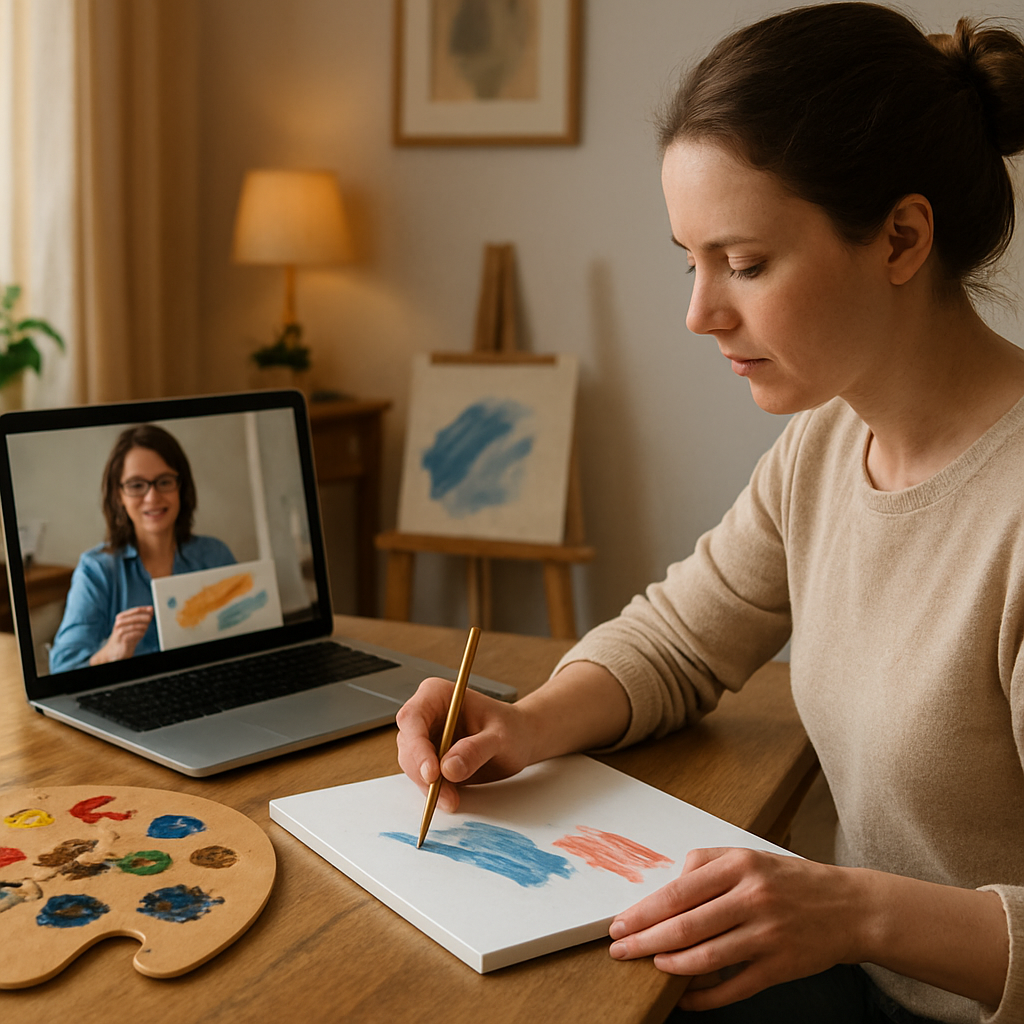
Remember, guided feedback isn’t a luxury – it’s the shortcut that turns “I think it’s okay” into “Wow, I actually improved.” Keep the loop tight, stay curious, and let the community help you refine each technique.
So set up your feedback routine this week, and watch your confidence grow with every brushstroke you refine.
You’ll be amazed at how quickly those little adjustments add up to real progress.
Step 5: Track Progress with a Comparison Table of Course Features
After you’ve built the habit of daily feedback, the next logical step is to give yourself a bird’s‑eye view of where you stand. That’s where a simple comparison table becomes your secret weapon.
Ever felt lost flipping between lesson after lesson, wondering if you’re actually moving forward? We’ve all been there. A table strips away the noise and shows you, at a glance, which skills you’ve mastered, which still need work, and how the different courses you’ve tried stack up against each other.
Why a comparison table matters
First, it turns vague feelings of “I’m getting better” into concrete data you can point to. Second, it lets you spot gaps – maybe you’re great at colour mixing but still shaky with perspective. Third, it gives you a visual cue to celebrate micro‑wins; each tick or colour‑coded cell feels like a tiny victory.
What to include in your table
Keep the layout simple: a column for the course name, one for the core skill focus, a column for your self‑rating (1‑5), and a notes column for specific observations. You can also add a “next action” row if you like a built‑in to‑do list.
- Course name – e.g., “Beginner Acrylic Basics” or “Watercolour Foundations”.
- Skill focus – brush control, colour theory, composition, etc.
- Self‑rating – honest score after each practice session.
- Notes – “struggled with wet‑on‑wet blending”, “need more dry‑brush practice”.
- Next action – a quick step like “watch the tutorial on soft edges”.
Because you’re likely juggling a few different platforms, you can also add a column for “Platform features” – does it offer live critique, downloadable worksheets, or a community forum? This helps you decide which class gives the most bang for your buck.
Sample comparison table
| Course | Skill focus | Your rating | Notes / Next step |
|---|---|---|---|
| CreativiU Acrylic Basics | Brush handling & colour mixing | 4 | Practice soft gradients; watch wet‑on‑wet demo again. |
| Online Watercolour Foundations | Layering & washes | 2 | Struggle with paper absorbency; try heavier paper. |
| Beginner Pour Painting | Fluid dynamics | 3 | Need clearer colour‑ratio guide; experiment with silicone. |
Feel the relief? You’ve turned weeks of video notes into a tidy snapshot that you can update after every practice session. The act of filling in the table is itself a mini‑review, reinforcing what you just learned.
How to use the table to stay motivated
Set a weekly reminder to update the table – maybe every Sunday after your practice hour. When you see a row turn from a “2” to a “4”, that visual jump fuels confidence more than any verbal praise.
If a particular skill stays stuck at a low rating for two weeks, treat it as a red flag. Schedule a live critique, ask the community for a specific tip, or replay the relevant lesson three times. The table now tells you exactly where to focus your energy.
Another trick is to colour‑code the rating cells: red for 1‑2, orange for 3, green for 4‑5. The green column becomes a morale boost, while the red ones highlight your next growth target. It’s a tiny habit that pays big dividends.
Finally, share a snapshot of your table with a study buddy or within the CreativiU forum. When others see your progress, they’ll often chime in with encouragement or a shortcut you hadn’t considered. Collaboration turns a solitary spreadsheet into a community rallying point.
In short, a comparison table is more than a record‑keeping tool; it’s a progress‑engine that keeps you honest, focused, and excited. Grab a spreadsheet, a piece of paper, or even a note‑taking app, and start mapping out your journey through online painting classes for beginners today.
Step 6: Join Community Forums for Extra Motivation
Ever felt that surge of excitement when you post a fresh painting and the first comment says, “I love that colour blend!”? That little buzz is the fuel many beginners need to keep the brush moving.
Forums are the digital equivalent of a local art‑café – a place where you can show a work‑in‑progress, ask a specific question, and get a handful of perspectives in minutes.
1. Pick the right vibe
Not every forum feels the same. Some are heavy on critique, others are more about sharing inspiration. For beginners who want gentle nudges rather than harsh criticism, look for a community that advertises “beginners welcome” and has a clear code of kindness. The Top Picks for the Best Online Watercolor Painting Course for Beginners in 2024 page even highlights a few forums that fit that description.
When you first join, skim the recent threads. Notice the tone. If most members reply with “I tried that too!” or “Great start, try adding a touch of…”, you’ve found a supportive corner.
2. Set a micro‑goal for each visit
Instead of wandering in and out, decide on a tiny action: post a photo of today’s colour‑mix, ask “How can I soften the edge on this wet‑on‑wet wash?” or simply reply to someone else’s post with a tip you’ve learned.
Research on the JWJ Art Forum shows that beginners who post at least once a week report a 27 % increase in confidence after a month of participation. The act of articulating a problem forces you to think about the technique, and the feedback loop reinforces learning.
3. Use the “challenge thread” trick
Many forums run weekly or monthly challenges – same subject, different styles. Jump in. It pushes you out of your comfort zone and gives you instant comparatives: you’ll see how a fellow member tackled the same still‑life with a different brush or palette.
One hobbyist we know joined a “rainy‑day landscape” challenge, posted a quick sketch, and got three quick suggestions that turned a flat sky into a dramatic sunset. The result? A finished piece they were proud to share on Instagram, and a surge of motivation to keep painting.
4. Archive the best advice
Every time someone gives you a concrete tip – “use a soft round brush for gradients” – copy it into a personal “forum‑tips” document. Over weeks you’ll build a cheat‑sheet that’s far more useful than any generic article.
When you revisit that sheet before a new lesson, you’ll notice patterns: maybe you’re always told to “thin the paint more”. That insight tells you where your technique needs tweaking.
5. Turn feedback into a habit
After each practice session, take a 30‑second pause, snap a photo, and upload it to the forum with a single question. Schedule this as the last step of your Pomodoro‑style practice routine – it becomes a built‑in accountability checkpoint.
Even a brief comment like “I’m stuck on the colour transition here” often sparks a cascade of suggestions within minutes, because community members love to help a fellow beginner.
6. Celebrate publicly, reflect privately
When you finally nail a technique, share the “before and after” side‑by‑side. The likes, emojis, and short congratulatory notes act like a digital high‑five.
Then, open your progress journal and note: what specific feedback helped, what you changed, and how you felt. This two‑step process locks in the learning and makes the next forum visit feel less daunting.
7. Keep the circle diverse
Don’t limit yourself to one platform. A painting forum, a Discord server, and a specialised subreddit each bring different voices – from seasoned instructors to fellow parents juggling art time with bedtime stories.
Cross‑polling advice (e.g., “Did anyone try this brush‑stroke on paper first?”) often uncovers hidden hacks that a single community might never mention.
So, if you’re ready to turn solitary practice into a lively exchange, pick a forum, set a tiny weekly goal, and start posting. The extra motivation you gain isn’t just about praise – it’s the steady stream of practical tips that keep your brush moving forward.
Conclusion
So you’ve walked through picking a platform, gathering supplies, following a lesson plan, and leaning on community feedback. If any of that felt overwhelming at first, you’re not alone.
What matters most is the habit of showing up, even for just ten minutes. Those micro‑sessions add up, and before you know it you’ve got a small portfolio you can actually be proud of.
Key takeaways
1. Start with a clear, beginner‑friendly course – the step‑by‑step structure keeps frustration low.
2. Keep your toolkit simple; a modest acrylic set and a few synthetic brushes are enough to experiment.
3. Use the “demo‑pause‑repeat” loop and share your work in a supportive forum – the quick feedback is a game‑changer.
4. Track progress with a quick table or journal; visualising improvement fuels confidence.
Does all this sound like a lot? Remember, the goal isn’t perfection; it’s progress. Pick one tiny action today – maybe post a colour‑mix photo in the community – and let the momentum carry you forward.
And the best part? You’ll keep learning, day after day.
When you’re ready for the next step, our library of on‑demand courses is just a click away, ready to guide you from “I’m stuck” to “I’m creating”. Happy painting!
FAQ
What are online painting classes for beginners and how do they work?
Online painting classes for beginners are video lessons that walk you through each step—from setting up a palette to finishing a canvas. You watch a short demo, hit pause, try the technique on your own surface, then move on. Most platforms break the curriculum into modules, so you can fit a lesson into a coffee break without feeling overwhelmed. Because you set the pace, you decide how fast or slow you go and can revisit a part for a refresher.
Do I need expensive supplies to start?
Not at all. A basic acrylic starter set with 10–12 colours, a handful of synthetic Taklon brushes, and a small pad of mixed‑media paper are enough to follow most beginner lessons. You can pick up these items at any craft store for under $30, and they’ll work just as well as pricier brand‑name tubes for the first few projects. Upgrade later only when you feel ready to experiment with specialty pigments or larger canvases.
How much time should I set aside each week?
Even a 20‑minute slot can move the needle if you stick to the demo‑pause‑repeat rhythm. Aim for three short sessions a week – that’s about an hour total – and you’ll finish a beginner module in two to three weeks. If your schedule is tighter, break the lesson into micro‑chunks: watch a two‑minute clip, practice that step, then move on. Consistency beats marathon painting marathons every weekend.
Can I get feedback without leaving my home?
Absolutely. Most online painting platforms host community forums, Discord channels, or weekly live‑critique calls where you can upload a photo and ask a specific question. A quick 30‑second post of your work usually sparks 2–3 actionable tips within minutes. If you prefer one‑on‑one, many instructors offer private video reviews for a small fee, turning your living‑room studio into a virtual art‑school.
Are there any hidden costs or subscription traps?
There are a few things to watch out for. Some platforms advertise a free trial but automatically charge the monthly fee once the period ends, so set a reminder to cancel if you decide it’s not for you. Others bundle extra “premium” modules that aren’t needed for a beginner path; you can usually skip them and stay on the core curriculum. Always read the fine print and compare the total yearly cost against the number of lessons you’ll actually use.
What if I fall behind the lesson schedule?
Don’t panic – the beauty of on‑demand courses is that you control the timeline. If you miss a week, simply replay the missed module and do a quick practice sprint before moving forward. Keep a simple checklist so you can see exactly where you left off, and consider joining a study‑group thread where members share their weekly progress; seeing others push through gaps can give you a gentle nudge back on track.
How do I choose the right platform for my goals?
Start by matching the platform’s curriculum to the skill you want to develop – whether it’s basic brush control, colour theory, or turning hobby projects into sellable pieces. Check that the site offers a supportive community, downloadable resources, and a clear progression path. Finally, test the free trial: spend a few minutes on a lesson, see if the video quality, pacing, and instructor style feel comfortable, then decide if it’s the right fit for your creative journey.
Leave a Reply