You know that moment when you want to pick up a brush and just dive into painting, but the whole process feels a bit intimidating? That’s totally normal—starting something creative can feel like staring at a blank canvas, wondering where to even begin.
But what if I told you that online acrylic painting classes for beginners are designed exactly to solve that problem? They break down the intimidating wall into approachable, simple steps you can follow at your own pace.
Think about it this way: instead of juggling different tutorials from all over the internet or guessing what supplies to buy, you get a guided path built for beginners just like you. It’s like having a friendly art coach right there with you, showing you how to hold the brush, mix colors, and build your confidence stroke by stroke.
And here’s the best part—because these classes are online, you don’t have to worry about packing up paints and brushes to head to a studio. You can learn in your comfiest spot, at times that actually work for your schedule. Whether it’s a quick Saturday morning splash of color or winding down with creative time after work, these classes fit you.
But let’s be honest, learning to paint isn’t just about technique. It’s about tapping into something deeper—releasing stress, exploring yourself, and making a little corner of the world your own with color and imagination. Online courses give you the tools and the space to find that joy without pressure.
Still wondering how to get started? It’s simpler than you think. A great starting point is knowing exactly what to expect from online acrylic painting classes for beginners. This guidance not only cuts through the noise but also helps you build solid foundations that last beyond the first few paintings.
So, ready to move past the “maybe someday” and actually pick up that brush? Let’s dive in and explore how these classes can light up your artistic journey, step by step.
TL;DR
Ready to dive into painting but unsure where to start? Online acrylic painting classes for beginners offer flexible, stress-free learning that fits your schedule and sparks your creativity.
They guide you from basics to confident brushstrokes while helping you unwind and explore your artistic side—no fancy studio needed.
Understanding the Basics: What to Expect from Online Acrylic Painting Classes for Beginners
Starting something new is always a little intimidating, isn’t it? Especially when it comes to art—acrylic painting can feel like a vast ocean of techniques, supplies, and mysterious “rules” you either have to follow or completely break.
So here’s a reality check: online acrylic painting classes for beginners aren’t about turning you into a master overnight. They’re about gently guiding you through that overwhelming maze, helping you find your own rhythm, and—most importantly—getting you comfortable with putting brush to canvas.
Expect a Friendly Introduction to Materials and Setup
One of the first surprises newbies often mention? How much time these classes spend just getting you familiar with your paints, brushes, and canvases.
That’s a big deal. Because, honestly, knowing what materials work and why saves you tons of frustration and wasted paint. Plus, when you understand the basics of acrylic paint composition and how it dries, you’ll suddenly realize that the “magic” in your painting isn’t random—it’s science and technique intertwined.
For example, some courses, like Olga Soby’s Fluid Art Mastery, dive deep into paint brands, pouring mediums, and mixing ratios—info you won’t find just by flipping through YouTube videos.
Learning by Doing: Step-by-Step Tutorials
Don’t expect to just sit back and watch or read. The best online classes for beginners actively involve you. You’ll be guided through step-by-step projects, starting with simple techniques—you know, like learning to hold your brush without feeling like a toddler with crayons.
These projects build on each other, introducing new skills and little hacks as you go. It’s kind of like learning to cook a dinner instead of only watching cooking shows. You start with chopping veggies (basic strokes), then simmering sauces (layering colors), and before you know it, you’re plating up a feast (your first acrylic masterpiece).
Plus, many classes emphasize experimentation. So if the paint blobs or colors don’t blend perfectly, it’s a learning moment, not a failure.
Expect Flexible Pacing and Lifetime Access
One big advantage of online classes is flexibility. You can pause, rewind, and replay tricky sections or speed through the parts that feel like a breeze.
This means you can fit painting lessons into your busy life—whether that’s after the kids are asleep or during a quiet weekend morning. Lifetime access to lessons also means you can revisit techniques whenever your creativity hits a snag.
Some courses even offer community forums or support, so you don’t have to feel like you’re painting in a vacuum. Engaging with others sharing your journey adds that spark of connection that keeps you motivated.
The Commitment: What You’ll Need to Bring
Here’s the honest truth: online acrylic painting classes for beginners absolutely require patience. You’ll need to try and fail and try again, and that’s okay.
Materials can be affordable, but expect to spend some time figuring out what works best for you—and in some courses like the one mentioned above, you get guidance on picking quality supplies without breaking the bank.
One more thing—be ready to pour your emotions into it. Painting isn’t just technical; it’s weirdly therapeutic. You might find yourself surprised at moments of frustration turning into pure joy when a color blends perfectly or a brushstroke just hits the mark.
Does this sound like something you want to dive into?
If so, understanding these basics sets you up to make the most of your learning time and tap into your creative potential without feeling lost.
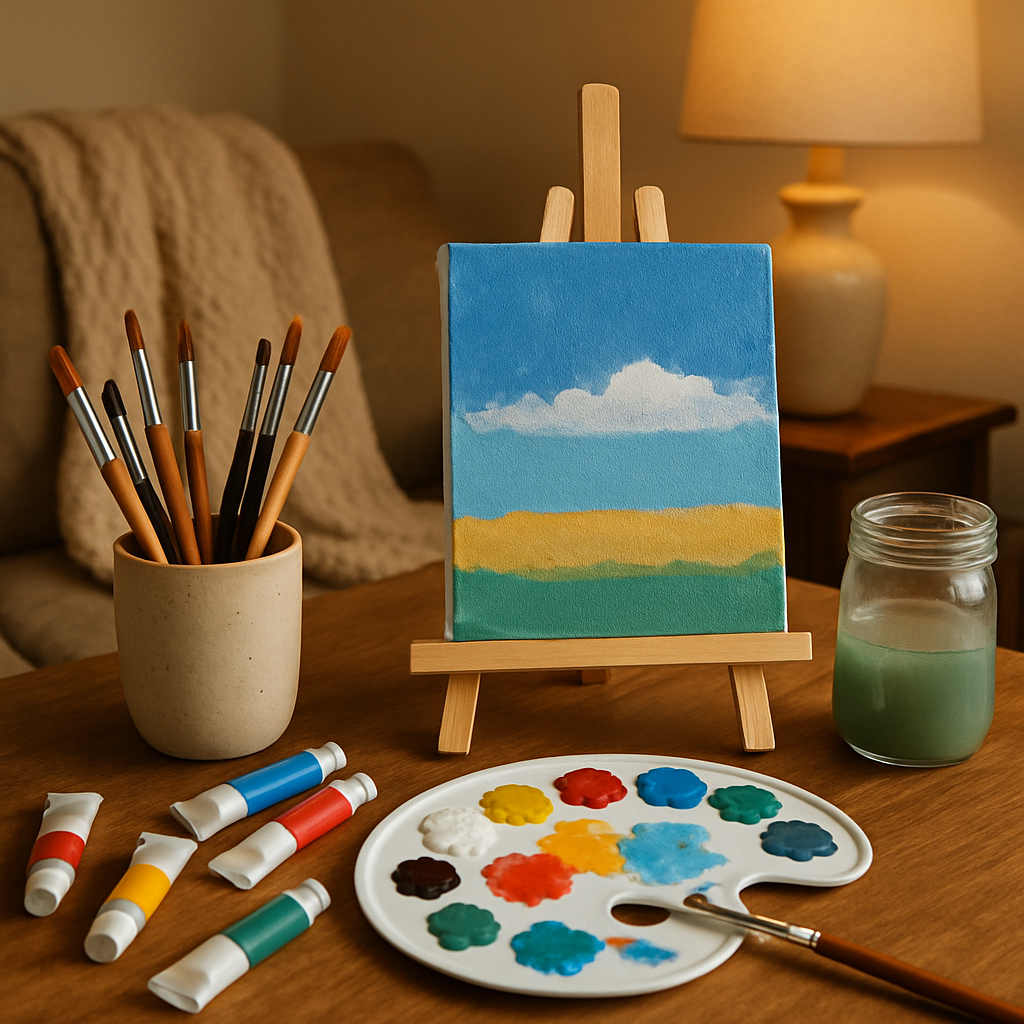
So, maybe the big question is—how do you know which online acrylic painting class to try first? Look for courses that break down the technical stuff clearly, offer real-world tips on materials, and encourage you to create at your own pace. Bonus points if there’s a community component to share your progress and get feedback.
For a deep dive into fluid acrylics, this comprehensive course from Olga Soby is an enlightening example—it sheds light on the messy, sometimes frustrating, but always rewarding journey of acrylic painting.
Remember: great online acrylic painting classes for beginners aren’t magic—they’re carefully crafted experiences to turn uncertainty into confidence and blank canvases into your personal playground.
Top Platforms Offering Online Acrylic Painting Classes for Beginners
It’s a familiar feeling, isn’t it? You’re eager to start painting but overwhelmed by all the online options out there. Where do you even begin? The good news—there’s a place for every beginner, whether you want a gentle introduction or something a bit more structured.
Let’s break down some of the top platforms offering online acrylic painting classes for beginners. Each one has its own vibe and focus, so you can pick what feels right for you—and your schedule.
1. CreativiU: A Creative Community to Grow With
If you want a space that’s not just about watching lessons but really connecting, CreativiU nails it. This platform offers a treasure trove of scientifically-backed courses designed to build your skills step by step, with plenty of support along the way.
Their online acrylic painting courses for beginners focus on solid fundamentals, AND they encourage you to find your own style at your own pace. Plus, the community aspect? Game changer. You get feedback, you see others’ progress, and that feels like fuel on tough days.
What’s cool is that CreativityU mixes on-demand lessons with interactive elements, so you’re never really alone with your brushes. You learn, practice, and chat—all in one spot.
2. Virtual Art Academy: Structured Learning from Pro Artists
Looking for something that mimics a real art school? Virtual Art Academy might be your jam. Their courses cover acrylic painting basics but with a professional’s depth—think color theory, composition, light and shadow.
Designed by experienced artists, these classes work great if you want to develop skills with more structure, building on each lesson to get you painting confidently.
One thing to know: these courses often include a community forum too, so you can swap tips or ask for critique—because, honestly, getting feedback is crucial.
If you want a little peek first, their detailed guide on the best online painting classes is a solid resource to scope out different options.
3. Acrylic University: Short, Focused Lessons With Real Impact
Sometimes you just want a quick win—a painting you can be proud of in a few sessions without spinning your wheels. This is where Acrylic University shines.
Their “Simple Shapes” challenge taught by Dianna Shyne guides you through painting manageable subjects, like fruit or everyday objects, breaking down light, shadow, and color mixing in bite-sized chunks.
The setup helps you build confidence fast, and the lessons are easy to access anytime online. You get full support and a tight-knit community where encouragement is the norm.
Curious about how this actually looks live? Check out their mini-course details at Acrylic University’s program. It’s an excellent entry point that keeps motivation high by making progress visible through small, satisfying projects.
4. Why Does Community Matter So Much?
Have you noticed how sometimes painting alone feels lonely? Without someone cheering you on or giving helpful feedback, it’s easy to hit a wall. Platforms that foster a real community make a big difference in keeping you going.
Whether it’s fellow learners sharing their wins, or instructors giving tailored advice, it’s that human interaction that turns frustration into breakthroughs.
Comparing Key Features of Popular Online Acrylic Painting Classes
| Platform | Focus & Style | Community & Support | Accessibility & Cost |
|---|---|---|---|
| CreativiU | Scientifically designed courses for steady skill growth and creative freedom | Strong community, interactive learning, mentor support | On-demand access, subscription or single course options |
| Virtual Art Academy | Professional artist-led structured curriculum with comprehensive techniques | Forum for feedback and discussion, peer interaction | Course purchases, more traditional art school feel |
| Acrylic University | Short, practical lessons focusing on simple shapes and fundamentals | Active community, encouragement, feedback-rich environment | Course bundles and membership options, accessible anywhere |
With options like these, you’re not stuck guessing what works. You can pick a platform that matches your learning style and desired pace. Imagine going from blank canvas anxiety to excited, confident brush strokes without the overwhelm.
Does picking a place feel a little less daunting now? It should. And remember, the best online acrylic painting classes for beginners aren’t just videos. They’re communities and experiences wrapped up in encouragement and clear, actionable lessons.
So, what should you do next? Why not explore one or two platforms, dive into a trial or starter course, and see which atmosphere sparks your creativity? Because the truth is, your art journey blossoms when you find the right guide and companions along the way.
For a deeper dive into how to choose and get the most out of online painting classes, seriously check out this detailed breakdown from Virtual Art Academy. It helped me understand what mattered and might do the same for you.
Essential Materials and Tools You’ll Need for Online Acrylic Painting Classes
Starting out with online acrylic painting classes for beginners can feel a little like stepping into an overwhelming art store for the first time. You see so many brushes, tubes, canvases, and weird tools, and wonder, “Do I really need all of this?”
The truth is, you don’t need a ton of stuff to get your creative juices flowing, but having the right basics makes a world of difference. Let’s break it down and keep things super straightforward.
Paint: Quality Matters, But Don’t Stress the Brand
Acrylic paint is your main companion here. You want something that blends nicely, lays down smooth, and lasts long without fading. Many beginners find a brand called Liquitex Basics to be a perfect starter. It’s student-grade, affordable, but still offers enough pigment quality to keep your paintings looking vibrant for years according to painter Erica Eriksdotter. No need to splash out on the super fancy lines at first.
Get just a handful of colors to start — primary reds, blues, yellows, plus black and white. You can mix most other colors from there. Fewer paints, less mess, and you can focus on learning rather than hunting down every shade.
Brushes: Shapes and Sizes That Work for You
Brushes are more personal. You’ll want some variety to experiment — maybe a flat brush for broad strokes, a round for details, and a fan or angled brush for texture. Synthetic ones are great for acrylics: budget-friendly and easy to clean.
One tip? Try to find brushes specifically labeled for acrylic painting. They tend to hold up better against the plastic-y, sometimes tough texture of acrylics. And remember, your comfort counts: hold the brushes before you buy if you can; it should feel easy and natural in your hand.
Canvases and Surfaces: Start Small, Think Practical
When it comes to canvases, beginners usually do best starting with pre-stretched cotton canvases around 8”x10” or 12”x12”. They’re ready to go, not too intimidating, and give a lovely texture acrylics love.
Canvas paper pads are also fantastic for practice without the pressure. They’re affordable and easy to work with, so you can play without the commitment of a stretched canvas. You might find yourself grabbing both depending on your mood.
Palettes and Mixing Tools: Where the Magic Happens
Pick a palette that matches your style, whether it’s a classic flat plastic tray or a stay-wet palette that keeps acrylics moist longer. Some painters swear by palette knives too — these flexible blades can mix paint but also add texture to your work.
Speaking of palettes, think about your painting setup. Do you want to hold it? Place it on your table? These little preferences affect how comfortable you’ll be during longer sessions.
Makeshift Studio Extras (But You’ll Thank Yourself Later)
Water jar for rinsing brushes — essential and simple. Glass jars work great since you can easily see when it’s time to swap out dirty water.
Keep a cotton towel or rag handy for wiping brushes and blotting mistakes. And an apron or old shirt? Trust me, your clothes will thank you.
Finally, consider some painter’s tape if you want to block out areas for clean edges or borders. It’s an easy way to level up your control and presentation.
Wondering what’s the simplest setup that won’t break the bank but lets you follow along with your online acrylic painting classes for beginners? Start with this minimal kit:
- A small set of quality acrylic paints (Liquitex Basics is a safe bet)
- A variety pack of synthetic brushes (including flat and round shapes)
- Pre-stretched cotton canvases around 8×10 inches
- A simple plastic or stay-wet palette
- A water jar, cotton towel, and apron
If you want to dig deeper into choosing supplies and optimizing your toolkit, Erica Eriksdotter’s detailed guide on essential acrylic painting supplies is a brilliant resource to explore right here. It’s like having a patient artist friend walk you through every choice.
And, if you’re curious about affordable, quality alternatives in other mediums like watercolor (which shares some supply basics with acrylics), Rosalie Haizlett’s thoughtful list reveals how to curate materials without overspending — which is pretty relatable when we all want to start painting without a giant investment read her recommendations.
At the end of the day, it’s about picking tools that make painting enjoyable. Because if your brushes feel weird or your paints don’t play nice, it’s way harder to keep going. So, gather your essentials, set up your little creative space, and get ready to dive into your online acrylic painting classes for beginners feeling confident and equipped.
Tech Setup and Tips for a Smooth Online Acrylic Painting Learning Experience
Ever gotten halfway through an online acrylic painting class, only to realize your video is grainy or the colors look completely off? Yeah, it’s frustrating. When you’re learning a craft that’s all about color and detail, having the right tech setup isn’t just nice to have—it’s essential.
Let’s start with the basics you don’t want to overlook to make your online acrylic painting classes for beginners truly enjoyable and effective.
Lighting That Feels Like Daylight
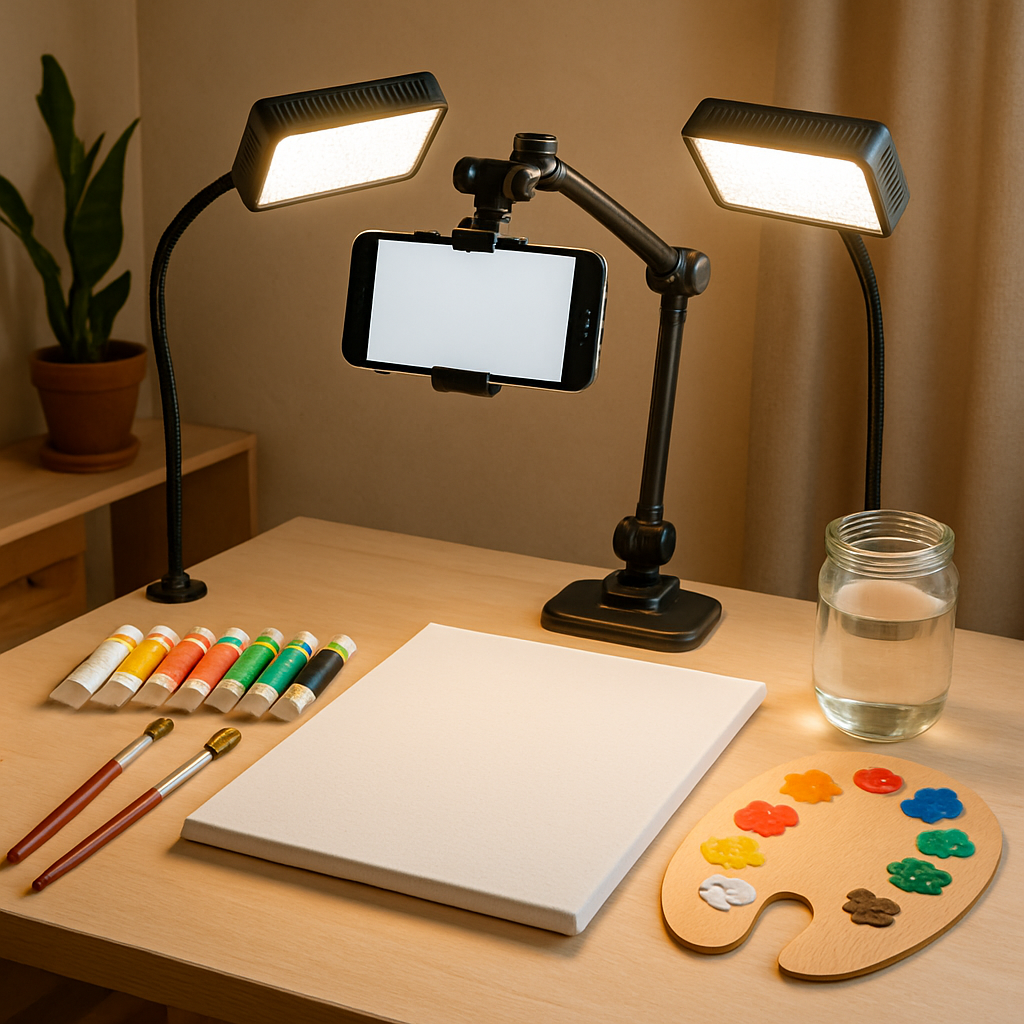
Good lighting is like the secret sauce. You want something close to natural daylight so your colors pop on screen just like they do in real life. Ideally, pick LED lights that let you adjust the color temperature toward the cooler end (around 5000-6500K). This keeps everything crisp without the harsh shadows that make it hard to see your brush strokes.
Got busy hands constantly moving over your canvas? Three-point lighting is your best friend: one light shines straight down above your workspace, and two more from the sides (tilted toward the art). This setup cuts down shadows and keeps your work visible at all angles. It might sound fancy, but affordable ring lights and adjustable LED lamps work wonders here.
Camera: Your New Best Viewer
You don’t need a bulky camcorder or expensive equipment here, honestly. Many pros are switching to high-res smartphone cameras—an iPhone SE or similar newer model works amazingly. What’s cool is that filming in 4K lets you zoom in and crop the video later without losing sharpness, so you’re never stuck with a bad frame.
Plus, using your phone as your main camera helps with audio too. I mean, syncing sound in post-production? Total headache. Newer phone mics capture clear audio right off the bat, so less stress for you.
Mounting and Monitoring Made Easy
Wondering where to put your camera? Clamp it on a sturdy shelf or desk-mounted arm so it hovers over your painting area. Avoid those tripod legs sprawling all over your floor; they get in the way and can cause trips and spills—definitely not what you want mid-painting.
Also, monitoring your recording in real time can save you from those “oops, was it recording?” moments. Apps like OBS Studio can connect your phone’s camera feed directly to your laptop so you can watch what’s being filmed live on a bigger screen. Yeah, there’s some setup time involved, but it’s totally worth avoiding the frustration of lost footage.Source: Laly Mille’s filming setup insights
Organize Your Space Like a Pro
Here’s the inside scoop: you don’t want to waste time digging for brushes or paint tubes during class. Keep your essentials within arm’s reach—brushes, water jar, palette, and paints all tidy and ready. Trust me, it makes your creative flow smoother.
And don’t forget a small towel or paper towels nearby for quick brush clean-ups. Clearing clutter clears your mind—it’s that simple.
Choosing the Right Software to Record or Capture Your Progress
Even if you’re not filming full classes, capturing parts of your process to review later or share with fellow painters can be a game-changer. For iPhone users, apps like Moment Video let you lock your white balance and settings, so your colors won’t suddenly shift just because your hand moved into frame. This makes your videos look consistent and professional without a tech degree.Learn more about filming tricks
On the editing side, simple and free tools like iMovie or Handbrake help you trim clips and compress files without fuss. No complicated editing needed—just clean visuals that showcase your acrylic painting getting better and better.
So, ready to streamline your painting sessions and really soak up your online acrylic painting classes for beginners?
Think of your tech setup as your creative partner: the better equipped it is, the more it fades into the background, letting your painting and your joy shine through. If you want a smoother start that feels effortless, check out how we approach online acrylic painting classes for beginners here at CreativiU. We believe the right setup doesn’t just help you learn better—it keeps you coming back to create more.
Remember, it doesn’t have to be perfect right away. You can tweak your lighting, adjust your camera angle, or organize your supplies gradually as you find what works best for you.
Just start where you are, and soon you’ll be hitting that sweet spot that lets the magic happen.
How to Practice Effectively and Build Confidence After Your Online Acrylic Painting Classes
So you’ve just wrapped up your online acrylic painting classes for beginners, and maybe you’re wondering, “Now what?” It’s a familiar crossroads. You want to keep that spark alive but somehow the blank canvas feels intimidating without a friendly voice guiding you.
Let’s be honest: practice isn’t always fun when you don’t see instant results. But here’s a little secret — painting is more about sticking with it than having a lightning bolt of talent. Every artist, even Picasso, had to wrestle with pieces that didn’t quite hit the mark. The difference is they showed up again and again.
Start small, settle into a rhythm
Don’t set yourself giant goals like finishing a masterpiece in one sitting. Instead, commit to short, focused sessions that fit your schedule. Even 15-20 minutes of simple strokes or color experiments can be powerful. Think of it like warming up your muscles — you wouldn’t sprint before a jog.
Try calling these mini sessions your “creative check-ins.” Play with mixing colors, try different brush strokes, or copy a simple still life from your class. It doesn’t have to be perfect. You’re building muscle memory and familiarizing yourself with the feel of acrylics.
Learn from your mistakes and celebrate ‘happy accidents’
Remember those “oops” moments during class when colors blended in unexpected ways? Those aren’t failures — they’re stepping stones. Embracing mistakes opens doors to discovery. Your unique take on these can lead to breakthroughs in style.
As art educator Will Kemp explains, getting good at painting means crossing a frustration barrier. That time when you realize the little things aren’t going to come easily at first. But if you keep going, things click.
Practice with purpose — focus on fundamentals
Don’t get caught up in the idea that you have to paint complex subjects right away. Tackling basics like color mixing, tones, blending, and brush handling pays off big time. For example, practice getting smooth gradients or layering paint to create textures. Once those foundational skills feel natural, your confidence grows—and so does your enjoyment.
It’s also helpful to mix things up by painting the same subject multiple times. This way, you observe how tweaking colors or brush pressure changes the result. This kind of repetition builds competence and boosts your trust in your own eyes and hands.
Set achievable goals to keep motivation alive
Feeling stuck? Try a challenge like creating a certain number of paintings before you decide if acrylic painting is really your thing. Some artists set a goal to paint 100 pieces. Sounds wild, but it shifts focus from “getting it right” to “learning by doing.” And trust me, this mindset can be a game-changer for confidence.
Also, consider joining groups or forums where you can share work and get feedback. Sometimes, a little encouragement from fellow artists is all you need to push through doubt.
Use tools and tricks to extend your painting time
Acrylics dry fast, which can be tricky when you want to blend smoothly. But there are handy mediums like glazing liquid or retarders that slow drying time and help you practice techniques without the rush. Experimenting with these can make your practice sessions more enjoyable and less frustrating.
If you’re curious about these tricks, MrsTFox Resources offers great strategies that can prevent your paint from drying too fast and help you get the most out of each session.
At the end of the day, confidence blooms when you create often, embrace imperfection, and keep your goals realistic. Every brushstroke is a step forward—so keep going, and you’ll soon see your progress reflected on the canvas and in yourself.
Frequently Asked Questions About Online Acrylic Painting Classes for Beginners
So, you’ve been thinking about dipping your toes into online acrylic painting classes for beginners, but you still have a pile of questions swirling in your head. That’s totally normal — I’ve been there too. Let’s hash out some of the most common doubts and curiosities that folks like you ask before getting started.
Are online acrylic painting classes really suitable for someone with zero experience?
Absolutely. These classes are designed with beginners in mind, breaking down techniques step-by-step. The beauty of online is that you can pause, rewind, and practice at your own pace — no pressure, no judgment. It’s like having a patient teacher by your side, minus the awkward in-person nerves.
Do I need fancy supplies to get started, or can I start with basic materials?
You don’t need to break the bank! Start with simple acrylic paints, a few brushes, some canvas or paper, and you’re good to go. Many classes include a recommended supply list, but remember, it’s more about learning the process than having top-tier gear right away. Once you’re hooked, upgrading becomes part of the fun.
How do these classes handle the challenge of acrylic paint drying so quickly?
Great question. Quick-drying can feel like a hurdle, but most online courses share handy tips to manage this — like using retarders or glazing mediums to slow down drying time. Plus, some instructors show blending techniques suited for acrylics’ fast nature. It’s like discovering little hacks that make paint behave just the way you want.
What if I struggle or get stuck — is there any support?
Fear not. Many online platforms, including CreativiU, foster supportive communities where you can share your work, ask questions, and get feedback. It’s like having a virtual art club cheering you on. Sometimes just knowing other people are going through the same hiccups makes all the difference.
Can these classes help me turn my hobby into something more, like selling my art?
They can be a great start! Along with honing your skills, many courses cover how to present your art professionally or build your creative confidence. But the key is consistent practice and exploring your unique style — that’s what draws attention. Think of classes as your creative launchpad, not a quick ticket to fame.
How long does it usually take to see progress in my acrylic painting?
It varies—some folks notice improvement after a few sessions, others take their time. The trick is regular practice without obsessing over perfection. Remember that “paint 100 pieces” idea? It turns learning into an adventure rather than a sprint. Every brushstroke teaches you something new.
Is it possible to get personalized feedback in online classes?
Yes! CreativiU emphasizes personalized support, sometimes offering live sessions or instructor feedback on your projects. This can be a game-changer, turning a solo activity into a real learning conversation. Don’t be shy to engage—you’ll gain insights that videos alone can’t deliver.
Does this all sound doable now? Trust me, it is. With the right class, a little patience, and a community rooting for you, your acrylic painting journey can be both fun and fulfilling. Why not take the plunge and see where your creativity leads?
Conclusion
So, here we are at the end of this journey through online acrylic painting classes for beginners. It’s easy to feel overwhelmed when starting something new, right? But the real secret isn’t talent or fancy tools—it’s showing up again and again, brush in hand, ready to mess up and learn.
Think back to the best times you’ve ever created something. Those little ‘aha’ moments when a color just clicks or a stroke surprises you? That’s what these classes are about. They give you space to explore, make mistakes, and build your very own style piece by piece.
And don’t underestimate the power of a supportive community either. Getting feedback, sharing progress, or simply cheering each other on can transform your creative experience from lonely to lively. That’s why platforms designed with personalized support, like CreativiU, really stand out—they make sure you never paint alone.
Wondering if you’ll stick with it? Maybe the trick is just to pick a simple project, gather your materials, and commit to fifteen minutes today. No stress about masterpieces—just paint. You’ll be surprised how those small moments add up.
Ready to dive in? Treat your first strokes as a conversation with yourself. Keep it playful, keep it messy, and soon enough, you’ll have something uniquely yours to show for it.
Leave a Reply