Acrylic painting is one of those endlessly rewarding creative outlets that anyone can pick up—whether you’ve never held a brush before or you’re looking to add a vibrant new skill to your artistic toolkit. It’s quick-drying, versatile, and forgiving, making it perfect for beginners eager to experiment without the pressure of perfection.
But let’s be honest—diving into acrylic painting on your own can feel overwhelming. What materials do you need? How do you mix colors effectively? Where do you even start when confronted with a blank canvas? If these questions sound familiar, you’re not alone.
This is exactly where online acrylic painting classes for beginners shine. Imagine learning at your own pace, in your own space, with expert guidance right at your fingertips. No need to hunt for local workshops or rearrange your schedule—everything’s designed to fit seamlessly into your life.
Plus, online classes often provide a community of fellow artists to inspire and motivate you. Having that support system makes all the difference, especially when you’re just starting out. Wondering if it’s really effective to learn art online? Many have found that structured courses with step-by-step lessons and project assignments help build confidence and skill faster than trial-and-error alone.
At CreativiU, our platform offers access to thoughtfully designed courses crafted to nurture your creativity and technical skills, making the journey from beginner to confident acrylic painter an exciting adventure. With personalized feedback and collaborative opportunities, you’re empowered to create stunning artwork and truly enjoy the process of learning.
Ready to turn your creative spark into colorful masterpieces? Let’s dive in and explore how online acrylic painting classes for beginners can help you unlock your artistic potential, master techniques, and join a vibrant creative community that supports every brushstroke along the way.
TL;DR
Online acrylic painting classes for beginners offer a flexible, supportive way to learn at your own pace. With expert guidance, plus a vibrant community to inspire you, these courses turn creative curiosity into confident brushstrokes—and transform your painting journey into an exciting adventure.
Step 1: Understanding Basic Acrylic Painting Materials and Setup
Starting your journey with online acrylic painting classes for beginners brings a fresh wave of excitement. But before you dive into brushstrokes and color mixing, let’s make sure you have the right materials and setup to create a smooth, enjoyable painting experience.
Essential Acrylic Painting Materials You Need
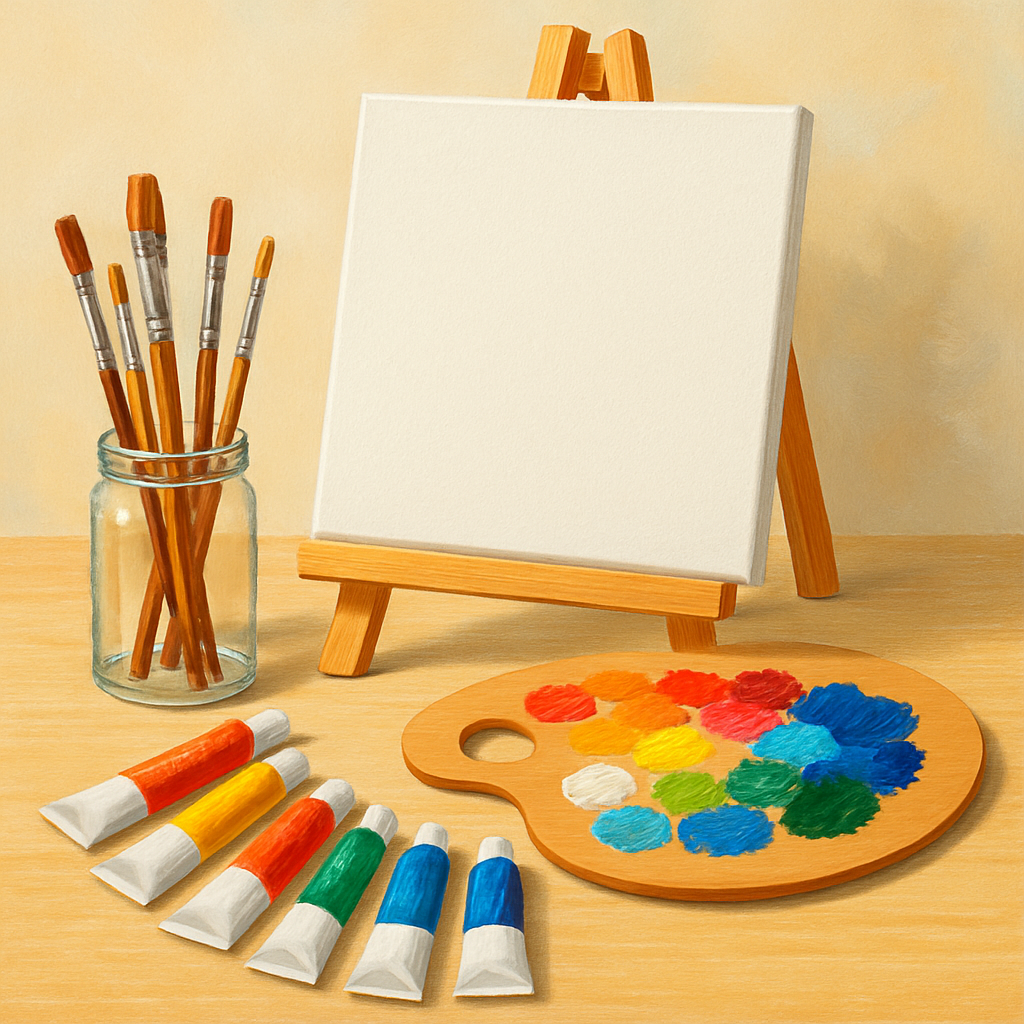
First things first: acrylic paint is versatile, fast-drying, and beginner-friendly. But the magic only happens with the right supplies. Here’s what you’ll want to gather:
- Acrylic paints: Beginner sets usually come with primary colors (red, yellow, blue), plus black and white. Having these basics lets you mix a wide range of hues without overwhelming your space or wallet.
- Brushes: Invest in synthetic brushes in various shapes and sizes — flats, rounds, and filberts work great for different techniques. Synthetic ones hold acrylic paint well and are easier to clean.
- Painting surfaces: While canvases are traditional, acrylic works wonderfully on canvas boards, thick paper, or even wood panels. Experimenting helps discover what you prefer.
- Palette: You’ll need a palette to mix colors. Disposable palettes or a simple plastic plate works fine and makes cleanup a breeze.
- Water container and rags: Keep these close by for rinsing brushes and wiping excess paint. Acrylics dry quickly, so cleaning your tools often is key to long brush life.
- Easel or flat surface: Whether you use a standing easel or a tabletop setup, make sure your workspace is comfortable and has good lighting because details matter.
How to Set Up Your Acrylic Painting Station
Your space doesn’t have to be fancy, but a well-organized setup can make learning through online classes much easier and more fun.
Pick a spot with ample natural light if possible—this helps you see true colors and avoid eye strain. If natural light isn’t an option, invest in a daylight-balanced lamp for consistent illumination.
Arrange your materials within arm’s reach so you’re not distracted hunting for paint tubes or brushes mid-session. Keep your water, palette, and paper towels handy to stay efficient.
If you’re working from a laptop or tablet during your online acrylic painting classes, set your device at eye level so you can easily follow tutorials without craning your neck.
Quick Tips to Make Your Setup Beginner-Friendly
Don’t overwhelm yourself with an extensive supply list or a complex workspace. You can expand tools as your skills grow.
Consider starting with a limited palette — this encourages creativity and color understanding without intimidation.
And here’s a pro move: reserve a separate container for dirty water, so you don’t muddy your fresh paint or brushes accidentally.
Have you thought about how to protect your workspace? Cover surfaces with newspaper or a plastic sheet to keep cleaning simple and stress-free.
With your materials gathered and your space organized, you’re ready to absorb all the knowledge flowing through your online acrylic painting classes. This foundation makes learning far more enjoyable and productive.
Where to Find Quality Acrylic Paints and Tools
Wondering where to buy your supplies? Local art stores often have starter kits designed for beginners, which can be budget-friendly and reliable.
If you prefer shopping online, reputable stores like Blick Art Materials offer wide selections with detailed descriptions and customer reviews to help you choose.
Also, exploring Jackson’s Art Supplies online can introduce you to quality brands and handy accessory bundles tailored for new acrylic painters.
Ready to get started on your creative adventure? Mastering your materials and setup is the first step that will pay off all through your learning process, especially when paired with well-structured online courses like those available at CreativiU.
Step 2: Finding the Right Online Acrylic Painting Classes for Beginners
Now that your materials and workspace are prepped, you’re probably wondering: how do I find the *right* online acrylic painting classes for beginners that truly fit my learning style and goals?
Well, it’s not just about picking any course off the shelf. With so many options out there, knowing how to choose the best one can save you both time and frustration.
Identify Your Learning Preferences
First, think about how you learn best. Do you love following a structured curriculum with clear step-by-step lessons? Or would you rather explore through project-based tutorials at your own pace?
Some courses focus on comprehensive fundamentals—covering everything from color theory to brush techniques—while others dive straight into specific projects like landscapes or portraits.
Knowing what excites and motivates you will guide your search.
Look for Courses with Experienced Instructors and Positive Feedback
Experience matters. Classes led by seasoned acrylic painters who explain techniques clearly can dramatically accelerate your progress.
For example, highly regarded programs such as these online acrylic painting courses often earn praise for their expert instruction and well-structured content.
Don’t forget to read student reviews and testimonials. They offer insights into how helpful and accessible the course really is.
Check Course Content and Format
Does the course cover the fundamentals you need? Common beginner topics include brush handling, layering, blending, and basic color mixing.
Also, consider the format: Are videos high-quality and easy to follow? Is there supplementary material like PDFs or live Q&A sessions? Interaction can help keep you engaged.
Assess Flexibility and Accessibility
Life can get busy, so find classes that fit your schedule. Look for platforms offering on-demand lessons so you can learn at your own pace.
Some online art courses even offer community forums or direct support from instructors, which can be a game-changer for motivation and feedback.
This balance between *flexibility* and *support* is key when you’re just starting out.
Curious how others navigated this? Many beginners recommend platforms that not only teach acrylic techniques but bolster creativity and confidence.
And hey, if you want to explore a resource geared towards nurturing creativity while giving you solid skills, check out our comprehensive guide to acquiring artistic skill. It’s packed with practical advice on mastering new crafts.
Ready for a quick look at some standout options? Skillshare offers the popular Acrylic Painting Masterclass that covers diverse techniques, from color mixing to landscape painting. It’s perfect if you want step-by-step guidance from an experienced artist.
Similarly, Udemy’s Acrylic Painting for Beginners course dives deep into essential skills like brushwork and perspective with over 30 lessons—ideal if you like project-based learning.
Trust Your Instincts But Be Prepared to Experiment
Don’t worry if the first class you try doesn’t feel like the perfect fit. Like painting itself, learning is a journey. Some beginners find they excel with detailed, structured courses, while others thrive on creative freedom and mixing different styles of instruction.
Try watching sample videos or free lessons when possible to get a feel for the instructor’s style and the class setup.
Keep in mind that a supportive learning community—like the one at CreativiU—can make a huge difference in staying motivated and inspired.
So, what’s your next step?
Start by listing your learning goals and preferences, explore courses that align with those, and dive in confidently knowing you’re building a strong foundation for your acrylic painting adventure.
Step 3: Essential Acrylic Painting Techniques Every Beginner Should Learn
Ready to get your hands colorful and your brushes moving? Mastering a few essential acrylic painting techniques can turn your creative ideas into vibrant reality. Whether you’re prepping for your first online acrylic painting classes for beginners or looking to sharpen your foundational skills, these techniques will set you up for success.
1. Understanding Brushwork: From Basic Strokes to Texture
Brushwork is like learning the alphabet of acrylic painting — once you know how to use a brush, you can start writing your own visual stories. Begin with practicing basic strokes: flat, filbert, round, and fan brushes each create distinct marks. Try making long, smooth lines with a flat brush and then experiment with dabbing or stippling using a round brush to create interesting textures.
Don’t shy away from overlapping strokes to build up layers. This layering technique is crucial in acrylics because the fast-drying nature of the paint lets you work quickly without muddying colors. Watching tutorials such as the step-by-step demonstrations available here on acrylic brushwork basics can offer valuable visual guidance.
2. Mastering Color Mixing and Blending
Color mixing might seem tricky at first, but it’s one of the most rewarding skills to develop. Start by getting familiar with the color wheel basics — complementary colors, warm and cool tones, and how to create shades and tints with black or white.
In acrylic painting, blending wet colors directly on the canvas can be challenging due to rapid drying times. A handy trick is to use slower-drying mediums or blend colors on your palette before applying. You’ll find plenty of advice on mixing techniques in various online resources designed specifically for beginners.
Curious how professionals blend smoothly without muddying colors? Check out this detailed video on acrylic color blending techniques that breaks down the process into simple, manageable steps.
3. Layering and Glazing: Building Depth Step-by-Step
One of acrylic paint’s best features is its versatility in layering. You can apply transparent glazes to add depth and luminosity or thicker, opaque layers to create texture and dimension.
Layering lets you start with a base color or underpainting and gradually build complexity with subsequent coats. Glazing involves diluting acrylics with glazing medium or water to create transparent layers — perfect for subtle shadows and glowing highlights.
Remember, patience pays off here. Allow each layer to dry completely before adding the next to avoid unwanted mixing. This technique is essential for creating realistic effects and capturing light and shadow — a skill every beginner should have in their toolkit.
4. Dry Brushing and Scumbling: Adding Expressive Texture
Want to add some expressive flair or emulate textures like wood grain, fabric, or rough stone? Dry brushing and scumbling are your go-to techniques.
Dry brushing means lightly dragging a nearly dry brush with minimal paint across the canvas, letting the texture of the surface peek through. Scumbling goes a step further by using a scrubbing motion to break up color application, creating a soft, erratic texture that adds interest and depth.
These techniques are fantastic for enhancing landscapes or abstract pieces, and you can explore their nuances with focused lessons in many online acrylic painting classes for beginners that emphasize texture methods.
5. Palette Knife Painting: Creating Bold, Vibrant Effects
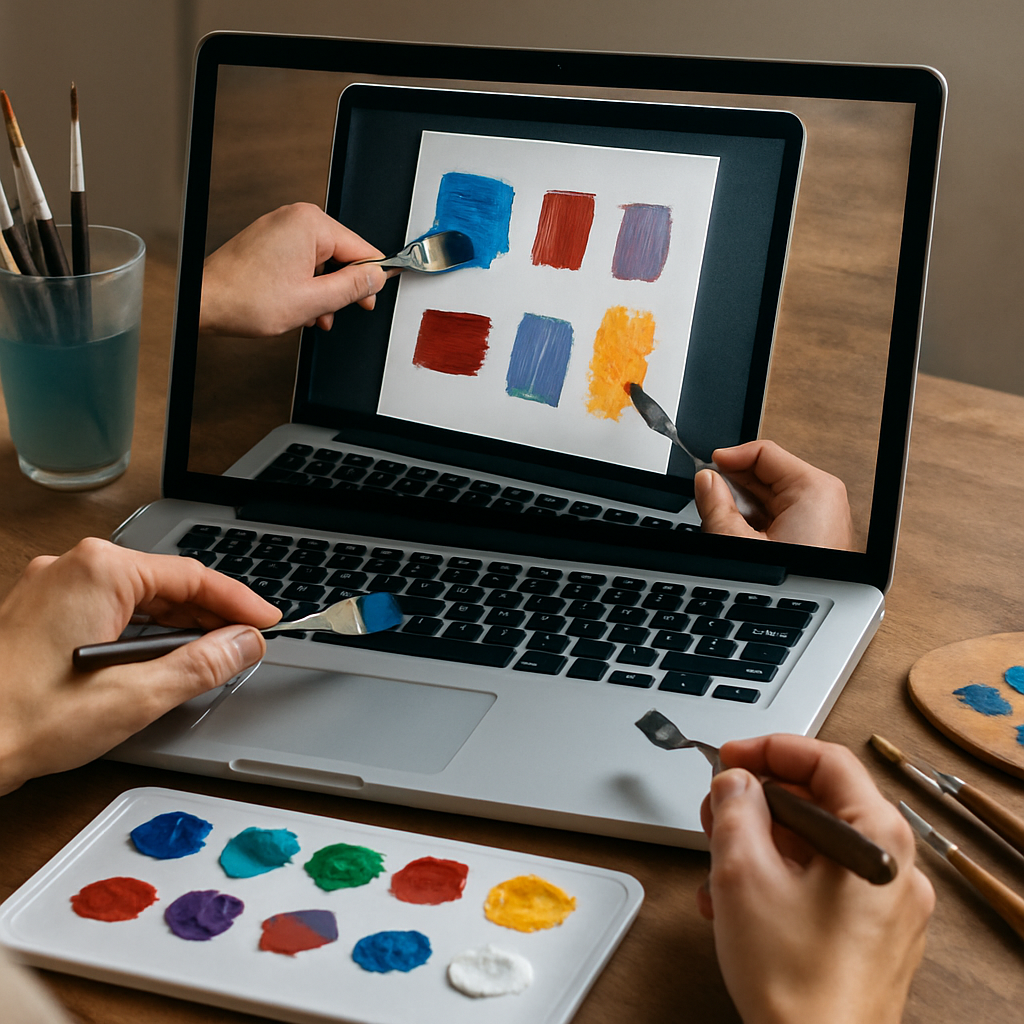
If you’re looking to break free from brushes, palette knives offer a dynamic way to apply paint in thick, impasto layers. Using a palette knife can add sharp edges, defined shapes, and stunning textures that a brush simply can’t achieve.
This technique encourages bolder experimentation and can be especially appealing if you enjoy impressionistic or abstract painting styles. It’s worth trying early on to see how texture and layering interact differently with your paint.
So, what should you focus on first?
Start by exploring brushwork and color mixing — those are your foundation stones. Once you feel confident, dive into layering, glazing, and experiment with dry brushing for texture. Don’t be afraid to mix in palette knife experiments after you’ve gotten comfortable.
Learning these techniques doesn’t have to be overwhelming. Online classes designed for beginners provide structured ways to practice each skill progressively, often with guided projects that keep things fun and achievable.
Ready to build your skill set and create your own masterpieces? These essential acrylic painting techniques are your best friends on your creative journey. Remember, every great artist started exactly where you are — with curiosity, patience, and a willingness to play.
Step 4: Tips for Practicing and Improving Your Acrylic Painting Skills Online
Getting started with acrylic paints can feel exhilarating and overwhelming all at once. But how do you go from dabbling to truly improving through online acrylic painting classes for beginners? Let’s break it down so your practice time feels productive and inspiring.
Set Up a Regular Practice Routine That Fits You
Consistency is key. Scheduling regular acrylic painting sessions—even short ones—makes a huge difference. You don’t need to commit hours a day; even 30 minutes, three or four times a week will help you steadily build skills. The trick is making your practice part of your weekly rhythm.
Wondering how to stay motivated? Join the community forums or groups attached to your course. Sharing your progress and challenges encourages accountability and offers fresh perspectives.
Focus on One Technique at a Time
It can be tempting to learn a bunch of new techniques at once—dry brushing, glazing, palette knife work—but this often leads to frustration. Prioritize mastering foundational skills first. For example, start with basic brush handling and color mixing in your morning sessions, then gradually explore layering and texture in the afternoons or later classes.
Experimenting in bite-sized chunks allows your skills to solidify. This approach is recommended by many skilled artists as the best way to avoid feeling stuck or overwhelmed according to experienced painters.
Use Quality Materials But Don’t Overinvest Early
You don’t have to buy the most expensive paints or brushes at first. However, using student-grade paints and decent synthetic brushes will help you experience smoother blending and better control, which encourages practice. As you improve, upgrading your supplies makes sense to match your developing style.
Does investing in a variety of surfaces matter? Absolutely. Acrylics behave differently on canvas, paper, or boards. Testing your skills on multiple surfaces improves adaptability, which is something many online courses subtly encourage.
Leverage Video Tutorials and Real-Time Feedback
One huge advantage of online acrylic painting classes for beginners is access to expert instructors via live sessions or video feedback. Don’t just watch the videos—pause often, try techniques side-by-side with the tutorial, then upload your work for critique if possible.
Actually applying feedback is a game changer. CreativiU’s interactive platform, for example, supports a strong learning community that provides both expert and peer review, accelerating your progress through constructive advice and encouragement.
Practice Colour Mixing and Palette Management
Color mixing is more than just matching tones; it trains your eye to understand hues, values, and saturation. Your palette is your laboratory—arrange colors logically and clean your palette regularly to avoid muddying your colors.
Experiment with mixing small amounts before committing to your canvas. If you want to deepen your understanding of color theory in acrylics, resources like the detailed painting tips from professional artists provide insights easily applicable to acrylic mediums.
Don’t Fear Mistakes—Use Them as Learning Opportunities
Acrylic paint dries fast, so mistakes happen. Instead of starting over, ask: what can you learn here? Can you use a scraping tool, or layer over the area? Fast drying acrylics actually encourage quick decision-making and creative problem solving.
Remember, every great artist refined their technique through trial and error. Stay curious and patient with yourself—it’s part of the growth.
So, what should you do next? Pick the technique you’re most excited about, set a practice schedule, and dive into your next online acrylic painting class for beginners. With dedication, guidance, and the right mindset, your skills will flourish.
Comparison of Popular Online Acrylic Painting Classes for Beginners
If you’re ready to pick the best online acrylic painting classes for beginners, you might feel overwhelmed by all the options out there. Which ones offer the right mix of quality instruction, flexibility, and value? Let’s break down some popular choices, so you can find the perfect fit for your creative journey.
CreativiU: Where Community Meets Personalized Support
At CreativiU, the emphasis is on interactive learning combined with comprehensive, scientifically-designed courses. Unlike many other platforms, CreativiU fosters real community interaction—giving you a chance to collaborate with peers and seasoned artists alike. This setup not only boosts skill development but keeps you motivated through personalized support.
One thing that stands out is their all-access on-demand library. Whether you want to master brush strokes or explore advanced techniques, you can learn at your own pace without worrying about monthly schedules.
Realistic Acrylic’s Portrait Masterclass: Sharpen Your Realism Skills
For beginners focused on realistic portrait painting, the Realistic Acrylic Portrait Challenge stands out. Taught by a professional portrait artist, this series offers highly detailed lessons on facial features and lifelike rendering. However, it leans heavily toward realism, so if you prefer looser, more experimental styles, this might feel a bit intense.
You’ll get step-by-step videos that deeply explain traditional acrylic techniques, which is golden for learners aiming to build strong fundamentals.
Cost and Materials Considerations: What Are You Willing to Invest?
Budget often plays a critical role in choosing your next class. Some online courses require expensive supplies or specialty palettes which can add up quickly. CreativiU mitigates this with guidance on versatile, affordable materials and practical tips to reduce waste during painting sessions.
In contrast, platforms dedicated to realism painting may encourage investing in premium canvases and professional-grade paints right away to achieve that stunning finish, which could be cost-prohibitive for hobbyists.
Which Class Fits Your Learning Style and Goals?
Are you a self-paced learner who enjoys community feedback and varied project options? CreativiU offers a holistic environment designed to nurture creativity across skill levels. Or are you laser-focused on mastering portraiture with a structured, expert-led curriculum? The Realistic Acrylic masterclass is tailored for that.
Wondering about the class flexibility? CreativiU allows you to start anywhere within their course library without waiting for a scheduled session. Realistic Acrylic classes usually run as challenges with specific timelines, which can add a bit of pressure but also a strong push to complete.
| Feature | CreativiU | Realistic Acrylic Portrait Masterclass | Other Popular Classes |
|---|---|---|---|
| Course Style | On-demand library with interactive community support | Structured challenge focusing on realistic portrait techniques | Variety of styles; often fixed schedules |
| Skill Focus | All levels, creative expression, skill development | Advanced beginner to intermediate; portrait realism | Varies: basics to advanced in various acrylic styles |
| Cost Considerations | Affordable supplies recommendations; pay-per-subscription model | May require premium materials; challenge-based fees | Ranges widely; some require expensive materials |
| Flexibility | Start anytime; learn at your own pace | Scheduled challenges; fixed timelines | Depends on platform; often less flexible |
| Community & Support | Strong; peer interaction and expert guidance | Limited to challenge participants | Varies; some with forums and feedback |
So, how do you choose? Think about what motivates you most—do you thrive with deadlines or prefer the freedom to explore? Do you want a broad artistic community or a targeted workshop to finesse a specific skill?
Before jumping in, consider exploring free introductory videos or trial lessons many platforms offer. This approach will give you a taste without commitment.
Still curious? Dive deeper into what makes acrylic painting fun and accessible by checking out resources like the detailed advice on painting facial features at Realistic Acrylic’s Portrait Challenge. To get ideas on managing painting costs and supplies, the Nature Studio’s insights on affordable art hobbies offer surprisingly practical tips that relate well to acrylics too.
Choosing the right online acrylic painting class for beginners isn’t about finding the “best” out there—it’s about finding what clicks with your style, budget, and goals so you can keep enjoying your artistic growth every stroke of the way.
Conclusion
Choosing the right online acrylic painting classes for beginners isn’t about finding the fanciest or most expensive option. It’s about discovering what fits your style, schedule, and goals so you can truly enjoy the journey of creative growth.
Think about what motivates you more—do you do better with deadlines that push you forward, or do you prefer the freedom to explore at your own pace? Are you looking for a lively community to bounce ideas off of, or a focused, expert-led course that hones specific skills?
Don’t rush into commitments. Many platforms, including CreativiU, offer trial lessons and samples, letting you test-drive the class before fully diving in. This way, you get a real feel for the teaching style and course structure without the pressure.
Remember, it’s perfectly okay to try different formats—workshops, subscriptions, or challenge-based learning—to see what sticks. The key is staying curious and consistent. That’s how your skills will blossom.
So, are you ready to pick up that brush and start painting your story? With the right resources and community behind you, your artistic journey can be both fulfilling and fun every single step of the way.
Let your creativity flow and keep experimenting—your next masterpiece is just a stroke away!
Frequently Asked Questions
What supplies do I need to start online acrylic painting classes for beginners?
Starting your acrylic journey doesn’t require a mountain of gear. At a minimum, you’ll want basic acrylic paints, a variety of brushes, a palette, canvas or acrylic paper, and some water containers. Many beginner courses provide supply lists beforehand, so you can shop smart and avoid unnecessary purchases.
Don’t worry if you don’t have fancy brushes or paints right away. Quality matters, but as a beginner, it’s more important to get comfortable with the basics and develop your style first.
Can I really learn acrylic painting effectively through an online course?
Absolutely. Online acrylic painting classes for beginners have evolved a lot, making high-quality instruction accessible from your home. With video demos, step-by-step guides, and interactive feedback, you get a pretty close experience to in-person learning.
Plus, platforms like CreativiU often have vibrant communities and expert support, so you can ask questions and share your work, which is crucial for growth.
What if I fall behind or can’t finish a lesson on time?
One of the biggest perks of online courses is flexibility. You get to set your own pace—whether that means taking it slow on weekends or tackling lessons in bursts after work. There’s no pressure to keep up with anyone but yourself.
If you get stuck, revisiting video lessons or asking for help in the course community can be a huge time-saver. Think of it as a creative marathon, not a sprint.
How do I choose the best online acrylic painting class for my skill level?
Look for courses specifically labeled for beginners—these will cover foundational techniques without overwhelming you. Pay attention to sample lessons or trials, which many platforms offer. Try different teaching styles until something clicks.
Also, consider what kind of projects excite you. Are you into landscapes, abstracts, or still life? A class that aligns with your interests can keep motivation high and make the experience much more enjoyable.
Will online acrylic painting classes help me develop my unique style?
Definitely! While beginner classes focus on fundamentals, many also encourage experimentation and personal expression early on. Seeing different approaches teaches you what resonates with your creative voice.
As you progress, you’ll find yourself blending techniques and themes, which is where your unique style truly emerges. Online communities can be great for sharing your evolution and getting feedback that pushes your art further.
How can I stay motivated throughout the course?
Setting small, achievable goals works wonders. Maybe finish one project a week or learn a new technique each lesson. Celebrate your progress, no matter how tiny.
Joining a course with an active community, like CreativiU’s, keeps you connected. Sharing your work, getting inspired by peers, and participating in creative challenges can turn painting from a solo task into an exciting journey.
Is it possible to monetize skills learned from online acrylic painting classes?
Yes! Many artists begin as hobbyists and grow into entrepreneurs by selling originals, prints, or commissions. The key is consistent practice and building a portfolio.
Once comfortable, consider showcasing your work on platforms tailored for artists or even offering commissioned paintings locally or online. Some online courses even offer tips to help you navigate the business side of art.
Remember, it all starts with a single brushstroke. Ready to paint your path?
Leave a Reply