Ever watched someone sit with a needle, eyes flicking between the hoop and the thread, and wondered if you could do it too? You’re not alone. The world of embroidery is growing fast, especially online, where beginners can jump in from the comfort of their living room. The first hurdle? Knowing where to start and what to expect.
Imagine a class that walks you through setting up your hoop, choosing the right thread, and pulling the first stitch without the fear of “what if it breaks?” That’s exactly what a solid beginner course offers: a clear roadmap, hands‑on projects, and community feedback so you can tweak your technique as you go.
In our experience, the best online programs pair concise video lessons with downloadable pattern sheets that you can practice on. We’ve seen hobbyists who once struggled with a single chain stitch go from shaky hands to a smooth satin finish in just a week. That transformation happens because the lessons are paced for learning, not perfection.
If you’re new, start small: pick a simple motif, maybe a flower or a border, and let each class build on the last. Many platforms give you a “starter kit” recommendation—threads in muted tones, a light hoop, and a beginner’s needle—so you can focus on stitch flow, not material choices.
But we don’t stop at stitches. A great beginner class also teaches you how to read a pattern, how to count rows, and how to troubleshoot common pitfalls like uneven tension or thread breakage. These skills are the backbone of any embroidery project, whether you’re making a gift or launching your own line of custom accessories.
And if you’re sketching patterns first, our guide on best paper for charcoal drawing will help you choose the right canvas for your designs.
So, ready to pull up a seat in an online embroidery class? Dive into our Online Embroidery Classes for Beginners: A Step-by-Step Guide to Start Stitching Today and start stitching confidence in just a few lessons.
It’s not about how fast you can stitch; it’s about building a habit that turns a hobby into a creative outlet you’ll love.
TL;DR
Embroidery beginners can jump into online classes, mastering stitch basics, reading patterns, and building confidence—no more guessing, just guided practice. With CreativiU’s step‑by‑step videos, downloadable templates, and community feedback, you’ll create polished projects while discovering your own creative voice, turning a hobby into a profitable side hustle or personal joy.
Step 1: Choosing the Right Embroidery Machine for Beginners
Ever feel like the idea of a needle and thread is a puzzle you’re not ready to crack? That’s the first time we all’ve been there.
Choosing your first embroidery machine feels like picking a new pet: you want something friendly, low maintenance, and ready to grow with you.
Before you jump on the bandwagon, weigh five things: price, embroidery field size, pre‑loaded patterns, hoop variety, and how easy it is to transfer your own designs.
If you’re a pure‑hand embroidery fan, a single‑needle machine like the Brother PE535 is a solid starter. If you want to sew and embroider, a combo machine gives you more bang for your buck.
Take Alex, a mom who turned her 5‑minute coffee breaks into custom tote bags. He started with a 4″×4″ PE535, learned the basics in a week, and now sells the bags on Etsy.
Then there’s Maya, a boutique owner who needed embroidered logos for her clothing line. She invested in a Brother SE1900 combo, which lets her stitch a logo on a shirt in under an hour and then sew the garment with the same machine.
If the only thing on your mind is budget, check out the Uten 2685A. It’s under $200, has a 4″×4″ field, and still gives you 70 built‑in designs. Uten 2685A
Remember, the most expensive model isn’t always the best fit. In our experience, a mid‑range machine with a good hoop and automatic thread trimming often outperforms a pricey, feature‑heavy machine you’ll barely use. Sewing Machine Fun
Software matters too. Most machines accept PES or DST files. If you’re a DIY designer, learning to digitize in free tools like Ink/Stitch or commercial software can save you the cost of a pre‑loaded library.
Jump‑stitch trimming is a game changer. Without it, you’ll see long, dangling threads after each color change. The PE535 trims automatically, while the Uten 2685A only trims at the end of each thread color.
And don’t forget support. A machine from a reputable dealer often comes with a free trial class. If you’re new, pairing that with an online course from CreativiU gives you instant practice and community feedback.
So, what’s next? Pick the machine that matches your project size and budget, get the starter kit, and then dive into an online embroidery class to master the hoop.
Here’s a quick visual guide.
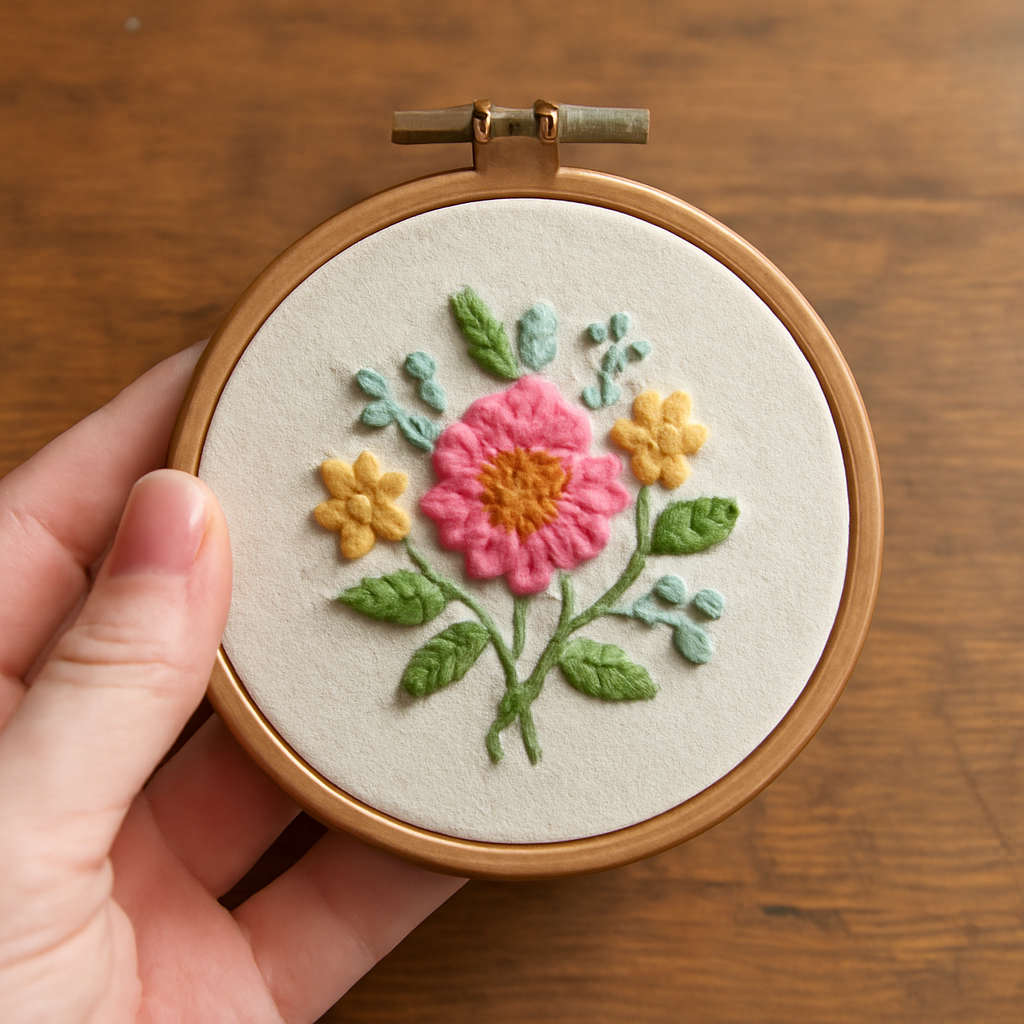
Once you’ve got the machine, your next step is to practice a simple flower design. Load the built‑in pattern, set the hoop to 4″, and follow the step‑by‑step video in your class. The more stitches you do, the faster your confidence grows.
Before you hit the buy button, jot down a quick checklist: 1) Do you need a 6″ or 10″ hoop for larger projects? 2) How many built‑in designs does the machine have? 3) Does it trim jump stitches automatically? 4) Is there a USB or Wi‑Fi port for easy design transfer? 5) What’s the warranty and local support like? Answering these will keep surprises at bay and make your first embroidery session a smooth stitch‑out.
With a machine that’s right for you, the rest feels like a dance—just the right rhythm and the right stitches.
Step 2: Selecting a Reliable Online Embroidery Platform
So, you’ve picked your machine, and the hoop feels like an old friend. Now, the real question: how do you find an online class that actually matches the gear you’ve got? It’s a bit like matching shoes to a dress—wrong pair and you’ll feel uncomfortable from the start.
First, map your machine to the platform. Every course on the market expects a certain software format. If your machine only speaks PES, look for a class that offers PES files or a built‑in conversion tool. If it’s a newer model that can read DST or JEF, you’re already ahead.
Next, check the support stack. A solid platform will give you a live chat window, a community forum, and a “help you figure it out” checklist. We’ve seen beginners get flustered when they hit a “file not recognized” error and have no one to ask. A quick screenshot in the forum can turn a two‑hour panic into a ten‑minute fix.
Now let’s talk curriculum depth. A good beginner course starts with the fundamentals—how to hoop, basic stitches, and how to read a pattern—then gradually introduces digitizing and custom design. A platform that offers downloadable PDFs, video demonstrations, and printable templates gives you hands‑on practice without the “guess what I need next” feeling.
But it’s not just about content; it’s about delivery. Look for classes that break lessons into bite‑sized chunks—ideally 5‑10 minute videos—followed by a short quiz or quick project. The goal is to let you pause, rewind, and practice before moving on.
Here’s a quick checklist you can run through while you’re browsing:
- Does the platform provide a free trial or sample lesson?
- Are there student forums or a mentorship option?
- Can I export my finished designs to the same machine I own?
- What is the refund policy if the course doesn’t meet my needs?
These questions might feel a bit dry, but trust me—they’ll save you a lot of frustration later.
Now, let’s bring a real‑world example into play. Picture Maya, a boutique owner who needed a quick way to add embroidered logos to her shirts. She was already using a Brother SE1900 combo. She signed up for a platform that offered a step‑by‑step video on digitizing logos, and within 30 minutes she could upload a PNG and get a ready‑to‑stitch file. The next day, she shipped her first batch of embroidered tees.
That’s the kind of efficiency you want. The key is finding a platform that lets you move from the first stitch to the finished product without stepping on too many learning curves. If a course feels like a maze, you’ll probably get stuck and lose momentum.
Here’s a quick tip: look for a “starter kit” package that bundles a few patterns, a video series, and a PDF cheat sheet. Those kits often come from courses that have been tested by dozens of beginners.
Now, if you’re curious about how to get the most out of a course, this guide might be handy: Mastering Your Craft: A Complete Resource for Online Embroidery Classes for Beginners.
Don’t forget software support. The Practical Textile website offers a helpful article on embroidery software for beginners that explains which file types pair with which machines. A quick read can save you from downloading the wrong files.
We’re not just talking about technicalities, though. The best platforms also teach you how to choose the right thread for your project—cotton for casual, polyester for waterproofing, and so on. They often provide a thread color chart that aligns with your machine’s library.
Another angle is community. If a class has an active Facebook group or Discord channel, you can share progress, get feedback, and even swap pattern files. The sense of camaraderie can keep you going when a project stalls.
Let’s address a common fear: “What if I get stuck and can’t get help?” Many platforms offer a one‑on‑one live coaching session, sometimes even free for the first 10 minutes. If that’s a deal‑breaker for you, look for a platform that has a responsive email support or a ticketing system.
For those who want to monetize, a platform that includes a “ready‑to‑sell” design pack can be a game‑changer. You can sell the design files on Etsy or your own shop, giving you a revenue stream without the time cost of creating from scratch.
Now, let’s bring another real‑world example. There’s a mom who used her embroidery hobby to create custom baby blankets. She started with a platform that offered a “nursery” theme class. The course taught her how to stitch simple motifs and how to use hypoallergenic thread. The result? She launched a small online shop and sold her first blanket before the baby’s third birthday.
Back to the practical side: once you’ve picked a platform, test it out. If you can, enroll in a free demo or watch the preview videos. Pay attention to how the instructor explains technical terms and whether the pacing feels natural. A good instructor will ask you to pause and practice, not just keep going.
And remember—if you’re thinking about adding accessories to your embroidered projects, you might want a quick refresher on how to attach clasps. For a quick guide that covers all the types of bracelet clasps, check out this comprehensive guide on bracelet clasps.
Bottom line: selecting the right online embroidery platform is as much about the learning environment as it is about the technical fit. Keep the checklist handy, test the platform, and see how the community vibes. Once you’re comfortable, you’ll be stitching with confidence, not just following a recipe.
Step 3: Mastering Basic Stitch Types
Before you dive into the digital side, it helps to know the hand‑stitches that build every design. Think of them as the alphabet of embroidery – once you can write them, you can create any sentence.
In the next few minutes, we’ll walk through the five stitches you’ll keep returning to, the quickest ways to practice, and a tiny hack that turns a shaky start into a confident finish.
Chain Stitch
Start by pulling the needle up at your chosen spot. Drop it about a quarter‑inch to the right, lift again, and bring the thread back over the loop you just made. That simple loop is the chain stitch. It’s great for borders, outlines, and even tiny polka dots if you keep the spacing tight.
Tip: If the thread keeps slipping, use a slightly thicker yarn or add a tiny bit of thread tension by pulling the tail gently as you go.
Satin Stitch
For a smooth, raised surface, lay the thread flat against the fabric, then bring it up a short distance, and pull it straight down into the same spot. Repeat this in a straight line. The result looks like a satin‑finished stripe that feels silky to the touch.
Practice: Try stitching a small rectangle and then fill it in. Once you’re comfortable, try a flower petal or a leaf shape.
Backstitch
Backstitch is the backbone of any design. Insert the needle up, pull through to the next point, then pull the thread back towards the first point without letting the needle hit the fabric. Repeat the pattern. It produces a neat line that’s perfect for outlines and lettering.
Pro tip: Keep the needle’s path consistent. If you’re tracing a pattern, a steady rhythm helps avoid uneven lines.
Cross Stitch
Cross stitch is like a tiny X that covers a square. Bring the needle up at one corner of the square, bring it down at the opposite corner, and then do the reverse. Two crossing stitches create a single dot. Repeat across the canvas. It’s excellent for detailed patterns and quick color changes.
Quick exercise: Stitch a 4×4 grid of cross stitches on a small square of fabric. Notice how the color can change mid‑grid without disrupting the flow.
French Knot
The French knot is your go‑to for tiny, textured accents. Wrap the thread around the needle twice, then pull the needle up through the loop you just made, and pull the thread tight. It’s perfect for tiny dots on a star or the tip of a leaf.
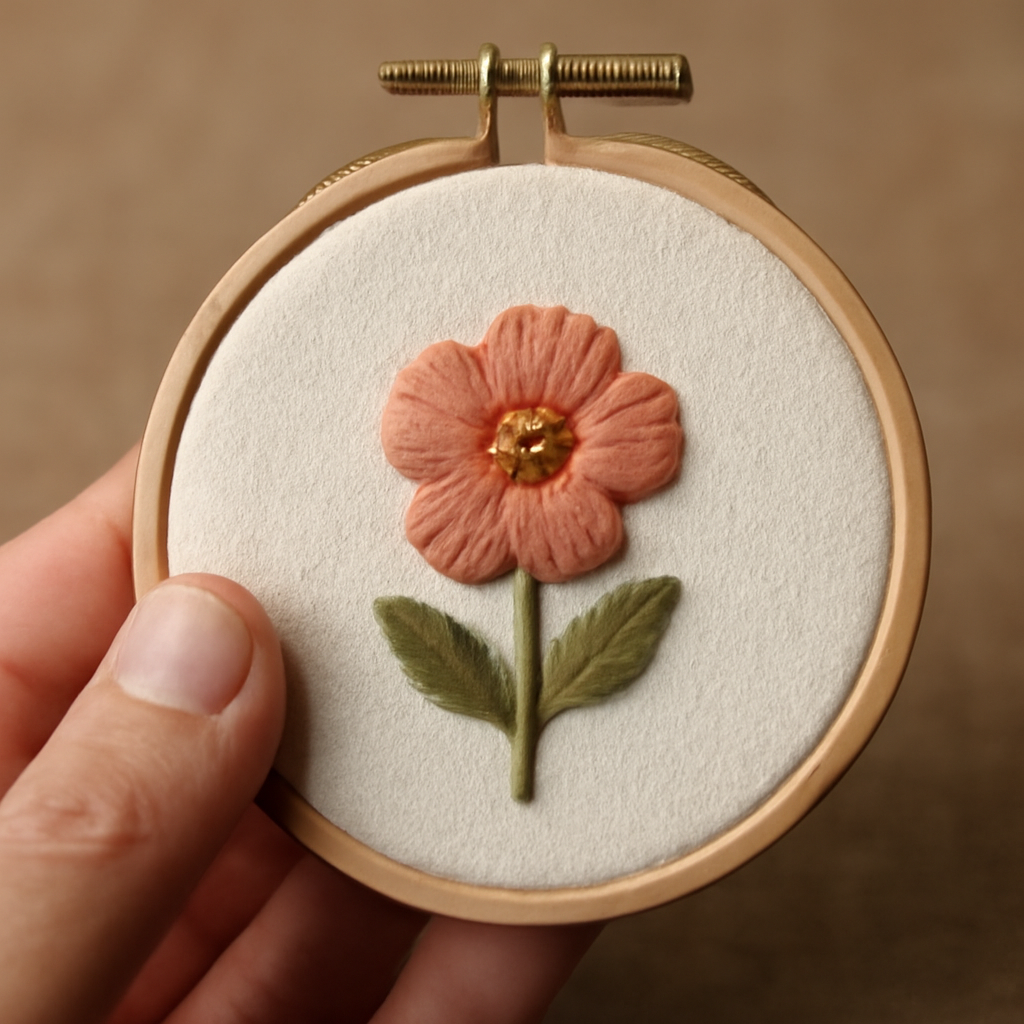
When you’re ready, combine these stitches in a simple design – like a flower with chain stitch petals, satin stems, backstitch outlines, cross‑stitch center, and French‑knot tips.
Want to see a visual breakdown? Check out DIY Joy’s basic stitches guide for step‑by‑step videos and diagrams that make each stitch feel like second nature.
Here’s a quick checklist you can use after each practice session:
- Did I keep the stitch length consistent?
- Was my tension smooth or did I pull too hard?
- Did I finish with a knot or weave on the back to secure the work?
- Can I replicate the same stitch pattern in a different area?
Remember, mastery comes from repetition. Aim for 10 minutes of focused stitching each day. It’s a small habit that builds muscle memory faster than you think.
Step 4: Practice Projects for Beginners
Ready to put those stitches to work? The best way to turn shaky practice into muscle memory is to tackle little projects that let you play with every stitch type you’ve learned.
Think of each project as a mini‑masterclass: a flower for chain stitch, a simple border for satin, a tiny monogram for backstitch. The idea is to keep the canvas small, the goal clear, and the finish satisfying.
Here’s a quick recipe you can follow in under an hour.
1. Start with a “Stitch Sampler”
A sampler is basically a grid where each square shows one stitch. It’s a safety net—if one stitch feels wobbly, you can swap it for the next one.
Grab a cheap hoop, a few yards of white thread, and a needle that’s just the right size for your fabric. Then, lay out a 4×4 grid on a piece of muslin or canvas.
Use the table below to decide which stitch goes in which square.
| Square | Stitch | Tip |
|---|---|---|
| 1 | Chain | Keep loops tight for a crisp edge. |
| 2 | Satin | Lay the thread flat before pulling through. |
| 3 | Backstitch | Hold the needle steady to avoid gaps. |
| 4 | Cross‑stitch | Align your square grid to avoid crooked Xs. |
| 5 | French Knot | Wrap twice for a pop. |
When you finish, you’ll have a visual map of how each stitch behaves on the same fabric. That’s gold for the next project.
2. Build a “Flower Kit”
Pick a single color and a simple petal shape. Use chain stitch for the outline, satin for the belly, and a French knot at the tip.
Ask yourself: what’s the most fun way to keep tension even? Try using a small bead as a tension marker—pin it to the back of the hoop and thread over it every few stitches.
When you’re done, compare the result to the sampler. Notice how the satin feels smoother when you lay the thread flat.
3. Design a “Monogram Border”
Take a plain scarf, a pair of leggings, or a tote bag. Write your initials in block letters on a paper template. Flip it over, lay it on your fabric, and use a fabric pen to trace the outline.
Now, backstitch the letters. When the letter ends, make a tiny satin loop to link the next letter. The loop keeps the border continuous without a visible seam.
Bonus: after finishing the border, give it a quick chain stitch border of your own design to practice blending stitch types.
4. Try a “Seasonal Motif”
Pick a holiday or season—say, a snowflake for winter or a sunflower for summer. Use the sampler as a reference for each element: small cross‑stitches for the snowflake’s arms, satin for the snowflakes’ core.
Remember the rule of thumb: start with the darkest color, then lighter shades. This way, the lighter threads sit on top, making the design pop.
5. Record Your Progress
Snap a photo after each project. Store them in a folder called “Stitch Diary.” A few weeks from now, you’ll see how your line tension, stitch length, and confidence have evolved.
Ask yourself: “What did I struggle with today?” Write a short note beside the photo. The notes become a personal cheat sheet for future projects.
So, what’s next? Take the flower kit you just finished and replicate it on a different fabric—cotton, linen, or even a small canvas tote. The practice of transferring to new materials builds your adaptability and keeps the learning fresh.
Feeling stuck? Remember that every master was once a beginner who kept a journal of small wins. That’s the power of practice projects—each one is a stepping stone, not a milestone.
For a deeper dive into beginner embroidery ideas, check out this article that breaks down simple projects and offers a playful approach: Embroidery ideas for beginners.
Step 5: Joining Online Embroidery Communities
After you’ve nailed a few stitches, the next big leap is stepping into a community where the conversation is always about thread, hoops, and the sweet satisfaction of a finished design. It feels almost like a secret club – a place where you can ask a question, get instant feedback, and see what everyone else is stitching.
Why a Community Matters
Think about that first time you tried a new recipe. You probably Googled a few videos, tried a handful of variations, and then felt a little lost. A community does the same thing for embroidery, but with instant, real‑time responses. You learn from mistakes faster, discover new stitches, and get motivated to keep going.
For hobbyists looking to level up, for entrepreneurs wanting to turn a side‑hustle into a brand, or for parents who want a creative outlet to share with their kids, the community is the bridge between “I’m stuck” and “I’ve got this.”
Finding the Right Fit
Not all online groups are created equal. Here’s a quick cheat sheet to help you spot a healthy, engaged space:
- High reply rate – posts get answered within 24 hours.
- Positive, constructive tone – no toxic drama.
- Regular content – new projects, tutorials, or challenges posted weekly.
- Clear guidelines – members know how to ask for help without feeling judged.
- Active moderators – they keep the vibe friendly and on track.
Start by exploring platforms that already host craft communities: Facebook groups, Reddit subreddits, Discord servers, and even Instagram communities with dedicated hashtags. If you’re new, search for phrases like “embroidery community for beginners” or “hand embroidery support group.”
Facebook Groups
Facebook still leads the pack in community size. A search for “hand embroidery” pulls up over 200,000 members in just one group. The key is to look at the group’s engagement: how many posts per day, how many members interact.
The r/embroidery subreddit has a tight‑knit vibe. Members post step‑by‑step photos, ask for stitch‑specific help, and share project ideas. The “Ask Me Anything” threads from experienced stitchers are gold nuggets of advice.
Discord
Discord has grown into a hub for niche hobbyists. Look for servers labeled “Embroidery & Needlework” – they often have dedicated channels for beginners, technique tips, and a showcase channel where you can drop a photo of your latest piece. The real‑time chat means you get instant feedback.
Once you pick a platform, dive in. Introduce yourself, share a quick photo of your first stitch, and ask for one piece of advice. Most communities will welcome newcomers with a friendly welcome thread.
Making the Most of the Community
Here are three ways to turn passive membership into active growth:
- Participate in challenges. Many groups host weekly design challenges—pick a theme, stitch it, and share.
- Offer help. When someone posts a question, try to answer. Even a simple “Check your tension” note can earn you kudos and cement your reputation.
- Track progress. Use the community’s shared resources like “Stitch Diary” threads where you post before‑and‑after photos. It’s a visual motivation loop.
Remember the power of a supportive network. In a thread, a stitcher might say “I broke my needle while working the satin stitch.” Another member might reply, “Try a sharper needle, like a size 11/0.5.” That single suggestion can save you hours of frustration.
Beyond Threads: Local Meets Virtual
While the online community is vital, don’t forget local meet‑ups or craft fairs. Many online groups organize “virtual studio” sessions where members stitch live together over Zoom. If you’re near a craft shop, you can bring your project to a local meet‑up, then share the photos back online. It bridges the gap between digital and physical creativity.
Ready to Join?
Find a group, introduce yourself, ask a question, and share a photo. Don’t wait for the perfect moment; the community will help you shape that moment into something real.
If you’re looking to deepen your learning beyond the community, explore our A Practical Guide to Online Embroidery Classes for Beginners. It’s a curated collection of courses that pair well with the peer support you’ll find online.
And as your stitches grow, consider pairing your finished pieces with local art. For instance, you might hang your embroidered tote beside a landscape print from Gratitude Studios, creating a home gallery that blends handmade and curated beauty.
Step 6: Tips for Saving Money on Embroidery Supplies
First off, let’s admit: embroidery can feel pricey when you’re just starting out. But you don’t have to break the bank.
Here’s the thing—most of the money you spend ends up in the thread aisle. Think about it: you buy a new spool for every pattern you tackle, and before you know it, your closet looks like a small thread museum.
So, what can you do to keep those spools in check? Start by reusing stabilizer scraps. A single fabric panel can give you several practice pieces.
Next, look for bulk deals on thread. Brands on major marketplaces often bundle a dozen spools for a fraction of the single‑price cost. If you’re in the habit of trying many colors, a bulk pack will save you both time and money.
Does that sound doable? It is. And if you’re not sure where to find these bundles, check out the guide on these practical money‑saving hacks—it breaks down exactly which sites and sales to watch.
Another trick is to repurpose old clothing. A worn‑out sweater or an unused curtain can become a perfect practice canvas. Just cut it to size, pin it in a hoop, and you’re ready to go. This simple swap saves you from buying new blanks every time you want to experiment.
For those who like the feel of a fresh canvas, consider buying fabric in larger yardage. A yard of plain linen or cotton is usually cheaper per square inch than buying a small square. Once you own a few yards, you can cut whatever size you need without waste.
What about the needles? They’re small, but they add up. A single needle can cost as much as a good thread spool. Instead of buying a new needle for every project, keep a couple of high‑quality needles in a small box. They’ll last through dozens of projects.
When you’re planning a big batch—say, a line of tote bags—order supplies in one go. The bulk order discounts often mean you pay less per item than if you buy each bag’s materials separately.
Do you ever get stuck on a stitch and feel like you’re wasting thread? Keep a tiny spool of thread handy for practice loops and test stitches. This way, you can troubleshoot without opening a fresh spool and wasting material.
If you want a quick visual, draft a simple spreadsheet that tracks thread spools, stabilizer, and needle costs. Each row lists the item, quantity, unit price, and total. At the end of each month, compare the projected spend with what you actually used. Seeing the numbers line up gives a real‑time reward and reminds you where you can trim costs next time.
Finally, stay in the loop with your favorite suppliers. Many brands send out newsletters announcing sales and promo codes. Sign up for those emails; a 10‑percent coupon on your first order can make a big difference over time.
Remember, the goal isn’t to skimp on quality—just to be smarter about what you buy. A little planning and a few smart habits can shave hundreds off an embroidery starter kit.

FAQ
What’s the first step to finding the right online embroidery class for a beginner?
Start by listing what you want to create—tiny monograms, tote‑bag designs, or even full‑scale blankets. Then match those goals to a course that offers beginner‑friendly modules and printable patterns. Look for classes that break lessons into 5‑10 minute segments, so you can pause, practice, and repeat without feeling rushed.
How long does it usually take to master the basic stitches taught in these classes?
Most beginners notice a solid improvement in 3–4 weeks if they set aside 10‑15 minutes daily. The classes use a “learn‑by‑doing” approach: you practice each stitch, receive instant feedback, and then move to the next. By the end of the month, you’ll stitch a simple flower with confidence and a steady rhythm.
Do I need a special machine or hoop to enroll?
Not at all. The curriculum starts with hand‑embroidery, so any fabric and a basic hoop work. If you plan to machine‑stitch later, the course covers software compatibility and file formats. This way, you can transition from hand to machine without buying new tools just to follow the lesson plan.
What if I’m stuck on a pattern or a stitch technique?
Most platforms offer a live chat or forum where you can upload a photo and get help in minutes. If you’re using a paid course, you’ll often get a direct message from the instructor. Even a quick comment like “Check your thread tension” can resolve a frustrating loop.
Can I keep the money I save on supplies while learning?
Absolutely. The classes emphasize using inexpensive, reusable stabilizers and reusing leftover thread. They also provide a printable shopping list that prioritizes bulk spools and multi‑color packs, which cut costs by up to 30% compared to buying single colors for each project.
Will I get access to community support after finishing the course?
Yes, many courses include a private group where you can share your work, ask questions, and see other beginners’ progress. The community becomes a source of real‑time feedback and inspiration—think of it as a virtual studio that keeps your motivation alive.
Is there a refund policy if the course doesn’t meet my expectations?
Most reputable platforms offer a 30‑day money‑back guarantee. If the content feels too advanced or not aligned with your goals, you can request a refund without hassle. Be sure to read the policy before enrolling so you’re protected if it isn’t the right fit.
Conclusion
So here we are, at the end of a stitch‑filled journey.
Remember that every beginner class starts with a single thread—literally and figuratively. The key is consistency, community, and a dash of curiosity.
First, keep the routine simple. Aim for ten minutes a day, and let that habit turn into muscle memory.
Second, lean on the support you’ve built. Post a photo in the forum, ask a quick question, and watch how a fellow stitcher offers a quick tweak. Those real‑time nudges can turn a stuck loop into a breakthrough.
Third, celebrate small wins. Finished a border? Share it. Tag your project on social media or in the community feed. The validation fuels the next stitch.
What’s your next move? Pick one design you want to master, set a timer, and dive in. Remember: the machine will do the math, but your hand, eye, and patience make the difference.
And if you ever feel the needle’s slipping, pause, breathe, and re‑check tension. The world of embroidery is forgiving; the only thing you’re really practicing is a mindset that loves persistence.
So stitch on, friend. The next piece you finish is yours, and it’s just a thread away.
Your creative journey has just begun.
Leave a Reply