TL;DR: Creative ideas for art are essential to fueling imagination and overcoming artist’s block. This guide presents 50 actionable ideas to kickstart and sustain your creative momentum.
Everyone knows that creative ideas for art can transform a blank canvas into a dazzling masterpiece.
But what are these ideas, exactly?
Here’s a comprehensive cheatsheet revealing 50 diverse and inspiring creative ideas for art you can try today.
Some are centered around daily and long-term challenges for sustained artistic growth.
Some blend traditional art with modern technology and mixed media.
Some involve playful projects suitable for all ages, including preschool crafts.
Some encourage deep exploration of themes, colors, and materials to build technical skills.
Some even merge words, photography, and digital techniques to expand creative horizons.
Let’s dive right in.
Why Are Creative Ideas for Art Vital for Growth?
Creative ideas serve as both fuel and framework for any artist’s journey. Without fresh inspiration, even the most passionate artists encounter stagnation. Setting flexible challenges with varied themes or constraints helps keep creativity alive and evolving.
Brian Eno captures it perfectly: “Set up a situation that presents you with something slightly beyond your reach.” This nudges artists to stretch their limits and unlock hidden potential.
Whether you prefer painting, drawing, photography, or crafting, incorporating new creative ideas can lead to unexpected discoveries and skills.
How Can Daily Art Challenges Enhance Your Creativity?
Daily art challenges establish a habit, fostering discipline and making creativity part of your routine. Long-time challenge enthusiast and facilitator of the Daisy Yellow Index-Card-a-Day highlights this approach’s power: repeated engagement builds a creative scaffold for the whole year.
These challenges don’t have to be rigid. Flexible parameters let you explore techniques, themes, and materials freely while still providing focus to prevent overwhelm.
Consider trying projects lasting a week, month, or even 365 days, like watercolor month or a 365 photo project taking daily shots of your garden.
Consistency and variety stimulate both skill development and imagination over time (Source).
Which Top 50 Creative Ideas Can You Try Today?
Here is an extensive list of creative ideas for art, each with examples and tips to get you started and inspired.
1. Create Art on Index Cards
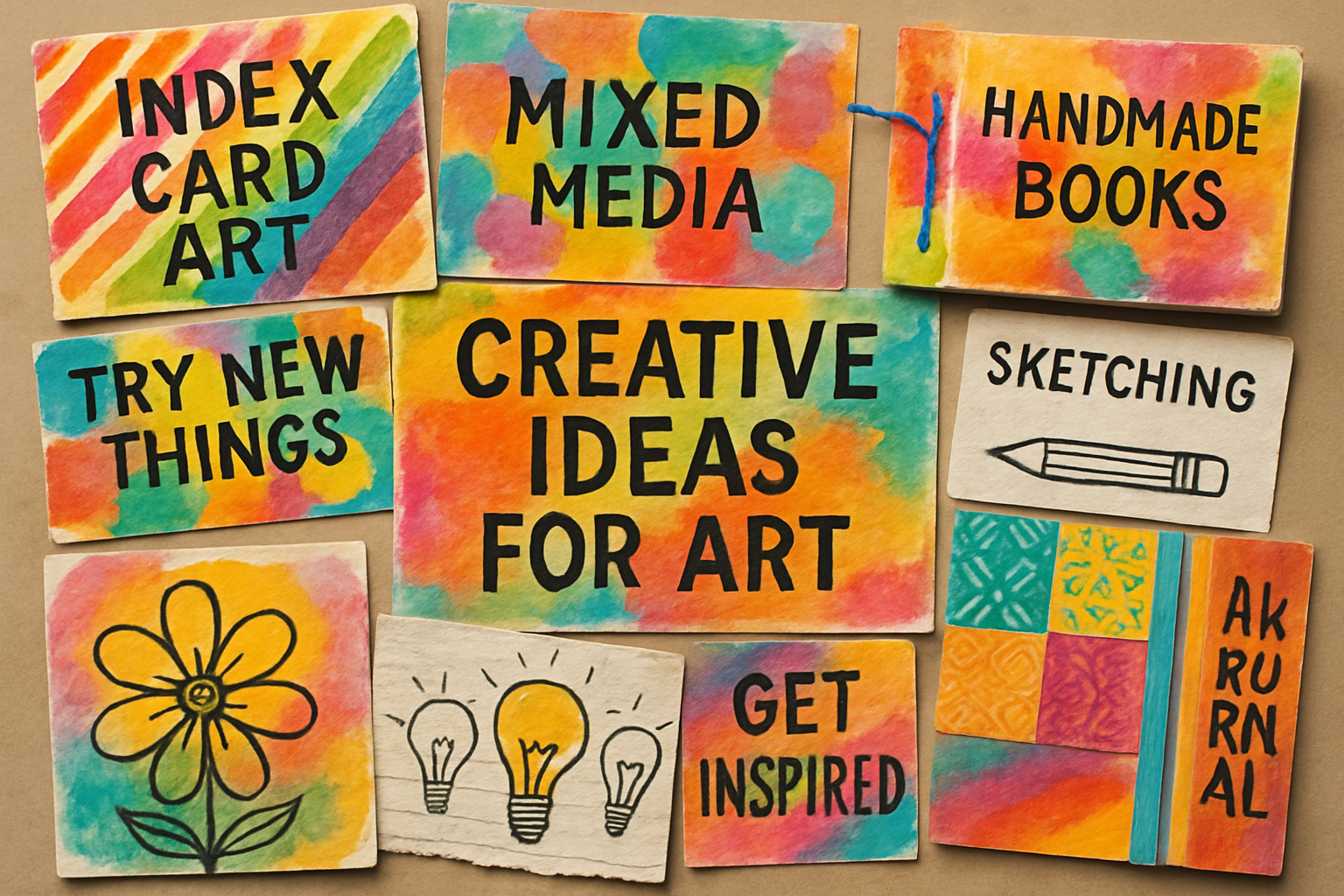
Start small with index card art — quick sketches, patterns, or mixed media collages on 3×5 inch cards. These bite-sized projects are excellent for daily practice and experimentation (Source).
2. Make Color Swatches of Every Art Material
Organize your supplies by making swatches for every pen, paint, ink, or pencil. Note brand and pigment info as a handy reference for mixing colors or selecting materials later.
3. Mix Two-Color Paint Combos and Name Each
Combine watercolors or acrylics into unique blends. Give fun names like “Cantaloupe” or “Rosemary” to personalize your palette and spark creativity.
4. Alphabet Art Challenge
Create artworks starting with each letter of the alphabet (A to Z or reverse). For example, “Avocado” inspires a green-themed piece; “Zen” might inspire minimalism and calm.
5. Themed Collages
Compose collages centered on one dominant word, color, or shape. This encourages focused exploration of motifs and visual language (Source).
6. Gelatin Printing Plates
Create DIY gelatin plates and experiment with layered gel printing to produce unique textural effects and colorful layers.
7. Monthly Medium Exploration
Dedicate each month to a different medium — watercolor one month, eraser stamp carving the next. This builds versatility and keeps boredom at bay.
8. Inchie Art Tiles
Make one-inch squares filled with doodles, ink blots, or collage bits. Collect them into mosaics or linear sequences.
9. Friendship Bracelets
Braid or bead daily segments of a bracelet. It’s tactile, soothing, and yields a wearable art piece over time.
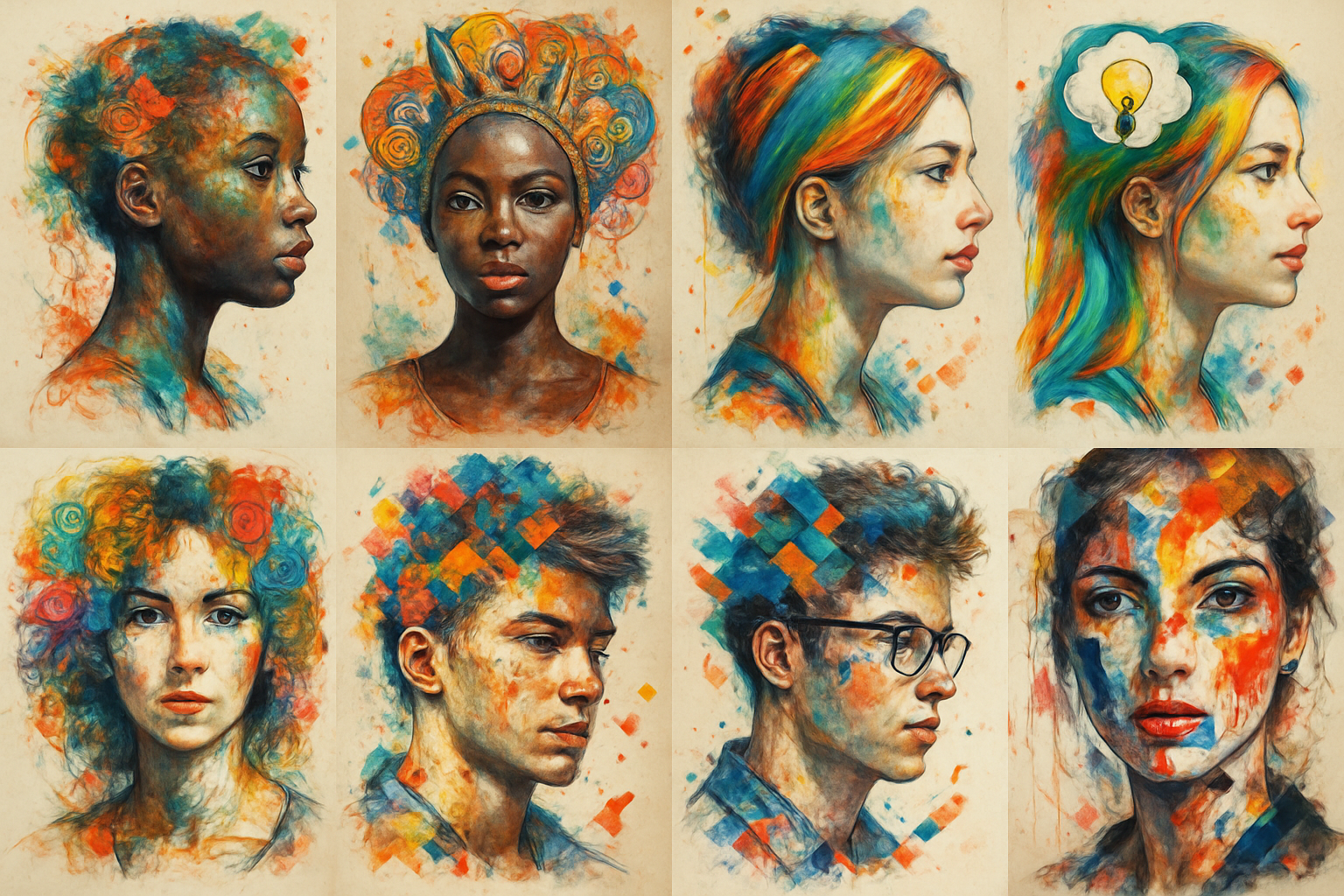
10. Mixed Media Portraits
Combine charcoal, gouache, thread, ink, and acrylic to construct textured portraits with depth and personality.
11. Image Transfers
Explore image transfer techniques using packing tape or gel medium to add layers and intrigue to your projects.
12. Paint Rainbows
Sounds simple? Use it as a calming exercise in color blending and brush control. It’s perfect for both artists and kids.
13. Incorporate Natural Elements
Use coffee, tea, herbs, and spices to add stains, textures, and aromatic elements in your art. Imagine painting with jasmine tea or espresso for unique hues.
14. Brush Mark Experiments
Test every brush you own. Try different marks, strokes, shapes, and speeds. Record the effects as a texture library.
15. Interpret Music
Draw inspiration from songs or album covers. Capture the emotions in your art journal—abstract forms, colors, or literal scenes.
16. Word Art Journaling
Combine words, phrases, and doodles for a fusion of language and imagery. It enhances narrative depth in your pieces.
17. LEGO Art Construction
Invent small LEGO designs that push your imaginative boundaries, perfect for spatial and pattern creativity.
18. Quilt or Stitch Blocks
If you enjoy fabric arts, design or stitch quilt blocks. Cross-disciplinary skills like sewing can deeply enrich your artistic repertoire.
19. Crochet Granny Squares
Engage in repetitive but creative crochet work that builds patience and color coordination skills.
20. Embroider or Knit in Short Bursts
Set small goals such as limited stitches or rows per day to keep momentum steady.
21. Garden Photography Stop Motion
Photograph the same garden spot daily. Compile into a stop motion video tracking seasonal growth.
22. Double Exposure Photography
Use DSLR or Photoshop to layer two images for surreal, innovative visuals.
23. Manual Camera Settings
Challenge yourself to shoot photos on full manual mode, learning exposure and focus intricacies.
24. Digital Patterns
Design patterns digitally for textiles, wallpapers, or online use. Use software tools to explore repetition and symmetry.
25. Interesting Object Photography
Identify and photograph unique textures or subjects—rusted metal, vintage toys, colorful glass.
26. Daily Sky Photos
Capture clouds, sunsets, or architecture against the sky from different angles.
27. Mandala Drawing
Create intricate mandalas with ink or paint to practice precision and mindfulness.
28. Blind-Contour Drawings
Draw objects or portraits without looking at the paper, improving observational skills.
29. Map Sketching
Draw real or imaginary maps to blend fantasy with spatial reasoning.
30. On-Location Drawing
Sketch in dynamic environments—the metro, beach, or park—to capture lively scenes under changing conditions.
31. Daily Object Drawing
Commit to drawing a new object each day from life to build visual memory and speed.
32. Diagram Labeling
Create and label diagrams of either real or invented concepts, blending creativity and analytical thought.
33. T-Shirt and Tattoo Concepts
Design apparel or body art concepts to explore graphic and commercial art dimensions.
34. Bold Marker Patterns
Play with magic markers to design bold visuals emphasizing shape and contrast.
35. Comic Panels
Develop storyboards and comic frames to practice narrative art and sequential storytelling.
36. Taste Test Documentaries
Document series—like tea varieties or chocolate types—through art journals or sketches, blending sensory and visual art.
37. Hand-Drawn Robots
Create futuristic or whimsical robots with pencil or ink, a great exercise in imagination and mechanical design.
38. Sketch Notes
Combine hand-drawn notes and graphics in creative ways to synthesize information visually.
39. Multiple Versions Sketching
Draw the same subject in multiple styles or colors to explore versatility.
40. Giant Letters
Design massive letters filled with intricate doodles or patterns for dramatic effect.
41. Alphabet Journals
Invent fonts or fill cards exclusively with variations of a single letter to focus on typography.
42. Typography Exploration
Study and create words in different formats and styles. Explore typographic design deeply (Source).
43. Word Brainstorms and Mind Maps
Expand ideas linked to a word through associative imagery or written lists, fueling conceptual art.
44. Habit or Data Visualizations
Graph real-life occurrences artistically, turning data into storytelling visuals.
45. Manual Typewriting
Use a typewriter to compose quotes or first lines from novels, merging nostalgic tools with creativity.
46. Found Poetry
Create poems from snippets of text—magazines, brochures, or book pages—for collage poems or erasure poetry.
47. Daily Positivity Lists
Write lists of three positive things per day, turning life reflections into art journaling.
48. Write Poems in Various Forms
Experiment with haiku, limericks, sonnets, or free verse, embracing literary creativity alongside visual art.
49. Flash Fiction with Sketches
Compose ultra-short stories (<300 words) accompanied by illustrations for quick narrative-art combos.
50. Book Blurbs for Imaginary Titles
Invent books you’d love to write and draft enticing blurbs—a playful blend of writing and visualization.
How Can Preschool Crafts Boost Creativity and Development?
Creative ideas for art don’t have to be limited to adults. Preschool crafts play a vital role in children’s developmental growth. Craft activities engage fine motor skills like hand-eye coordination and dexterity, essential for early writing and daily tasks.
They nurture imagination with open-ended projects such as painting, collaging, or building with blocks, fostering problem-solving and critical thinking. Crafts also provide emotional outlets where preschoolers express feelings through colors, shapes, and textures.
Projects using household items like bottle caps for stamps or paper plate crafts develop dexterity and color recognition. Nature-inspired crafts such as leaf printing or rock painting connect children with the environment and sensory exploration (Source).
These playful exercises build self-esteem and social skills, especially in group settings requiring sharing and cooperation.
What Are Effective Strategies to Keep Your Artistic Journey Engaging?
Feeling stuck or unmotivated is natural. Here are proven strategies to keep your creative ideas for art fresh and engaging:
- Set Flexible Constraints: Think of constraints as creative springs, not cages. Define parameters like medium, size, or theme to guide but not restrict your work.
- Join or Host Challenges: Take part in global challenges like Inktober or create your own—daily sketches, themed weeks—to generate continuous momentum.
- Explore Cross-Disciplinary Techniques: Blend art with technology, writing, or crafting. For example, digital pattern design or photo double exposures stretch traditional boundaries.
- Keep a Sketchbook or Journal: Document ideas, experiments, failures, and successes. This resource becomes invaluable for reflection and progress tracking.
- Teach and Share: Sharing your craft with others, like teaching kids or peers, reinforces skills and sparks new ideas (Learn more about mastering the joy of learning arts and crafts).
- Rotate Mediums Often: Avoid burnout by switching tools monthly or weekly. One month watercolor, next month collage keeps you excited.
- Set Rewarding Goals: Celebrate small wins like completing a comic panel or finishing a series of index card art.
How Do I Choose The Right Creative Projects For Me?
Choosing projects depends on your interests, goals, and time. Start by asking:
- What mediums excite you most—painting, drawing, digital, or crafts?
- Do you prefer quick daily projects or sprawling long-term challenges?
- Are you drawn to themes like nature, music, typography, or fantasy?
- Would you like to boost technical skills, storytelling, or conceptual art?
Try sampling different ideas from this list and document what sparks joy and growth. Remember that creative freedom includes experimenting and letting some ideas evolve or fade naturally.
For more in-depth guidance, explore related topics like the arts and crafts of problem solving that enhance creative thinking through practical strategies.
Can Technology and Traditional Art Merge in Creative Projects?
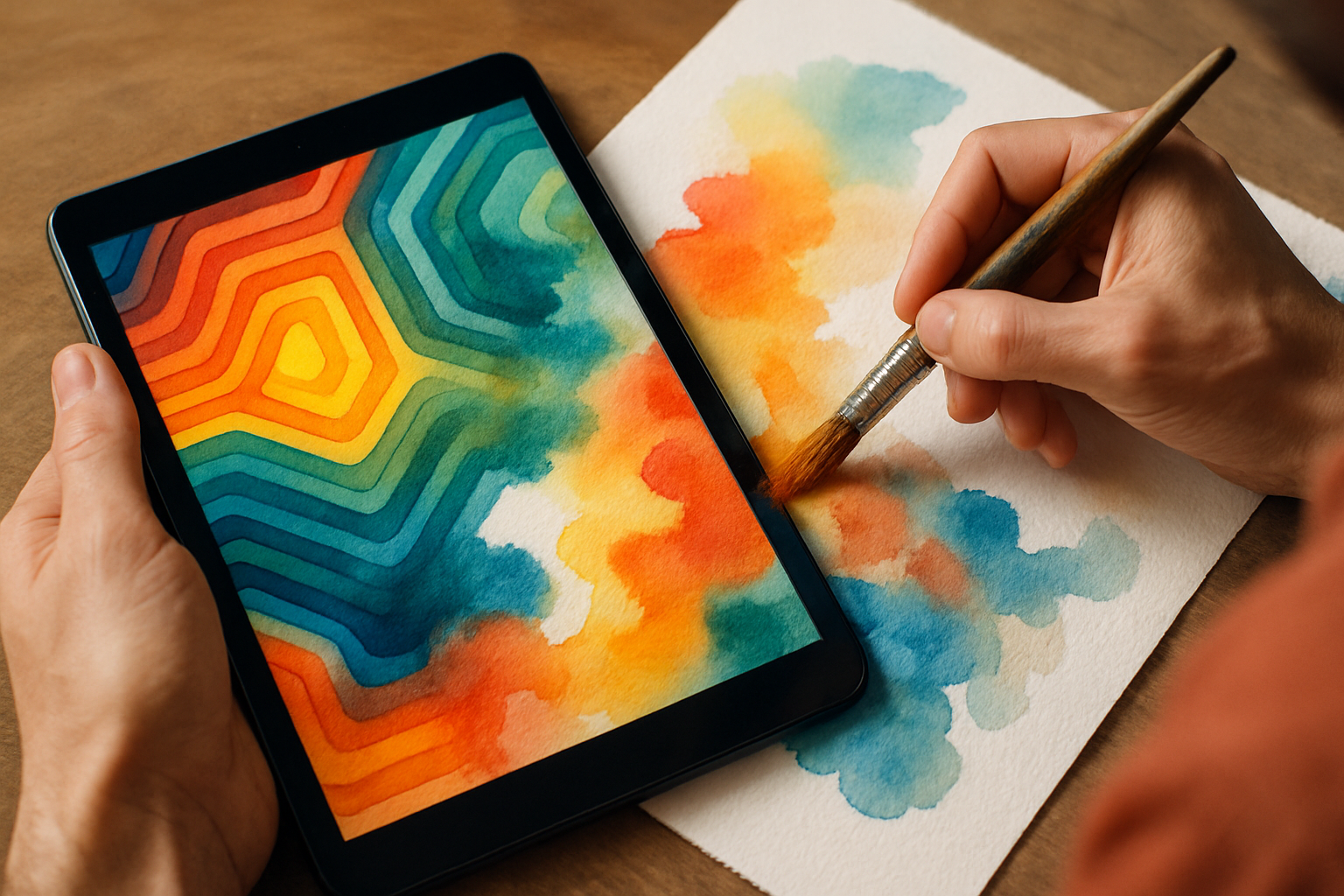
Absolutely. The modern artist often blends both worlds. Techniques such as digital pattern creation, Photoshop double exposures, or shooting on DSLR in full manual expand artistic reach.
Technology also allows artists to archive, share, and monetize work more easily. For example, many artists maintain digital portfolios or run social media challenges that build community and visibility.
However, it’s crucial to not let tech overwhelm traditional skills but enrich them. Engaging tactile art like stitching, crocheting, or gel printing keeps the hands-on experience alive and grounded (Source).
How Do Artistic Activities Benefit Children Beyond Fun?
Art and craft activities boost more than entertainment. They enhance cognitive development, motor skills, social interaction, and emotional intelligence in children.
Manipulating small tools improves dexterity and coordination, vital for writing and self-care.
Creative play fuels imagination and problem-solving. Children explore cause and effect when mixing colors or constructing shapes.
Group craft projects encourage communication, collaboration, and patience. Expressing feelings through art nurtures emotional awareness and confidence.
Art also embeds early academic concepts such as patterns, spatial reasoning, and measurement in playful, engaging ways (Source).
What Are Proven Tactics to Overcome Artistic Blocks?
All artists face blocks. Here’s what helps break through:
- Change Your Environment: New settings boost creativity—take your sketchbook outdoors or to a café.
- Write or Talk Through Your Barriers: Journaling or discussing frustrations can unlock stuck ideas.
- Mini Challenges: Start with tiny creative tasks like doodling circles freely, then build up.
- Limit Judgment: Embrace bad art as part of growth. Allow messy first drafts and refine later.
- Physical Breaks: Movement, meditation, or rest recharge the brain.
- Inspiration Intake: Expose yourself to new artworks, books, music, or nature.
What Should I Know About Making Art a Habit?
Habits form when actions become routine and rewarding. For art, that means creating a manageable schedule, setting realistic goals, and celebrating progress.
Many find success with daily challenges—like 10-minute sketches or index card art—that provide consistent practice without burnout.
Tracking your creative journey through journals or photo records helps visualize improvement and maintain motivation.
Remember: the goal is to enjoy the process, not just produce masterpieces. Consistency trumps intensity (Verified with sources as of 2025-08-29).
How Can I Integrate Creative Ideas for Art Into My Life Regularly?
Making art a part of daily life involves planning, openness, and flexibility. Some steps include:
- Dedicated Workspace: A small corner or table organized with supplies encourages spontaneous creativity.
- Routine Scheduling: Block out short daily or weekly art times, and treat them as essential appointments.
- Mixing Projects: Rotate quick sketches, detailed paintings, or digital experiments to keep engagement high.
- Joining Communities: Online groups or local classes provide accountability and inspiration.
- Reflecting on Personal Growth: Regularly review past work to see progress and recalibrate goals.
- Embracing Failure: Accept some works won’t turn out well — they’re vital stepping stones.
Table of Contents
- Why Are Creative Ideas for Art Vital for Growth?
- How Can Daily Art Challenges Enhance Your Creativity?
- Which Top 50 Creative Ideas Can You Try Today?
- How Can Preschool Crafts Boost Creativity and Development?
- What Are Effective Strategies to Keep Your Artistic Journey Engaging?
- How Do I Choose The Right Creative Projects For Me?
- Can Technology and Traditional Art Merge in Creative Projects?
- How Do Artistic Activities Benefit Children Beyond Fun?
- What Are Proven Tactics to Overcome Artistic Blocks?
- What Should I Know About Making Art a Habit?
- How Can I Integrate Creative Ideas for Art Into My Life Regularly?
- FAQs About Creative Ideas for Art
FAQs About Creative Ideas for Art
What are easy creative ideas for art beginners?
Start small with daily index card sketches, color swatches, and simple collages. Use household materials like paper plates and bottle caps for approachable crafts (Source).
How can I stay motivated to create art regularly?
Set clear, flexible goals. Join art challenges and communities. Rotate media to maintain excitement and track your progress visually or journally.
Can art projects help with personal growth?
Absolutely. Art develops problem-solving, emotional intelligence, and fine motor skills. Expressing yourself visually nurtures mental wellbeing and confidence (Source).
What materials do I need to start exploring creative ideas for art?
Basic supplies include sketchbooks, pens, pencils, watercolors, glue, paper, and found objects. Expand based on interests into digital tools, fabric arts, or photo equipment.
Are technology and traditional art compatible?
Yes. Combining digital design, photography, and editing with sketches and painting expands creative possibilities and can modernize your art practice.
What’s Your Next Step?
Tell us in the comments: How will you apply these creative ideas for art to your own projects? For personalized advice, contact us!
Leave a Reply