TL;DR: An art studio minor offers a rich blend of creative skills and critical thinking for diverse careers. Here’s how it can amplify your artistic and professional journey.
Art studio minors are a popular choice among students looking to broaden their creative horizons while complementing other majors.
But what are they, exactly?
This article is your complete guide to understanding and maximizing the benefits of an art studio minor.
Some are designed to build technical proficiency through hands-on coursework.
Some foster critical analysis of visual cultures and art history.
Some emphasize cross-disciplinary thinking across 2D, 3D, and even 4D formats.
Some help in building a personal artistic practice suited for commercial or fine art careers.
Some unlock fresh opportunities in teaching, design, therapy, and multimedia.
Let’s dive right in.
What Is an Art Studio Minor and Why Pursue It?
An art studio minor is an academic program designed to provide students with foundational and advanced skills in various studio art techniques and concepts.
Unlike a full major, it requires fewer credit hours but still imparts the critical skills of creation, observation, and art interpretation.
The core promise of an art studio minor is its ability to integrate creative thinking with practical production. It’s a versatile complement to majors across disciplines, such as psychology, marketing, communication, or even STEM fields, enhancing creativity and problem-solving abilities.
Majors with an art studio minor often find themselves with a more diverse portfolio—ranging from fine art production to graphic design, multimedia, and more.
Moreover, this minor cultivates unique cognitive skills, including visual literacy, spatial awareness, and an understanding of cultural contexts.
This is not just about painting or drawing, but about engaging critically and inventively with material, form, and idea.
Many universities, like the University of Texas Permian Basin, offer studio art minors that focus on both hands-on activities and conceptual understanding, preparing students for a wide array of professional pathways, including art therapy, commercial art, and design fields (UTPB Art Minor Program).
What Does the Coursework in an Art Studio Minor Include?
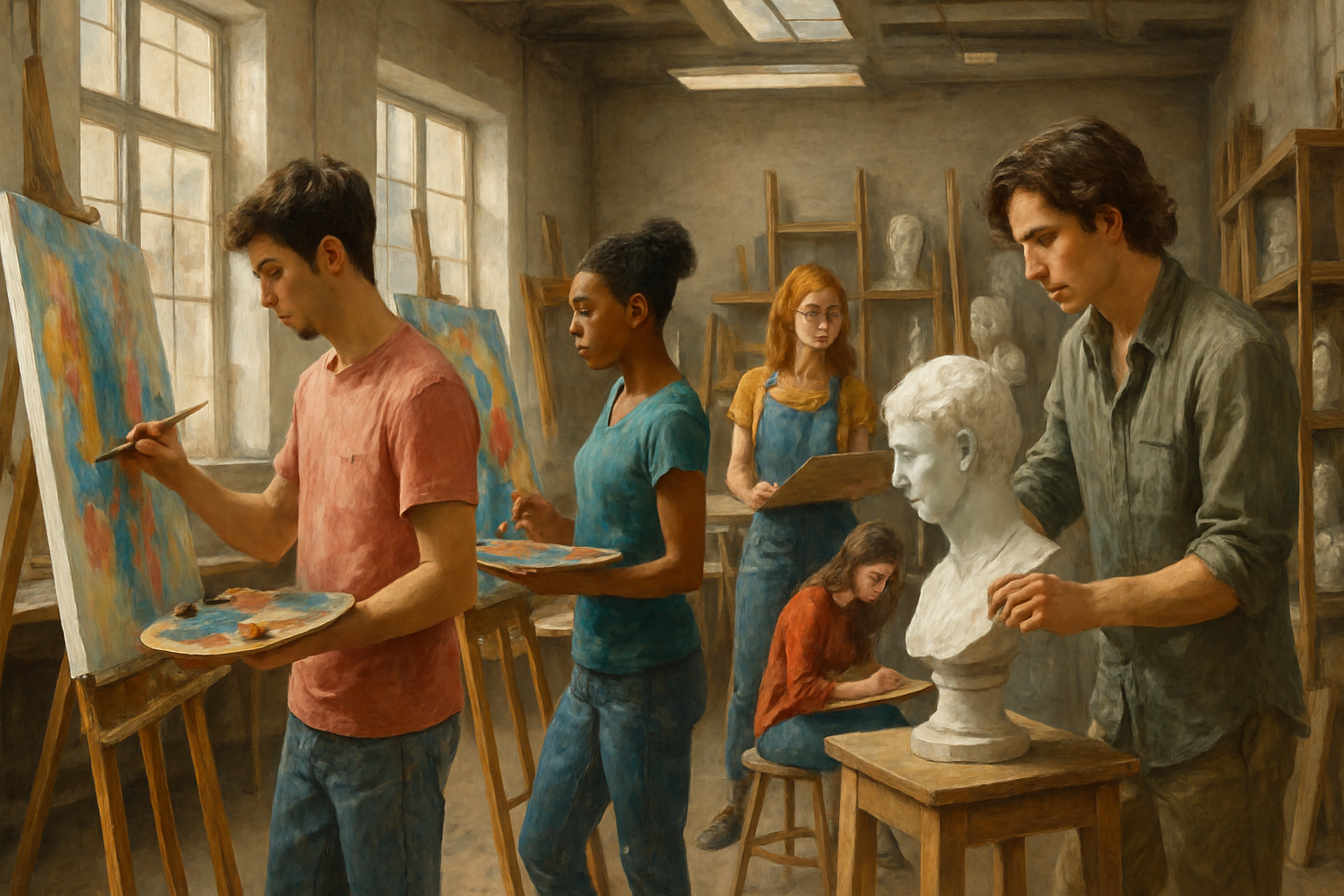
The coursework for an art studio minor typically combines foundational studio practice with theoretical knowledge.
Students commonly engage in drawing, painting, printmaking, sculpture, and digital media.
For example, at Nebraska Wesleyan University, the art studio minor includes a survey of artworks from western cultures, technical exploration, and intensive drawing courses that focus on techniques such as line, form, value, and perspective (Nebraska Wesleyan Art Studio).
These courses emphasize not only skill development but also critical analysis and written articulation skills. Regular critiques, exhibitions, and artist lectures often complement course work to expand understanding beyond the studio.
Extensive studios equipped with natural light, specialized equipment like kilns for ceramics, printmaking presses, and digital labs support experimental learning.
Several institutions also encourage interdisciplinary projects combining time, space, and surface to create artwork that crosses traditional material and dimensional boundaries, deepening student engagement.
Usually, the curriculum requires completion of fundamental courses before moving onto specialized disciplines such as painting, video art, or emerging media.
Senior capstone projects or thesis work typically serve as the program’s culminating experience, demanding a personal, coherent artistic statement developed under faculty mentorship.
How Does an Art Studio Minor Enhance Your Career Prospects?
Adding an art studio minor to your academic portfolio can significantly increase your marketability and offer a creative edge across industries.
Whether your major is business, communication, science, or education, artistic skills augment problem-solving, design thinking, and visual communication abilities.
Students with art studio minors often pursue careers in graphic design, multimedia production, art education, gallery curation, or commercial art.
For example, at Adelphi University, the art studio minor alongside other art-related minors like graphic design or art history provides a solid foundation to enter creative industries or graduate programs such as art therapy or creative arts counseling (Adelphi University Art Program).
In addition, skills learned in studio practice help professionals develop brand visuals, advertising campaigns, or innovative multimedia content.
Fields like animation and video game design particularly benefit from the critical and technical training an art studio minor provides.
Some minor graduates pursue teaching certifications, transforming their artistic talents into education careers in K–12 settings.
This breadth of opportunities reflects how the minor nurtures creativity and technical skill simultaneously.
Pro tip: Combining your art studio minor with internships and real-world projects—such as client collaborations and exhibitions—builds your professional portfolio and networks early, enhancing job prospects dramatically.
What Are the Key Benefits of Taking an Art Studio Minor?
An art studio minor brings multiple advantages:
- Creative Growth: Structured coursework pushes your creative boundaries, encouraging exploration in diverse media like drawing, ceramics, or digital art.
- Critical Thinking: Learning to analyze and discuss art history alongside studio work fosters keen observational and evaluative skills.
- Cross-Disciplinary Skills: Bridging artistic practice with other academic pursuits amplifies problem-solving and innovation abilities.
- Professional Portfolio: Studio projects and exhibitions provide tangible work showcasing your artistic vision and technical proficiency.
- Graduate Study Pathways: The minor lays solid groundwork for advanced degrees such as MFA, art therapy, or arts administration.
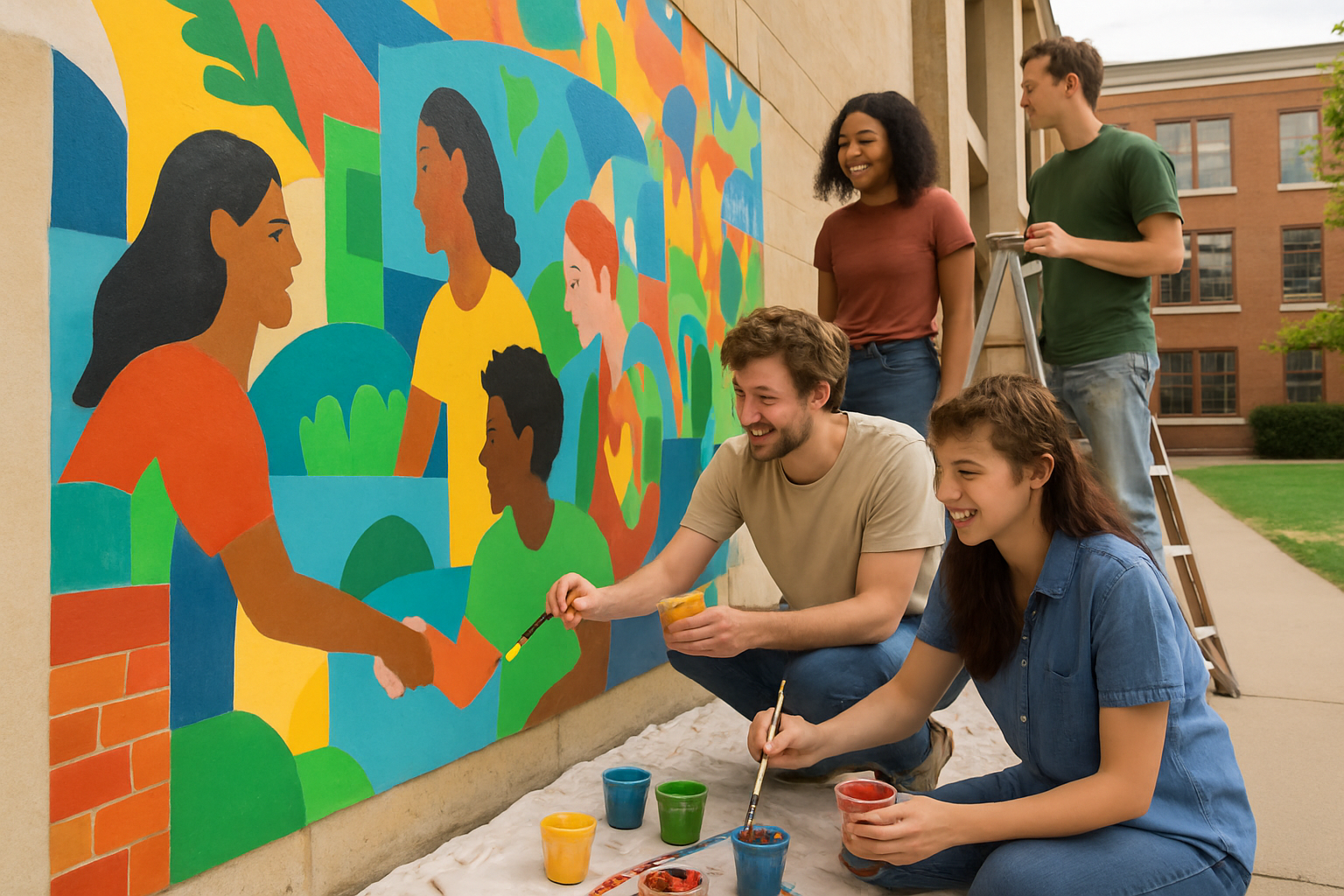
- Community Engagement: Opportunities such as mural projects and internships promote collaboration and social impact through art.
- Personal Fulfillment: Many students find therapeutic value and joy in artistic expression that enriches their overall college experience.
These benefits make the art studio minor a valuable complement to various academic and career paths, enriching both personal and professional dimensions.
How Can Students Maximize Their Art Studio Minor Experience?
To get the most out of an art studio minor, consider these strategies:
- Plan Early: Declare your minor early and select a dedicated advisor to craft a course path that balances studio and art history classes effectively.
- Engage Fully: Participate actively in critiques, exhibitions, workshops, and artist talks to deepen your learning and artistic networks.
- Explore Broadly: Sample courses across multiple media—such as printmaking, sculpture, and emerging digital forms—to discover your passions and strengths.
- Invest in Portfolio Development: Take senior capstone projects seriously by crafting original and thematically consistent works that articulate your unique voice.
- Seek Internships: Take advantage of program offerings to work with galleries, museums, design firms, or community art projects to gain real-world experience.
- Combine Interests: Fuse studio art skills with your major, for example through graphic design for marketing students or mural projects for education majors.
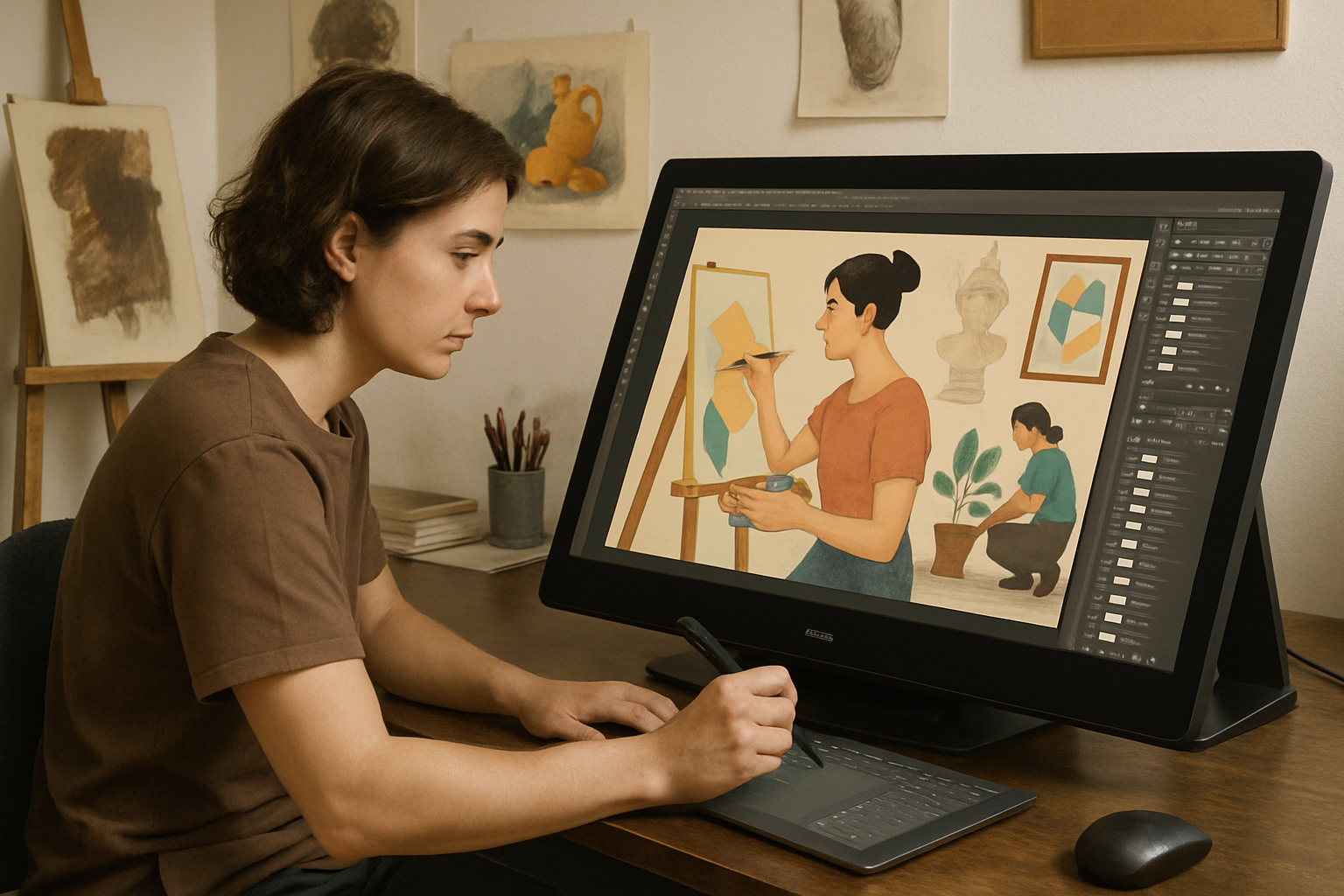
- Stay Curious: Investigate emerging art forms and technologies; from 3D printing to animation, embracing innovation keeps your practice future-ready.
Ever wondered how your art skills can spark innovation beyond typical art careers? This integration of creative and analytical skills is exactly what makes an art studio minor stand out in today’s multidisciplinary job market.
Can an Art Studio Minor Prepare You for Graduate Studies?
Yes, an art studio minor offers an excellent springboard into graduate programs related to art and design.
Many students leverage their minor to transition into Master of Fine Arts (MFA), art therapy, or arts administration graduate programs.
For example, Adelphi University students can smoothly transition from an art minor to graduate programs like the MA in Creative Arts Therapy Counseling at Hofstra University, thanks to streamlined partnerships (Adelphi University Art Department).
The minor’s combination of studio practice and critical theory gives graduate admissions committees confidence that candidates are prepared for rigorous creative work and research.
Moreover, the capstone project familiarizes students with sustained research and reflective practice—both critical for graduate success.
Graduate programs in art therapy especially value minors that include interdisciplinary coursework, such as psychology and art, highlighting the broad applicability of an art studio minor.
What Are Some Real-World Applications of Skills Gained from an Art Studio Minor?
The practical and conceptual skills learned through an art studio minor translate into multiple professional and community settings.
Here are a few real-world applications:
- Visual Communication: Designing effective visuals for marketing, advertising, and digital media relies on solid fundamentals in composition, color theory, and design principles.
- Art Education: Teaching visual arts at various levels leverages both studio expertise and art history knowledge.
- Art Therapy: Understanding artistic media and creative processes supports mental health professionals in therapeutic contexts.
- Community Art Projects: Creating murals and public installations engages local communities and promotes cultural expression.
- Gallery and Museum Roles: From curation to arts administration, these roles benefit from a background in art history and studio practices.
- Multimedia and Animation: Skills in drawing and design underpin animation, video game design, and digital content creation.
- Entrepreneurship: Designers and artists often launch independent studios or creative businesses, applying their craftsmanship and business acumen.
For instance, students at the University of Texas Permian Basin gain skills through their minor that prepare them for roles like graphic designers, freelance artists, art therapists, and interior designers (UTPB Studio Art Minor Details).
How Do Art Studio Minors Differ Across Institutions?
Though the core objectives are similar, art studio minors vary in course offerings, credit requirements, and specializations depending on the institution.
For example, Colorado College requires students to take five studio art units and one art history unit, emphasizing a balance between hands-on practice and theory (Colorado College Art Studio Concentration).
Some universities, like Nebraska Wesleyan, require departmental permission to enroll in certain courses, reflecting their focus on guided artistic development and ensuring students are prepared for advanced studio work.
Others, like Adelphi University, have extensive resources supporting graphic design, animation, and media arts as part of their broader art minor offerings.
Some programs encourage or require students to participate in exhibitions, artist talks, and internships, providing experiential learning opportunities.
Key differences also lie in available facilities, faculty specialties, and access to nearby art scenes or museums, which shape the student experience uniquely.
Therefore, students should consider their personal goals and preferred learning environments when selecting where to pursue an art studio minor.
What Should You Consider Before Choosing an Art Studio Minor?
Choosing an art studio minor requires thoughtful consideration of your interests, career goals, and academic workload.
Ask yourself:
- Do I want to develop broad artistic skills or specialize in a particular medium?
- How will the minor complement my major and career aspirations?
- Am I prepared for the time commitment that studio art often requires?
- Does the institution offer facilities and faculty mentorship aligned with my interests?
- Are there opportunities for exhibitions, internships, or community projects?
Also consider the sequencing of courses. Some programs recommend or require that art history classes be completed early to better inform later studio work.
Check if the program offers flexibility for transfer credits or if all courses must be completed on campus.
Lastly, plan how to integrate the minor into your overall academic timeline to avoid overload and maximize growth.
How Can You Apply Art Studio Minor Skills Beyond Academia?
The practical and creative skills developed through an art studio minor can impact everyday life and community involvement profoundly.
For example, many graduates engage in creating public murals that beautify urban spaces and celebrate cultural diversity.
Others use their design skills to support local businesses with branding, advertisements, or digital marketing materials.
Art therapy practices draw directly from studio art skills combined with psychological insights to support mental health.
In personal development, art practice nurtures mindfulness, emotional expression, and resilience.
Participating in art communities fosters collaboration skills and a sense of belonging.
Whether in environmental design, educational settings, or entrepreneurship, the artistic thinking honed by this minor finds innovative applications far beyond the studio.
What Are Common Misconceptions About Art Studio Minors?
Many students hesitate to pursue an art studio minor due to myths that limit their perceived accessibility or usefulness:
- “It’s only for people who want to be professional artists.” In reality, the minor develops transferable skills valuable in many fields.
- “You need to be super talented to succeed.” Programs emphasize growth, experimentation, and learning over innate talent.
- “It won’t help me get a job.” Art studio minors enhance creativity, communication, and technical proficiencies widely sought in the workforce.
- “Art is not academic enough.” Integration of art history and critical analysis makes this minor intellectually rigorous.
Dispelling these myths can open new doors for students looking to enrich their education and career prospects.
Frequently Asked Questions About Art Studio Minors
- What is the credit requirement for an art studio minor?
- Most programs require approximately 18 to 20 semester credit hours, including foundational studio courses and art history.
- Can non-art majors take this minor?
- Yes, art studio minors are designed primarily for non-art majors wishing to expand their creative skills.
- Are there opportunities to showcase work?
- Yes, many schools offer galleries, exhibitions, and public art projects as part of the minor experience.
- Can this minor lead to teaching certification?
- While the minor alone may not suffice, it complements art education majors who seek teaching credentials.
- Does an art studio minor help with graduate school admission?
- Yes, particularly for graduate art programs or creative therapy fields, it strengthens applications.
What’s Your Next Step?
Tell us in the comments: How will you apply this to your art studio minor journey? For personalized advice, explore our detailed strategies on enhancing creativity and problem-solving through art.
Remember, an art studio minor is not just an academic addition—it’s a gateway to broadened perspectives and future possibilities.
(Verified with sources as of 2025-08-31)
Leave a Reply