Mixed media art courses are increasingly popular among artists and hobbyists alike.
But what exactly are mixed media art courses, and why should you consider them?
This comprehensive guide offers everything you need to know about mixed media art courses, including types, techniques, and how to choose the right one for you.
Some are beginner-friendly, offering step-by-step guidance.
Some focus on online workshops that connect you with global instructors.
Some provide deep dives into techniques like collage, texturing, and layering.
Some emphasize affordable, accessible materials to lower barriers to entry.
Some mix traditional art with new technology and experimental approaches.
Let’s dive right in.
What Are Mixed Media Art Courses and Why Do They Matter?
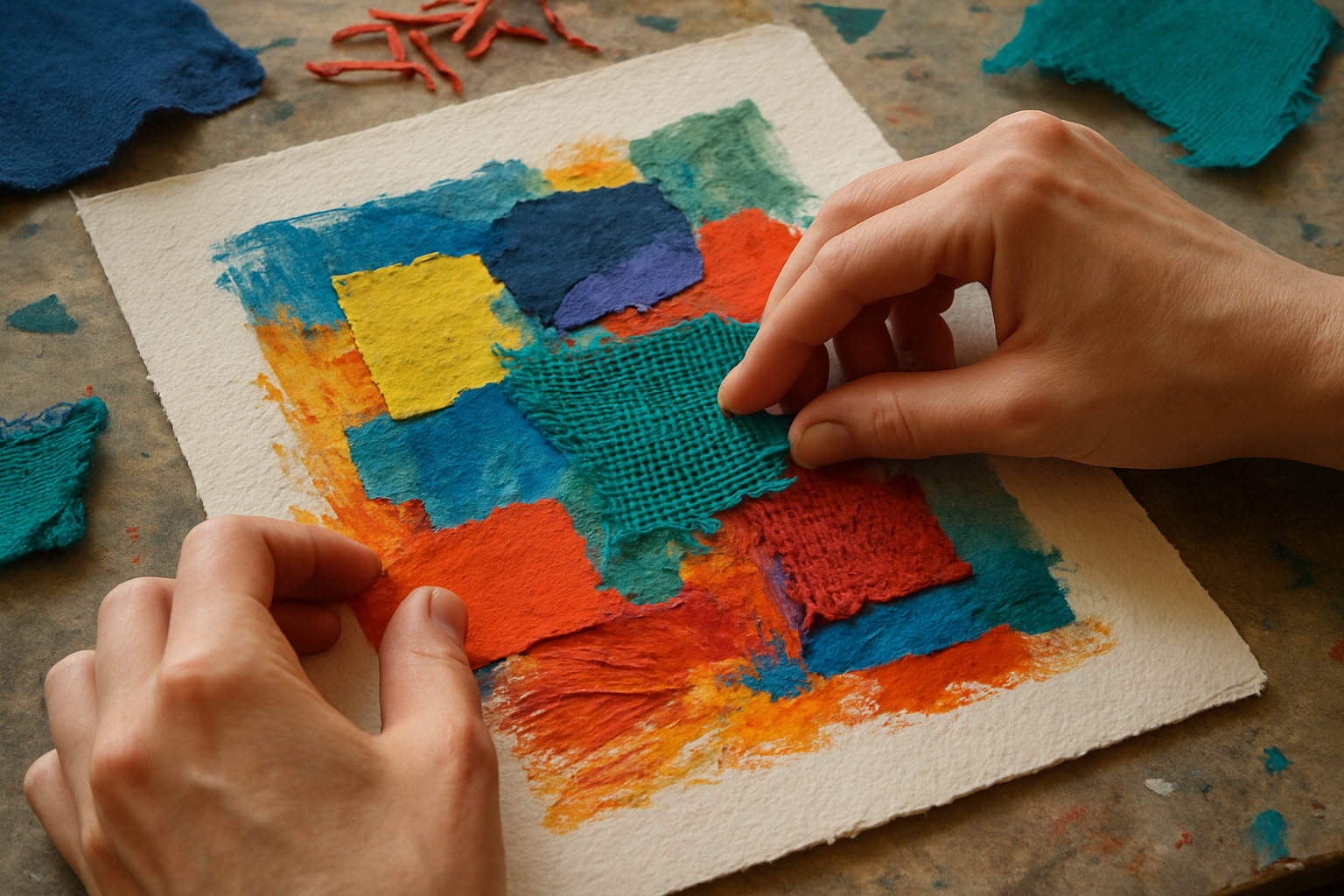
Mixed media art combines materials and techniques from different mediums to create rich, layered artworks. The courses teach you to use paper, paint, fabric, stamps, inks, and more in one project.
These courses come in various formats: live workshops, downloadable lessons, or ongoing subscription-based classes. Each caters to a wide range of skill levels—from absolute beginners to advanced artists.
The beauty of mixed media art courses is that they embrace experimentation and creativity without rigid rules. This approach allows artists to develop a personal style while building technical skills.
As artist Wendy Solganik highlights, courses like Fodder School demystify the creative process by providing approachable projects and prompt-driven lessons, helping students build confidence quickly.
How Do I Start With Mixed Media Art Courses?
Starting can feel overwhelming. But remember, you don’t need fancy materials right away. The key is to use what you have and start layering, as Cheryl advises in her beginner-friendly guide to supplies.
Begin with introduction courses that cover fundamental techniques, such as making unique painted papers or creating collage fodder. These lessons help you explore textures, colors, and composition without any pressure.
Look for classes that offer flexibility in entry level, like Fodder School 4 which requires no prerequisites, so beginners and experienced artists can join at any time.
Some courses also focus specifically on aspects like altered books or paper dolls, blending historical artistry with modern expression.
What Materials Are Needed for Mixed Media Art?
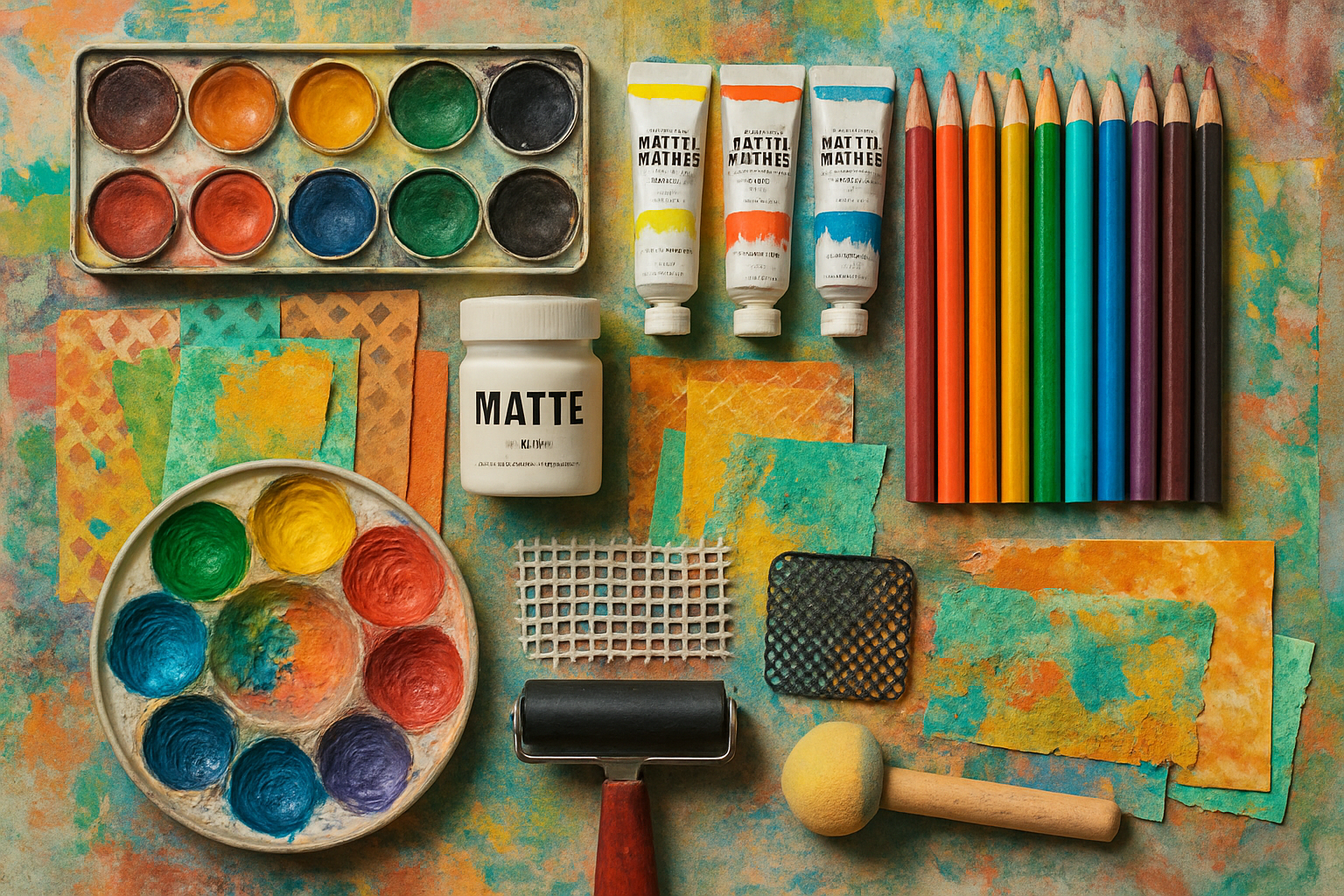
This is where experimentation shines. Most courses recommend starting with basics you might already own: colored pencils, acrylic paints, old magazines, glue, and paper scraps.
Cheryl’s video about mixed media supplies encourages everyone to embrace imperfect or leftover materials—sometimes a faded marker or dried-up pencil holds unexpected creative magic.
You’ll often combine wet and dry media: watercolor or gouache paints, ink pens, Pusca acrylic markers, and textured papers. Sketchbooks with heavier paper weights (around 140 lbs) work best to hold layers without warping.
Don’t forget tools like stamps, stencils, and texture paste to add dimension and personal flair to your designs.
And as you progress, you can incorporate fabric, lace, or even embellishments like buttons for added texture and storytelling.
What Are the Best Online Mixed Media Art Courses?
Some of the standout courses include:
- Fodder School by Willa Wanders: Offers multiple levels with monthly projects, challenges, and live interaction. Perfect for those seeking ongoing learning and community support (source).
- Intro to Mixed Media Art: Provides fun lessons on handmade collage papers to help discover your favorite materials and methods.
- Specialized Workshops: Classes focused on altered books, snippet rolls, mixed media tag art, and zine making add layers of exploration and creative momentum.
If you’re unsure which course fits your needs, explore instructor portfolios, reviews, and ask questions before committing—this is key to finding the right match, as fibreartstaketwo.com advises (source).
How Can I Learn Mixed Media Step by Step?
Luke Collins, an experienced mixed media artist, developed a simple five-step method that works beautifully for beginners wanting to build skills methodically:
- Define White Space: Plan areas on your page where the eye rests to avoid overwhelming your composition.
- Add Color: Use water-based inks and paints to add tonal layers while leaving space for contrast.
- Add Texture: Incorporate stamps, stencils, or texture paste to build dimension.
- Create a Focal Point: Use imagery, words, or embellishments to guide viewer attention.
- Use Black and White Contrast: Add final touches and shadows with pens or ink to finish.
This method encourages playfulness while developing essential mixed media skills. Try it with your own projects to gain confidence steadily.
How Do I Choose the Right Mixed Media Art Course for Me?
Ask yourself these questions:
- What is my current skill level?
- Do I prefer live or self-paced lessons?
- What materials do I want to work with?
- Is community interaction important?
- What are my creative goals?
Many courses now offer free workshops or introductory lessons so you can assess fit without upfront risk. For instance, iHanna offers a free workshop on preparing altered books with simple, low-cost materials (source).
Reading reviews and contacting instructors helps understand course tone, difficulty, and support offered.
Remember, learning mixed media is a creative journey, not a race. The right course invites exploration and growth at your pace.
Are There Video Resources for Mixed Media Art Courses?
Yes! Video tutorials can be incredibly helpful for visual learners. For example, Cheryl’s “Best Mixed Media Art Supplies for Beginners” video offers clear guidance on materials and layering techniques, perfect to watch while preparing your workspace.
Paired with step-by-step methods and hands-on practice in courses like Fodder School, these videos enhance understanding and make learning more accessible and fun.
How Do I Make the Most of My Mixed Media Art Course?
Tip: Engage actively with course communities. Whether it’s Facebook groups, live Zoom sessions, or forum discussions, sharing your work and questions enriches your learning exponentially.
Take your time exploring materials, embrace “happy accidents,” and don’t be afraid to experiment wildly. The joy of mixed media lies in unpredictability, unexpected textures, and unique personal expression.
Consider documenting your progress through photos or journaling—that reflective practice can reveal your growth and inspire future projects.
If you encounter creative blocks, revisit fundamental lessons or switch materials to refresh your perspective.
Can Mixed Media Art Courses Help Me Sell My Art?
Absolutely. Many artists use skills learned from mixed media courses to develop signature styles that attract collectors and buyers. Courses that include guidance on portfolio building, marketing, or commissioned work preparation offer added value.
For example, one artist commissioned a meaningful mixed media painting using symbolism and color carefully chosen through her coursework, illustrating how learning translates to client satisfaction and sales (source).
Building confidence, mastering focal points, and refining layering techniques improves not only aesthetics but marketability.
What Are Some Examples of Mixed Media Projects I Can Try?
Here are inspiring ideas to get you started:
- Handmade greeting cards using collage and ink layering.
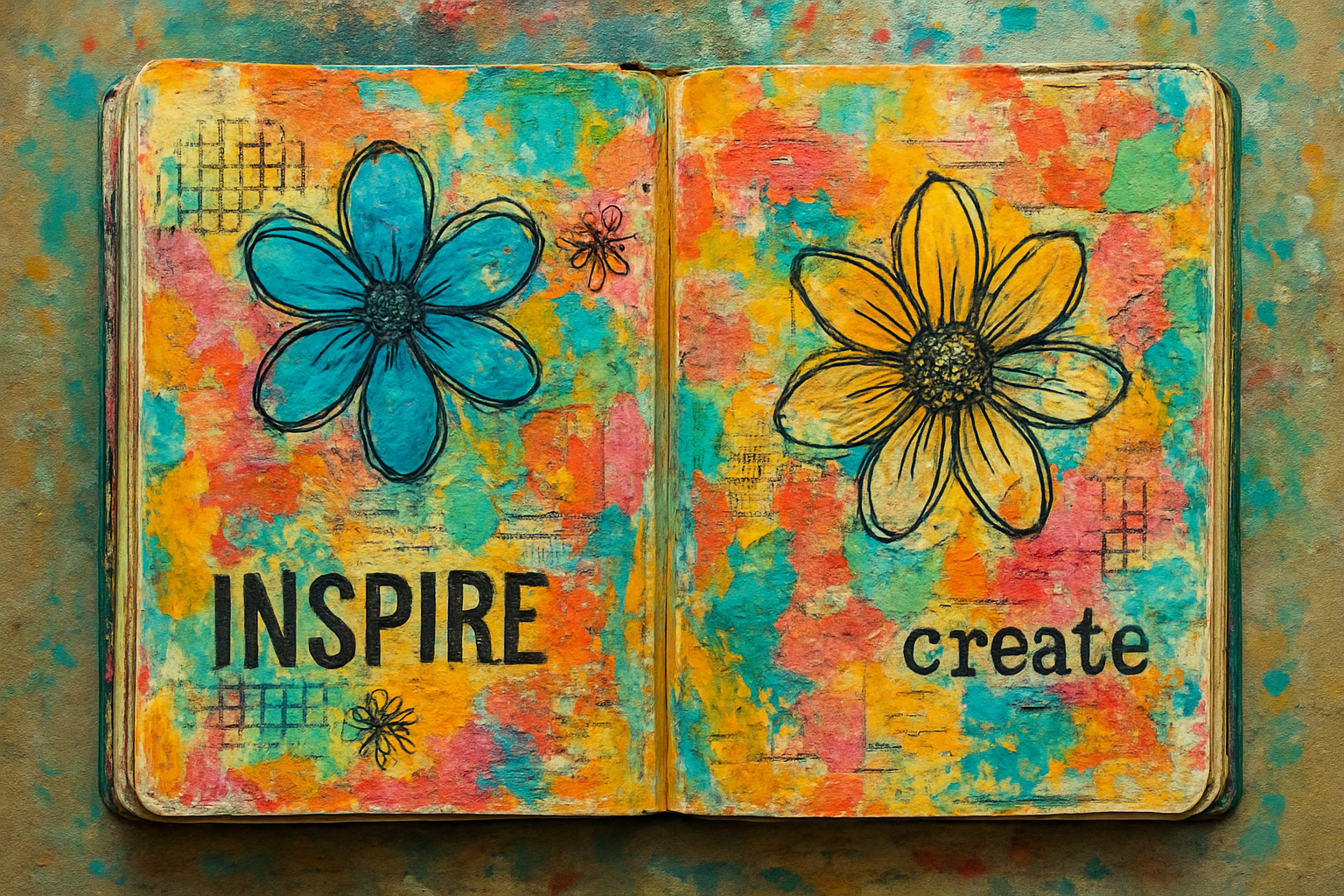
- Altered books transformed into colorful art journals.
- Snippet rolls made from fabric and paper scraps for future projects.
- Paper dolls created with modern mixed media techniques.
- Zines from one sheet of paper featuring painted and stamped layers.
- Mixed media tag art combining collage motherboards and design prompts.
These projects range from highly tactile and tangible to quick and experimental, perfect for varying moods and time commitments.
How Can I Overcome Common Mixed Media Challenges?
One common challenge is managing layering without making the project too heavy or chaotic. Luke Collins recommends defining white space carefully to avoid the “pizza effect” — where everything is layered indiscriminately and overwhelms the eye.
Knowing when to stop layering is a skill developed with practice. Use techniques like smudging, strategic stamping, and subtle focal points to balance composition.
Material compatibility is another issue. Test paints and adhesives on scrap paper to see how they interact, especially when mixing wet and dry media.
Lastly, don’t worry about mistakes. Some of the most beautiful pieces come from letting go of perfection. Embrace the unpredictable nature of mixed media art!
Where Can I Find Mixed Media Community Support?
Joining online groups or forums related to mixed media art can be hugely beneficial. Communities such as those attached to major courses provide inspiration, feedback, and resource sharing.
Facebook groups, Instagram art challenges, and niche forums like Fibre Arts Take Two connect learners and professionals globally.
Active participation helps sustain motivation and gives you ongoing access to fresh ideas and techniques as you evolve your craft (source).
TL;DR: Your Mixed Media Art Courses Cheatsheet
- Mixed media art courses blend materials and creativity to teach layered, textured artwork.
- Start simple, using what you have, and look for beginner-friendly classes with flexible entry.
- Key materials include paints, collage papers, stamps, inks, and textured mediums.
- Best courses offer projects, community, and clear guidance (e.g., Fodder School).
- Use methods like Luke Collins’ five-step process to build skills confidently.
- Embrace experimentation and don’t fear mistakes—creativity thrives in freedom.
What's Your Next Step?
Tell us in the comments: How will you apply this to your mixed media art courses? For personalized advice, contact us!
Frequently Asked Questions About Mixed Media Art Courses
What skill level do I need to join a mixed media art course?
Many courses welcome all skill levels, including beginners. Some courses require no prerequisite knowledge and provide step-by-step guidance to help you learn from scratch.
Are mixed media art courses expensive?
Costs vary. Introductory classes might be under $20, while comprehensive year-long programs can go up to a few hundred dollars. Many offer payment plans and free samples to help you decide.
Can I take mixed media art courses online?
Absolutely. Online mixed media art courses are widely available, featuring video tutorials, downloadable lessons, and interactive sessions allowing you to learn at your own pace from anywhere.
What materials do I need to start?
Basic supplies include colored pencils, watercolors or gouache, glue, assorted papers, stamps, and pens. You can start with what you have and expand as you explore.
Will mixed media art courses teach me to sell my artwork?
While core courses focus on skills, some advanced workshops include guidance on portfolio development, commissions, and marketing strategies for artists.
For more creative tips and step-by-step approaches to nurturing your artistic skills, consider exploring mastering the joy of learning arts and crafts, which complements mixed media learning beautifully.
Leave a Reply