Ever stared at a blank page, brush in hand, wondering if you’ll ever get those dreamy watercolor washes to look anything like the pros? You’re not alone. It’s like trying to catch a fleeting cloud—beautiful but tricky to get just right.
But here’s the thing: finding the best online watercolor painting course for beginners isn’t just about fancy gear or complicated lessons. It’s about connecting with a course that gets you—that’s patient, clear, and actually fun. Because let’s be honest, the last thing you want is to feel lost in a sea of overwhelming techniques or confusing jargon.
Imagine a place where you can tap into expert guidance anytime, pace yourself, and even share your progress with folks who are rooting for you. No pressure, just a space where your creativity can stretch its wings. That’s where online courses shine—the convenience, the clarity, the community. It’s like having a patient art teacher right there with you, minus the hurried studio vibes.
What if you could skip hours of trial and error—those frustrating moments of colors bleeding everywhere or stubbornly patchy washes—and instead get straightforward tips that actually work? That’s what the right course promises. You don’t just learn to paint; you discover how to enjoy the process, mistakes and all.
If you’ve been wondering how to get started or feeling stuck on which course really fits, this guide’s got you covered. We’ll walk through what makes an online watercolor painting course beginner-friendly, how to spot one that matches your learning style, and share a little secret or two about maximizing your time and progress.
Ready to turn that hesitation into brushstrokes? Let’s dive in and explore how you can find a course that feels less like homework and more like a creative escape. And if you’re curious about broader ways to sharpen your artistic skills along the way, you might find this guide on mastering skills pretty handy too.
TL;DR
Looking for the best online watercolor painting course for beginners? The right course skips the confusing stuff and gets you painting quickly, with clear guidance and a supportive community cheering you on.
It’s less about perfect paintings and more about enjoying every brushstroke as you learn and grow your skills.
Course 1: Comprehensive Beginners’ Watercolor Class with Step-by-Step Guidance
So, you’re ready to finally dive into watercolors but feel a bit overwhelmed by all the options out there? It’s totally normal. Starting anything new feels like staring at a blank paper and not knowing where to put the first brushstroke. That’s exactly why picking a course that breaks things down and holds your hand through every wet and dry moment can make a world of difference.
Enter the comprehensive beginners’ watercolor course — a clear, step-by-step guide designed like a thoughtful conversation between you and your art. Instead of throwing you into the deep end with confusing jargon, this course takes you on a gentle journey from basics to breakthroughs.
Why a step-by-step approach matters
Think about it this way: would you rather fumble through with random YouTube clips or follow a proven path with room to breathe? This class understands the frustrations of trying to muddle through watercolor mistakes on your own — like colors bleeding where they shouldn’t, or washes drying patchy and uneven.
What’s great is how it starts with the essentials: you’re introduced to the must-have supplies — from choosing beginner-friendly student-grade paints (like the popular Winsor & Newton sets that many beginners love for their vibrant, manageable palettes) to picking the right brushes and thick watercolor paper that actually makes your colors pop instead of flooding away.
Hands-on, paint-along lessons
The magic really happens when you get moving — learning brush strokes, mixing colors, and mastering wet-on-wet blending with clear, illustrated steps. Ever tried to get a smooth gradient, only to get harsh edges instead? This course covers how to soften those transitions with practical tips like loading your brush just right and controlling water flow — skill essentials that make your paintings glow, similar to the glazing techniques praised by Don Rankin in his well-known watercolor guide.
Does it get repetitive? Nope. Just enough practice to build confidence without boredom creeping in. And when it comes to painting familiar shapes, the course has you contouring basic forms—like turning circles into spheres with light and shadow—so you understand how watercolors create depth and dimension. This kind of hands-on practice is exactly what separates hopeful dabblers from painters who finally start to get it.
Community and support
Here’s a little secret: learning watercolor is so much more fun with company. This class comes with access to a community where you can share your work, ask questions, and get encouragement. It’s like having a paint buddy who cheers you on and helps when you’re stuck, which is priceless when you’re just starting out.
Remember when you were a kid and someone showed you how to hold a brush? This course is that friendly guide, but for adults wanting to reclaim their creative spark — no stuffy lessons, just honest encouragement and skills you can actually use.
Plus, it blends video and written content to suit every learning style — some people swear by seeing techniques in action, while others soak up tips from detailed notes and examples. So yes, it’s thorough without being overwhelming.
Is this really the best online watercolor painting course for beginners?
Well, it ticks a lot of boxes: clear instructions, a supportive community, practical exercises, and a focus on the joy of painting, not just perfection. If you’re wondering where to start or worried about wasting time on courses that overload or confuse, this one keeps it simple and meaningful.
Curious to see how others found success? Many swear by such structured programs for leveling up without all the stress — a win-win if you want to turn that blank page into something beautiful, step by step.
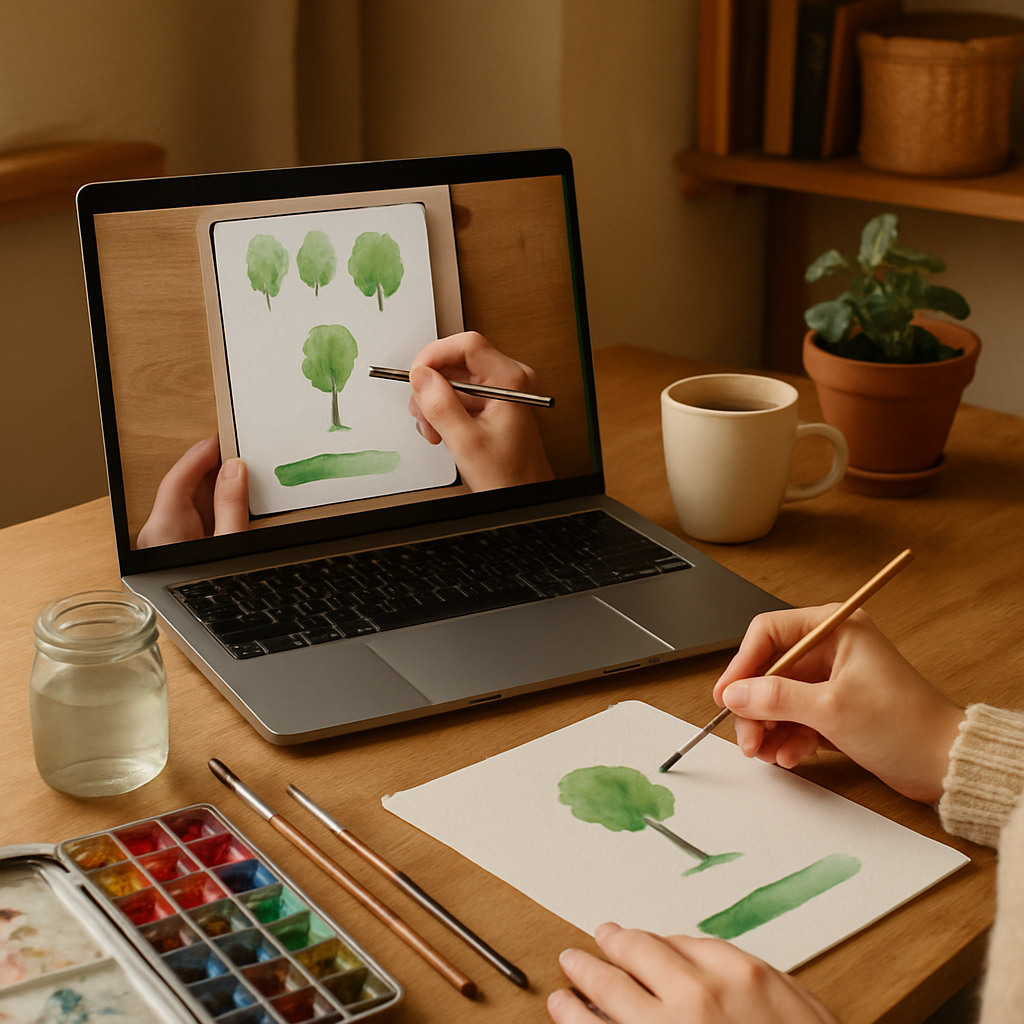
So, what’s next? Grab your paints, set up your space, and jump into a beginner-friendly, comprehensive watercolor course that fits your pace and sparks your enthusiasm. After all, the best journey starts with just one brushstroke.
For more insights on mastering watercolor basics with structured lessons, check out this beginner-focused watercolor guide that lays out fundamental techniques with clarity. Also, the WetCanvas forum discussions offer fantastic community-recommended resources and reviews for those wanting deeper dives into glazing and layering techniques. Lastly, if you enjoy learning through visuals, the step-by-step demos like those seen in interactive watercolor courses online can dramatically improve your understanding and confidence.
Course 2: Creative Techniques in Watercolor Painting for Beginners
Ever stared at a watercolor set and thought, “Where on earth do I even begin?” You’re not alone. Watercolors can be a bit tricky at first — the paint flows, blends, and dries in ways that don’t happen with other mediums. But that’s also what makes them magical. This course is all about helping you get hands-on with creative techniques that turn those intimidating blank sheets into vibrant stories.
Let’s kick things off with the wet-on-wet method. Think of this like painting on clouds: soft, unpredictable, and full of surprises. You start by wetting your paper, then drop in color. The paint dances and blends in ways you can’t fully control — and honestly, that’s part of the fun. You’ll learn to gauge the balance between water and pigment and get comfy with the flow. It’s a wonderful way to create dreamy skies or gentle landscapes that feel alive. Need a clear step-by-step? Check out these beginner-friendly watercolor exercises that break it down beautifully.
Next up: wet-on-dry. This is where you get a bit more control — painting colored strokes over a dry surface. Picture sketching your favorite coffee cup, but with soft, translucent paint. This technique lets you build defined shapes and layers without the colors running wild. It’s handy when you want crisp edges or to highlight details, like the veins in a leaf or the shimmer of light on water.
Have you ever noticed how painters get those smooth color fades? That’s where you get to practice the ombré effect, building color from pale to saturated. This course guides you through layering a single color gradually, so you can capture subtle shadows and depth. It teaches patience too — you’re really learning to ‘paint slow,’ noticing how water and pigment play together. Once you’ve got this down, your everyday scenes will pop with more life and dimension.
Want to add a little extra flare? The course dives into creating seamless gradients from one color into another. Imagine painting a sunset sky where orange melts gently into purple. You’ll learn to pick harmonious colors and move them softly across your paper for that perfect blend. It’s a forgiving technique, great for beginners looking to experiment without the fear of messing up.
One of my personal favorites — and a great challenge to boost your brush control — is painting around shapes. You start by coloring simple forms like stars or circles, then carefully paint around their edges to create sharp, clean borders with thin white lines inside. It’s a subtle skill that’s surprisingly satisfying and super useful for illustration-style watercolors.
Sound complicated? Don’t worry. The course walks you through all these techniques with clear, bite-sized lessons that build your confidence. You even get practical tips about how water amount, paper type, and brush size affect your results. With a few small projects sprinkled in, you’ll find yourself mixing up colors and working with your tools like a pro.
Ready to see some of these techniques in action? Here’s a hands-on demo video that really brings the course content to life:
If you want to dig deeper or see these exercises modeled by artists with experience teaching thousands, Ana Victoria Calderón’s guide on watercolor basics is a fantastic resource. And for even more inspiration and tips, this video tutorial adds a fresh perspective on putting those colors to work.
Ultimately, the best online watercolor painting course for beginners doesn’t just teach you how to use brushes or mix colors — it helps you trust the unpredictability of watercolor and embrace your own creative flow. So grab your paints and dive in, one gentle wash at a time.
Course 3: Affordable and Flexible Online Watercolor Classes Designed for New Artists
Ever feel like you want to dive into watercolor painting but get hung up on the cost or the hassle of rigid class schedules? You’re not alone. Starting out often feels like you need a fancy studio, expensive supplies, and a calendar that fits someone else’s timeline—not yours. Well, here’s some good news: there are affordable and super-flexible online watercolor classes tailored just for new artists like you, designed to make that first splash easier and way more fun.
The beauty of affordability without sacrifice
Think about it this way: you don’t need to break the bank to start watercolor painting. Many of these classes lean into simplicity and smart material choices. For example, you can kick off your watercolor journey with just a basic set like the Winsor & Newton Cotman sketcher’s box, which costs around $21 and gives you everything you really need to start mixing up vibrant colors. Pair that with some affordable brushes and decent paper, like Strathmore or Arches, and you have a setup that’s both wallet-friendly and quality enough to get you excited about painting again and again. Intrigued? Check out Rosalie Haizlett’s guide on affordable watercolor supplies—her advice is gold for newcomers aiming to get going without stress or overspending.(Affordable watercolor supplies for beginners)
Flexibility that fits your life, not the other way around
Here’s the truth: life doesn’t pause for creativity. That’s why a lot of these online courses embrace on-demand videos and bite-sized lessons you can squeeze in between chores, work, or Netflix binges. You decide when and how fast you want to learn. Don’t feel like painting today? No problem. Feel inspired at midnight? Just hit play and paint with the flow.
Plus, many platforms offer live Q&A or community spaces where you can ask questions and share your work without feeling judged or rushed. It’s like having a small, encouraging art class hanging out in your pocket. A great example is Drawing America, where you can find beginner-friendly watercolor and drawing courses structured to build your confidence steadily. Their blend of expert instruction and friendly community support makes learning that much more enjoyable and effective.(Drawing America watercolor and drawing courses)
What makes these courses perfect for beginners?
They’re designed with your uncertainties in mind. These classes gently guide you through the basics — from understanding your materials to mastering simple brush strokes — without overwhelming jargon or unrealistic expectations. Things like how much water to use on your brush, which paper texture works best, or how to confidently layer colors are broken down into manageable chunks.
Seriously, remember that shaky feeling the first time you tried blending colors? These courses help turn that nervousness into an “aha!” moment where you realize you’re creating something uniquely yours. And usually, they include mini-projects so you get to practice without the pressure of producing a masterpiece on day one.
Ready to carve out your own art time?
Starting with an affordable, flexible online watercolor course is more doable than it seems. Pick a course that respects your pace and budget, grab a simple set of paints and brushes, and give yourself permission to try—even if it’s messy, uneven, or far from perfect. That’s where real growth lives.
After all, the best online watercolor painting course for beginners isn’t just about lessons—it’s about opening a new door to creativity that fits right into your life, wherever and whenever you choose to walk through it.
Course 4: Interactive Watercolor Workshops with Personalized Feedback
Ever taken a class where you feel totally on your own after watching the videos? Yeah, those can be rough.
That’s why interactive workshops with personalized feedback are game-changers when searching for the best online watercolor painting course for beginners. These courses aren’t just about following along—they’re designed so you actually get to engage, ask questions, and get tailored tips that make your painting feel alive.
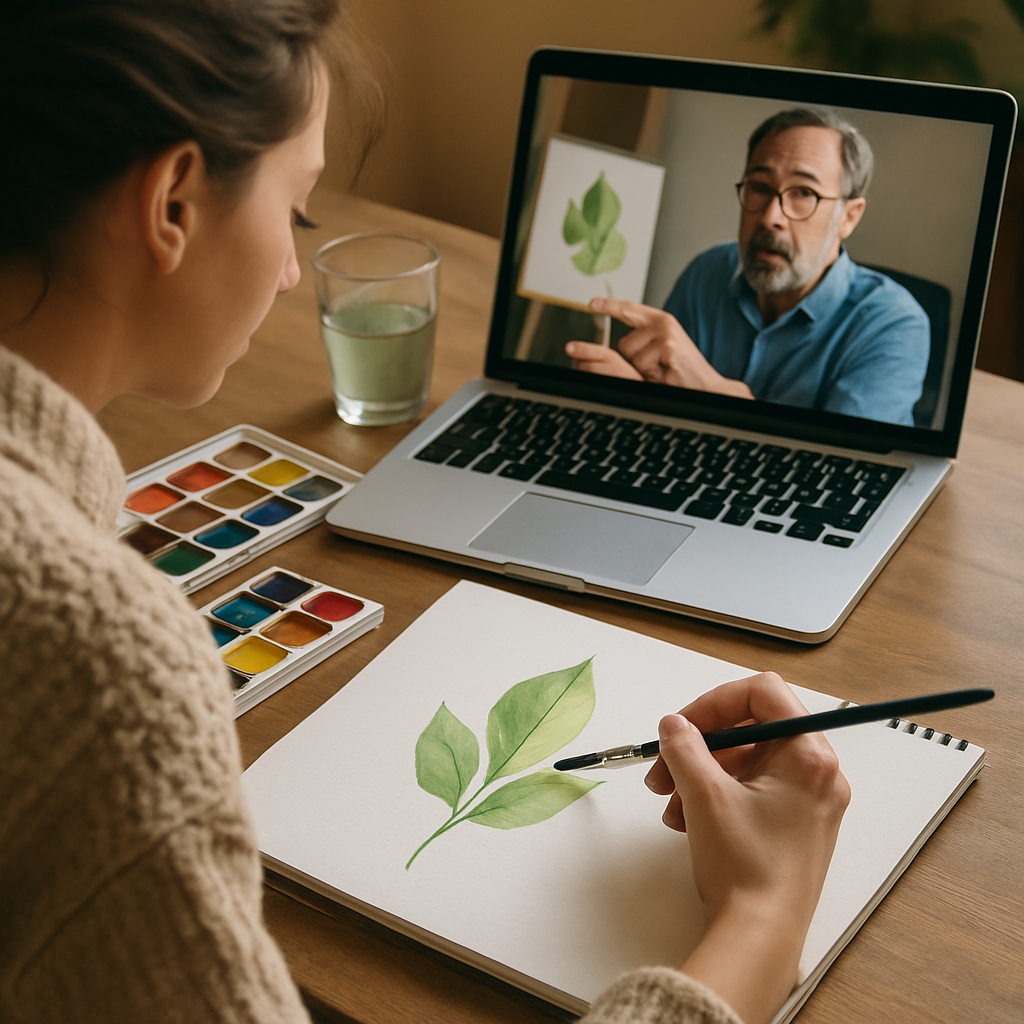
Think about it like this: You’re tackling your brush strokes, colors bleeding just right (or completely off), and you send off a photo or video of your work. Then, bam! You get back detailed, thoughtful feedback from your instructor. It’s like having a seasoned artist sitting right there with you, nudging you in the right direction without the pressure of a live classroom.
Why Personalized Feedback Matters So Much
Watercolor can be unpredictable. No two paintings will ever behave identically. That’s precisely where personalized critique shines. It’s not generic advice but kind of like a coach spotting your unique strengths and challenges.
Studies even back this up outside of art. For example, research on personalized feedback in health behavior shows it deeply enhances motivation and long-term engagement (Nature Scientific Reports). If you think about learning watercolor as a journey not unlike forming new habits, getting feedback that’s tailored to your progress helps you stick with it and build confidence.
So when you spot a water-heavy edge, a muddy color mix, or a brush stroke out of sync, you don’t just shrug. You get a friendly correction that makes your next attempt smoother and your skills sharper.
What Makes These Workshops Interactive?
Besides the personalized feedback, you’re looking at live or semi-live sessions where interaction happens in real time or near real time. Platforms usually include:
- Live video calls or Zoom sessions where you watch demos and ask questions
- Private groups—like on Facebook or dedicated forums—where you upload works and exchange with other learners
- Recorded critiques on student submissions, so you can revisit advice anytime
This setup feels less like a static course and more like a creative conversation.
Birgit O’Connor’s Atmospheric Landscapes class is a solid example. Students get to experiment with large, wet-on-wet washes and then receive direct feedback from Birgit herself through uploaded paintings and live Zoom sessions (Doodlewash review). Her encouragement to use proper materials and try big brushes changed many students’ entire approach to watercolor. Imagine having that kind of honest, thoughtful input right when you need it!
How to Make the Most of These Workshops
First, be ready to share your messy experiments. No one’s expecting perfection. In fact, expect to paint the same exercise several times. That’s how you internalize the techniques and learn what works for you.
Also, don’t shy away from asking questions during live sessions or posting in the community. You’d be surprised how many learners feel isolated until they tap into that collaborative vibe.
Lastly, gear matters. High-quality paper and brushes can make or break your experience. Workshops that offer material recommendations or sell kits usually do this because they want you to have the best shot at success.
Are you ready to jump into a course where you’re not just watching but genuinely growing? Interactive workshops with personalized feedback give you that edge. It’s like having a mentor and a cheerleader rolled into one—exactly what you need to take your watercolor skills from shaky to confident.
And hey, if you want to check out more about why personalized feedback motivates learning, exploring scientific insights can be surprisingly inspiring (Nature article on personalized feedback and persistence). It’s proof that tailored guidance isn’t just fluff—it’s a proven way to stick with your goals.
Comparison Table: Key Features of the Best Online Watercolor Painting Courses for Beginners
Picking the best online watercolor painting course for beginners can feel a bit like standing in front of a massive paint palette—so many colors, so many choices. You want a course that doesn’t just teach you to paint but actually makes you excited to pick up the brush again and again.
So, what really sets the top courses apart? It’s all about how they balance teaching foundational skills with keeping it hands-on and interactive. Some focus heavily on technique, while others sprinkle in community vibes or even personalized feedback. Let’s break it down with a side-by-side look at key features you’ll want to consider.
| Feature | Course A | Course B | Course C |
|---|---|---|---|
| Interactive Live Sessions | Yes, weekly Q&A with instructor | No, self-paced videos only | Monthly live critiques |
| Personalized Feedback | Individual critique on assignments | Peer review in forums | Automated feedback via quizzes |
| Materials Provided or Recommended | Comes with a starter kit + list | List only, no materials | Guidance on supplies, no kit |
| Community Access | Active private group | Public forum, less engagement | No dedicated community |
| Technical Skill Focus | Strong emphasis on brushwork & color theory | Basics covered, less depth | Focus on creative expression |
| Extra Resources | Bonus tutorials + downloadable PDFs | None | Supplemental videos and articles |
Looking at this, it’s clear that your choice depends on what’s irking you most about starting out. Are you craving live guidance, or would you rather dig in on your own, pausing and replaying whenever you want? Personalized feedback can be a game-changer — you get tailored tips that stop you from developing bad habits early on.
Don’t forget the value of a lively community. It’s a place to swap triumphs (and mess-ups), ask questions, and find that extra push when motivation dips. CreativiU’s approach, for example, highlights a robust community experience alongside expert feedback, which many learners find keeps their momentum going strong.
Worried about buying supplies you’ll barely use? Some courses include starter kits or detailed material lists, so you don’t have to play the guessing game. High-quality equipment can seriously change your experience, making blending colors and soaking papers less frustrating.
Confused by all the options? One pro tip: compare course previews or sample lessons. See who clicks with your learning style—the best online watercolor painting course for beginners should feel less like a chore and more like an artful conversation.
Want to get a deeper grasp of how to blend creativity with technical skill? Check out this guide on Mastering the Arts and Crafts of Problem Solving, which explores how art learning is best approached step-by-step, combining skill with joy.
Also, I found this ultimate guide to quality watercolor paint quite insightful for understanding why what you use matters as much as how you learn it. It’s a reminder that good materials and teaching go hand in hand.
At the end of the day, the best course for you fits your personality, schedule, and creative goals. So, go ahead—take a peek at a few, maybe even try free trials if available, and then dive in. Because that first stroke? It’s just the beginning of something truly yours.
FAQs About Choosing the Best Online Watercolor Painting Course for Beginners
Choosing the best online watercolor painting course for beginners can feel a bit like standing in front of a giant palette with too many colors—you want to pick the right one, but you’re not quite sure where to start. So, let’s unpack some of the most common questions that come up when you’re in the thick of this decision.
What should I look for in a beginner-friendly watercolor course?
Honestly, the best courses break things down in a way that feels doable, not overwhelming. Look for lessons that start with the basics—like brush strokes, color mixing, and understanding your materials—before diving into complex projects.
It’s also a huge plus if the course offers clear video demonstrations paired with easy-to-follow exercises. You want to feel like the instructor is sitting right there beside you, not lecturing from a mile away.
How important is the instructor’s teaching style?
It’s everything. You know that moment when you watch a tutorial and it either clicks or just makes you want to close the tab? That’s the instructor’s style working for you or against you.
Try to preview sample lessons when you can. This sneak peek helps you judge if their pace, tone, and explanations actually match how you learn best.
Are starter kits necessary, or should I buy my own supplies?
Good question. Starter kits can be a lifesaver if you don’t want to spend extra time researching which paints or brushes to get. They often include the essentials tailored to the course, so you’re not guessing what works.
But if you already have some supplies, check if the course lets you adapt lessons based on what you own. Flexibility there is key—because nobody wants to feel locked into buying stuff they might never use again.
What if I have a busy schedule? Can I still learn well online?
Absolutely. One major perk of online courses is you get to learn at your own pace. Most platforms let you pause, rewind, or skip ahead. Plus, some even offer community forums or live Q&A sessions, which means you can get feedback when it fits your day.
Don’t stress about finishing quickly—this is about enjoying the process. Your schedule might be tight, but even 15 minutes here and there adds up.
Will a beginner course help me develop my personal style?
That’s the big dream, isn’t it? A solid beginner course lays down the foundation, teaching techniques and helping you understand what different tools and colors do.
Once you’ve got those basics, you can start experimenting and finding what feels uniquely yours. Think of the course as your art buddy who gives you the rules first so you can confidently break them later.
Can I expect community support or feedback?
This varies by course, but it’s worth hunting for one that offers interaction with peers or instructors. Creative growth often sparks from sharing your work and getting candid, encouraging responses.
CreativiU, for example, emphasizes community, so you’re not painting alone in a vacuum. That connection can make a surprisingly big difference in staying motivated.
Have more questions swirling? Remember, choosing the best online watercolor painting course for beginners is about what clicks with your learning style, your goals, and yes, your patience with yourself as you start.
So, go on—take that first brushstroke. It’s just the start of a colorful journey you’ll never regret.
Conclusion
You know that feeling when you finally get that paintbrush moving and a splash of color surprises you in just the right way? That’s exactly the magic the best online watercolor painting course for beginners can bring into your life. It’s not just about learning techniques; it’s about rediscovering how to enjoy being creative, without the pressure of perfection.
Choosing the right course isn’t some checklist kind of deal, either. It’s more like picking a travel buddy who’ll stick with you as you explore new artistic terrain. And hey, it’s okay to start slow. Even a few minutes a day adds up, and that gentle momentum is what really helps you grow.
Don’t underestimate how much the community aspect matters, either. Getting feedback, sharing your work, or just knowing others are on the same journey can make all the difference. That’s where CreativiU shines—offering a space where you can learn, connect, and keep that creative flame alive.
So, what’s your next step? Maybe it’s signing up for a beginner-friendly watercolor course that feels right for you (yes, options like CreativiU exist for a reason). Or simply committing to pick up your brush today and let yourself play a bit. Because at the end of the day, the best course is the one that keeps you coming back, inspired and excited for what you’ll create next.
Leave a Reply