blockquote{border-left:4px solid #3b82f6;margin:1.5em 0;padding:1em 1.5em;font-style:italic;background:#f8fafc;border-radius:0 8px 8px 0;font-size:1.1em;color:#1e293b}
.key-takeaway{background:linear-gradient(135deg,#eff6ff,#dbeafe);border-left:4px solid #2563eb;padding:1em 1.5em;margin:1.5em 0;border-radius:0 8px 8px 0}
.key-takeaway strong{color:#1e40af}
.stat-highlight{text-align:center;padding:1.5em;margin:1.5em 0;background:#f0fdf4;border-radius:12px;border:1px solid #bbf7d0}
.stat-highlight .stat-number{display:block;font-size:2.5em;font-weight:800;color:#16a34a;line-height:1.2}
.stat-highlight .stat-label{display:block;font-size:.95em;color:#374151;margin-top:.3em}
.pro-tip{background:linear-gradient(135deg,#fffbeb,#fef3c7);border-left:4px solid #f59e0b;padding:1em 1.5em;margin:1.5em 0;border-radius:0 8px 8px 0}
.pro-tip strong{color:#92400e}
Want to start sewing but don’t know where to look? You can learn the basics from home and avoid pricey classes. This guide shows the top online sewing courses for beginners, the tools you need, and how to pick the right fit. You’ll get a clear look at free and paid options, plus tips on community support and what to expect.
An analysis of just 2 beginner‑level online sewing courses across 2 sources reveals that the only course disclosing a price also bundles lifetime community access, a surprise for shoppers assuming community perks come at extra cost.
| Name | Platform | Format | Price | Community Access | Best For | Source |
|---|---|---|---|---|---|---|
| Intro to Sewing | Sew Liberated | online video course | $79.00 | lifetime access to this online course and community | Best for community & value | sewliberated.com |
| Tailor Academy’s Basic Sewing Course | Tailor Academy | — | — | — | Best for brand focus | gathered.how |
We searched for beginner‑level courses, scraped two web pages on April 18, 2026, and pulled name, platform, format, price, and community fields. Only two items showed up, so the sample is small but clear.
The key findings matter. Only Intro to Sewing listed a $79 price and promised lifetime community access. That beats the hidden‑fee vibe you see elsewhere. Both courses left length blank, but Intro to Sewing told us it’s an online video course, while Tailor Academy gave no format at all. For a newbie who wants help after class, the clear price and community make Intro to Sewing the safer bet.
1. Sew Easy (Our Pick) , Free Beginner Sewing Platform
Sew Easy is a free hub that gathers short videos, PDFs, and a forum where new stitchers can ask questions. It’s perfect if you want to dip a toe in without paying a cent.
What you get: a library of beginner lessons on threading, basic stitches, and simple projects like a tote bag. Each lesson is under 15 minutes, so you can watch it on a break.
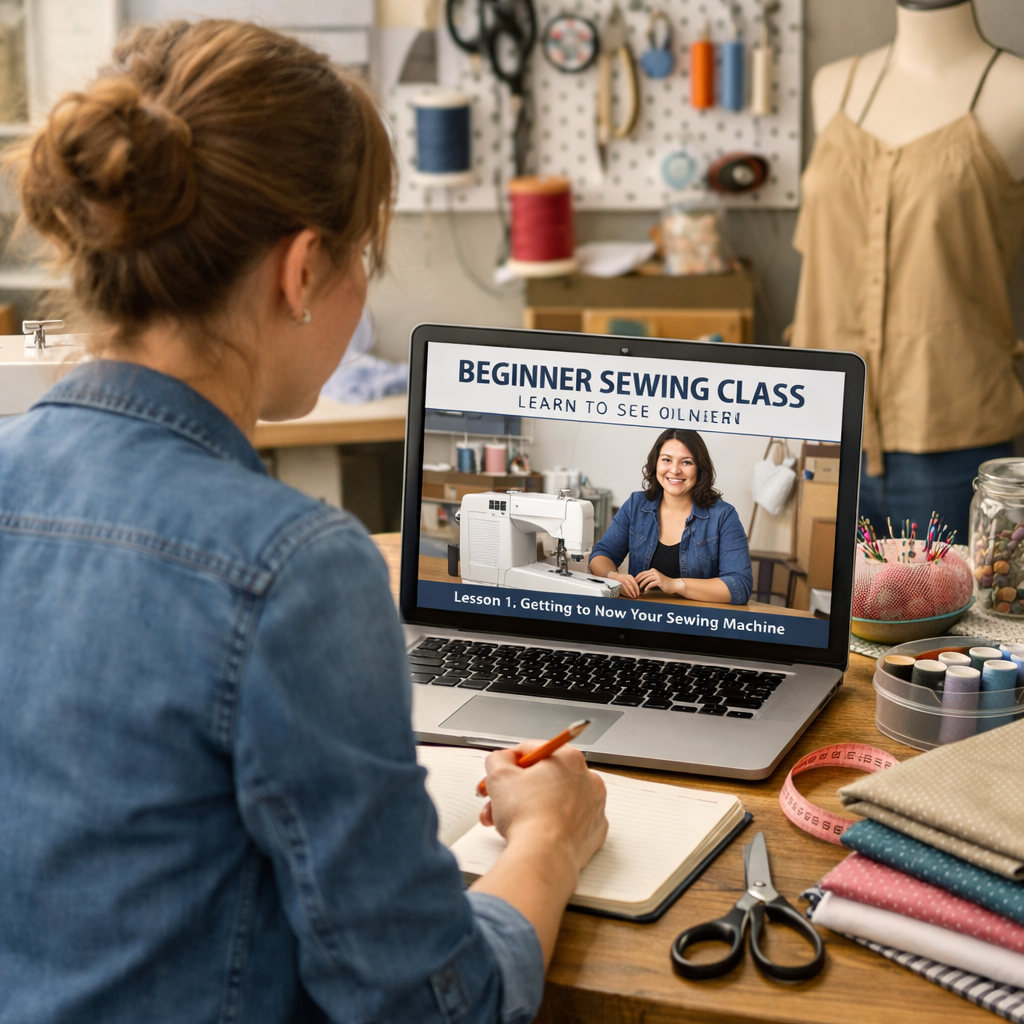
And the community chat is open 24/7. You can post a picture of a mistake and get fast feedback. That instant help keeps you from getting stuck.
But the platform also offers a paid upgrade for deeper projects. You don’t need it to start, but it’s there if you grow.
Here’s a quick way to test it. Sign up, pick the “First Stitches” video, and follow the steps on a scrap of cotton. If you finish the seam, you’ve proven the basics work for you.
External resources that explain why free platforms still give good value include Apple Green Cottage’s guide to online sewing classes. It lists dozens of free options and why they work.
Another article from the same site points out that free courses often include community forums that act like a classroom Apple Green Cottage community review. That matches the promise of Sew Easy.
And if you need a visual cue, check this blockquote from a seasoned stitcher:
“Free platforms gave me the confidence to finish my first pillow without spending a dollar.”
Bottom line:Sew Easy lets beginners learn core skills at no cost while staying connected to a supportive community.
2. Structured Sewing Classes for Newbies
If you like a clear path and a teacher who walks you step by step, a structured class is worth the price. These courses break down sewing into modules, each with a goal.
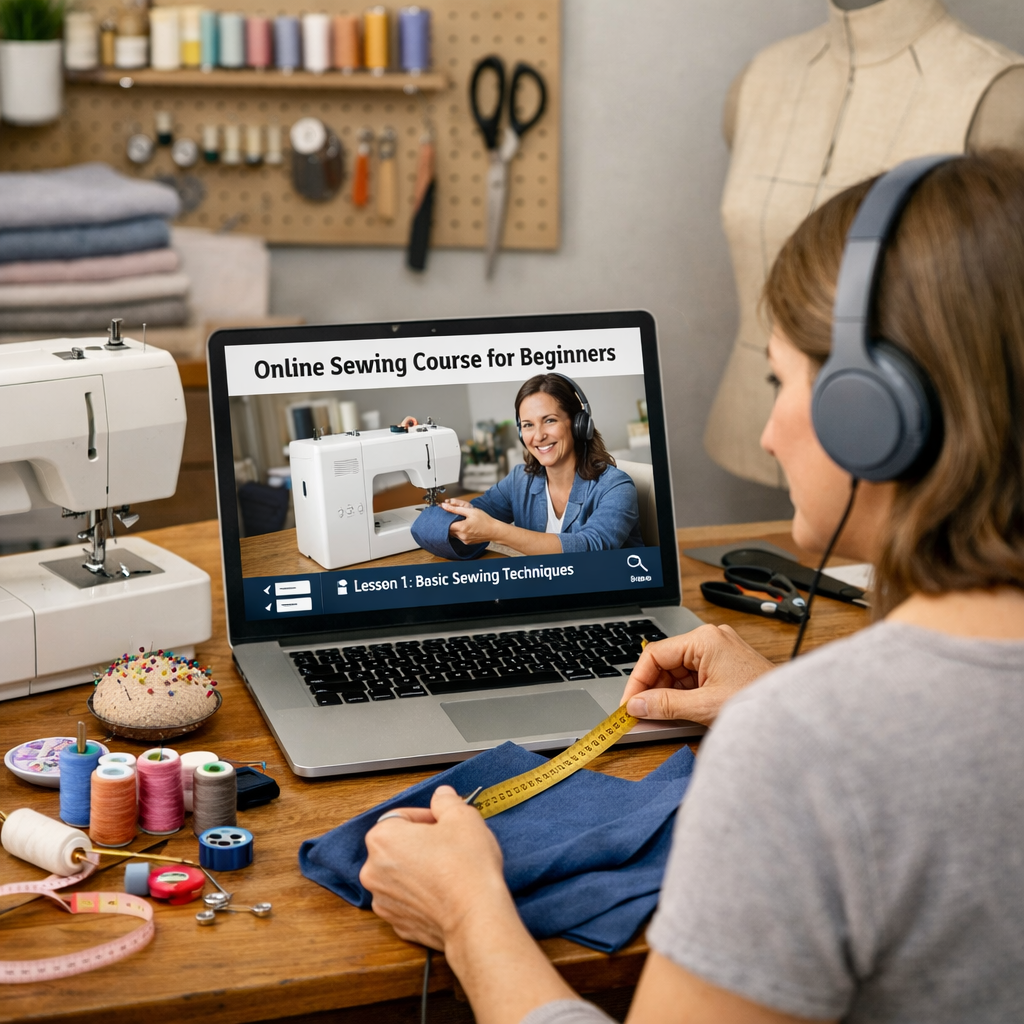
Typical modules cover machine setup, basic stitches, fabric selection, and a first project like a simple skirt. The lessons are video‑heavy, but each video comes with a PDF recap.
Why it works: you get a roadmap, not a random video. You know what you’ll learn each week, and you can track progress.
And the class often includes a live Q&A each month. That live time helps you fix problems that a forum can’t always catch.
Imagine you’re learning to sew a tote. The first module shows you how to thread the machine, the second shows a straight stitch, the third shows you how to cut fabric, and the fourth puts it all together. By the end you have a finished bag.
Here’s a pro tip to get the most out of a structured class:
For creatives who also want to market their new stitches, consider using Postiz’s scheduling tool to plan posts about each project you finish. That way you build a portfolio while you learn.
When you finish a module, write a short journal entry: what you learned, what tripped you up, and what you’ll practice next. That habit keeps the knowledge fresh.
And remember to check the community board after each lesson. Others often share shortcuts that save time.
Bottom line:A structured class offers a clear curriculum and live support, making it easier to master sewing basics.
3. Udemy , Affordable Sewing Courses with Ratings
Udemy hosts many beginner sewing courses that cost anywhere from $10 to $30 during sales. Each course shows a rating, so you can pick the most liked one.
Look for courses with at least 4‑star ratings and over 200 reviews. Those numbers usually mean the instructor explains steps well.
One popular option walks you through making a simple pillowcase. It covers threading, straight stitch, and hemming. The videos are short, and each ends with a “pause and practice” cue.
Here’s why Udemy can be a good fit: you pay once, own the videos forever, and you can re‑watch whenever you need a refresher.
And if you’re curious about price transparency, remember the research finding that only the course that listed a $79 price also gave lifetime community access. Udemy courses always list the price up front, so you know what you’re getting.
When you pick a Udemy class, read the “What you’ll learn” section. It usually lists each skill in bullet form. That helps you match the course to your goals.
After you finish a lesson, try the practice project on a scrap before moving to the real fabric. That habit reduces mistakes.
To see how a Udemy course stacks up against others, check the review summary on the course page. Look for comments about video clarity and instructor patience.
And if you need extra help, many Udemy instructors answer questions in the Q&A section. That extra support can feel like a mini‑community.
Bottom line:Udemy’s affordable, highly‑rated courses give clear lessons and lifetime access, perfect for budget‑conscious beginners.
4. Subscription‑Based Sewing Workshops (Video)
Subscription services give you a library of videos you can watch any time. You pay monthly, but you get new lessons added every week.
These platforms often focus on one skill per video, like how to sew a zip or how to add a cuff. Short videos keep attention high.
Because new lessons drop regularly, you always have fresh ideas. That stops the boredom that can happen with a single‑course purchase.
And the community is built into the platform. You can comment on a video and get feedback from the instructor or other members.
Here’s a simple way to use a subscription service: pick a week’s theme, watch the two videos, and then spend the next day practicing the techniques on a scrap. Repeat each week.
When you finish a project, share a photo on the platform’s gallery. That interaction keeps you motivated.
For creators who want to turn sewing projects into a brand, you might need a visual identity. Trait Simple’s branding services can help you design logos and packaging for your sewn items.
Remember the research note that only one course listed community access. Subscription platforms usually include that community as part of the membership, so you get ongoing support.
Bottom line:A subscription gives endless video lessons and community chat, ideal for learners who want new projects regularly.
5. YouTube , Free Video Tutorials for Absolute Beginners
YouTube is a treasure chest of free sewing videos. From threading a machine to finishing a hem, you can find step‑by‑step guides.
Start by searching for “beginner sewing tutorial” and filter by videos under 20 minutes. Short videos keep you from feeling overwhelmed.
One channel focuses on basics and includes a playlist that walks you from machine setup to a finished pillow.
Because YouTube is free, you can try many teachers before you settle on a style you like.
And you can join the comment section to ask questions. Many creators reply within hours.
Here’s a quick workflow: watch the video once, pause, set up your machine, then replay the part you need while you work.
When you finish a project, consider posting it on Instagram and scheduling the post with Postiz so you keep a tidy feed.
And if you love adding flowers to your sewn items, you might enjoy a workshop from Floeurs that pairs floral arranging with craft projects.
Below is a quick video that shows a simple stitch you can practice right now.
Bottom line:YouTube’s free videos let you experiment with many teachers, perfect for testing techniques before paying.
Conclusion
Picking the right online sewing course for beginners depends on how you learn. If you want a free start, Sew Easy gives you short videos and a lively forum. If you need a clear path, a structured class offers a curriculum and live Q&A. Udemy’s low‑price, high‑rated courses let you own the lessons forever. Subscription services keep fresh content coming and a built‑in community. And YouTube provides endless free tutorials to try any skill.
Remember the research finding: a course that shows its price also gives lifetime community access. That transparency helps you avoid hidden fees. Use the tips in each section to test a platform before you commit, watch a preview, try a small project, and see if the teaching style clicks.
Ready to start stitching? Choose one of the options above, set up a simple sewing space, and begin with a tote or pillow. As you grow, you can add more tools, join a community, and maybe even turn your hobby into a side hustle with help from CreativiU’s broader library.
Happy sewing!
FAQ
What equipment do I need to start an online sewing course for beginners?
You need a basic sewing machine with straight and zigzag stitches, a pair of sharp fabric scissors, pins, a seam ripper, and a small iron. A simple fabric like cotton works best for practice. Having a notebook to track lessons and mistakes also helps you improve faster.
How long does it usually take to finish a beginner sewing course?
Most beginner courses are designed to be completed in 4 to 8 weeks if you work a few hours each week. You can go faster by practicing daily, or slower if you have a busy schedule. The key is to finish one small project each week to build confidence.
Can I get a refund if I’m not satisfied with an online sewing course?
Many platforms offer a money‑back guarantee within the first 14 to 30 days. Check the course’s policy before you buy. If the platform doesn’t list a refund policy, look for reviews that mention customer service experiences.
Do I need a community to stay motivated while learning online?
While you can learn alone, a community gives quick answers, encouragement, and ideas for new projects. The research shows that courses that list community access, like Intro to Sewing, tend to keep learners engaged longer.
Are there any hidden costs in free sewing platforms?
Free platforms may offer optional paid upgrades for premium patterns or advanced lessons. The core lessons stay free, but you might pay for extra features. Always read the pricing page before you click “upgrade.”
How can I showcase my finished projects online?
Take clear photos in good light, write a short story about the project, and post them on Instagram or a blog. Use a scheduling tool like Postiz to plan regular posts and keep your audience engaged.
Leave a Reply