Ever stared at a quilt pattern and felt that knot of excitement mixed with a pinch of doubt?
You’re not alone. Most beginners think you need a fancy studio, endless supplies, or a lifelong mentor to start stitching something beautiful.
What if I told you you could learn the basics right from your couch, with step‑by‑step video lessons that pause for you to practice, then jump back in when you’re ready?
That’s the magic of online quilting classes for beginners – they strip away the myth that quilting is only for the seasoned, and hand you the tools you actually need: clear instructions, supportive community, and the freedom to learn at your own pace.
Think about the last time you tried a new hobby. Maybe you watched a YouTube tutorial, got lost in jargon, and gave up after a few minutes. With a structured course, you get organized modules, downloadable patterns, and quizzes that confirm you’ve mastered each stitch before moving on.
And the best part? You can fit a lesson into a coffee break, a lunch hour, or a quiet evening after the kids are in bed. No commute, no pricey fabric bundles you’ll never use.
So, how does it actually work? First, you sign up and choose a beginner track that covers everything from threading a needle to the basic half‑square‑triangle block. Then you follow video demos, practice on the suggested fabric, and share your progress in a forum where fellow learners cheer you on.
Imagine finishing your first quilt block and feeling that rush of pride, knowing you did it yourself without stepping foot in a traditional classroom.
Ready to turn that curiosity into confidence? Let’s dive in and explore what to look for in the perfect online quilting class, how to set up your workspace, and the first simple projects that will keep you stitching happily.
TL;DR
Online quilting classes for beginners give you step‑by‑step video lessons, downloadable patterns, and a supportive community so you can stitch confident blocks from your couch.
You’ll master essential stitches, finish your first quilt piece easily in weeks, and enjoy flexible learning anytime that fits around family, work, or coffee breaks.
Step 1: Choose the Right Online Quilting Platform
Alright, before you even pick up a needle, you need a learning home that actually guides you, not just shows a endless scroll of pretty fabrics. Think about the last time you tried a new app and got lost in menus—does that sound fun? No, right? That’s why the platform itself matters as much as the lessons.
What to look for in a quilting platform
First, check if the courses are broken into bite‑size modules. You want videos you can pause, rewind, and practice on the spot, rather than a 2‑hour marathon that leaves you guessing where to start. Look for downloadable patterns that you can print and keep in a folder—those PDFs are gold when you’re in the middle of a project.
Second, community support is a game changer. A forum or private Facebook group where beginners share photos, ask “why does this seam pucker?” and get encouragement makes the whole experience feel less lonely. If the platform offers live Q&A sessions, even better—you’ll get answers in real time instead of waiting weeks for an email reply.
Third, see how the platform handles progress tracking. Badges, quizzes, or a simple checklist help you see that you’ve actually mastered a stitch before moving on. It’s the equivalent of leveling up in a game, and it keeps motivation high.
Try before you commit
Most reputable sites give you a free trial or a sample lesson. Use that time to test three things: video quality, instructor pacing, and how easy it is to download patterns. If the video looks grainy on your laptop, you’ll be squinting every time you try to follow a seam line—don’t let that happen.
Also, pay attention to the teaching style. Do you feel like the instructor is talking to you over a cup of coffee, or are they rattling off jargon? A conversational tone (the kind we love here at CreativiU) makes the learning curve feel smoother.
And, just for fun, pop open the platform’s resource library and see if they have a guide like Introduction to Quilting Techniques. A solid foundation article tells you they care about beginners, not just selling advanced patterns.
Check the tech basics
Make sure the site works on the devices you own—desktop, tablet, or phone. Some platforms lock video playback to a computer, which defeats the purpose of learning during a coffee break on the couch. Mobile‑friendly design means you can pause the video, stitch for five minutes, then jump back in without missing a beat.
Bandwidth matters too. If you have a spotty internet connection, look for options to download videos for offline viewing. That way you can keep stitching even when the Wi‑Fi drops.
Cost vs. value
Price tags can be deceiving. A $30 monthly subscription might sound cheap, but ask yourself how many new projects you’ll actually complete in that month. Some platforms offer lifetime access for a one‑time fee—perfect if you plan to keep building your quilt library.
Don’t forget to hunt for coupon codes or seasonal discounts; they pop up around holidays and can shave off a good chunk of the price.
Finally, trust your gut. If a platform feels too salesy or the interface feels clunky, walk away. The right fit will make you say, “Yes, this is exactly what I need to finally finish my first block.”
Ready to start? Grab a notebook, write down the three platforms that check all these boxes, and sign up for their trial. You’ll know within a day which one feels like a cozy quilting studio in your living room.
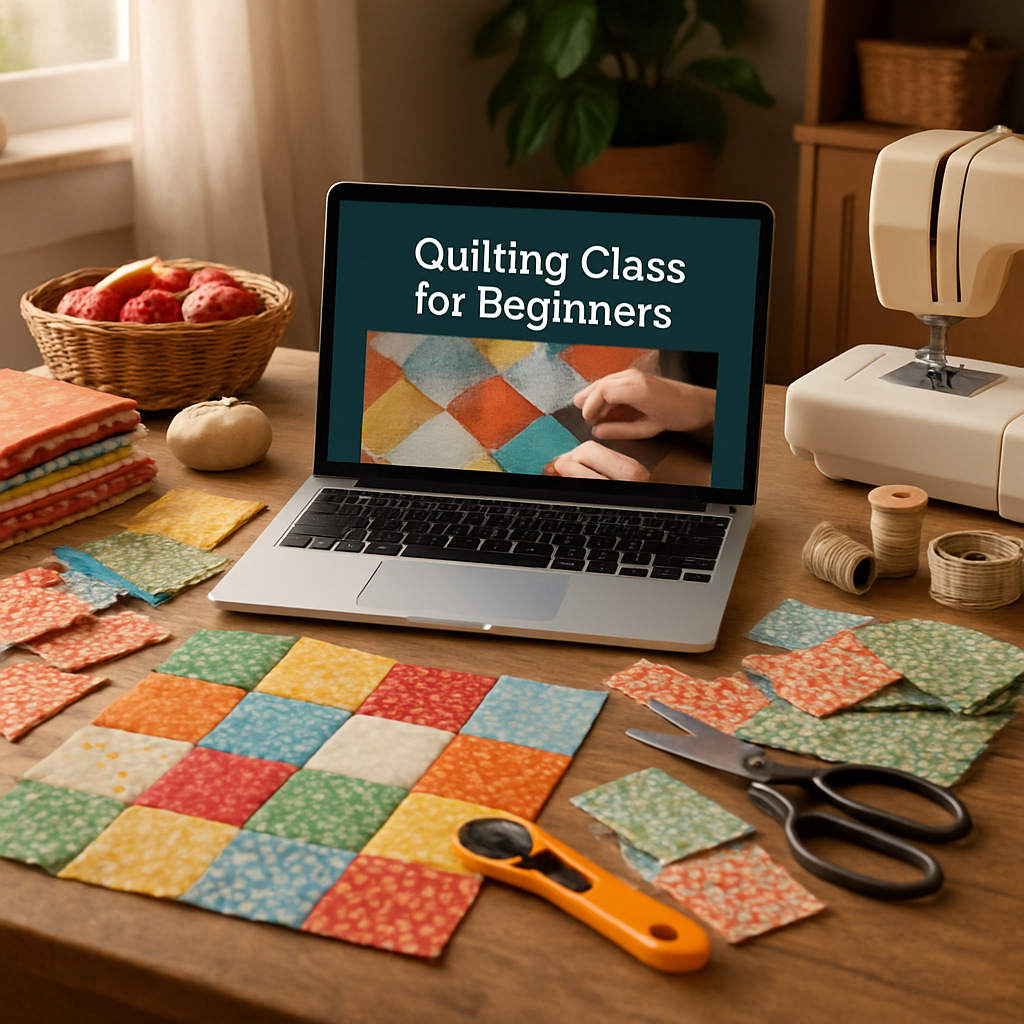
Step 2: Gather Essential Quilting Supplies
Okay, you’ve picked a platform, now it’s time to bring the physical side of quilting into the picture. Think of it as gathering the ingredients before you start cooking – the right tools make the whole process feel less like a chore and more like a happy accident.
So, what should you actually buy? Let’s break it down into three bite‑size buckets: the basics you can’t do without, the helpers that speed things up, and the little comforts that keep you smiling.
What you really need
First, the core items. You’ll need a good quilting needle (size 90/14 works for most cotton projects), a spool of all‑purpose thread, and a pair of sharp fabric scissors. If you’re still using the old school kitchen shears, you’ll notice the difference instantly – the fabric just slides.
Needles & Thread
A sharp needle prevents skipped stitches, and a polyester‑cotton blend thread gives you both strength and a bit of stretch. You don’t have to splurge on designer brands; a reliable mid‑range thread will do the trick for every beginner lesson.
Do you ever wonder why some videos show a different needle length? That’s because certain blocks need a longer eye to thread the bobbin quickly. Keep a couple of lengths on hand – you’ll thank yourself when you’re in the middle of a half‑square‑triangle.
Fabric basics
Buy at least two coordinating cotton fabrics: one for the quilt top and one for the backing. A 44‑inch wide bolt is a sweet spot; it’s big enough for most starter projects but not so massive that it overwhelms a home sewing table.
And don’t forget batting. A medium‑weight cotton or polyester batting gives a nice, even loft without feeling too heavy on a couch‑side quilting session.
Tools that make life easier
Now, the nice‑to‑have items that turn “meh” into “wow.” A rotary cutter with a clear ruler speeds up piecing, and a self‑healing mat protects your table while you slice fabric.
Marking tools are another secret weapon. A simple fabric chalk or a water‑soluble pen lets you trace seam lines without leaving permanent marks.
Ever tried a quilting ruler with a built‑in grid? It’s a game‑changer for aligning quarter‑inch seams. If you’re on a budget, a plain metal ruler and a pencil work just fine – the principle stays the same.
Setting up a cozy workspace
Before you spread those bolts out, think about where you’ll actually stitch. A sturdy table at the right height (around 36‑38 inches for most people) keeps your back from complaining later.
Lighting matters, too. A bright desk lamp with a flexible arm eliminates shadows and lets you see the tiny seam allowances that often cause frustration.
And because we’re all about comfort, keep a water bottle, a small snack, and maybe a favorite playlist within arm’s reach. The more you can stay in the zone, the faster the learning curve flattens.
Here’s a quick checklist you can print or jot down:
- Quilting needle (size 90/14)
- All‑purpose thread (poly‑cotton blend)
- Sharp fabric scissors
- Two coordinating cotton fabrics (44‑inch bolts)
- Batting (medium‑weight)
- Rotary cutter & ruler
- Self‑healing cutting mat
- Fabric chalk or water‑soluble pen
- Quilting ruler (optional)
- Sturdy table, good lighting, refreshments
Got everything on the list? Great. Grab your supplies, set up your little quilting nook, and you’ll be ready to hit the first video lesson without hunting for a missing tool mid‑stitch.
Remember, you don’t need a mountain of gear to start – just the right pieces that let you focus on learning. As you grow, you’ll add more specialty tools, but for now, this kit is all you need to turn “online quilting classes for beginners” into real, tactile progress.
Step 3: Learn Basic Stitches and Techniques
Okay, now that your workspace is set and your tools are within arm’s reach, it’s time to move from “looking at fabric” to actually making stitches.
Don’t worry, you don’t need to memorize a laundry list of stitches before you start – just a handful that open the door to most beginner projects.
Here’s the simple three‑step recipe we’ll follow: (1) learn the basic running stitch, (2) master the backstitch for seams that hold, and (3) practice the quilting‑specific stitch called the “straight‑line” or “grid” stitch that most online courses use to teach piecing.
Why mastering a few stitches matters
Because every quilt block, whether it’s a simple nine‑patch or a fancy star, is built from those same tiny moves. When you can lay down a clean running stitch, you instantly gain confidence to follow video tutorials without constantly pausing to “figure out what that line means.”
Step‑by‑step: The running stitch
Grab your quilting needle and a length of all‑purpose thread. Tie a tiny knot at the end – you’ll thank yourself when the thread slips out of the needle later.
Bring the needle up through the fabric about a quarter‑inch from the edge, then push it down a half‑inch away. Keep the stitches even; think of them like the beats in a song you’re humming while you work.
Practice for two minutes, then flip the fabric. If the stitches look straight and the tension feels consistent, you’ve nailed the running stitch.
Step‑by‑step: The backstitch
The backstitch is your go‑to for seams that need extra strength – think of it as the “glue” behind a quilt top.
Start with a small forward stitch, then bring the needle back into the end of that stitch and pull it through. Repeat the same motion: forward, back into the previous stitch, pull. The result is a solid line that won’t open up when you wash the quilt.
Step‑by‑step: The straight‑line (grid) stitch
Most “online quilting classes for beginners” teach the grid stitch early because it’s the backbone of piecing a quilt top. Here’s how to get it right.
Set your fabric pieces together with the seam allowance (usually ¼‑inch). Use a fabric‑safe marker to draw a straight line along the seam – this is your visual guide.
With the backstitch in hand, start at one corner, make a tiny running stitch for a few millimetres, then backstitch into that point. Continue across the seam, alternating a short run with a backstitch every few stitches. The short runs keep the line smooth, the backstitches lock it in place.
Practice routine
Pick a simple 4‑inch square of cotton, set up a ¼‑inch seam, and stitch the three stitches in order. Do three rows of each – that’s only about ten minutes a day, but it builds muscle memory faster than any video alone.
What to do when you hit a snag
If your stitches look wobbly, pause the video, check your tension, and re‑thread the needle. It’s totally normal to have a few “oops” moments – even seasoned quilters recall the first time they tangled a bobbin.
Once you feel comfortable with those three stitches, you’ll notice the “aha!” moment when a video lesson jumps from “watch me stitch” to “your turn.” That’s the sweet spot where online quilting classes for beginners stop feeling like a tutorial and start feeling like a real project.
Step 4: Follow a Structured Beginner Project
Now that you’ve got your space set up and the basic stitches under control, it’s time to let a real project pull you forward.
Ever felt the excitement of opening a new craft box and then… nothing? That’s because you jumped straight into a “free‑form” quilt without a roadmap. A beginner‑friendly project gives you just enough structure to stay motivated while still letting you experiment.
Pick a project that matches the skills you’ve just learned
Look for something that uses the running stitch, backstitch, and the grid stitch you practiced. A classic nine‑patch block or a simple “star‑burst” quilt top is perfect – only four fabric pieces, a handful of seams, and a satisfying finished square.
Why not choose a project that also doubles as a gift? Imagine finishing a mini‑quilt for a friend’s birthday; the purpose adds a little extra push.
Break the project into bite‑size milestones
Step 1: Cut all fabric pieces to the same size. Tip: Use a rotary cutter and a 9‑inch ruler so every piece is identical – no guesswork.
Step 2: Assemble the first row of blocks. Align the seam allowances, mark the line with a fabric‑safe pen, and stitch with your grid stitch. Pause the video after each row and check that the seams are straight.
Step 3: Press the seams flat. Pressing not only makes the quilt look professional, it also reinforces the stitches you just made.
Step 4: Repeat for the second and third rows, then sew the rows together. You’ll see the pattern come alive and the confidence grow with each seam.
Use the course’s built‑in project tracker
Most online quilting classes for beginners, including CreativiU’s library, have a “project checklist” that you can tick off as you go.
It’s a tiny digital habit that turns “I’m working on a quilt” into “I’ve completed three rows today.” That little win‑button is why many beginners stick with the course beyond the first week.
Mini‑checklist for your first project
- Choose a pattern (nine‑patch, star, or beginner block).
- Gather two coordinating cotton fabrics and batting.
- Cut fabric pieces using a rotary cutter and ruler.
- Mark seam lines with a water‑soluble pen.
- Stitch the first row with the grid stitch.
- Press seams, then assemble the next rows.
- Finish the quilt top, add batting, and bind the edges.
Seeing these items checked off one by one feels like a mini‑victory parade.
What to do when the project feels overwhelming
Does the idea of sewing multiple rows make your stomach flip? You’re not alone. The trick is to treat the quilt like a series of small, repeatable tasks rather than a monolithic monster.
If a row looks crooked, pause the video, re‑measure your seam allowance, and redo just that row. It’s faster than trying to fix the whole quilt later, and you’ll learn to troubleshoot on the fly.
And remember: it’s okay to take a break. Put the quilt aside for a day, come back with fresh eyes, and the misaligned seams will often look perfectly fine.
Showcase your progress
Upload a photo of each finished row to the class community forum. The instant feedback (“Wow, those seams are so crisp!”) fuels motivation and connects you with other beginners who are cheering you on.
Even a quick “before and after” shot can become a portfolio piece when you’re ready to market your quilting skills.
Finally, celebrate the moment you stitch the last seam. That’s the point where a structured beginner project turns into a real, touchable quilt you can be proud of.
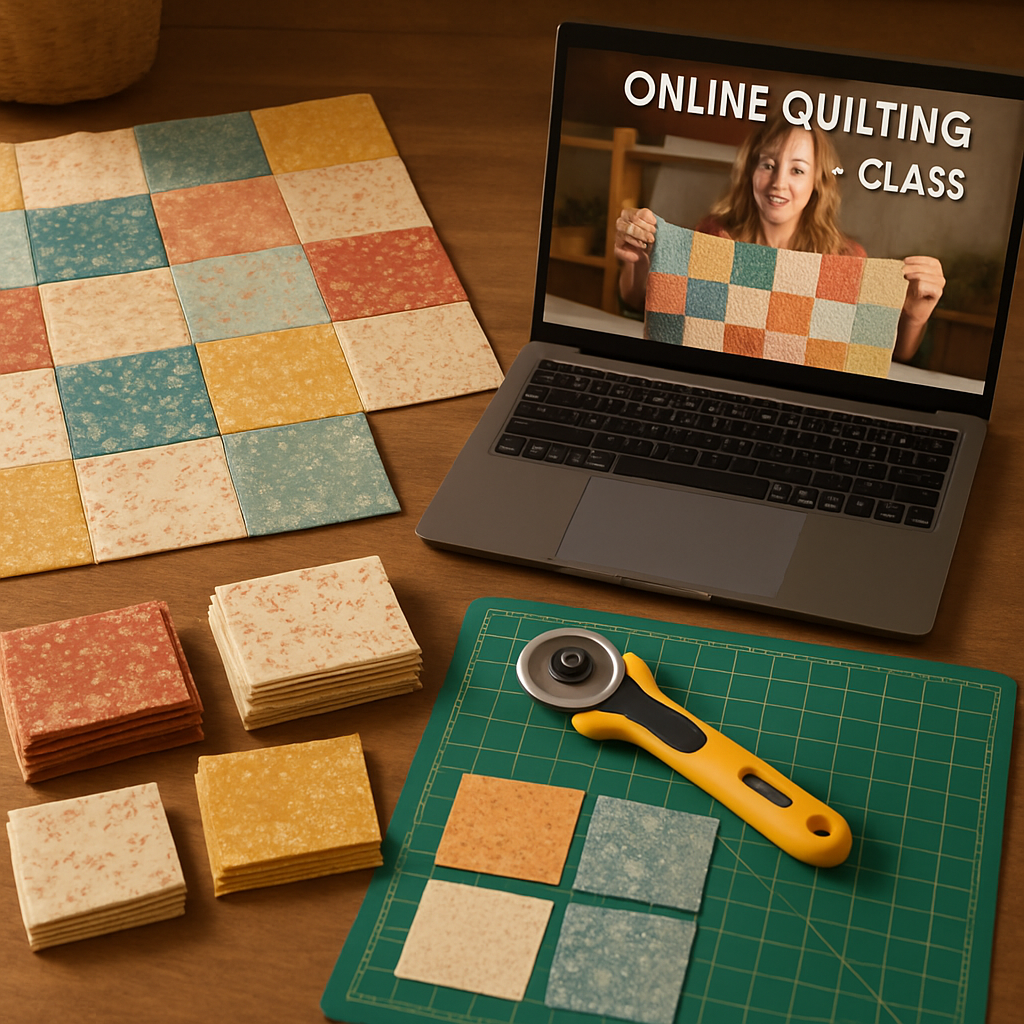
When you finish, share the completed mini‑quilt on social media with #CreativiUQuilt. Watching friends comment on your work reinforces the habit and inspires the next project.
Step 5: Compare Class Options and Pricing
Alright, you’ve stitched a few rows, you’ve got that mini‑quilt humming in your hands, and now it’s time to decide which online quilting class will actually move you forward without draining your wallet.
Why a side‑by‑side comparison matters
Imagine walking into a fabric store and seeing three bolts of the same cotton, but only one has the perfect weight and colour you need. The same idea applies to courses – a quick glance at features, price, and community vibe can save you weeks of trial and error.
So, what should you look at?
Key criteria to evaluate
1. Course structure – Does the class break lessons into bite‑size videos, PDFs, and quizzes? A well‑structured syllabus keeps you from feeling lost.
2. Live support – Is there a weekly Q&A, a forum, or a mentor inbox? Knowing you can ask “Why does my seam keep puckering?” and get a fast answer makes a huge difference.
3. Materials list – Some courses ship a starter kit; others expect you to buy everything yourself. Check the cost of the kit versus what you already have.
4. Pricing model – Subscription vs one‑time fee vs pay‑per‑module. Figure out which fits your budget and how often you plan to take new classes.
5. Community access – A thriving forum or social group can turn a solo hobby into a shared adventure. Look for active threads, challenge weeks, and member showcases.
Quick decision‑making table
| Feature | CreativiU | Typical Competitor |
|---|---|---|
| Course layout | Modular videos + downloadable worksheets | Long‑form videos only |
| Live help | Weekly live Q&A + private forum | Monthly office hours |
| Starter kit | Optional kit $39 (covers basics) | Required kit $79 |
| Pricing | $19/mo unlimited access or $199 one‑time | $29/mo limited courses |
| Community vibe | Member‑run challenges, #CreativiUQuilt | Low‑activity board |
Notice how CreativiU keeps the optional kit cheap and offers a clear subscription option? That flexibility can be a lifesaver if you’re just testing the waters.
Step‑by‑step: How to compare yourself
Step 1 – List your must‑haves. Write down three non‑negotiables, like “live Q&A” or “downloadable patterns.”
Step 2 – Gather pricing info. Pop the numbers into a simple spreadsheet. Include any hidden costs, such as required fabric bundles.
Step 3 – Test the community. Join a free trial forum or skim the latest discussion threads. If you feel a “welcome” vibe within the first few posts, you’re probably in the right place.
Step 4 – Watch a sample lesson. Most platforms let you preview a video. Pay attention to pacing – does the instructor speak like a friend or like a textbook?
Step 5 – Calculate value. Divide the total cost by the number of courses you expect to take in a year. A higher upfront fee can still be cheaper per class if you’re a frequent learner.
Real‑world example
Jane, a stay‑at‑home mom, started with a $199 one‑time purchase on CreativiU. She used the unlimited access to finish three beginner projects in three months, saving roughly $150 compared to buying three separate $79 kits elsewhere.
She also loved the weekly live Q&A because she could ask, “Why does my bobbin keep slipping?” and get a solution before the next stitch.
Pro tip: Use a trial period as a litmus test
If a platform offers a 7‑day money‑back guarantee, treat those seven days like a “sample quilt block.” Try a lesson, post in the forum, and see if the pacing feels right. If it feels off, you can cancel without losing anything.
And remember, the cheapest option isn’t always the best. A slightly higher price that includes live support and a vibrant community often translates into faster progress and less frustration.
What to do next?
Grab a pen, sketch a quick comparison chart (you can even print the table above), and rank each option on a 1‑5 scale for the criteria that matter most to you. The highest‑scoring class is the one you should enroll in.
Once you’ve chosen, hit “Enroll,” set a weekly reminder on your calendar, and dive back into that quilt with fresh confidence.
FAQ
What makes online quilting classes for beginners different from a YouTube tutorial?
When you jump into a YouTube video you get a single lesson, but no structure. A dedicated online quilting class for beginners gives you a roadmap: progressive modules, practice assignments, and built‑in feedback loops. That way you’re not just watching—you’re actually applying each stitch, checking your work, and moving forward with confidence.
Do I need any special equipment before I start?
Not really. Most beginner courses assume you have the basics: a rotary cutter, ruler, fabric scissors, and a quilting needle. If you’re missing a rotary cutter, a sharp pair of scissors works fine for the first few projects. The key is to start simple, then add tools as you see the need—no pricey kit required.
How much time should I set aside each week?
Consistency beats marathon sessions. Aim for 30‑45 minutes a day, three to four times a week. That short burst keeps the muscle memory fresh without overwhelming you. If a lesson feels long, pause, practice the stitch, then come back. Over a month you’ll have logged enough practice to notice smoother seams and less frustration.
What if I get stuck on a technique?
Most platforms include a live Q&A or community forum where you can post a quick photo or video clip. Think of it as a virtual sewing circle: someone will spot the issue—maybe a seam allowance that’s off by a millimeter—and give a fix right away. The instant feedback is what turns a stuck moment into a learning win.
Are there trial periods, and should I use them?
Absolutely. Treat the trial like a sample quilt block: work through a lesson, join a discussion, and see if the instructor’s pacing feels right. If the vibe feels off, you can cancel without losing anything. That little experiment saves you weeks of frustration down the line and helps you pick the perfect fit.
Can I still get a sense of community without meeting in person?
Yes—online quilting classes for beginners often host private forums, weekly challenges, and even live stitch‑alongs. Share a photo of your latest row, comment on a fellow learner’s progress, and you’ll feel the same supportive buzz you’d get at a local guild, just from your couch.
Will I ever be able to create a finished quilt on my own?
Definitely. By the end of a well‑structured beginner course you’ll have completed at least one full‑size project—often a simple nine‑patch or star‑burst block quilt. The course’s checklist and milestone system guide you step‑by‑step, so when you finally stitch that last seam, you’ll know exactly how you got there, and you’ll have the confidence to tackle bigger designs.
Conclusion
So, you’ve walked through trial periods, compared pricing, and even imagined stitching that first finished seam. If you’re still wondering whether online quilting classes for beginners are worth the jump, the answer is simple: they’re a shortcut to confidence.
Think about the moment you finally see a perfectly even half‑square triangle pop up on your screen, then appear in your hands. That instant bridge—from video to fabric—is what turns a hobby into a skill you can brag about.
Here’s the quick takeaway: pick a class that breaks lessons into bite‑size videos, offers live Q&A, and has a buzzing community. Stick to a 30‑minute practice slot three times a week, and use the built‑in checklist to mark each milestone.
And remember, the best learning happens when you share. Post a quick photo of your progress, ask a question, celebrate the tiny wins. The support you get there will keep the frustration at bay.
So, what’s the next step? Grab the free trial of the platform you liked most, set a calendar reminder for your first practice session, and start that first block today. You’ll be amazed at how fast the pieces fall into place. Your new quilt will thank you.
Happy stitching!
Leave a Reply