Ever found yourself scrolling through endless art tutorials, feeling like you’re piecing together a puzzle without the picture on the box? You’ve probably tried a few free YouTube videos, only to end up more confused about brush pressure than actually creating something you love.
That moment of frustration is the gateway to discovering why online art classes for adults have become a game‑changer. Imagine swapping that vague “how‑to” video for a structured course where an instructor walks you through each step, answers your questions in real time, and gives you feedback that actually matters.
Take Maya, a busy marketing manager who wanted to unwind after work. She signed up for a beginner watercolor class and, within three weeks, completed a series of landscapes she’s now proudly sharing on Instagram. Or think about Jamal, a freelance graphic designer who needed to diversify his portfolio. He dove into an online mixed‑media course, learned how to combine collage with digital illustration, and landed two new clients who loved his fresh style.
So, how do you turn that curiosity into consistent progress? Here are three concrete steps you can start today:
- Set a clear, achievable goal – like finishing a 30‑minute sketch each week.
- Pick a platform that offers a curriculum, not just random videos. Exploring Drawing Classes Online for Adults: Resources, Benefits, and How to Get Started breaks down the best options.
- Create a dedicated space, even if it’s a small corner of your living room, and keep your supplies organized so you can jump in without hesitation.
And remember, the beauty of online learning is flexibility. You can fit a 20‑minute lesson into a coffee break, or dive deep during a weekend retreat. Does that sound like the kind of creative routine you’ve been looking for?
Let’s face it – the first step is often the hardest. But once you’re in a supportive class environment, the momentum builds, and you’ll find yourself finishing projects you once thought were out of reach. Ready to give it a try?
TL;DR
Online art classes for adults give you structured, bite‑size lessons that fit into coffee breaks, turning scattered tutorials into truly real skill growth for you.
Follow our three simple steps—set a clear goal, pick a curriculum‑rich platform, and create a dedicated creative nook—to start painting, drawing, or mixed‑media confidently today.
Choosing the Right Medium for Online Art Classes
Ever stared at a blank canvas and wondered whether you should pick watercolor, charcoal, or maybe dive into digital illustration? That moment of indecision is totally normal, especially when you’re juggling a full‑time job and a creative itch.
First, think about the vibe you want. Are you after the tactile joy of wet paint spreading on paper, or do you crave the limitless undo button of a tablet? The medium you choose shapes the whole learning experience – it influences the tools you need, the time you’ll spend prepping, and even the type of feedback you’ll get from instructors.
Assess Your Space and Gear
Do you have a dedicated nook with good lighting? If your living room doubles as a home office, a compact medium like sketching or digital drawing might fit better than a messy acrylic set that needs splatter‑proof walls.
On the other hand, if you’ve got a garage‑turned‑studio, you could go big with oil painting or even pottery. The key is matching the medium to the space you actually have – no point buying a kiln when you live in a one‑bedroom apartment.
We’ve seen hobbyists who started with pencil drills and later upgraded to water‑based inks once they realized they loved the fluidity. It’s okay to start small and scale up as confidence builds.
Consider Your Learning Style
Some people learn best by watching a live demo and then mimicking the strokes in real time. Others prefer step‑by‑step written guides they can pause and return to. Online platforms often categorize courses by medium, so you can filter for “live‑interactive watercolor” or “self‑paced charcoal basics” depending on what clicks for you.
In our experience, pairing a medium that aligns with your preferred learning pace makes the whole process feel less like a chore and more like a natural extension of your day.
For a quick deep‑dive into how to pick the perfect drawing class, check out Exploring Drawing Classes Online for Adults. It breaks down the decision‑making process with a handy checklist.
Budget and Material Costs
Materials can add up fast. A decent set of professional watercolor paints might cost $30‑$50, while a basic tablet and stylus could be a one‑time $100‑$150 investment. If you’re on a shoestring budget, start with a medium that uses inexpensive supplies – like graphite pencils or a free digital drawing app.
Don’t forget to factor in recurring costs like subscription fees for premium platforms. Some sites bundle everything you need, while others expect you to source your own brushes and canvases.
So, what should you do next? Take a quick inventory of what you already own, and match that against the medium that excites you the most.
Once you’ve settled on a medium, you might wonder how to showcase your new creations. One great way is to browse inspirational pieces from other artists. Gratitude Studios offers a beautiful collection of landscape artworks that can spark fresh ideas for your own practice.
Watching a short tutorial can clarify the subtle differences between, say, wet‑on‑wet versus wet‑on‑dry techniques in watercolor, and it’s a great way to see the medium in action before you commit.
After the video, give yourself a mini‑challenge: spend 15 minutes experimenting with the chosen medium, no pressure, just pure exploration. You’ll quickly notice whether it feels intuitive or frustrating.
If you’re thinking about turning your new skill into a side hustle, remember that visibility matters. A solid SEO strategy can help your art get found online. Rebelgrowth provides tools to boost your online presence, which is especially handy for creative entrepreneurs looking to sell prints or teach their own classes.
Finally, celebrate the small wins. Finished a first sketch? Posted a watercolor splash on Instagram? Those moments are the fuel that keeps the creative habit alive.
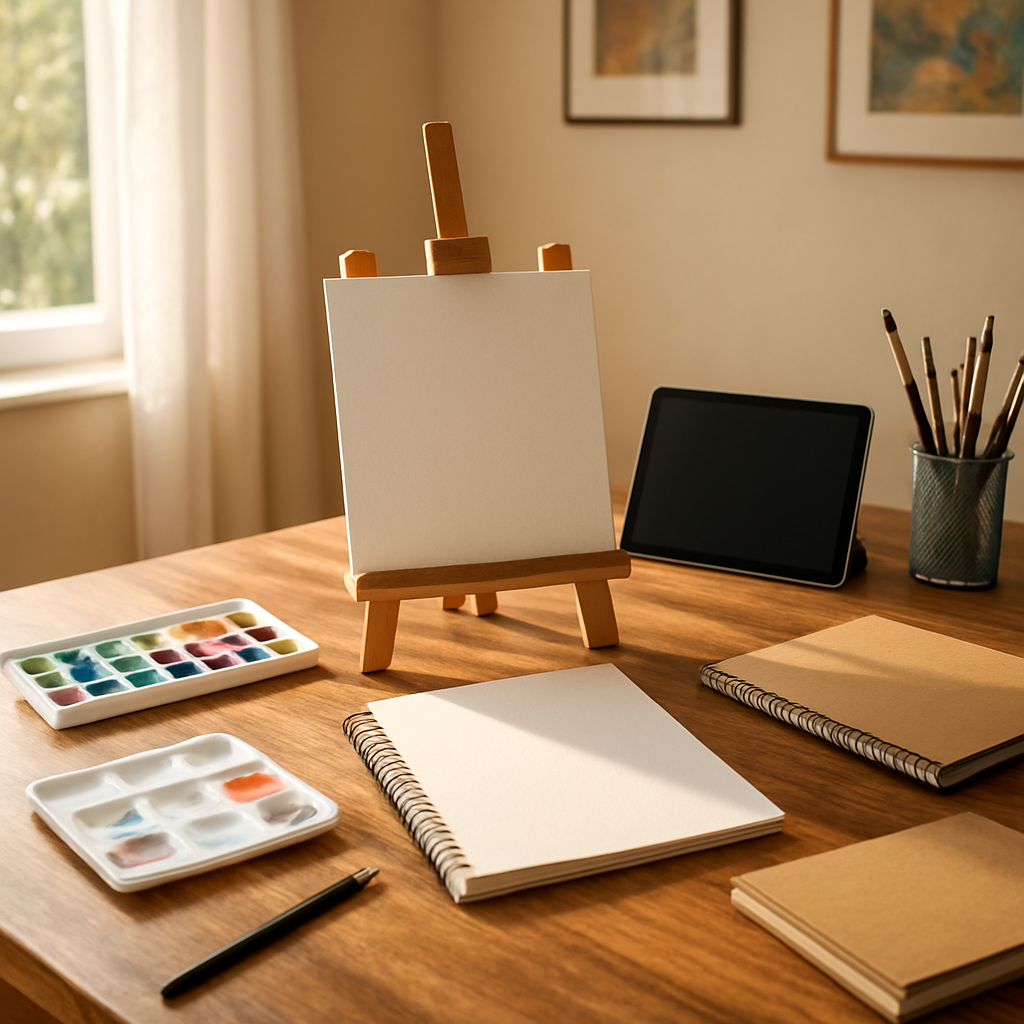
Setting Up Your Home Studio for Virtual Learning
Picture this: you’ve just booked your first online art class for adults, the instructor’s screen lights up, but your living room looks more like a coffee‑stained battlefield than a creative haven.
That moment of chaos is the perfect cue to carve out a dedicated nook where you can focus, store supplies, and actually enjoy the lesson.
Step 1 – Choose the right spot. Look for a corner with good natural light or a lamp that mimics daylight. If you share a space, pick a spot that won’t be constantly interrupted.
Step 2 – Define your boundaries. A simple “Do Not Disturb” sign on the door, a folded towel over the chair, or even a small room divider tells family or roommates that you’re in teacher‑mode and need a few uninterrupted minutes.
Step 3 – Gather the essentials. Pull out the basics you need for your chosen medium – a couple of watercolor brushes, a palette of three acrylic colors, a sketchbook, and a sturdy table that sits at elbow height. Keep a small tray for water cups, wipes, and extra paper so nothing gets lost under the couch.
A quick checklist works wonders:
- Table at elbow height
- Two brushes for your medium
- Palette or color set you’ll use
- Sketchbook or paper pad
- Water container & cloth
- Lighting lamp
- Laptop stand & charger
Step 4 – Optimize tech. Position your computer or tablet so the screen is at eye level; a cheap laptop stand does the trick. Test your microphone and camera before the first class – a clear audio feed means the instructor can hear your questions without you shouting across the room.
And don’t forget the internet. A wired Ethernet connection or a router placed close to your studio reduces lag, which is a lifesaver when you’re trying to follow a live demonstration.
Step 5 – Tame the clutter. Store extra tubes, rolls of paper, and glue sticks in a rolling cart or a set of clear plastic bins. Label each bin with a sticky‑note – “Watercolor”, “Acrylic”, “Mixed Media” – so you can grab what you need in seconds.
Step 6 – Light it right. If natural light is limited, invest in a daylight LED lamp with adjustable brightness. Position the lamp at a 45‑degree angle to avoid glare on your screen and to illuminate your work surface evenly.
A little habit can boost focus: before you hit “join”, spend two minutes arranging your tools exactly as you’d like them. It’s like a warm‑up ritual that signals your brain you’re ready to learn.
Now, let’s see this in action. Below is a short video that walks through a typical studio setup, pointing out the small tweaks that make a big difference during a live class.
Notice how the host keeps the palette within arm’s reach and folds the laptop stand to create extra desk space. Replicate those moves, and you’ll spend less time hunting for a brush and more time actually painting.
So, what’s the next step? Pick a corner today, pull out a sketchbook, and give yourself 15 minutes to arrange the basics. You’ll be amazed at how quickly the space transforms from a random corner into a creative launchpad.
Top Platforms Offering Online Art Classes for Adults
1. Udemy – The Marketplace of Choice
When you search for “online art classes for adults” Udemy pops up first. The platform hosts thousands of courses, from beginner watercolor to advanced digital illustration. What we love is the price flexibility – you can grab a single class for under $20 or snag a subscription during sales.
Udemy’s massive catalog of art courses means you’ll likely find a teacher whose style clicks with you. And because each course is self‑paced, you can fit a 20‑minute lesson into a coffee break or a full‑hour session on a lazy Sunday.
According to a recent roundup, Udemy alone offers over 4,000 premium art courses rated 4.5 stars or higher, making it a solid starting point for hobbyists and creative entrepreneurs alike.source
2. Skillshare – Community‑Driven Learning
Skillshare feels more like a club than a store. Classes are broken into bite‑size video lessons followed by short projects you can share with the community. That peer feedback loop is gold for adults who thrive on encouragement.
For creators looking to monetize, many instructors include tips on turning your art into a side hustle – think Etsy shops or freelance commissions. The subscription model gives you unlimited access, so you can hop from a charcoal portrait class to a mixed‑media experiment without paying per class.
3. Domestika – High‑Production International Courses
If you’re after polished production values and teachers who are industry pros, Domestika delivers. Each course feels like a mini‑masterclass, complete with subtitles in multiple languages.
The platform shines for niche mediums – think textile design, 3D illustration, or hand‑lettering. Because lessons are project‑oriented, you finish with a portfolio‑ready piece that you can showcase on social media or to potential clients.
4. CreativiU – Tailored for the Adult Learner
Our own platform, CreativiU, is built around the adult learner’s schedule and goals. We bundle courses into skill tracks, so you don’t have to hunt for the next class – the next step is already mapped out.
What sets us apart is the community hub where hobbyists, creative entrepreneurs, and personal‑development seekers can swap critiques, ask questions live, and even collaborate on joint projects. The on‑demand library means you can start a watercolor lesson at 7 am and pick up a digital painting tutorial at 9 pm, all without leaving the site.
5. Coursera – Academic‑Level Art Programs
For adults who want a more structured, credential‑bearing experience, Coursera partners with universities and art schools. You’ll find specializations that span weeks or months, complete with peer‑graded assignments and sometimes a shareable certificate.
While the price point is higher than a typical marketplace, the depth of feedback and access to faculty can be a game‑changer for those aiming to pivot into a creative career or add a formal credential to their résumé.
6. The Great Courses Plus – Lecture‑Style Mastery
If you prefer a professor‑style lecture with a focus on theory – color theory, art history, composition – The Great Courses Plus offers a library of art courses that feel like a semester of college, but on your couch.
These courses are less hands‑on than a Skillshare workshop, but they give you the conceptual backbone that makes your practice more intentional.
Choosing the Right Platform for You
Ask yourself three quick questions: Do you need a fast, affordable start? (Udemy or Skillshare.) Do you crave community and project‑based feedback? (Skillshare, Domestika, CreativiU.) Are you after a credential or deep theory? (Coursera, The Great Courses Plus.)
Once you’ve matched your goal, set a simple test – sign up for a free trial, complete the first lesson, and see if the teaching style clicks. If it does, commit to a weekly schedule and watch your skills grow.
Comparing Course Formats: Live Sessions vs. Self-Paced
When you finally decide to invest in online art classes for adults, the first fork in the road is usually the format: do you want a real‑time, instructor‑led experience, or the freedom of a self‑paced module? Both have their own rhythm, and the right choice often depends on how you learn, how much structure you crave, and what you’re trying to get out of the class.
What Live Sessions Feel Like
Imagine logging into a Zoom room, coffee in hand, and seeing the instructor sketch a landscape right before your eyes. You can raise your hand, ask “Why does the sky look pink here?” and get an answer seconds later. That immediacy creates accountability – you’re less likely to hit the snooze button when someone’s waiting for you.
Real‑world example: Maya, a marketing manager, joined a live watercolor workshop on How to Get Started with Online Acrylic Painting for Beginners. The weekly live critiques helped her spot a recurring mistake – over‑loading water on her paper – and she corrected it within two sessions. Within a month she felt confident enough to sell a small set of prints on Etsy.
Pros of live sessions:
- Instant feedback and Q&A.
- Community energy – you see other learners’ work, which sparks ideas.
- Scheduled routine keeps you on track.
Cons:
- Fixed schedule can clash with a 9‑to‑5 or family duties.
- Internet hiccups can interrupt a demonstration.
- May feel intimidating if you’re shy about showing unfinished work.
What Self‑Paced Courses Offer
Self‑paced courses are like a library you can wander at any hour. You watch a pre‑recorded lesson, pause, rewind, and practice until the technique clicks. No pressure to be “on time” – you set your own deadlines.
Take Jamal, a freelance graphic designer. He signed up for a self‑paced mixed‑media series on Make Art That Sells (see their course catalog). Because the modules were broken into bite‑size videos, he could fit a 15‑minute sketch into his lunch break and then come back later for a deeper dive on collage layering. Over three months he built a portfolio that landed two new clients.
Pros of self‑paced learning:
- Ultimate flexibility – study at 2 am or during a kid’s nap.
- Replayability – revisit tricky sections as often as you need.
- Often cheaper because you’re not paying for live instructor time.
Cons:
- Lack of real‑time feedback can let bad habits fester.
- Self‑discipline is required; it’s easy to let weeks slip by.
- Community interaction is usually limited to discussion boards.
Decision‑Making Table
| Feature | Live Sessions | Self‑Paced |
|---|---|---|
| Interaction with Instructor | Immediate, voice/video Q&A | Delayed, usually via forum or email |
| Schedule Flexibility | Fixed class times | Anytime, on your own calendar |
| Community Vibe | Live chat, shared screen demos | Asynchronous discussion threads |
So, which format feels like a better fit for you right now? If you thrive on structure and love that “classroom buzz,” a live session might be the sweet spot. If your days are a patchwork of meetings, childcare, and side gigs, the self‑paced route lets you carve out art time whenever the mood strikes.
Here’s a quick three‑step test you can run this week:
- Pick a short 20‑minute lesson in both formats – maybe a live watercolor demo on Saturday morning and a self‑paced acrylic tutorial you can pause.
- Track how you feel after each: Did you finish the exercise? Did you feel motivated to share your result?
- Score them on convenience (1‑5), feedback quality (1‑5), and enjoyment (1‑5). The higher total points win for your current lifestyle.
Remember, you don’t have to lock yourself into one forever. Many CreativiU members start with a live series to build confidence, then switch to self‑paced deep dives once they’ve nailed the basics.
And if you’re thinking about promoting the artwork you create, a quick SEO boost can help. Tools like Rebelgrowth’s blog SEO guide show how artists can get more eyes on their portfolio without spending hours on marketing.
Bottom line: live sessions give you the energy of a classroom, self‑paced courses give you the freedom of a personal studio. Pick the one that matches your rhythm today, and you’ll find the learning curve feels less like a climb and more like a stroll through your favorite gallery.
Budget-Friendly Options and Free Resources
When you look at the price tag on a traditional art workshop, you might feel a twinge of doubt. What if you could get the same skill boost without draining your wallet? The good news is that a lot of quality online art classes for adults are either free or cost a fraction of a brick‑and‑mortar studio.
Free video libraries that actually teach
One of the most reliable places to start is Free‑Online‑Art‑Classes.com. The site is run by a seasoned artist who’s been teaching for decades, and every lesson – from basic pencil shading to acrylic layering – is available at no charge. Because the videos are broken into bite‑size steps, you can pause, replay, and practice at your own pace without ever paying a cent.
What’s especially handy is the way the site groups tutorials by medium. If you’re a hobbyist who only has a few cheap supplies, you can jump straight into a watercolor series that uses just three pigments. Or, if you’re curious about collage, there’s a whole playlist that walks you through turning old magazines into a polished mixed‑media piece.
Low‑cost platforms that feel premium
If you’re ready to dip a little deeper, look for platforms that run regular sales or offer a “pay‑what‑you‑can” model. Udemy, for instance, frequently drops courses to under $10 during holiday promos. Those courses often come with lifetime access, so you can revisit a lesson months later without paying again.
Skillshare’s free‑trial month is another sweet spot. You get unlimited access to thousands of art classes, and you can cancel before you’re charged. That’s perfect for a busy adult who wants to test several mediums before deciding which one clicks.
DIY resource kits that cost next to nothing
Think of a “starter kit” as a grocery list for your art practice. Instead of buying a full professional set, pick up a basic student‑grade acrylic set (usually $5‑$8), a couple of synthetic brushes, and a pack of cheap watercolor paper. The key is to focus on versatility – a limited palette forces you to experiment with mixing, which actually accelerates learning.
Many community libraries now stock art supplies you can borrow. A quick call to your local branch might reveal a “creative toolbox” you can check out for a week. Pair that with the free video lessons mentioned above, and you have a full curriculum without spending more than a coffee.
Leverage free community feedback
One of the biggest value adds of paid platforms is the critique loop. You don’t have to pay for that. Join free Facebook groups, subreddits like r/learnart, or Discord servers dedicated to beginners. Post a photo of your work, ask a specific question (“How can I get smoother gradients with watercolor?”), and you’ll often get dozens of helpful replies.
Even the free‑online‑art‑classes site has a “Student Art Work” gallery where learners share their progress. Browsing that gallery can give you a realistic sense of how quickly you can improve if you follow the same practice schedule.
Checklist for a budget‑friendly learning routine
- Identify one free video series that matches your medium.
- Set a weekly goal: 20‑minute practice session, three times a week.
- Gather a minimal kit: 1‑2 brushes, 3‑5 paints, paper or canvas.
- Join one free online community for feedback.
- Track progress in a simple journal – note what you tried, what worked, and what you’ll adjust.
When you see that progress stacked up week after week, the cost of a premium subscription suddenly feels optional rather than essential.
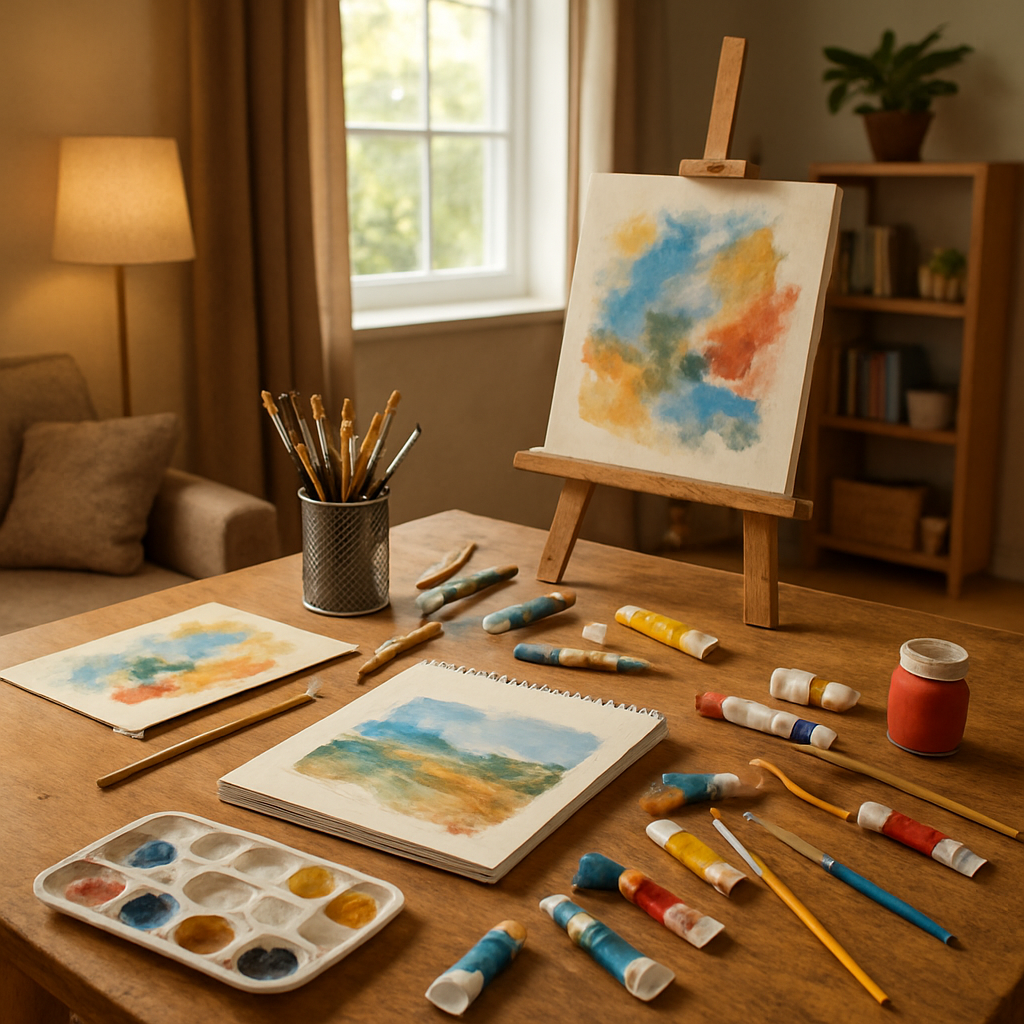
So, what’s the next step? Pick a free tutorial from the site above, grab a few inexpensive supplies, and give yourself a 30‑day trial run. If you find yourself wanting more structure, you now have a clear path to upgrade without breaking the bank.
Tips for Staying Motivated and Improving Skills
Ever open an online art class, feel that rush of possibility, and then notice the excitement dwindling by lesson two? It happens to the best of us, especially when life’s to‑do list keeps shouting louder than the paintbrush.
Here’s the thing: motivation isn’t a magical switch you flip once and forget about. It’s more like a muscle you need to stretch, flex, and sometimes give a little pep talk. Below are the habits and tricks that keep that muscle strong, even when the weekend feels more like a work‑day marathon.
1. Set Micro‑Goals That Actually Feel Like Wins
Instead of “finish a landscape this month,” break it down to “spend 15 minutes practicing sky gradients tomorrow.” A 2022 study of adult learners showed that people who set sub‑hour goals were 34 % more likely to stick with a new skill after six weeks.
Action step: grab a sticky note, write a three‑word goal (e.g., “mix sky tones”), and place it on your studio’s edge. When you finish, cross it off and give yourself a tiny celebration – a coffee sip, a quick stretch, or a doodle of something unrelated.
2. Use a “Progress Journal” Instead of a To‑Do List
Traditional to‑do lists tell you what you need to do; a progress journal tells you what you’ve already done. Sketch a quick thumbnail, note the technique you tried, and add a one‑sentence reflection like “watercolor wash stayed wet longer after I misted the paper.” Over weeks, flipping through those pages creates a tangible story of improvement.
Real‑world example: Sara, a busy parent, kept a tiny pocket notebook beside her water cup. After a month she could see a clear shift from “blotchy” to “smooth” in her watercolor washes – and that visual proof kept her coming back.
3. Leverage Community Accountability (Without Over‑Sharing)
Posting a photo and a specific question (“How can I make my shadows deeper without over‑darkening?”) in a free art forum sparks targeted feedback. The key is to ask a focused question, not a vague “any tips?” because the latter often drowns in generic replies.
If you prefer a smaller circle, create a “buddy pair” with another learner. Agree to share a weekly 30‑second video of your process and swap one concrete tip each time. The mutual commitment feels lighter than a formal class, yet it still provides that external nudge.
4. Mix‑Media Mini‑Experiments to Reset Boredom
Sticking to one medium can feel safe, but it also risks plateauing. Try a 10‑minute mixed‑media sketch: start with a pencil outline, layer a wash of watercolor, then add a strip of collage paper for texture. The novelty of switching tools re‑engages the brain’s reward system.
One of our CreativiU members tried this approach during a rainy week and discovered a new favorite technique – using torn magazine strips to suggest foliage. The experiment didn’t just produce a cool piece; it reignited their weekly practice habit.
5. Schedule “Creative Rituals” Instead of “Practice Sessions”
Rituals give an activity meaning beyond the task itself. Light a scented candle, brew a specific tea, or play a short instrumental playlist before you open the class. Over time, your brain starts associating those cues with a ready‑to‑create mindset.
Try this: every Monday, Wednesday, and Friday, set a timer for 20 minutes, pour a splash of citrus‑scented water, and open the same beginner acrylic video. After a few weeks you’ll notice you’re already in “art mode” before the first brushstroke.
6. Track Skill Development With Simple Metrics
Numbers can be motivating when they’re personal and realistic. Measure how many minutes you keep a wash wet before it dries, count the number of layers you can blend without harsh edges, or tally the number of new color mixes you try each week.
For instance, Luis recorded that he could keep a watercolor wash wet for 45 seconds after a week of misting the paper, up from 20 seconds when he started. Seeing that incremental gain pushed him to experiment with more complex subjects.
7. Celebrate Publicly, Even If It’s Small
Share a finished piece on social media with a caption that highlights the specific skill you practiced (“Just nailed a smooth gradient in watercolor sky!”). The act of announcing a win creates a tiny social contract – you’re more likely to keep the momentum going.
And remember, you don’t need thousands of followers for this to work. Even a single supportive comment from a fellow learner can reinforce the habit.
So, what’s the next step? Pick one of the above tactics, set a tiny goal for tomorrow, and give yourself permission to enjoy the process rather than chase perfection. When the habit sticks, you’ll find the skill improvements follow almost automatically.
Conclusion
We’ve walked through everything you need to know about online art classes for adults, from picking the right medium to setting up a home studio and staying motivated.
At the end of the day, the biggest breakthrough comes when you treat learning like a habit, not a sprint. Tiny goals, a simple checklist, and a bit of public celebration keep the momentum flowing.
So, what’s the next step for you? Choose one of the tactics we mentioned – maybe misting your paper to extend a watercolor wash or posting a quick progress pic on a community board – and try it tomorrow. It doesn’t have to be perfect; it just has to be started.
Remember, the tools and platforms are only as good as the consistency you bring. Whether you’re a hobbyist, a creative entrepreneur, or a parent looking for a shared activity, the same principle applies: practice a little, reflect a little, and share a little.
If you’re ready for a structured path, our library of on‑demand courses is designed to fit into those short, regular slots you just created. Dive in, experiment, and let the community keep you accountable.
Happy creating – and see you in the next class!
FAQ
What are the best online art classes for adults if I’m a complete beginner?
Start with short, structured courses that focus on fundamentals—things like basic sketching, color mixing, and simple composition. Look for platforms that break lessons into 10‑15‑minute videos and provide downloadable worksheets you can fill out after each session. In our experience, beginners who follow a weekly “one technique, one practice piece” routine stay motivated and see noticeable improvement within a month.
How much time should I set aside each week for online art classes for adults?
Consistency beats marathon sessions. Aim for three 20‑minute blocks spread across the week—maybe Tuesday evening, Thursday lunch break, and Saturday morning. Those bite‑size windows let you absorb new techniques without feeling overwhelmed, and you can always add a quick “review” sketch on days you have extra minutes. The key is to treat the practice like a habit, not a chore, so it sticks.
Do I need expensive supplies to succeed in online art classes for adults?
No, you don’t have to splurge to see progress. Most beginner courses recommend a student‑grade set of paints, a couple of synthetic brushes, and a sketchbook or a pad of mixed‑media paper. The real magic comes from regular practice, not the price tag. If you’re on a tight budget, check local libraries or community centers—they often lend basic kits you can use while you learn.
Can I earn money from the skills I learn in online art classes for adults?
Absolutely. Once you’ve built a small portfolio—say five finished pieces you feel confident sharing—you can start listing them on marketplaces like Etsy or promote commission work on social media. Pair your art with a simple pricing sheet and clear turnaround times, and you’ll find clients appreciate the professionalism. Many CreativiU members report their first sale within a few weeks of completing a targeted course.
How do I stay motivated when I hit a creative block during an online class?
First, change the scenery—step away from the screen, grab a coffee, and sketch something totally unrelated for five minutes. That tiny reset often sparks new ideas. Second, share a half‑finished piece in a supportive community and ask for one concrete suggestion. The feedback loop gives you a clear next step, turning a vague blockage into a doable tweak. Finally, set a micro‑goal like finishing just one brushstroke before you stop; the sense of completion fuels the next round.
What should I look for in a good online art class platform for adults?
Focus on three things: clear learning paths, responsive instructors, and a thriving community. A well‑structured path lays out which skill comes next, so you never feel lost. Responsive instructors answer questions quickly, either via video comments or live Q&A sessions. Finally, a community where members post work, swap tips, and give constructive critiques keeps you accountable and inspired. Also, check if the platform offers downloadable resources like cheat sheets or practice worksheets you can print and refer to offline.
Is it better to take live sessions or self‑paced courses for adult learners?
Both have merits, and the best choice depends on your schedule and learning style. Live sessions give you instant feedback and a sense of classroom energy, which can be motivating if you thrive on interaction. Self‑paced courses let you fit practice into odd hours—late night or a kid’s nap—so you never miss a lesson. Many students start with a live intro to build confidence, then switch to self‑paced deep dives for advanced techniques.
Leave a Reply