TL;DR: The indigenous creative crafts syllabus connects ancestral arts with contemporary education. This guide breaks down its critical elements and benefits for learners and communities.
Indigenous crafting traditions are a vital part of cultural heritage worldwide.
But what exactly does an indigenous creative crafts syllabus include?
This article delivers a comprehensive overview of the key components and significance of an indigenous creative crafts syllabus.
Some are steeped in centuries of oral knowledge and artistic skill.
Some are blending modern technology with tradition.
Some focus on storytelling through material culture.
Some encourage community engagement and identity preservation.
Some foster innovation to address contemporary challenges.
Let’s dive right in.
What Is the Indigenous Creative Crafts Syllabus?
The indigenous creative crafts syllabus is a structured educational framework designed to teach traditional crafting methods alongside modern creative practices. It aims to preserve indigenous cultural identities by passing down artistic techniques and metaphysical knowledge through formal or informal education. Unlike generic art syllabi, it deeply integrates cultural values, histories, and the environment into the curriculum.
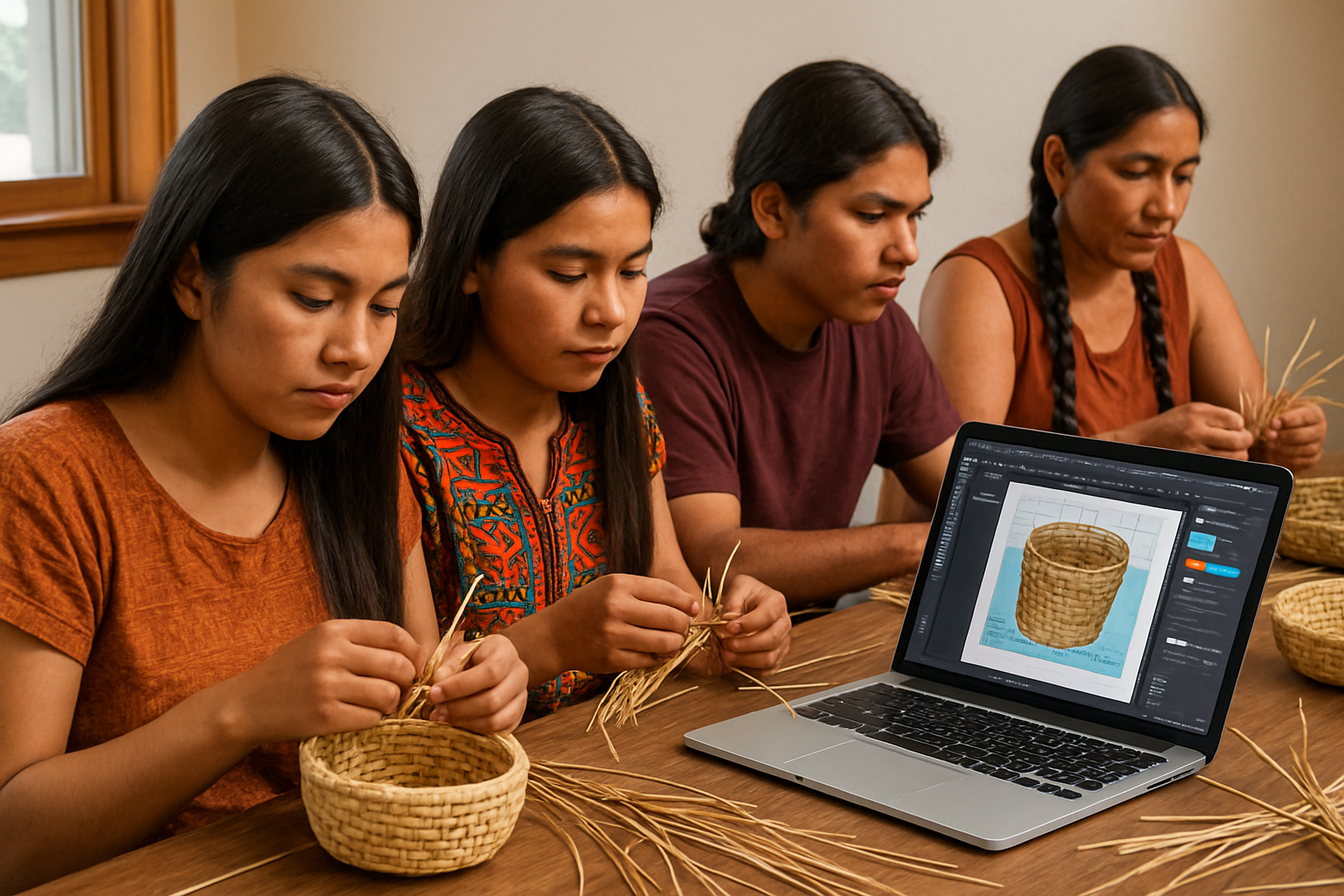
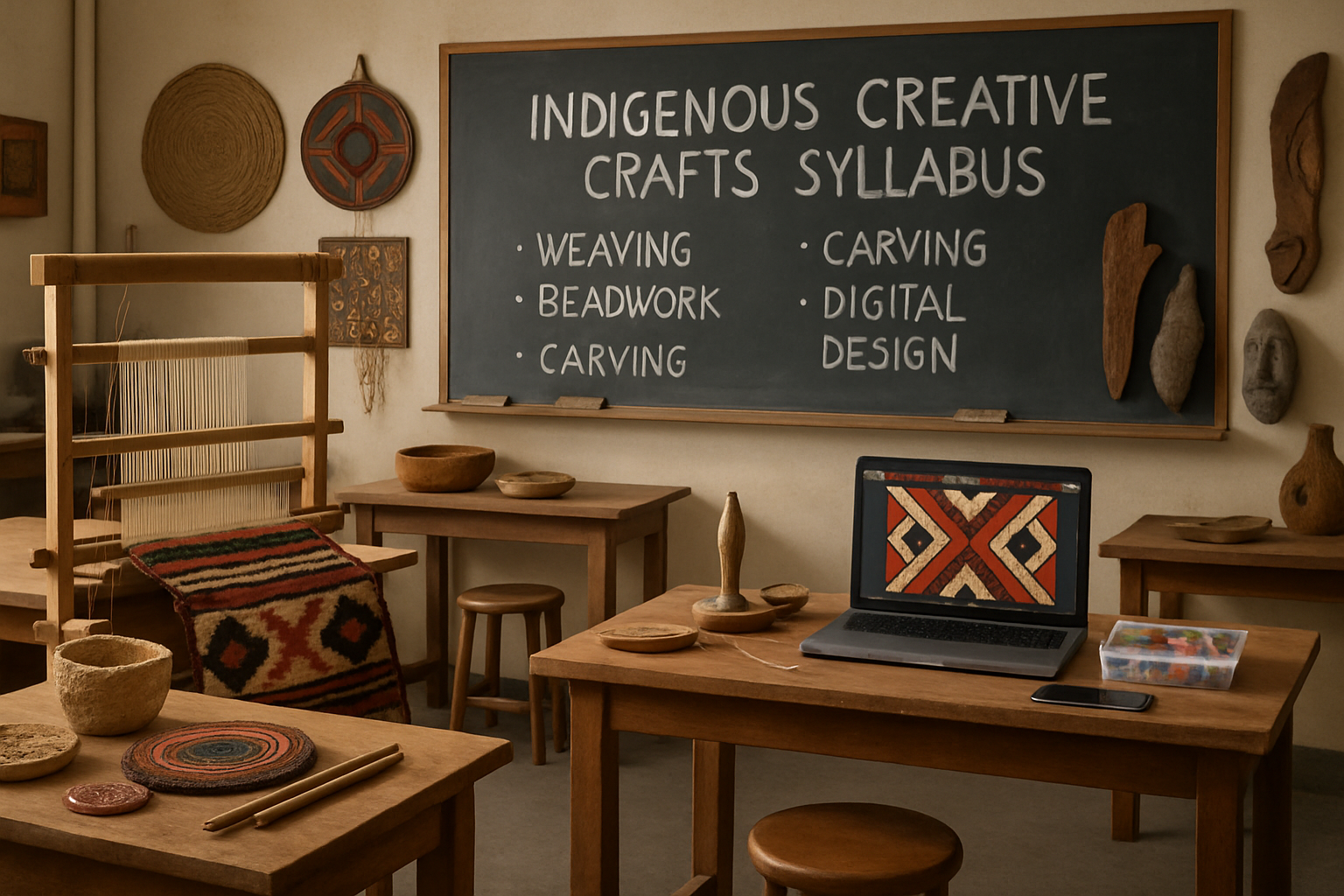
This approach not only maintains history but adapts crafts to engage students in problem-solving, storytelling, and innovation. For example, interdisciplinary programs like the Bachelor of Arts in Design Arts and Practices at the University of Arizona incorporate indigenous-inspired digital arts projects that blend tradition with technology, introducing students to AI-powered creative techniques reflecting their cultural heritage source.
By balancing respect for ancestral knowledge with exploration of contemporary media, the syllabus creates a living, evolving craft education.
Why Does the Indigenous Creative Crafts Syllabus Matter?
Indigenous creative crafts are essential for cultural survival and self-expression. A well-designed syllabus promotes:
- Cultural Preservation: Safeguarding arts, symbols, and narratives that define community identity.
- Skills Development: Teaching hands-on skills like weaving, carving, and pottery in a methodical way.
- Empowerment: Encouraging indigenous youth and communities to see their crafts valued academically and professionally.
- Innovation and Relevance: Adapting techniques and stories using current tools to maintain craft vitality.
- Environmental Connection: Teaching sustainable sourcing and respect for natural resources integral to craft practice.
Through these pillars, the syllabus transforms traditional crafts from static relics into dynamic vehicles for education, cultural pride, and economic opportunity.
How Is the Indigenous Creative Crafts Syllabus Structured?
The syllabus typically comprises multiple interconnected components organized to cover theory, practice, and cultural context. These include:
1. Foundational Courses
Cultural history, indigenous philosophies, and traditional knowledge form the backbone of understanding craft origins and meanings.
2. Technical Skill Development
Hands-on units teach core creative crafts: beading, weaving, carving, pottery, textile making, and more, using traditional patterns and materials.
3. Contemporary Creative Practices
Incorporating digital design, mixed media, and innovative approaches enables learners to express indigenous identity in modern forms. For example, projects like “Digital Art Inspired by Indigenous Tradition” leverage AI-generated imagery to bridge old and new source.
4. Community Engagement and Storytelling
Assignments often involve collaboration with indigenous elders, participation in cultural events, and the use of crafts as storytelling and communication tools.
5. Sustainability and Ethics
Courses address environmental stewardship, ethical sourcing of materials, and respect for cultural protocols.
6. Capstone or Final Project
A culminating experience requiring students to create original works or community-based projects synthesizing all prior learning.
This layered structure ensures a holistic education spanning past, present, and future craft-making dimensions.
What Are Key Examples of Indigenous Creative Crafts from the Syllabus?
The syllabus exposes learners to various craft types, often region-specific but with universal elements, such as:
- Basketry and Weaving: Understanding weaving patterns, plant-based materials, and symbolism.
- Pottery and Clay Art: Techniques including hand-building and firing, often tied to storytelling motifs.
- Beadwork and Textile Arts: Color theory, traditional motifs, and techniques for clothing or adornment.
- Wood Carving and Sculpture: Learning structural carving and cultural iconography.
- Digital and Mixed Media Crafts: Exploring indigenous expression through digital drawings, 3D printing inspired by traditional forms, and AI-generated art projects source.
- Book Arts and Letterpress: Using traditional and experimental printing processes to preserve stories and images source.
Each craft is more than technique; it’s a portal to culture, identity, and community values.
How Do Educational Institutions Support Indigenous Craft Learning?
Numerous craft schools and universities have incorporated indigenous creative crafts into their curricula with special resources and community focus.
The Penland School of Craft, a renowned national craft education center, champions creative life and indigenous craft learning by providing workshops and community spaces that nurture traditional and experimental crafts source.
Meanwhile, universities like the University of Arizona offer interdisciplinary degrees blending art, design, and indigenous traditions. Their students access specialized digital labs, print studios, and letterpress facilities to develop skills aligning with modern artistic media while honoring traditional roots source.
Such institutions create networks where indigenous students experience belonging, empowerment, and academic recognition of their cultures.
How Can Learners Benefit from the Indigenous Creative Crafts Syllabus?
Enrolling in an indigenous creative crafts syllabus provides numerous personal and professional benefits:
- Deep Cultural Understanding: Unlock the stories and philosophies behind each craft.
- Skill Mastery: Acquire a repertoire of artisanal and digital skills.
- Creative Problem Solving: Develop innovative thinking by blending tradition with modern challenges.
- Community Engagement: Connect with elders, mentors, and peers to strengthen identity.
- Career Opportunities: Pursue paths in education, art, cultural preservation, design, and entrepreneurship.
As seen in the University of Arizona’s model, graduates leverage such programs to pioneer projects that fuse indigenous identity, technology, and social impact, building meaningful careers and communities source.
Tip: Are you interested in blending traditional crafts and innovative educational approaches? Explore our guide on mastering the arts and crafts of problem solving for strategic insight.
What Are Best Practices for Implementing the Indigenous Creative Crafts Syllabus in Schools?
Effective implementation involves thoughtful curriculum design and community collaboration:
- Community-Led Design: Engage indigenous leaders and elders as co-creators and instructors.
- Flexible Curriculum: Allow modules to adapt to local cultural contexts and student backgrounds.
- Hands-On Learning: Prioritize experiential workshops to nurture craft skills and creativity.
- Incorporate Technology: Use digital tools to document, innovate, and share craft knowledge.
- Assessment with Cultural Sensitivity: Combine traditional skill evaluation with storytelling and cultural understanding.
- Environmental Ethics: Teach sustainable material sourcing respecting nature and community resources.
These practices ensure the syllabus not only educates but also empowers indigenous students in a culturally meaningful way.
How Do Indigenous Creative Crafts Bridge Tradition with Technology?
The interplay between indigenous crafts and technology is one of the syllabus’s most exciting aspects. It enables the evolution of crafts without erasing identity. For example:
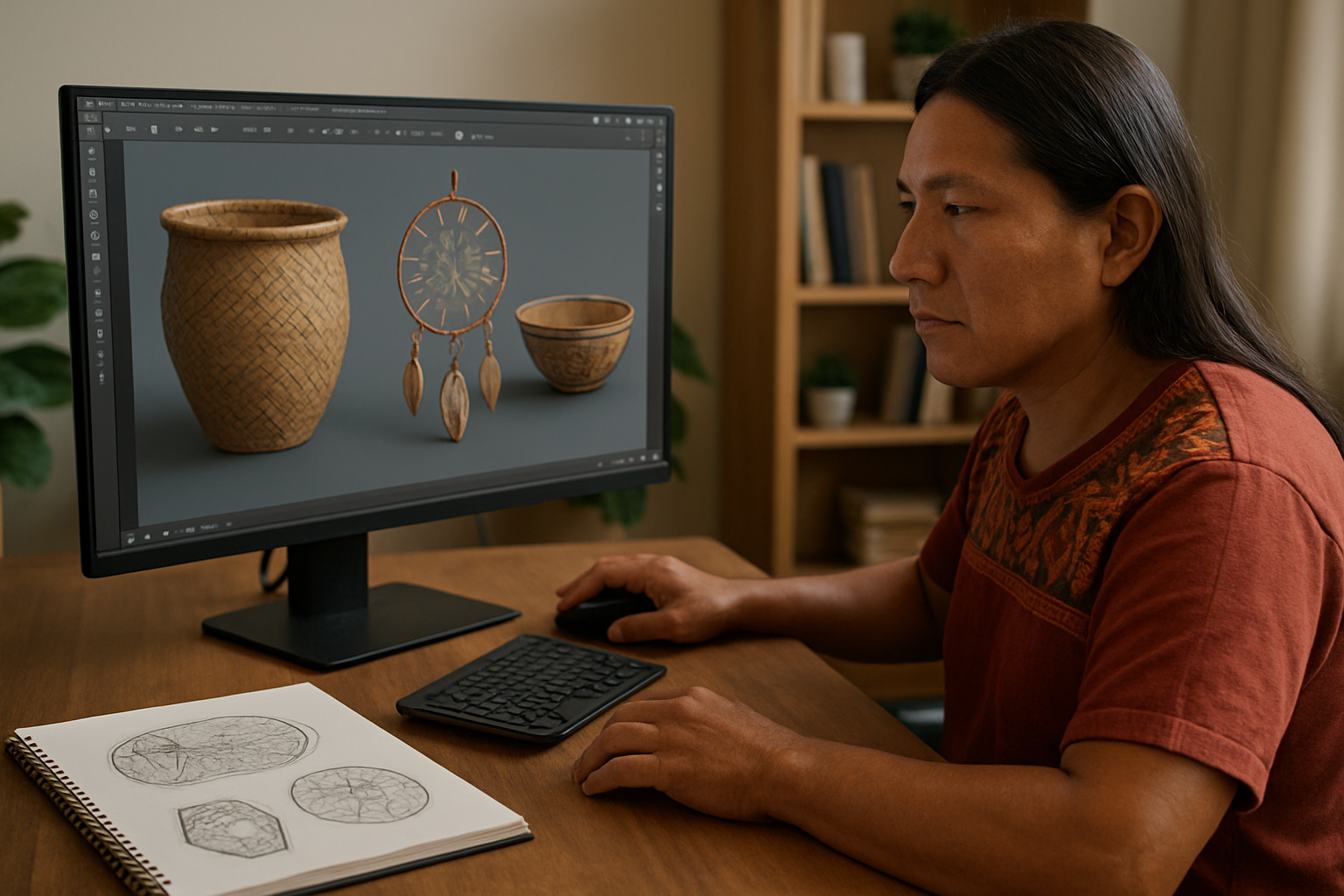
- Digital Art Inspired by Indigenous Tradition: Students use AI image generators to produce artworks rooted in indigenous symbolism, making tradition accessible in digital forms source.
- 3D Modeling and Printing: Recreating traditional objects with cutting-edge methods introduces crafts to new audiences and applications.
- Online Collaborative Platforms: Digital storytelling and craft-sharing foster global communities of indigenous artists.
- Virtual Exhibitions and Workshops: Educational institutions employ virtual reality and online classes to expand craft learning accessibility source.
This digital integration respects the cultural gravitas of crafts while ensuring their survival and continued relevance.
What Challenges Exist in Teaching Indigenous Creative Crafts?
Teaching indigenous creative crafts comes with unique challenges that educators and communities often navigate carefully:
- Cultural Appropriation Risks: Ensuring indigenous knowledge and crafts are respected, protected, and taught with consent.
- Resource Limitations: Access to traditional materials and expert instructors can be scarce.
- Balancing Tradition and Innovation: Avoiding oversimplification while promoting creative evolution.
- Institutional Constraints: Navigating academic systems that may lack flexibility for culturally specific teaching.
- Language Barriers: Preserving native languages integral to cultural expression within the syllabus.
Addressing these requires ongoing dialogue, ethical frameworks, and collaborative practices with indigenous communities.
How Can Educators Design Inclusive Indigenous Craft Curricula?
Inclusive curriculum design centers indigenous voices and perspectives. Steps include:
- Partnership Development: Build relationships with indigenous cultural leaders and organizations.
- Co-Creation of Content: Collaboratively develop course materials that reflect authentic voices.
- Cultural Competency Training: Prepare educators to understand and respect cultural values deeply.
- Student-Centered Learning: Adapt to varied backgrounds, experiences, and learning styles.
- Use of Multimodal Resources: Combine oral histories, artifact study, digital media, and practical workshops.
- Ongoing Evaluation: Incorporate feedback loops with community and students to refine the syllabus.
This approach creates a respectful, dynamic learning environment benefiting educators and learners alike.
What Are the Future Trends in Indigenous Creative Crafts Education?
Looking ahead, indigenous creative crafts education is poised to evolve in exciting ways:
- Increased Digital Integration: More AI, VR, AR tools facilitating immersive cultural experiences.
- Cross-Cultural Collaborations: Projects blending indigenous crafts with global art movements.
- Sustainability Focus: Revitalizing crafts with eco-friendly methods and materials.
- Innovative Scholarship Models: Expanding indigenous-led academic programs and research centers.
- Community Entrepreneurship: Supporting indigenous artisans to monetize crafts ethically.
Such trends signal a vibrant future where indigenous crafts remain vital and adaptive.
Table of Contents
- What Is the Indigenous Creative Crafts Syllabus?
- Why Does the Indigenous Creative Crafts Syllabus Matter?
- How Is the Indigenous Creative Crafts Syllabus Structured?
- What Are Key Examples of Indigenous Creative Crafts from the Syllabus?
- How Do Educational Institutions Support Indigenous Craft Learning?
- How Can Learners Benefit from the Indigenous Creative Crafts Syllabus?
- What Are Best Practices for Implementing the Indigenous Creative Crafts Syllabus in Schools?
- How Do Indigenous Creative Crafts Bridge Tradition with Technology?
- What Challenges Exist in Teaching Indigenous Creative Crafts?
- How Can Educators Design Inclusive Indigenous Craft Curricula?
- What Are the Future Trends in Indigenous Creative Crafts Education?
Frequently Asked Questions
What is the difference between indigenous creative crafts and other craft education?
Indigenous creative crafts focus extensively on cultural heritage, storytelling, and community values rather than just technique or aesthetics. They embed crafts within social and environmental ethics.
Can technology diminish the authenticity of indigenous crafts?
When used thoughtfully, technology enhances craft preservation and innovation without diluting authenticity. It enables new expressions and broader dissemination while honoring traditions.
How do indigenous crafts contribute to sustainability?
Many indigenous crafts rely on locally sourced, natural materials and sustainable harvesting methods, promoting environmental respect embedded in cultural teachings.
Where can I learn more about indigenous creative crafts syllabus?
Institutions like the University of Arizona and Penland School of Craft provide excellent programs and resources. Visit their websites for detailed course information Penland School of Craft and University of Arizona Design Arts.
What’s Your Next Step?
Tell us in the comments: How will you apply this to your indigenous creative crafts syllabus journey? For personalized advice, explore our comprehensive guide on arts and crafts problem solving!
Leave a Reply