It’s no secret that simplistic art captivates with its clean beauty and understated power.
But what exactly makes simplistic art so impactful and memorable?
Here is your complete guide to understanding, creating, and enjoying simplistic art—from materials to mindset.
Some are masters of minimal lines that capture whole scenes.
Some are artists who use limited colors to elicit strong emotions.
Some are amateurs discovering joy in effortless creation.
Some are urban sketchers capturing city vibes with swift strokes.
Some are educators inspiring creativity with simple art tools.
Let’s dive right in.
What Is Simplistic Art and Why Does It Matter?
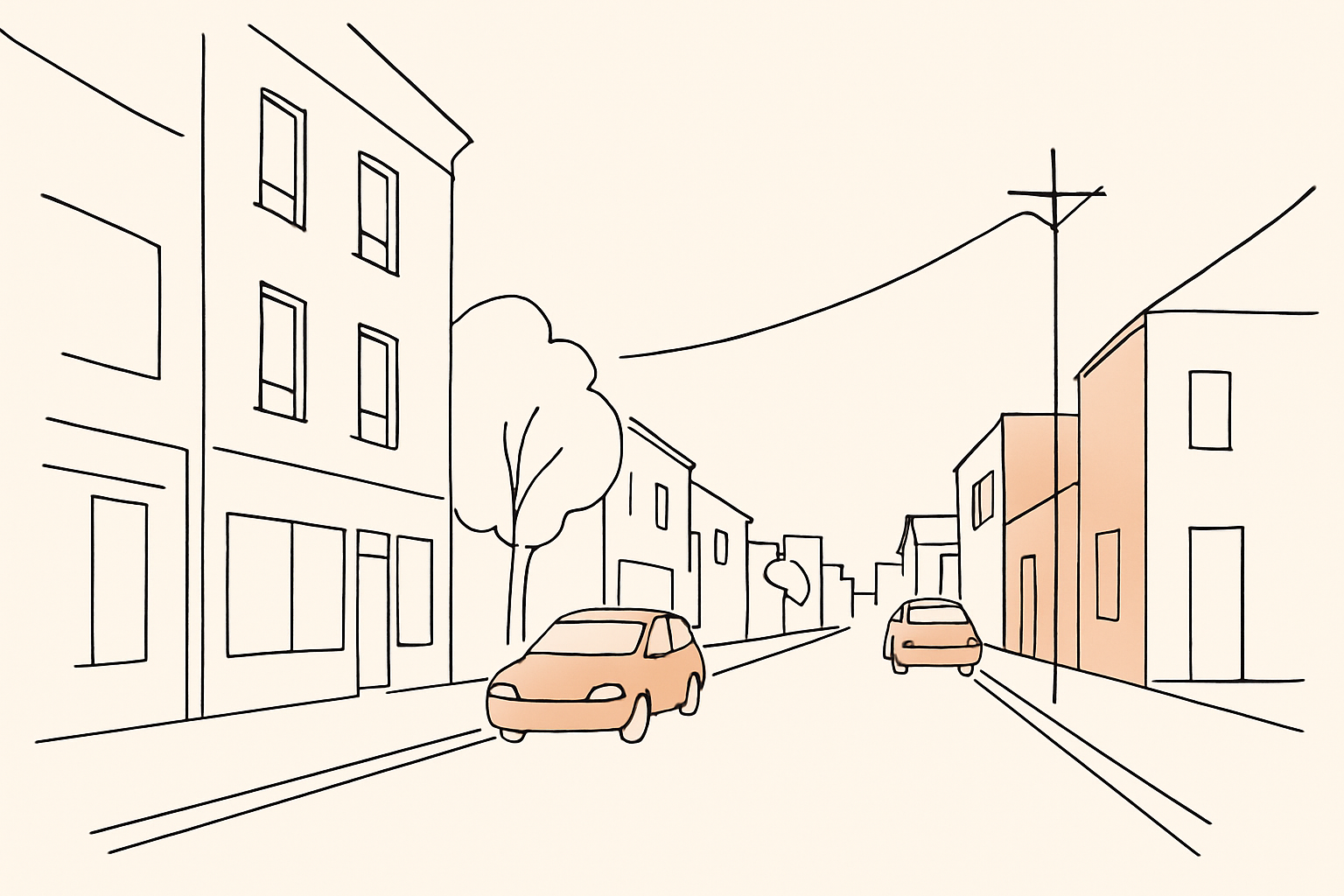
Simplistic art strips away the unnecessary to focus on what truly matters in a composition. It’s about making more with less: fewer lines, muted palettes, and minimal details that convey maximum meaning.
This art form resonates deeply because it invites viewers to fill in the blanks and engage their imagination. It triggers emotional responses through suggestion rather than saturation.
Minimalism in simplistic art is not just about visual economy but also about clarity of communication. By deliberately omitting extraneous elements, artists can reveal the core essence or spirit of a subject.
This approach has gained momentum in various art communities, including urban sketchers who value quick, expressive work. As notable minimalist urban sketcher Tiago Cruz conveys, economy of line and color can create bold, balanced scenes with huge impact (source).
How Can I Start Creating Simplistic Art? Essential Materials and Techniques
Starting with simplistic art might seem deceptively easy. The truth is, it requires careful choices and practice to master the art of omission without losing expression.
Your toolbox for simplistic art doesn’t have to be overloaded:
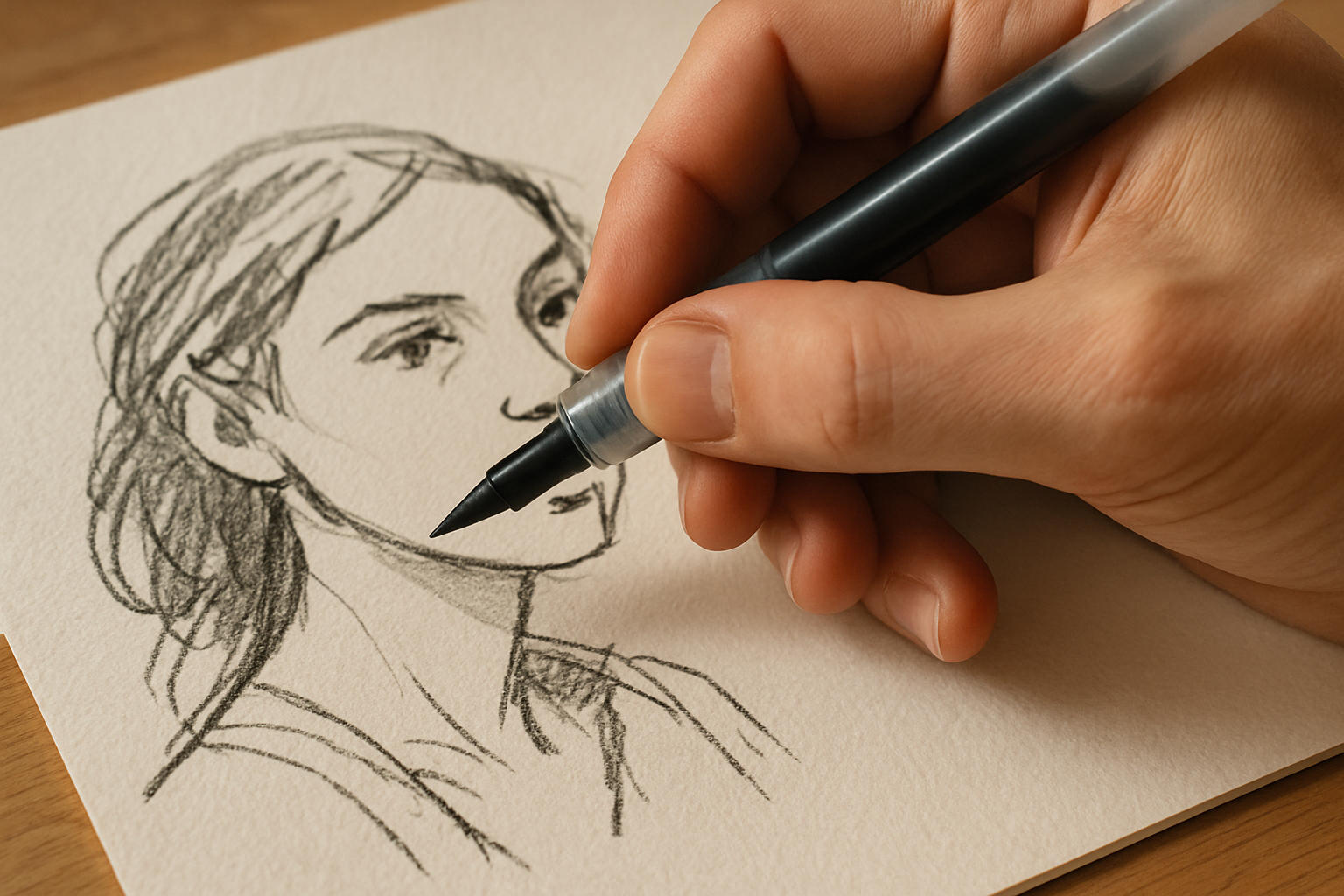
- For line work: Fine liners, brush pens, or fountain pens are excellent. Will Kemp, renowned art instructor, emphasizes using a combination of fine and brush pens to capture speed and tonal variety in sketches (source).
- For color washes: Watercolor paints or watercolor markers add subtle splashes of color without overwhelming the line drawing.
- Paper: Heavier watercolor paper works best for washes, but smooth sketchbooks or card stock can also be effective for pen drawings.
- Optional: Mandated tools like masking tape to hold paper steady help maintain crisp edges.
Next, focus on restraint. Choose what details to depict and where to leave negative space. For example, a simple black line to outline shapes, paired with soft watercolor washes, can reveal the atmosphere of a scene with minimum fuss.
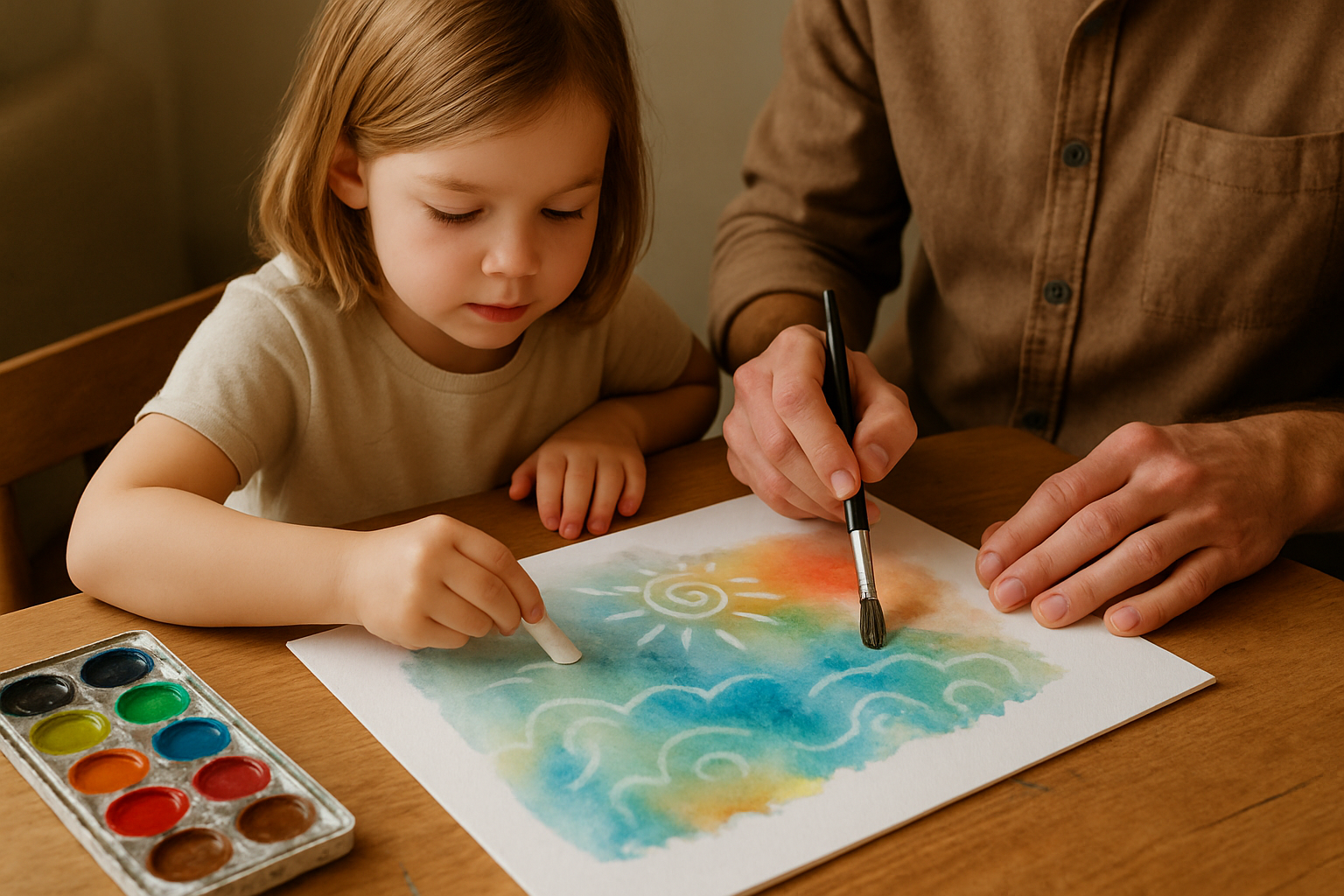
Techniques like crayon resist art illustrate minimalist principles: drawing with oil pastels resist watercolor layers applied on top, revealing hidden patterns and surprising effects (source). It’s a playful way to explore simple materials producing complex effects.
What Are the Best Practices for Simplistic Urban Sketching?
Urban sketching with minimalism in mind demands quick observation, confident strokes, and an economy of marks. Here’s how to approach it:
- Choose your pens thoughtfully: Combining a fine permanent pen with a brush pen for shadows allows contrasting bold and delicate lines. The brush pen’s flexible tip brings expression with broken lines that imitate brush strokes effectively.
- Use limited colors: Pick 3-5 watercolor tones to add life but not crowd your image. Warm greys, muted earth tones, or a splash of blue can balance your composition.
- Practice layering: Apply quick ink sketches and overlay gentle water washes later to create subtle depth without overwhelming details.
- Capture the light: Shadow shapes often define urban scenes best. Use block tones and loose washes to convey sunshine, shade, and atmosphere.
- Keep your sketches small: Using compact sketchbooks like A6 forces you to commit to essentials, reinforcing minimalist discipline.
This approach is well exemplified by artists like Lis Watkins and Emily Thomas, who convey urban life with clean lines and spacious compositions that breathe (source).
Quick tip: Tape your paper to a flat surface when working with water to avoid buckling and maintain crisp edges.
How Can I Express My Creativity Using Simplistic Art?
Creativity in simplistic art shines when you balance intention and spontaneity. Here’s how to channel your unique vision:
- Embrace imperfection: Simplistic art thrives on gesture and the artist’s personality shining through. Don’t get stuck aiming for perfect realism.
- Play with line weight: Vary line thickness to suggest depth, focus, or movement. Use finer lines for distant elements and thicker ones for foreground.
- Discover hidden images: Like in resist techniques, create secret shapes using white crayon that appear only after painting washes.
- Collaborate: Try pair painting sessions where one draws and the other paints adding color. This joint effort can deepen engagement and spark new ideas.
With experience, you’ll intuitively know when to add and when to subtract elements to maintain simplicity yet richness.
What Mindset Does Simplistic Art Encourage?
Simplistic art encourages mindfulness and presence. The process focuses attention on essentials, inviting you to notice details while releasing attachment to perfection.
It invites playfulness—the joy of discovery lies in what happens between a few lines and simple pigments. For children and adults alike, it can be relaxing, meditative, and deeply rewarding.
Artist Emma, founder of Art Play Heart, highlights how simple art invitations like crayon resist can nurture creativity across all ages, fostering connection and bonding (source).
Can I See an Example Video for Simplistic Art Techniques?
Sometimes seeing the process helps it click. Check out these insightful videos showcasing how to create minimalistic and simplistic art works:
- Minimalist Sketching Tips and Tools by Will Kemp – Learn about material choices and techniques to simplify without losing impact.
- Urban Sketching Minimalism Demonstration – See how confident lines and economy of color make every stroke count.
Why Do Urban Sketchers Prefer Simplistic Minimalism?
Urban sketchers often face time constraints and dynamic environments. The minimalist approach suits fast-paced sketching by eliminating distractions and focusing on key elements.
This approach also celebrates the spontaneity of place and moment, capturing atmosphere quickly and authentically.
Artists like João Catarino use bold shapes, minimal strokes, and negative space to portray lively urban scenes with peaceful simplicity, often telling stories through human presence infused within minimal lines (source).
Have you tried walking around with just a pen and sketchbook to capture your surroundings?
What Are Common Mistakes in Simplistic Art to Avoid?
Even though simplistic art looks minimal, it’s easy to overdo or get stuck. Avoid these pitfalls:
- Over-detailing: Adding too many lines or colors defeats simplicity. Remember: less is more.
- Ignoring composition: Space and balance are critical. Crowding elements makes the art heavy rather than simple.
- Inconsistent line quality: Using the same line weight everywhere flattens the drawing. Vary your marks.
- Choosing unsuitable materials: Papers that buckle easily or pens that bleed can spoil your work.
- Rushing without observation: Simplistic art thrives on keen observation and thoughtful economy. Stop and look before you draw.
Practice restraint, evaluate your work objectively, and embrace the charming imperfections that arise naturally.
How Does Simplistic Art Benefit Learning and Therapy?
Simplistic art provides accessible opportunities for learners and those in therapeutic settings to express themselves without intimidation. Simple materials and steps reduce barriers to engagement.
Educational initiatives harness simplified art to improve creativity, fine motor skills, and social interaction. The open-ended nature allows personal interpretation and discovery (source).
Therapeutic benefits include stress relief, enhanced focus, and boosting confidence through achievable successes. The art process is often as meaningful as the result.

How Does Simplistic Art Compare to Minimalist Urban Sketching?
Minimalist urban sketching is a subset of simplistic art with a focus on capturing urban life quickly using minimal lines, usually on location.
Both emphasize brevity and essential marks but urban sketching adds context—capturing human activities, architecture, and atmosphere with spontaneous gestures.
Artists like Jim Butler blend collage, ink, and limited color wash to evoke moods through minimal means, inviting viewer imagination (source).
How Can I Improve My Simplistic Art Skills Efficiently?
Improvement in simplistic art requires consistent practice paired with focus on essentials. Here’s a detailed plan:
- Start small: Use small sketchbooks (A6 or smaller). Limits create creative focus.
- Daily quick sketches: Set a timer for 5–10 minutes and sketch a subject swiftly.
- Limit materials: Work only with black pen and one or two colors to enhance mastery.
- Experiment with different pen types: Fine liners, brush pens, fountain pens, and water-soluble inks offer various line effects.
- Analyze minimalist masters: Study works by Tiago Cruz, Lis Watkins, or Jim Butler. Identify their methods to simplify forms and shadows.
- Reflect and iterate: After each session, review your sketches, note what to enhance or simplify further.
- Join a community: Urban sketching groups or online forums offer feedback, motivation, and challenges.
Remember the words of art educator Will Kemp: “The key is discipline paired with embracing imperfection—letting your sketches flow rather than being trapped by detail” (source).
Can Simplistic Art be Digital or Mixed Media?
Absolutely. While traditional pen and paper are common, many artists experiment with digital tools to create simplistic art. Digital brushes can mimic pens, watercolors, and other traditional media with control over layering and undo options.
Some artists combine traditional sketches scanned and enhanced with digital coloring or overlays. This hybrid approach expands creative possibilities while maintaining simplicity’s core values.
Whichever medium you choose, focus remains on economy of marks, clarity, and essential expression.
Should I Consider Simplistic Art in My Creative Journey?
If you seek a fresh perspective on visual storytelling or want to break free from perfectionism, simplistic art offers an inviting path. It reconnects with the fundamentals of shape, tone, and light while encouraging play and experimentation.
For educators and therapists, it facilitates accessible creativity. For urban sketchers and illustrators, it offers a method for capturing fleeting moments with maximum impact.
For anyone overwhelmed by complex art processes, it’s an approachable style where the joy lies in bold, confident strokes.
Let’s Recap: Key Tips for Mastering Simplistic Art
- Use high-quality but minimal materials: fine liners, brush pens, watercolor markers, and good paper.
- Focus on capturing essentials—light, shadow, contour—with minimal lines and limited colors.
- Practice restraint by avoiding over-detailing and embrace white space.
- Tape your paper when working with wet media to avoid buckling and achieve crisp borders.
- Explore crayon resist techniques for playful textures and hidden effects (source).
- Draw inspiration from minimalist urban sketchers like Tiago Cruz and Lis Watkins for composition and style (source).
- Be patient and practice regularly; simplicity requires distilled skill and confidence.
What’s the Best Way to Share or Display Simplistic Art?
Simplistic art looks stunning when framed with wide white mats to emphasize openness. Many artists display sets of small, simple sketches together to create storytelling sequences or thematic series.
Digital platforms like Instagram showcase the strong visual impact of minimal sketches through consistent feeds, especially with tonal and color cohesion.
Hosting workshops or collaborative sessions adds social value by demonstrating how anyone can create meaningful art with simple tools and techniques.
What’s Your Next Step?
Tell us in the comments: How will you apply this to your simplistic art? For personalized advice, contact us!
Simplistic Art FAQ
What materials do I need to start with simplistic art?
Start with fine liners or brush pens, watercolor paints or markers, and quality paper such as watercolor or thick card stock. Minimalist tools help you focus on essentials without distraction.
Can kids do simplistic art projects?
Absolutely! Techniques like crayon resist are fun and engaging for all ages, producing beautiful, personalized artworks while encouraging creativity (source).
Is simplistic art the same as minimalist art?
They overlap but differ slightly. Simplistic art emphasizes reducing complexity in technique and detail, while minimalist art is often more conceptual and abstract with a deliberate philosophical approach. Both share economy of elements.
How can I improve my fear of making imperfect sketches?
Embrace imperfection as part of the charm. Practice quick sketches focusing on expression rather than accuracy. Join communities for feedback and motivation.
Can I use digital tools for simplistic art?
Yes, digital brushes mimic traditional media well. Many artists combine scanned sketches with digital coloring for versatility while preserving simplicity principles.
(Verified with sources as of 2025-08-30)
For more creative inspiration, check out this guide on mastering the arts and crafts of problem solving to boost your creative thinking process in art and beyond.
Leave a Reply