TL;DR: Fiber art online classes open creative doors to weaving, embroidery, and textile techniques from home. This guide breaks down what to expect and how to thrive.
Many artists and crafters turn to fiber art online classes to develop their textile skills.
But what exactly are fiber art online classes?
Here’s a complete guide to the best techniques, instructors, and platforms offering fiber art online classes for every skill level.
Some are focused on traditional textile techniques like weaving and macramé.
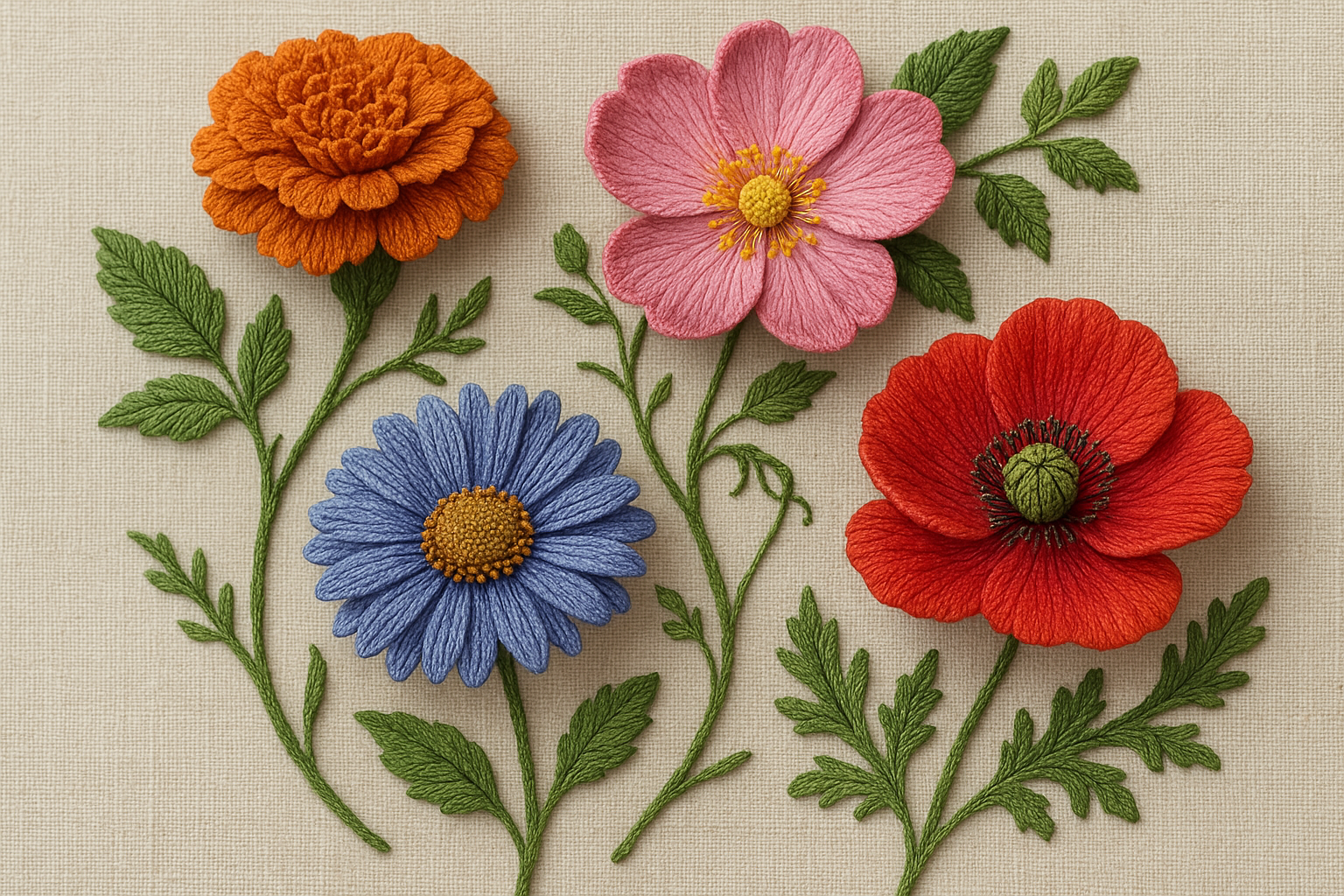
Some explore innovative 3D embroidery methods that bring flora and fauna to life.
Some offer detailed instruction in specialty mediums like cheesecloth portraiture.
Some allow you to learn at your own pace with on-demand video lessons.
Some connect you live with expert instructors for hands-on workshops.
Let’s dive right in.
What Are Fiber Art Online Classes and Why Choose Them?
Fiber art online classes are web-based courses that teach textile and fiber techniques. This includes weaving, embroidery, macramé, quilting, fabric manipulation, and experimental mixed-media fibers.
Unlike in-person workshops, these classes offer flexibility to learn from anywhere. Instructors use tutorials, live demos, and recorded videos to guide you.
The rise of fiber art online classes escalated after the COVID-19 pandemic shifted education to homes. This shift continues to allow artists and hobbyists worldwide to refine and expand their textile skills without geographic constraints.
For example, UTSA Community Art classes provide online options with expert instruction across fiber art techniques such as shibori, batik, silk painting, and block-printing. The Southwest Campus in Texas offers classes integrating global traditions and cultural symbolism applied to fiber arts (source).
Choosing fiber art online classes is excellent for beginners seeking a comfortable start and seasoned artists aiming to deepen expertise while balancing busy schedules.
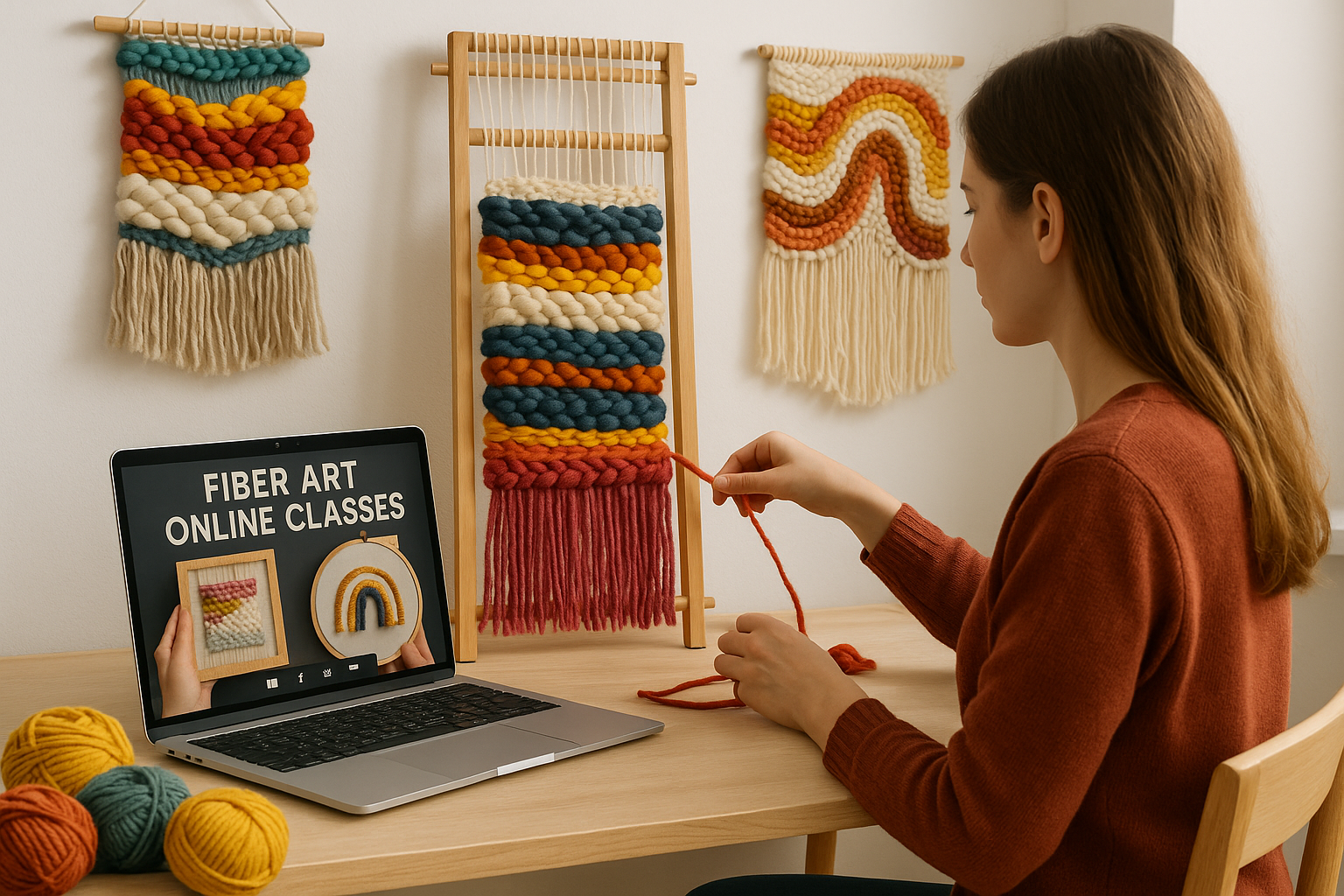
How Do Fiber Art Online Classes Work?
Fiber art online classes vary widely in format. Some provide live instruction via Zoom or other platforms, allowing real-time interaction. Others offer on-demand courses with pre-recorded, step-by-step videos accessible anytime.
Many classes supply material lists upfront, so students prepare tools like yarns, needles, hoops, scissors, and fabrics. Some workshops include mailed kits containing specialized supplies.
For example, the “Wild Forms in Fiber: 3D Embroidery Techniques” workshop teaches stumpwork and sculptural embroidery through live and recorded demos lasting beyond the workshop dates. This model offers flexibility and review opportunities (source).
Good online fiber art classes emphasize foundational skills, such as:
- Basics of stitching, knotting, and weaving
- Material properties and how to manipulate different fibers
- Project construction from start to finish
- Artistic expression and personal style development
This balance ensures participants gain both technical mastery and creative confidence.
Fiber arts can be complex. If you’ve ever wondered, how do I keep my focus and progress with online fiber art classes? Here’s a tip: Schedule regular, short practice sessions and use community forums or virtual meet-ups for motivation.
Top Techniques You’ll Master in Fiber Art Online Classes
Fiber art online courses cover a diverse range of textile methods, often categorized by technique and cultural roots.
Weaving and Loom Work
Starting with basic weaving techniques helps learners understand interlacing threads into fabric. Online classes guide you through warping a loom, creating patterns, and finishing woven projects.
3D Embroidery and Stumpwork
Instructors like Megan Zaniewski specialize in three-dimensional embroidery, teaching dimensional stitching, wire and beading techniques that give fiber artworks life-like textures. This art form brings visual storytelling to fiber materials and opens opportunities for sculptural art creation (source).
Macramé
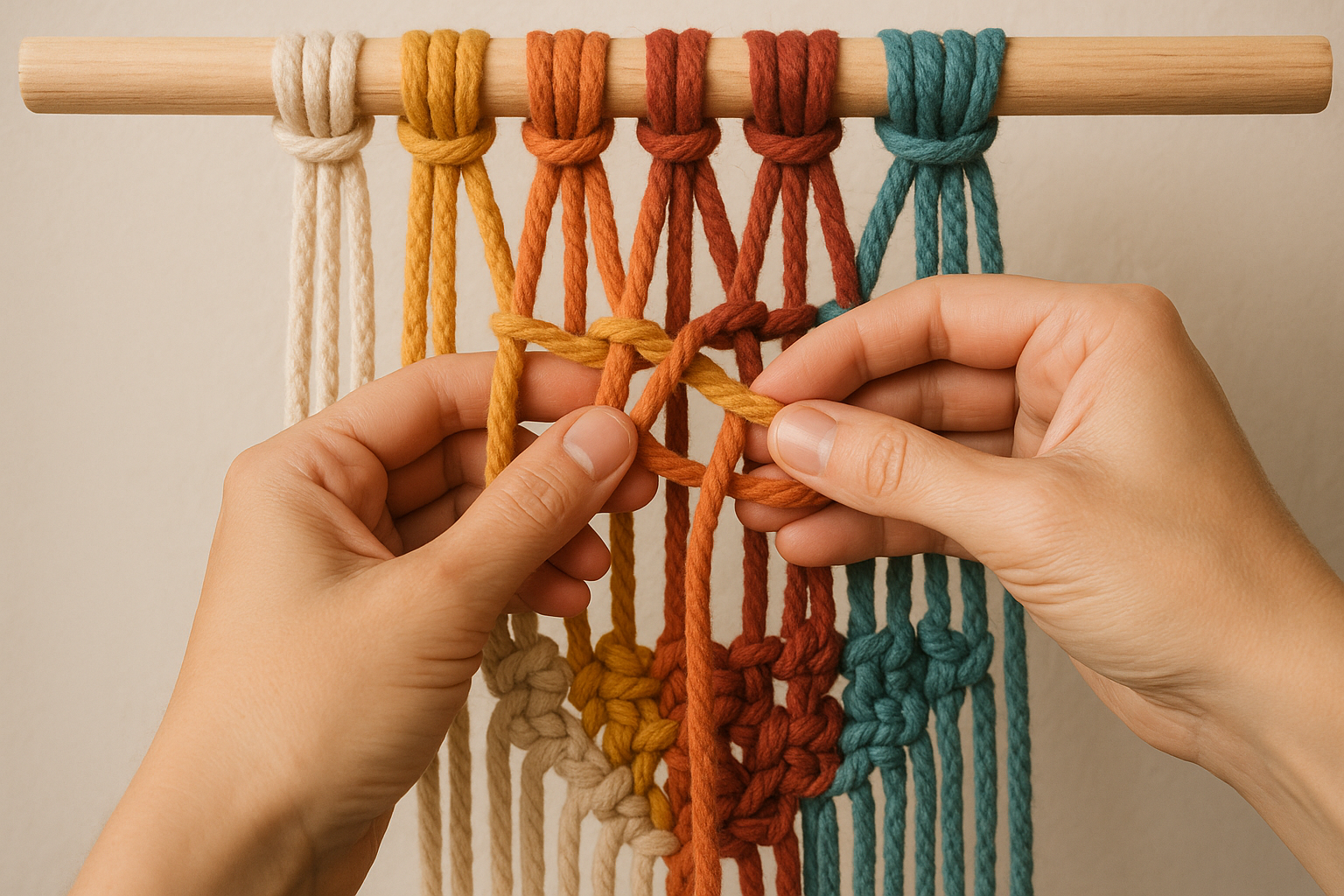
Popularized by boho décor trends, macramé uses knotting for wall hangings, plant hangers, and jewelry. Workshops like the “Mastering the Art of Macramé” immerse students in square knots, double half hitches, and advanced design elements with projects to build confidence (source).
Textile Manipulation with Cheesecloth
Fabrics like cheesecloth surprise many with their versatile texture and sculptural potential. Fiber artists such as Mary Pal provide on-demand classes showing how to use cheesecloth for portraiture and texture-rich compositions, enhancing fiber art beyond traditional cloths (source).
Surface Design: Batik, Shibori, Silk Painting
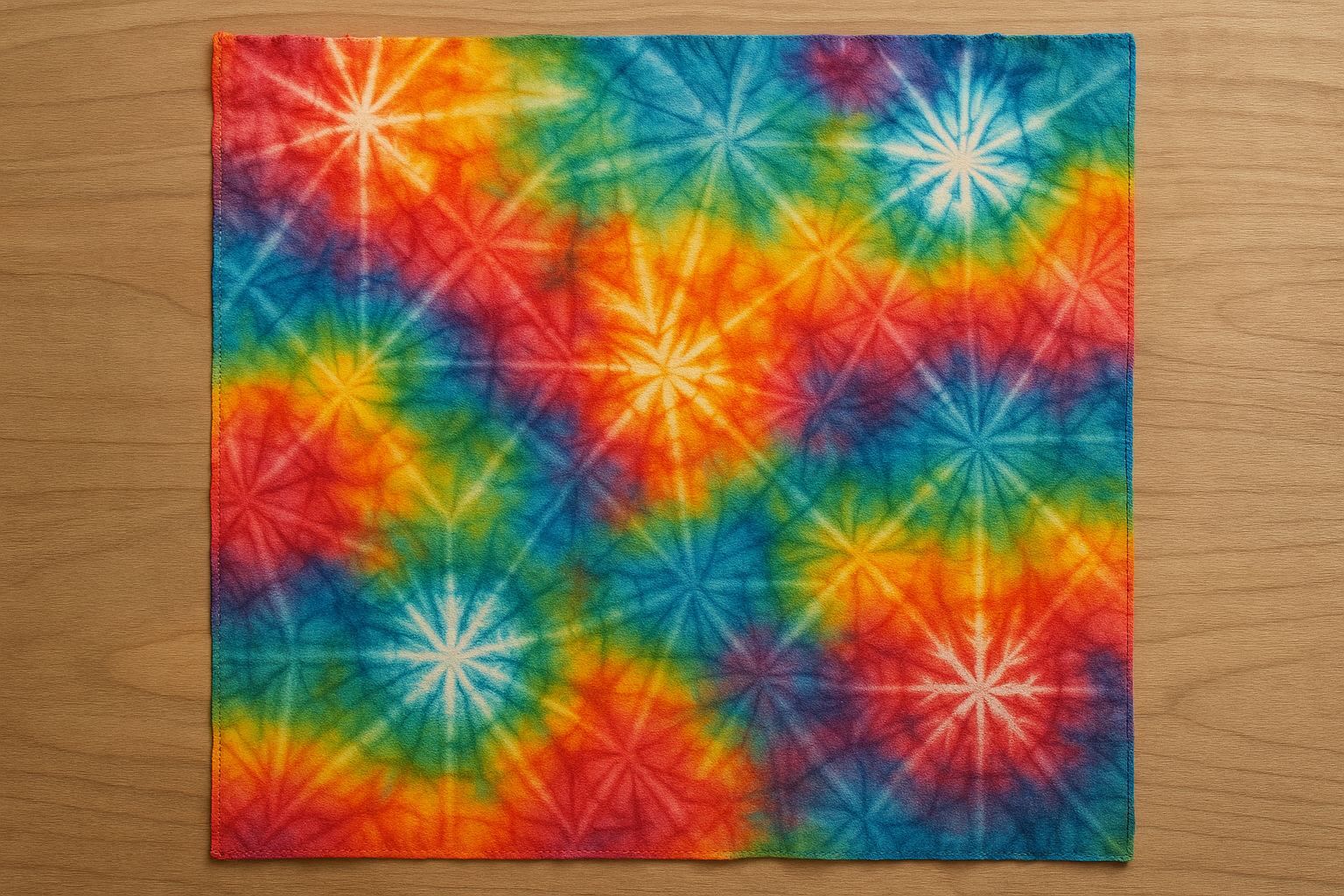
Adding color and pattern through resist dyeing (batik, shibori) or direct painting elevates woven or embroidered fabrics to vibrant artworks. Many fiber art online classes integrate these methods to form complete mixed-media fiber pieces.
What Tools and Materials Do I Need for Online Fiber Art Classes?
While some courses provide kits, many suggest students gather basic fiber art supplies. Here’s a practical list:
- Yarns of varied textures and materials
- Embroidery hoops and needles
- Scissors tailored for fabric cutting
- Small loom or frame for weaving projects
- Wire for dimensional embroidery
- Beads and embellishments
- Fabric paints or dyes for surface design
- Cheesecloth and textile backings for textured art
You don’t need to collect all at once. Start small and acquire as you explore new techniques.
Transitioning to online classes can feel daunting. A quick YouTube video on basics can sharpen initial skills. For instance, check out this beginner guide to crocheting essentials – a perfect companion to fiber art .
How to Choose the Right Fiber Art Online Class for You
With myriad fiber art online classes available, how do you select the best fit?
Ask yourself these questions:
- What fiber art techniques excite me most? Weaving, embroidery, macramé, or textile textures?
- Do I prefer live interaction or on-demand flexibility?
- What is my skill level: beginner, intermediate, or advanced?
- Does the class provide materials, or do I need to source them?
- Are the instructors recognized experts with a proven teaching record?
Reputable organizations like UTSA Southwest School of Art offer community fiber art classes delivered by expert instructors who focus on both technique and creative exploration. Their classes encompass a broad range of fiber art including batik, silk painting, and weaving, reflecting global traditions with cultural symbolism (source).
Also, look for classes that build foundational skills and provide project-based learning for hands-on experience.
Pro Tip: Read student reviews and preview course content when possible. Many platforms like Mary Pal Teaches allow you to start with simple projects that can be completed in a day, offering a gentle onramp before tackling more complex fiber art endeavors (source).
What Are the Benefits of Learning Fiber Art Online?
Fiber art online classes offer unparalleled flexibility. You can learn from the comfort of home, eliminating the need for travel.
Classes are accessible internationally, letting you explore styles and traditions across cultures.
Online formats often provide rich multimedia content: close-ups, slow-motion demos, downloadable instructions, and community boards for peer support.
Learning online also allows self-paced progress. You can revisit lessons multiple times, which helps solidify skills.
According to industry thoughts on online teaching during the pandemic, shifting fiber workshops online empowered artists to maintain income and connect with a wider audience. Teaching textile art online also fosters a supportive, networked community of creators eager to share and grow together (source).
Moreover, online fiber art classes introduce you to new techniques you might not find locally. For example, exploring cheesecloth portraiture or 3D stumpwork embroidery may be rare in physical studios but widely available online.
How Can I Succeed in Fiber Art Online Classes?
Success in fiber art online classes depends on dedication, practice, and engagement. Follow these actionable strategies:
- Set a consistent schedule to work on projects, even if only 30 minutes a day.
- Create a distraction-free workspace with your fiber materials organized.
- Participate actively in any online forums or group critiques.
- Practice foundational stitches and knots regularly to build muscle memory.
- Don’t rush—fiber art requires patience and attention to detail.
- Explore complementary skills like color theory or textile history to deepen artistic context.
- Share your progress on social media or with peers for feedback and motivation.
Remember, every expert fiber artist started as a novice. Progress comes with passion and persistence.
Wondering how you can blend traditional fiber skills with modern techniques? Explore how crafting arts integrate with technology and innovation in classes like Mastering Smarts and Crafts to stay inspired and ahead of trends.
What Are Some Popular Fiber Art Projects to Try Online?
Fiber art classes often focus on projects that balance skill-building with creative expression.
Woven Wall Hangings
Create textured art pieces using looms with varied yarns and fibers. These projects teach crafting with warp and weft threads and building patterns.
Macramé Plant Hangers and Jewelry
Macramé workshops guide you through knot techniques to craft practical décor and wearable art. Projects often start small, such as keychains before advancing to complex hangers.
3D Embroidery Sculptures
Stumpwork projects let you sculpt flora, fauna, or imaginative designs with dimensional stitching, wire shaping, and beading. This specialty appeals to those who enjoy fine detail work.
Cheesecloth Portraiture or Texture Studies
Manipulating cheesecloth in fiber art creates depth and texture beyond flat embroidery or weaving. Portraits leverage layering and stitching.
Batik or Shibori Dyed Textiles
Adding dye techniques to fiber projects opens colors and pattern possibilities that give life to otherwise plain textile bases.
What Challenges Might I Face in Fiber Art Online Classes and How to Overcome Them?
Some common challenges include:
- Lack of immediate feedback: Without in-person guidance, it can be hard to know if your technique is correct.
- Material sourcing: Finding specialized fibers or tools locally can be limiting.
- Self-motivation: Staying committed in a home environment requires discipline.
Solutions include:
- Engage actively with class forums or instructor Q&A sessions for feedback.
- Order materials from recommended suppliers or opt for classes providing kits.
- Set goals, keep a creative journal, and connect with peer groups for accountability.
Can Fiber Art Online Classes Turn into a Career?
Absolutely. Many fiber artists monetize skills by:
- Teaching workshops and online classes.
- Creating and selling fiber artworks at galleries or online marketplaces.
- Working as textile designers or art educators.
- Collaborating with art communities and craft fairs.
Taking fiber art online classes nurtures both mastery and business insight, especially when paired with knowledge on marketing or teaching as a craft (source).
Frequently Asked Questions About Fiber Art Online Classes
What skill level is required to join fiber art online classes?
Most classes cater to all levels—from complete beginners to advanced artists. Check the course description for prerequisites.
How long do fiber art online classes typically last?
Durations range from multi-week courses to single-day workshops. Many offer flexible access on-demand.
Do I need to buy expensive equipment to start?
No. Many fiber art projects require basic tools initially. Over time, you can invest in specialized equipment by your interest.
Can online fiber art classes help me sell my work?
Yes, some platforms include business tips or community networking to help monetize your craft.
How do I troubleshoot mistakes during online classes?
Most instructors offer support through forums or live sessions. Pausing videos and practicing repeatedly also helps.
Conclusion and Next Steps
Fiber art online classes provide rich opportunities to explore diverse textile techniques from home. From macramé knots to complex 3D stumpwork embroidery, the sky’s the limit.
Choose classes that match your interests and skill level, stay consistent in practice, and take advantage of online communities to enrich your learning.
Not sure where to start? Begin with foundational courses at respected institutions or artists like UTSA or Mary Pal to build strong skills and creative confidence (source) and (source).
Remember, fiber art combines patience, passion, and play. Celebrate each stitch as a step toward your artistry.
Ready to embark on your fiber art journey? Discover inspiring lessons and projects today. For more deep dives into creative learning pathways, explore this guide on nurturing your artistic growth.
What’s Your Next Step?
Tell us in the comments: How will you apply this to your fiber art online classes? For personalized advice, contact us!
Leave a Reply