Restoration arts studios are the unsung heroes behind preserving our cultural treasures.
But what exactly happens inside these studios?
This guide offers an insider look—a detailed cheatsheet of everything you need to know about restoration arts studios.
Some are sanctuaries where hands meet history with surgical precision.
Some blend cutting-edge science with centuries-old craft.
Some studios defend the very soul of the artwork, honoring the artist’s original intent.
Some studios wrestle with the challenges of materials that age unpredictably or works restored too many times.
Some tackle contemporary art’s wildest materials, from synthetic paints to ephemeral media.
Let’s dive right in.
What Is a Restoration Arts Studio and Why Does It Matter?
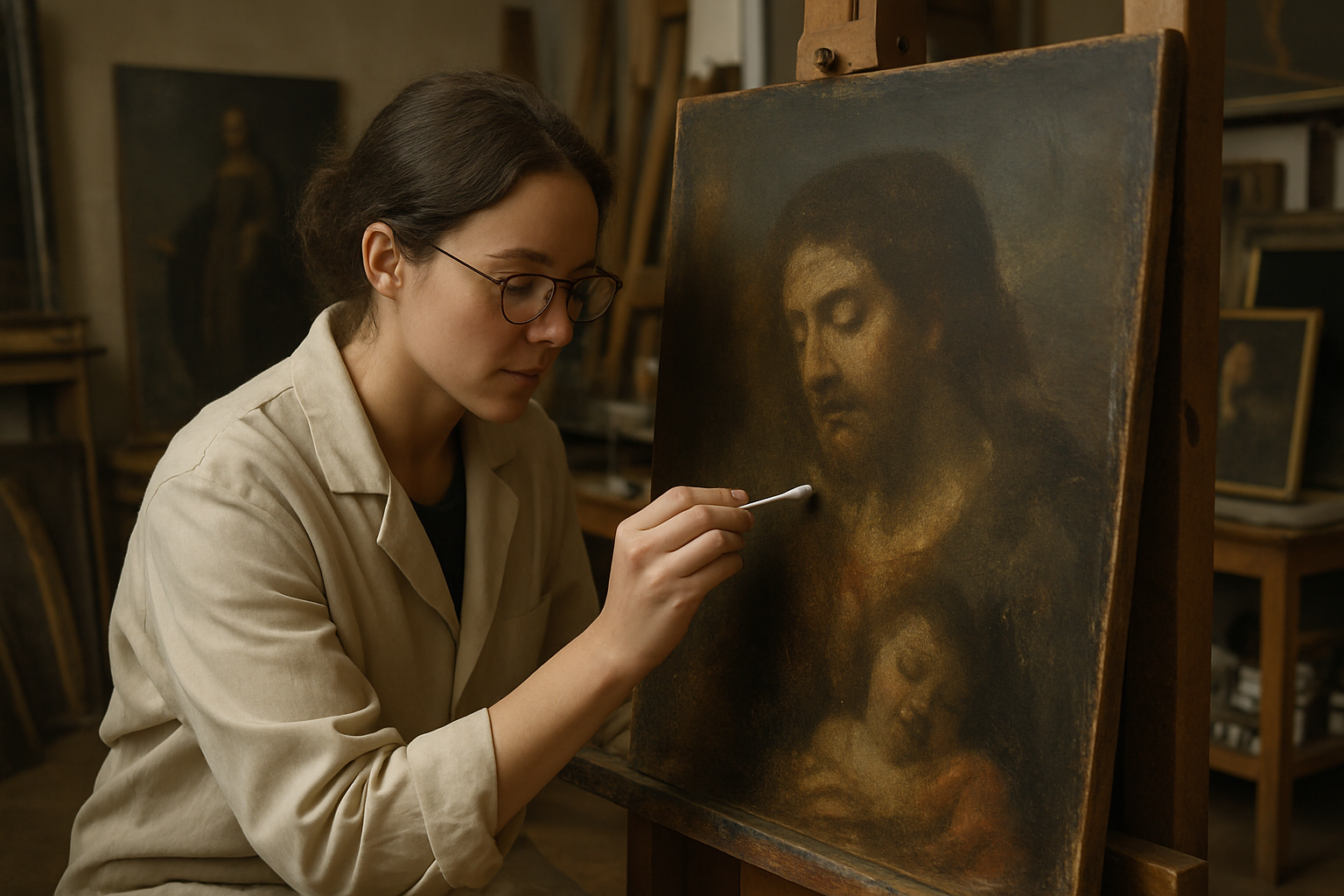
At its core, a restoration arts studio is where experts breathe new life into artworks. This can include paintings, sculptures, textiles, and mixed media pieces.
But it’s not just about making something look new again. It’s a detailed process involving science, ethics, and respect.
Restoration goes beyond mere touch-ups. Conservators carefully analyze materials, understand how they age, and employ reversible treatments that protect the future of the piece. It’s a balance of art and science that requires skilled hands and deep knowledge.
Corey D’Augustine, a renowned contract paintings conservator at the Guggenheim Museum, highlights that restoration is evolving. It’s more multidisciplinary than ever, especially when dealing with contemporary art—works created with unusual materials and techniques.
According to Corey, having a background in chemistry and hand skills is essential because “whatever we put on, we want to be able to take it back off.” It’s a careful dance with delicate surfaces and authentic intentions (source).
How Do Restoration Arts Studios Differentiate Restoration and Conservation?
Many use the terms interchangeably, but experts draw an important line.
Restoration is a broader, historic term used culturally to describe making an artwork look new again.
Conservation, by contrast, is a more specific and ethical practice developed in the 20th century. It involves preserving the artwork’s material and historical integrity with the least intervention possible.
Corey D’Augustine explains that conservation is about understanding the artist’s original intent and ensuring the work “exists gracefully” today and in the future without obvious intervention traces. It’s about reversibility and respect (source).
For example, a restoration arts studio treating a Renaissance masterpiece will work differently than one addressing a pop art collage—a Cubist painting heavily varnished decades ago may need delicate removal of non-original coatings to reveal the authentic artist’s hand beneath.
What Are the Technical Essentials in a Restoration Arts Studio?
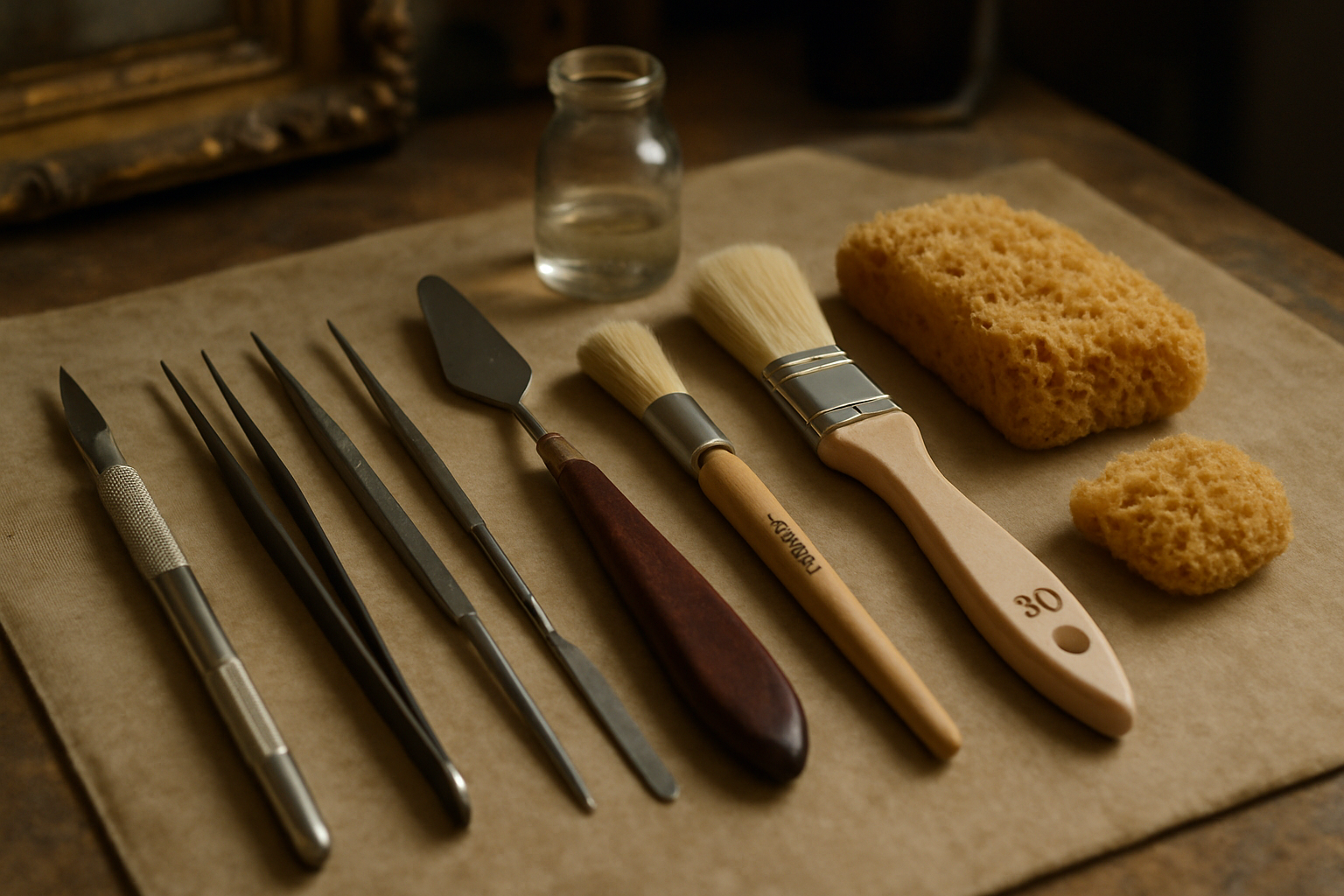
Hands-on expertise is key. A restoration arts studio houses specialized tools: dental picks refined by years of use, micro-spatulas, fine brushes, scalpels, and chemical solvents—all selected to preserve delicate surfaces without damage.
Many studios maintain techniques used traditionally in museum conservation, enabling them to restore high-value items like Picasso or Warhol works with care equal to lesser-known family heirlooms.
Some tools have curious origins; for instance, dental picks once used for medical purposes now play critical roles in removing dirt close to fragile painting staples, as shared by conservators (source video).
But technical skill alone doesn’t suffice. Advanced knowledge of chemistry, paint formulas, and aging processes informs treatment choices to prevent unintended harm.
For instance, understanding that some acrylic paints may become brittle unexpectedly helps conserve modern pieces with proper care. Conversely, removing centuries-old varnish demands different solvents and risks.
How Do Cultural Approaches Shape Restoration Work in Studios?
Restoration practices vary geographically and culturally. For example, the hands-off, minimal intervention style often evident in Japanese conservation contrasts with the more hands-on, reconstructive methods found in China or parts of Europe.
These approaches impact how a restoration arts studio evaluates what procedures to apply. Some cultures favor preserving visible aging as part of a work’s story, whereas others aim to renew vibrancy carefully.
Corey D’Augustine observed these differences during his international work and education, noting how American and Northern European standards often emphasize ethical scientific principles.
These differences also raise questions about preserving artist intent and authenticity. For instance, is a sculpture that has been heavily restored still the original artist’s work? Studios grapple with that every day and proceed with caution to avoid creating replicas rather than conservations (source).
How Do Restoration Arts Studios Handle Contemporary Versus Traditional Art?
Traditional artworks—like Renaissance paintings and classical sculptures—have centuries of restoration experience backing up treatment methods.
On the contrary, contemporary artworks often feature unconventional materials and ephemeral qualities—think painted plywood, plastics, or even food items. Studios must be flexible, innovative, and constantly learning.
For example, a recent challenging project involved a paint made from a commercial Costa Rican product combining gouache and acrylic, which was matte and difficult to match or reverse (source).
Sometimes conservators knowingly deviate from traditional ethics to maintain the artist’s vision, especially when working directly with living artists to understand their intentions and long-term wishes.
This dynamic highlights the evolution of restoration arts studios—they combine scientific rigor with adaptive artistry to meet the unique demands of each piece.
How Do Restoration Arts Studios Balance Artists’ Intent and Technical Complexities?
This is arguably the most vital challenge. The ultimate goal is to restore or conserve a piece without misrepresenting the artist’s original intent.
Studios achieve this through extensive research, analysis, and dialogue. For museum-acquired contemporary works, efforts include contacting artists for interviews and creating detailed records of their wishes regarding aging and repair.[source]
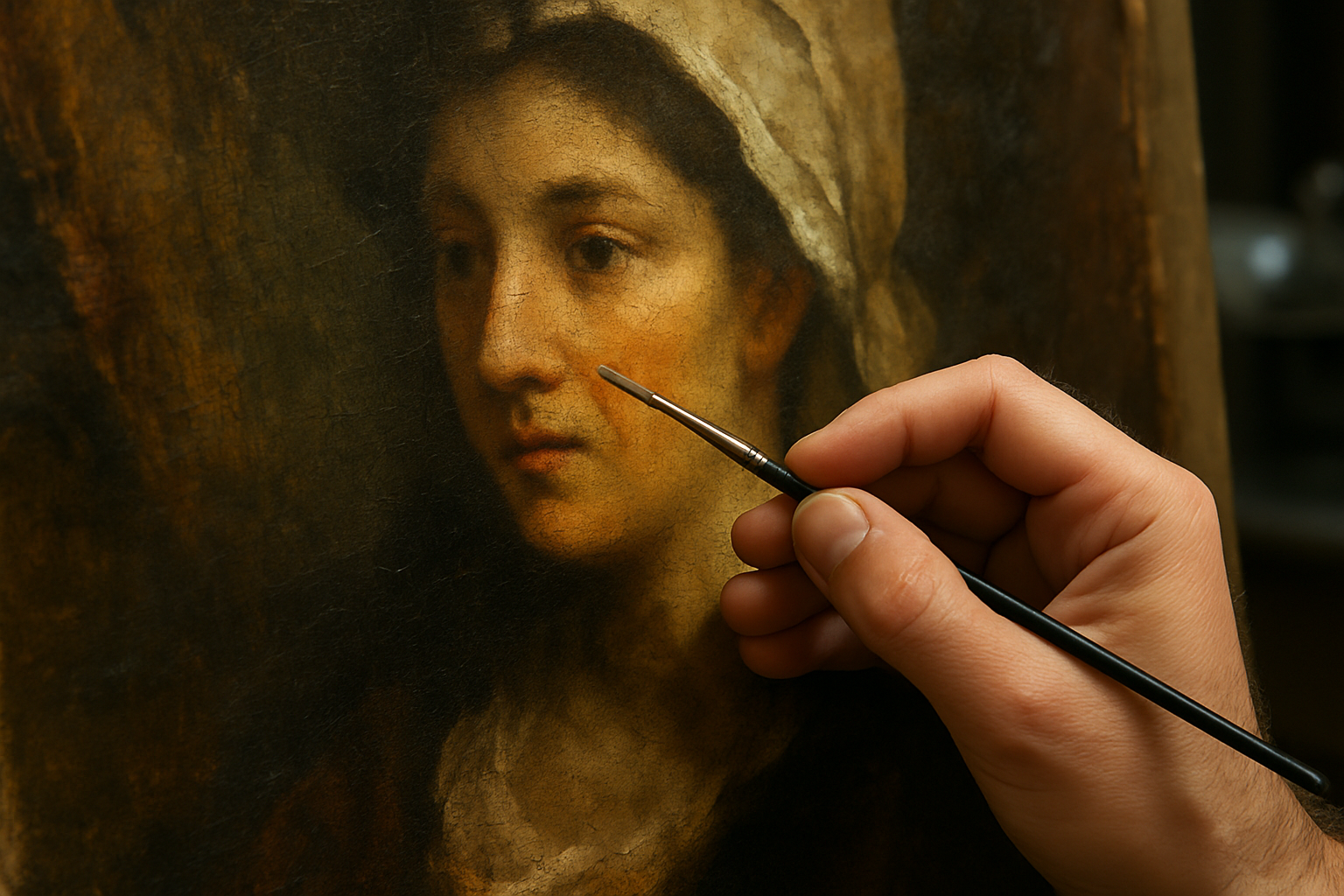
Moreover, techniques like using reversible paints and coatings have become gold standards. These allow future conservators to undo current treatments, avoiding permanent mistakes.
Yet, it’s a delicate tightrope walk—too much restoration can erase history, too little can leave artworks unstable or illegible.
What Education and Training Goes Into Becoming a Restorer?
Entering the restoration arts field demands dedication akin to medical training. Experts recommend aspiring conservators engage deeply with art history, chemistry, and fine arts skills.
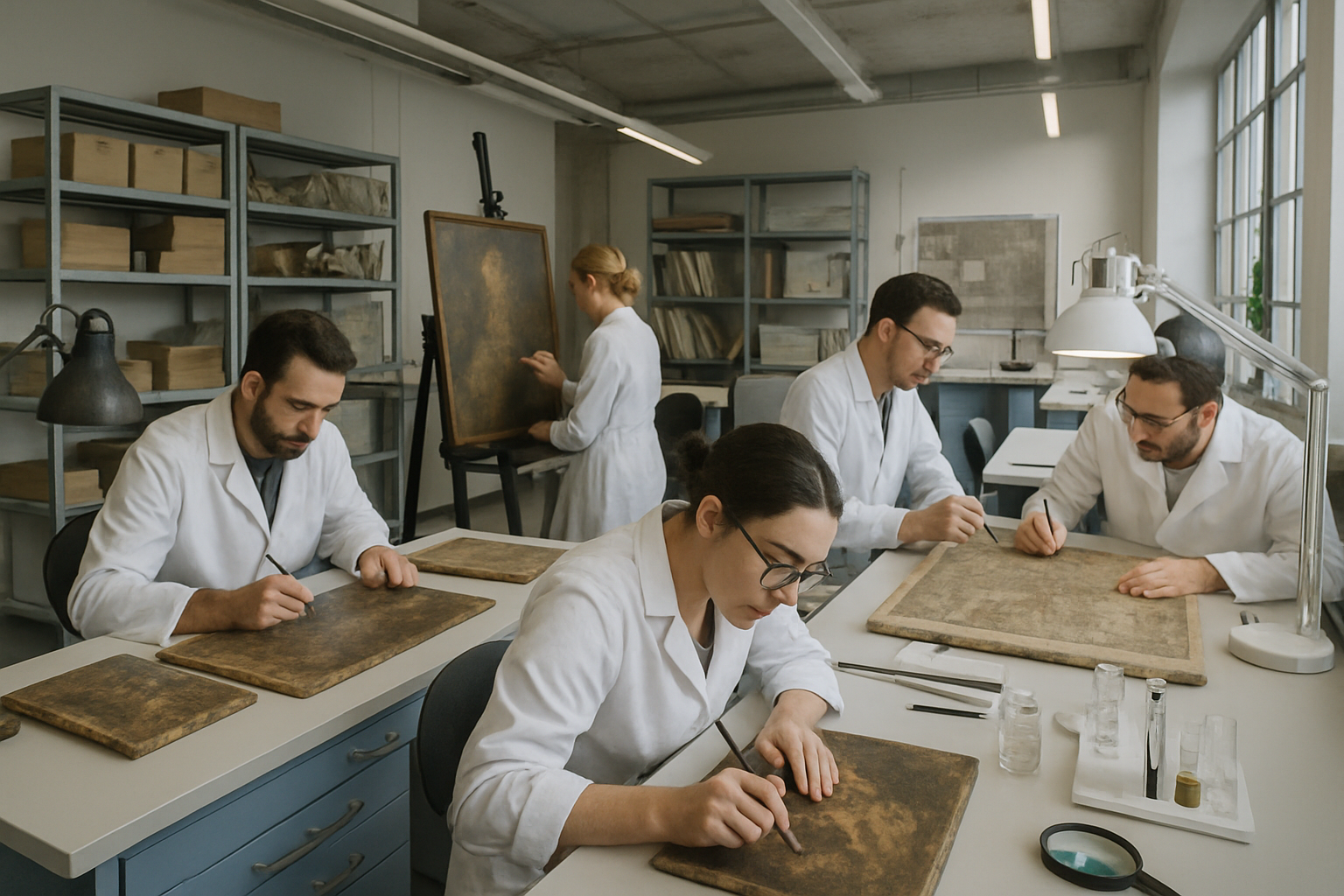
Leading programs blend classroom studies and intensive studio internships to build both theoretical understanding and hands-on mastery.
Courses in biochemistry, material science, and art history form the foundation. At the same time, internships at museums or private studios provide real-world experience.
Midlands Technical College, among other institutions, offers comprehensive programs that include studio arts training, emphasizing fine motor skill development, precision, and the scientific understanding necessary for this specialty (source).
Conservators often continue learning throughout their careers given ever-emerging materials in contemporary art.
How Can You Identify a High-Quality Restoration Arts Studio?
Finding a reputable studio is crucial for preserving precious art.
A high-quality restoration arts studio prioritizes:
- Scientific approach and ethical standards—ensuring treatments are reversible and respect the original.
- Experienced staff trained in relevant disciplines like art conservation, chemistry, and studio arts.
- Usage of proper tools and adherence to industry best practices found in museums.
- Transparent communication about treatment plans, risks, and expected outcomes.
- Portfolio showcasing diversity—from family heirlooms to prestigious artworks.
For example, CRDN Art Restoration Services manages pieces ranging from family photos to works by Picasso and Andy Warhol, applying museum-grade techniques with passion and precision. They emphasize treating every artwork with the same respect regardless of fame (source video).
Common Mistakes and Misconceptions About Restoration
One common misconception is that restoration simply makes art look new. In fact, improper restoration can cause permanent damage, reduce historical value, or distort the artist’s vision.
Missteps occur when restorers lack scientific understanding or disregard the irreversible nature of some materials.
For example, in the 19th and early 20th centuries, some artworks were cleaned with harsh substances, even urine, damaging their surfaces irreparably. Modern restorers strive to avoid such irreversible harm (source).
Another challenge is the restoration of contemporary art using novel materials that might age unpredictably or deteriorate because of chemical instability, requiring innovative approaches.
Professional tip: Always seek out studios with rigorous ethics, documented processes, and references aligned with museum standards.
How Do Restoration Arts Studios Use Technology in Their Work?
Technological advances have revolutionized restoration arts studios.
From microscopic imaging and spectroscopy to digital modeling, technology aids in analyzing layers, pigments, and previous restorations.
Advanced sound-based protocols like the Rest and Restore Protocol™ also interact with art indirectly by aiding holistic healing therapies linked to creative environments (source).
Moreover, many studios use digital documentation tools to create precise records of an artwork’s condition and treatment history, assisting both current and future conservators.
What Are the Future Trends for Restoration Arts Studios?
Future trends lean heavily on increased integration of science and technology.
We anticipate more conservators working closely with scientists specializing in material analysis, as well as with living artists to incorporate conservation-friendly materials at the creation stage.
Additionally, as the field grows, specialization in new media and digital art conservation will become more common, reflecting the expanding types of art collected worldwide.
Bringing together ethics, creativity, and innovative technology will remain the heart of the restoration arts studio’s mission.
Frequently Asked Questions About Restoration Arts Studios
What types of art do restoration arts studios work on?
They work on paintings, sculptures, textiles, mixed media, and even digital art, adapting methods for each types’ materials and ages.
Can any painting be restored?
Most can be treated, though some damage may be irreversible. A good studio assesses risks before proceeding.
How long does restoration take?
Depends on the piece and condition—ranging from days for minor cleaning to months for large-scale projects.
Is restoration expensive?
Costs vary widely based on work complexity and materials, but investing in quality restoration preserves value and legacy.
How can I care for my restored art?
Follow studio advice on environment control like limiting sunlight and humidity to prolong preservation.
What’s Your Next Step?
Tell us in the comments: How will you apply this to your restoration arts studio projects? For personalized advice, explore our guide on mastering the arts and crafts of problem solving!
Leave a Reply