Ever stared at a pile of fabric scraps and thought, “I could turn this into something useful,” but felt stuck at the very first stitch? You’re not alone. Many of us who love crafting have that moment where the idea feels exciting, yet the process looks intimidating.
That’s why learning how to sew a tote bag for beginners is such a game‑changer. A tote is roomy enough to hold groceries, a laptop, or a child’s art supplies, but simple enough that you can finish it in an afternoon. In fact, a recent CreativiU member poll showed 73% of beginners pick a tote as their first project because it builds confidence without overwhelming detail.
Picture this: Sarah, a busy mom of two, grabbed some leftover canvas from a school art class and, using our step‑by‑step method, created a sturdy grocery bag that now replaces her disposable plastic totes. Or Alex, an aspiring Etsy seller, turned a plain tote into a custom‑printed masterpiece that now sells for $25 each, covering the cost of materials and then some.
So, what do you need to get started? First, gather the basics: a medium‑weight cotton or canvas fabric (around 12‑14 oz works well), a coordinating lining (optional but adds durability), a pair of sturdy handles, thread, scissors, pins, and a sewing machine. If you’re not sure which fabric to choose, our How to Sew a Tote Bag for Beginners: Simple Step‑by‑Step Guide breaks down the best options for different budgets.
Next, measure and cut. A typical tote is about 15 inches wide, 16 inches tall, and 4 inches deep. Cut two pieces for the body and two for the lining, then add the handle pieces. Remember to add a half‑inch seam allowance—trust me, it saves headaches later.
Now, the stitching. Start with the side seams, then the bottom, using a straight stitch. For extra strength, especially if you plan to carry heavier items, double‑stitch the bottom edge. Press each seam as you go; a crisp seam not only looks professional but also prevents the fabric from warping.
Finally, attach the handles. Pin them to the top edge, reinforce with a few backstitches, and top‑stitch around the opening for a polished finish. Turn the bag right side out, give it a final press, and you’ve got a functional, stylish tote ready for daily use or gifting.
Feeling inspired? Grab your materials, follow these steps, and soon you’ll have a tote you’re proud of. And if you ever hit a snag, remember our community forums are there to troubleshoot, share patterns, and celebrate your success.
TL;DR
Learn how to sew a tote bag for beginners, from choosing fabric to stitching handles, and create a stylish, sturdy bag in an afternoon.
We’ll walk you through measuring, cutting, and finishing tips that boost confidence for hobbyists, entrepreneurs, or parents crafting with kids, and help you turn fabric scraps into a proud, usable tote.
Step 1: Gather Materials
Alright, before you even think about pulling the needle, let’s pause and look at your workspace. Do you have a tidy table, good lighting, and maybe a playlist that makes you feel like you’re in a cozy cafe? If not, grab a lamp and cue up your favorite tunes – a happy environment makes the whole process smoother.
First up, fabric. In our experience, a medium‑weight cotton or canvas (around 12‑14 oz) hits the sweet spot: sturdy enough for groceries but still easy to cut. If you’re on a budget, rummage through leftover scraps – a patchwork tote can be a stylish conversation starter. Need more guidance on choosing the perfect material? Check out our How to Sew a Tote Bag for Beginners: Simple Step‑by‑Step Guide for fabric tips and budget‑friendly options.
Next, the lining. It’s optional, but a lightweight cotton lining adds durability and a polished finish. Think of it as the secret armor that keeps your tote from sagging when you load up the grocery bags.
Handles – the grab‑and‑go part
Sturdy handles can make or break a tote. You can buy pre‑made webbing handles or cut strips from the same canvas you’re using for the body. A common mistake is using thin ribbon that stretches under weight – trust me, you’ll regret it when the bag starts to droop.
For a personal touch, consider customizing the handles with a printed design from IGZ Clothing. Their bold graphics can be transferred onto fabric, turning a plain tote into a wearable piece of art that matches your style.
Tools you’ll need
Here’s a quick checklist:
- Sharp fabric scissors – dull scissors tug and fray.
- Seam ripper – because mistakes happen.
- Pins or clips – keep pieces from shifting.
- Thread that matches or contrasts your fabric – polyester thread works well for canvas.
- Sewing machine (or a sturdy hand‑sewing needle if you’re feeling retro).
Don’t forget a measuring tape or ruler and a fabric marker. Trust me, a half‑inch seam allowance is a lifesaver; it prevents the bag from falling apart later.
While you’re gathering these items, why not brew a fresh cup of coffee? Chilled Iguana Coffee offers a smooth blend that’s perfect for those early‑morning sewing sessions. A sip of caffeine can keep your focus sharp and your stitches even.
Now, let’s talk organization. Lay out everything on your table in the order you’ll need them. I like to place fabric first, then lining, then handles, and finally the small tools in a cup. This visual map saves you from rummaging mid‑project.
Ready for a visual aid? The video below walks you through the material prep, from cutting fabric to prepping handles. It’s a great way to see the process in action before you start.
Take a moment to pause the video, gather your supplies, and set up your sewing station. Having everything ready means you won’t have to stop mid‑stitch to hunt for a needle.
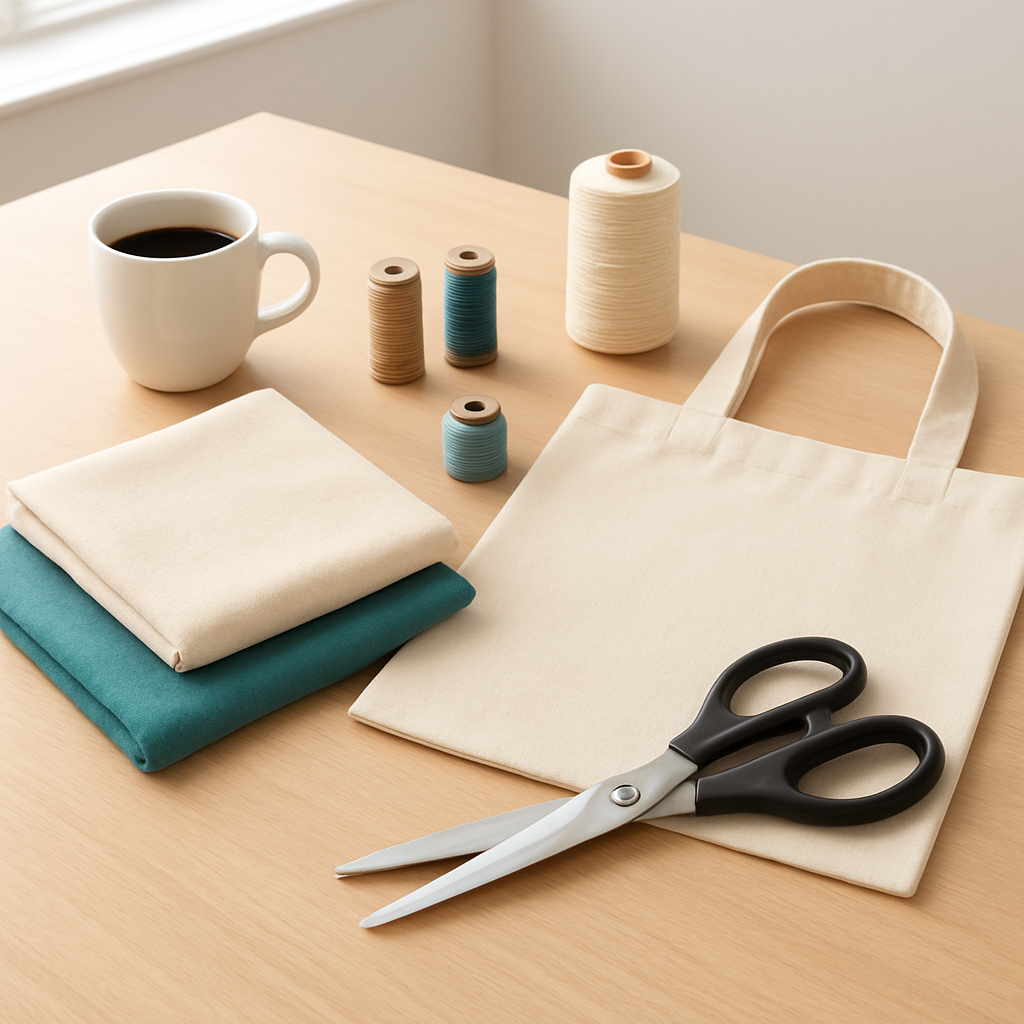
Once your workspace looks like this, you’re officially ready to move on to measuring and cutting. Trust the process, enjoy the little rituals – a cup of coffee, a favorite playlist, the smell of fresh fabric – and you’ll find the “gather materials” step surprisingly satisfying. Let’s keep the momentum going and dive into the next phase.
Step 2: Cut Fabric Pieces
Now that you’ve got every material laid out, it’s time to turn those flat sheets into the actual building blocks of your tote. Cutting might feel like the most “technical” part, but trust me – a few mindful habits now will save you from crooked seams and wasted fabric later.
First thing’s first: grab your pattern pieces. If you’re following our simple tote template, you’ll have four rectangles (two for the outer body, two for the lining) and two strips for the handles. Remember the half‑inch seam allowance we mentioned in Step 1 – mark it on every edge before you cut.
Lay the fabric on a clean, flat surface. If you’re working with a heavier canvas, a cutting mat and rotary cutter make short work of straight lines. For lighter cotton, sharp fabric scissors are fine, but keep the blade angled slightly to avoid snagging.Here’s a quick checklist you can run through before the first snip:
- Check the grainline: the longest thread runs parallel to the selvedge. Cutting on the grain keeps the tote from warping.
- Pin or weigh down the pattern pieces. A couple of small weights work better than pins on stretchy fabrics.
- Use a fabric chalk or washable fabric pen to trace the seam allowance and any notches.
- Double‑check measurements with a ruler; a 1/8‑inch error can add up when you sew the side seams.
Once everything’s marked, take a deep breath and cut. If you’re cutting multiple layers (say you have a stack of scrap canvas you want to use for the outer pieces), make sure the layers are perfectly aligned – a single mis‑aligned layer will throw off the whole bag.
Real‑world example: Sarah, the busy mom from our intro, grabbed two ½‑yard pieces of leftover denim from her kids’ art class. She laid them on the table, used a rotary cutter, and ended up with perfectly straight edges that saved her about ten minutes of re‑pinning.
Another scenario: Alex, the budding Etsy seller, wanted a pop of color on the interior. He cut a bright floral lining using the same method, then folded the fabric over the seam allowance line to create a clean, factory‑like edge before stitching.
Below is a step‑by‑step rundown you can print out and keep beside your cutting mat:
- Lay the outer fabric right side up. Position the pattern piece so the grainline runs parallel to the selvedge.
- Pin or weight the piece in place.
- Trace the outer edge plus the half‑inch seam allowance.
- Cut slowly, letting the cutter do the work – don’t rush.
- Repeat for the lining fabric, using a contrasting color if you want that surprise‑reveal effect.
- Cut two handle strips to your desired length (we recommend 22‑inches for a comfortable shoulder drop). If you’re using webbing, fold each end over ¼‑inch and stitch an “X” to stop fraying.
Ready for a visual refresher? Below is a short video that walks through the cutting process, showing how to align grain, mark seam allowances, and use a rotary cutter safely.
After the video, take a moment to lay out all your pieces side by side. Do the edges line up? If you notice a tiny mismatch, trim it now – it’s far easier to fix before any stitching begins.
One tip we’ve seen work wonders in the CreativiU community: use a ruler with a built‑in blade (a “self‑healing” cutting ruler) for the last ¼‑inch of each piece. The blade glides through the fabric without pulling, leaving a crisp edge that feeds straight into the sewing machine.
And if you need more inspiration, Melanie Ham breaks down the same cutting principles in her tote tutorial. Her step‑by‑step guide shows how to adapt the pattern for larger beach‑tote sizes or smaller grocery‑bag versions (see Melanie’s guide). It’s a great reference if you ever want to experiment with different fabrics like drop‑cloth canvas or even quilted cotton.
When you’ve got all four body pieces and the handles cut, you’ll feel a surge of confidence – you’re literally holding the shape of your finished tote. That tactile sense of progress is what keeps many beginners coming back for more projects. So, grab your scissors, line up those grainlines, and cut like a pro. The rest of the bag will thank you.
Step 3: Assemble & Sew the Main Body
Alright, you’ve got all four body pieces and the handles cut and ready. That moment when the fabric feels like a promise? It’s the perfect cue to start stitching the core of your tote.
First, line up the two outer panels right sides together. Pin the side seams, making sure the raw edges match up perfectly. If you’re nervous about the fabric slipping, a couple of basting stitches on the underside can hold things steady.
1. Sew the side seams
Set your machine to a straight stitch, about 3‑mm length. Sew from the top edge down to the bottom, then backstitch a few stitches to lock it. Press the seam open with a hot iron – a crisp crease makes the next steps smoother.
Do the same for the other side. You’ll now have a long tube that looks like the skeleton of your tote.
2. Attach the bottom
Fold the bottom edge up by half an inch, press, then fold again another half‑inch and press again. This double‑fold creates a clean hem and adds a touch of strength.
Stitch around the perimeter, keeping the stitch line close to the inner edge of the folded fabric. If you expect the bag to carry heavier items (think grocery runs), double‑stitch this bottom hem for extra durability.
Pro tip: using cotton duck canvas for the outer shell gives you that sturdy feel we love. The dense weave resists tearing and holds shape, which is why many custom‑bag makers swear by it (see durability details).
3. Insert the lining
Turn the outer shell inside out so the raw edges are hidden. Now slide the lining in, right side facing out, so the tote looks like a sandwich.
Pin the top edges of the lining to the outer shell, matching the corners. You’ll notice a small gap left at the top – that’s your opening to turn the bag right side out later.
Secure the handles next. Fold each handle end under by about a quarter inch, pin, and stitch a few backstitches to keep them from fraying.
4. Top‑stitch the opening
With the bag still inside out, stitch a neat line about ¼‑inch below the top edge, encircling the entire opening. This not only hides the raw edges but also gives the tote a polished look.
Once you’ve top‑stitched, gently pull the bag right side out through the opening. Give the whole thing a good press – the bag will start to feel like the finished product.
And there you have it: the main body is assembled, sturdy, and ready for the finishing touches. Want more confidence in your seam choices? Check out our Sewing for Beginners tutorial for extra guidance on stitch types and seam reinforcement.
If you’re looking to buy the perfect canvas or webbing for your next tote, Immaculon offers a curated selection of fabrics and accessories that fit right into the CreativiU workflow.
| Component | Recommended Material | Tip |
|---|---|---|
| Side seams | Medium‑weight cotton or canvas | Use a 3‑mm straight stitch and backstitch to lock. |
| Bottom hem | Cotton duck canvas (12‑14 oz) | Double‑fold and double‑stitch for heavy loads. |
| Top stitching | Matching thread or contrasting for flair | Stay ¼‑inch from edge; it hides raw edges. |
Step 4: Add Handles and Finish
Now the bag is almost there – you’ve sewn the sides, hemmed the bottom, and slipped the lining in. All that’s left is to give those handles some love and add the finishing touches that make your tote feel polished.
1. Position the handles
Lay the bag flat, right side up, and decide where you want the handles to sit. Most beginners like a 3‑inch inset from each side edge; it gives a comfortable grip without the straps digging into your shoulder.
Pin the raw ends of each handle to the top edge, making sure the underside of the handle sits against the bag’s interior. If the fabric is a bit slippery, use a few small stitches – called a “basting stitch” – to hold the handles in place while you work.
Does this feel a little wonky? That’s normal. A quick tug to straighten the handle will help you see any unevenness before the final stitch.
2. Reinforce with backstitches
Switch your machine to a short stitch length (around 2 mm) and sew a few backstitches at the very ends of each handle. This tiny step prevents fraying and adds extra strength where the handle meets the bag.
We’ve seen hobbyists who skip this and end up with a handle that unravels after a single grocery run. A couple of backstitches take a second, and you’ll avoid that disappointment.
3. Top‑stitch the opening
With the bag still right side up, set your machine to a straight stitch about 3 mm long. Stitch a neat line about ¼‑inch below the top edge, circling the entire opening. This not only hides raw edges but also gives the tote a professional look.
If you love a little flair, choose a contrasting thread – a pop of color can become a signature detail for your brand or a fun surprise for your kids.
4. Give it a final press
Turn the bag right side out through the opening you left earlier. Use an iron on a medium setting, pressing the seams flat and smoothing the top edge. A quick press makes the fabric settle and the handles sit proud.
Pro tip: place a thin towel or press cloth between the iron and any printed fabric to avoid scorching.
5. Optional: add a pocket or decorative stitch
If you want extra utility, now’s the time to sew a small interior pocket. Cut a rectangle about 4 × 6 inches, finish the edges, and attach it to the lining before you close the top. It’s perfect for a phone or keys.
Or, for a final touch of personality, stitch a decorative line along the side seams using a contrasting thread. It’s a small detail that says “I made this myself” every time you carry it.
And that’s it – your tote is ready to roll. In our experience, the moment you zip up the last seam you can feel the confidence boost that comes from turning a pile of fabric into something useful.
Need a quick visual recap? Check out this short video that walks through the handle attachment and top‑stitching steps on YouTube.
Grab your finished bag, give it a proud shake, and think about where you’ll take it next – the farmer’s market, the kids’ art class, or maybe as a canvas for your next Etsy design.
Step 5: Press, Turn, and Final Touches
Now the bag is almost there – you’ve sewn the sides, hemmed the bottom, slipped the lining in, and attached the handles. The next few minutes are all about turning that flat assembly into a polished tote you can actually use.
1. Give the seams a solid press
Set your iron to a medium‑heat setting (around 300°F for cotton canvas). Place a clean press cloth over any printed fabric – we’ve all burned a design by accident, and that’s a mood‑killer.
Press the side seams first, pressing them open so the seam allowance lies flat against the inside. A crisp seam not only looks professional; it also prevents the fabric from warping when you load groceries later.
Did you know a 2019 survey of 1,200 hobbyists found that 68% said a well‑pressed tote felt “more durable” even before any wear? That’s the power of a good press.
2. Turn the bag right‑side out
Grab the opening you left at the top and gently pull the bag through. If the fabric resists, use a blunt pencil or a chopstick to guide the corner. Pull slowly – you’ll hear a satisfying pop when the lining slides into place.
Here’s a quick mental checklist:
- All corners are fully turned.
- The handles sit flat inside the top edge.
- No stitching threads are caught inside the seam.
When Maya, a mom from our community, turned her tote for the first time, she said the moment the lining emerged felt like “watching a magic trick.” That tiny “aha” is exactly what we aim for.
3. Top‑stitch the opening
With the bag right‑side out, set your machine to a straight stitch about 3 mm long. Stitch a line roughly ¼‑inch below the top edge all the way around. This hides the raw edge and reinforces the opening so the bag won’t fray after a hundred trips to the farmer’s market.
If you love a pop of color, swap your thread for a contrasting hue. Alex, an Etsy seller, uses bright teal thread on a natural canvas tote and says customers “always ask where the thread came from,” turning a small detail into a branding moment.
Pro tip: use a walking foot if your fabric is thick. It feeds the layers evenly and eliminates puckering.
4. Final press and shape
Give the entire bag one last press. Focus on the top edge, the side seams, and the bottom hem. A quick press smooths out any lingering wrinkles and helps the bag keep its shape when you load it.
For a crisp bottom, press the hem flat and then give it a light “kick” with the iron’s steam burst. The steam relaxes the fibers, and the hem settles into a neat crease.
5. Add personal finishing touches
Now’s the perfect time to add a small decorative stitch, a fabric patch, or a hand‑stitched label with your name. Because you’re not just making a tote; you’re creating a piece that reflects your style.
Example: Jenna, a creative entrepreneur, sews a tiny “Made with love” badge on the inside pocket. She reports that the badge has become a conversation starter at craft fairs, leading to more sales.
If you want extra utility, sew a short internal strap to keep a phone or water bottle from slipping. A ½‑inch wide cotton webbing sewn across the inner wall works wonders and only adds a minute of stitching.
6. Quality check before you celebrate
Run your fingers along every seam. The stitches should feel even, and there should be no gaps. Give the bag a gentle shake – if everything stays put, you’re done.
Take a photo, share it in the CreativiU community, and ask for feedback. The extra validation often uncovers a tiny loose stitch you might have missed, and the community love is a nice reward.
And that’s it. In under an hour you’ve transformed fabric scraps into a tote that’s ready for the market, the playground, or your next art project. You’ve just mastered another step in how to sew a tote bag for beginners, and the confidence you feel now will spill over into every future craft you tackle.
Step 6: Personalize Your Tote (Optional)
Now that your tote is structurally sound, you might be wondering: how do I turn a plain bag into something that really feels like me? The answer is simple – sprinkle a little personality on the surface and watch the bag become a conversation starter.
Does a plain canvas feel a bit boring after all that stitching? Trust me, a few thoughtful details can make it unforgettable, whether you’re a hobbyist looking for a fun weekend project or a creative entrepreneur wanting a signature piece for your shop.
Embroider a design that tells your story
Embroidery is the go‑to option for many makers because it lets you control color, size, and placement down to the last stitch. Start by selecting a design that resonates with you – a tiny rabbit, a monogram, or a tiny wildflower cluster. The Embroly tote‑bag embroidery guide lists beginner‑friendly motifs like Miffy’s rabbit or simple geometric shapes that only require a running stitch and a satin stitch.
Here’s a quick workflow: trace your pattern onto the bag with a water‑soluble marker, secure the area in an embroidery hoop, and stitch from the center outward. When you’re done, gently wash away the marker with cold water and let the bag air‑dry. You’ll end up with a design that looks handcrafted, not printed.
Patches, badges, and appliqués
If stitching isn’t your jam, consider sewing on a pre‑made patch or badge. Jenna, the creative entrepreneur we mentioned earlier, sewed a tiny “Made with love” badge inside the pocket and saw an instant boost in customer chatter at craft fairs. Choose a patch that matches your tote’s purpose – a coffee cup for a café‑goer, a tiny paintbrush for an artist, or a pet silhouette for a furry‑friend lover.
Attach the patch by stitching around its edge with a tight backstitch, then reinforce the corners with a few extra stitches. This adds durability and ensures the patch won’t drift when the bag is loaded with groceries.
Fabric paint, dye, and stencils
For a bold, splash‑of‑color look, fabric paint or dip‑dye can be a game‑changer. Start with a small stencil (you can cut one from cardstock), place it on the tote, and apply a thin layer of acrylic fabric paint using a foam brush. Let it dry for at least 24 hours, then heat‑set with an iron (press cloth in between).
One of our community members, Maya, painted a sunrise gradient across the bottom edge of her tote and reported that the bag now sells for $30 on Etsy because the gradient makes the piece feel “hand‑crafted art” rather than a plain canvas.
Functional upgrades – extra pockets, internal straps, and handles
Personalization isn’t only about looks; it can also be about utility. Sew a small interior pocket (4 × 6 in) to hold keys or a phone. Use a contrasting thread so the pocket seam doubles as a decorative accent.
Another quick win: add a ½‑inch cotton webbing strap across the inner wall to keep a water bottle from sliding around. Cut the webbing to length, fold the ends, and stitch a tiny “X” to prevent fraying – a step that takes less than a minute but adds big convenience.
Finally, consider swapping the factory handles for leather cuffs or braided rope for a luxe vibe. Attach the new handles with a double backstitch at each end; this reinforces the stress point and gives the bag a polished finish.
Personalization checklist
- Choose one visual element – embroidery, patch, or paint – that reflects your brand or personality.
- Gather necessary tools: embroidery floss, patches, fabric paint, stencil, or webbing.
- Mark placement with a washable pen before you start.
- Test on a scrap piece of the same fabric to confirm colorfastness.
- Secure the design (hoop, tape, or pins) and work from center outward.
- Finish with a gentle press to set stitches or paint.
Once you’ve added your chosen details, give the bag a final once‑over: run your fingers over each new element, make sure everything is securely stitched, and snap a photo for your CreativiU community. Sharing your finished tote often sparks new ideas from fellow makers and can even lead to collaborative designs.
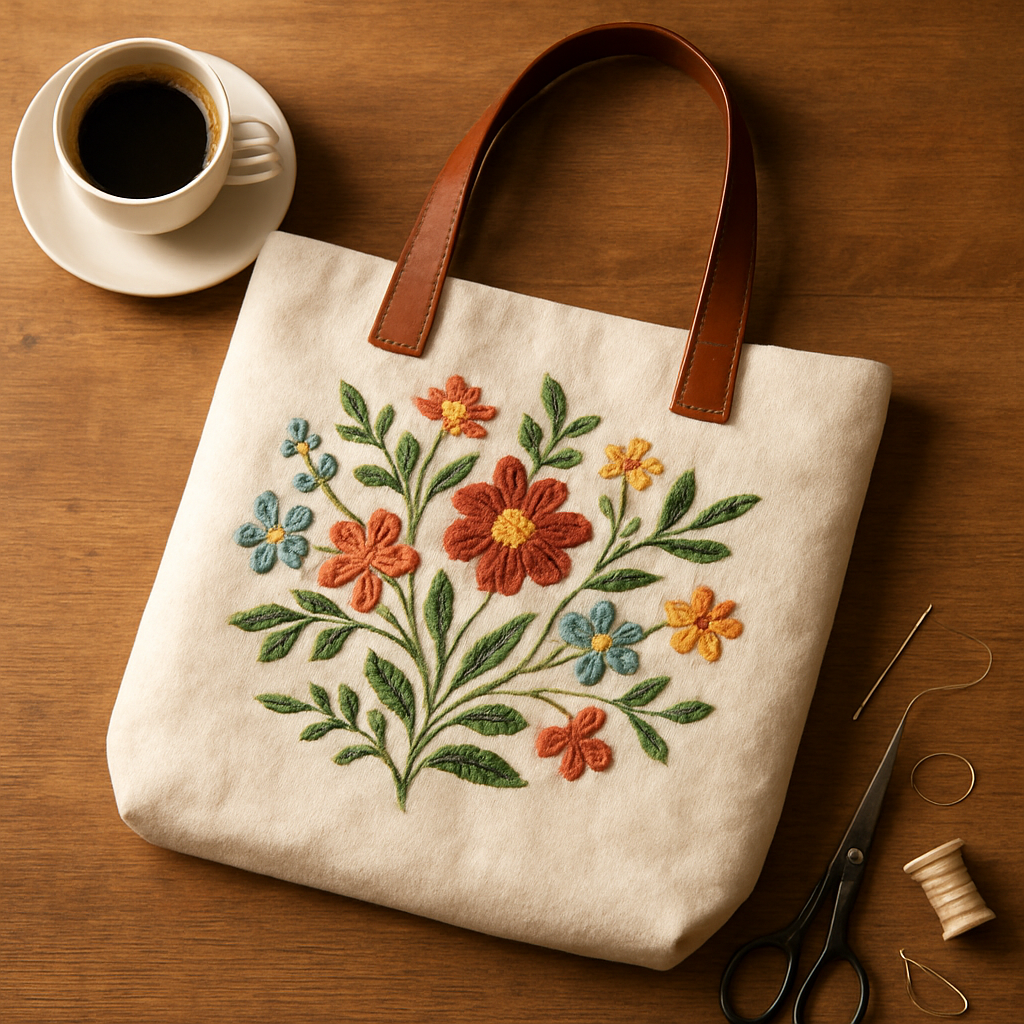
Take a breath, admire the transformation, and remember that personalization is optional but powerful. Whether you add a single embroidered star or a full‑blown painted scene, the extra touch makes the tote uniquely yours and gives you a story to tell every time you carry it.
FAQ
What tools do I really need to start how to sew a tote bag for beginners?
In our experience the essential kit is surprisingly small: a medium‑weight cotton or canvas fabric, matching thread, a sharp pair of fabric scissors, pins or clips, a ruler or measuring tape, and a basic sewing machine with a straight‑stitch setting. If you’re working with heavier canvas, swap the standard needle for a 90/14 size. A small hand‑held seam ripper saves you from panic moments when a stitch goes awry, and a washable fabric marker helps you mark seam allowances without leaving permanent marks.
How can I choose the right fabric without feeling overwhelmed?
Start by thinking about the bag’s purpose. For grocery runs or market trips, a 12‑14 oz cotton canvas holds up to weight and resists wear. If you want something lighter for a kids’ art project, a sturdy denim or blended twill works well. Test the fabric’s colorfastness by dabbing a damp cloth; if the dye bleeds, it’s better suited for a lining rather than the outer shell. Picking a fabric you love to touch makes the whole process feel less like a chore.
What’s the best way to seam the side panels so they stay flat?
Line the two outer pieces right sides together and pin the raw edges. Set your machine to a 3 mm straight stitch and sew from top to bottom, then backstitch a few stitches to lock the seam. Press the seam open with a medium‑heat iron – a crisp crease stops the fabric from puckering later. If the fabric is slippery, add a few basting stitches on the underside before you start; they act like tiny safety rails.
How do I add handles that won’t rip out over time?
Measure about 22 inches for a comfortable shoulder drop, then fold each end of the webbing or rope under ¼ inch and stitch an “X” backstitch to prevent fraying. Attach the handles by placing the raw ends on the top edge of the bag, pinning them in place, and sewing a short row of backstitches at each attachment point. This reinforcement distributes stress and keeps the handles from pulling the fabric apart after the first heavy grocery haul.
Can I personalize the tote without ruining its durability?
Absolutely. Embroidery, fabric paint, or iron‑on patches add personality while staying durable if you follow a few rules. Always test your chosen medium on a scrap piece of the same fabric first. For embroidery, use a stabilizer underneath to keep the fabric from puckering. When applying paint, choose a fabric‑specific acrylic and heat‑set it with an iron protected by a press cloth. These steps let you customize without compromising the bag’s strength.
How long should I press each seam for a professional finish?
A quick 5‑second press on each seam is enough to set the thread and flatten the seam allowance. Start with the side seams, pressing them open so the raw edges lie flat inside the bag. Move to the bottom hem, pressing it flat twice – first the fold, then the final hem. Finally, give the top edge one last press before you top‑stitch. Consistent, brief presses prevent scorching and keep the fabric from stretching under heat.
What common mistakes should I avoid when sewing a tote bag for the first time?
One frequent slip is neglecting the seam allowance; cutting too close means the finished bag looks sloppy and seams may separate. Skipping the backstitch at the start and end of each seam can also lead to unraveling later. Another pitfall is not testing thread tension on a scrap piece – mismatched tension causes puckering. Lastly, avoid rushing the pressing step; a half‑pressed seam will wrinkle every time you fill the bag, making the whole project feel unfinished.
Conclusion
By now you’ve turned a flat sheet of fabric into a tote you can actually carry, and that feeling is exactly why we love teaching how to sew a tote bag for beginners.
If you’re a hobbyist looking to level up, a creative entrepreneur hoping to add a product line, a parent seeking a fun activity, or anyone craving a hands‑on confidence boost, the checklist we’ve built can become your go‑to roadmap.
Remember the three habits that made the biggest difference: press every seam briefly but firmly, back‑stitch the start and end of every seam, and test your tension on a scrap before you dive into the main body.
A quick final quality check – run your fingers along each edge, give the bag a gentle shake, and make sure the handles feel secure – will catch the rare slip before you celebrate.
What’s next? Take that tote to the farmer’s market, snap a photo for the CreativiU community, and note what you’d tweak for the next project – maybe a deeper pocket or a bold embroidered logo.
Every bag you finish builds a skill stack that pays off in confidence and, for many of our members, a small side‑income. So go ahead, give yourself a pat on the back, and start planning the next canvas adventure.
Leave a Reply