TL;DR: Sewing is a timeless skill that anyone can learn with the right guidance and tools. This sewing for beginners tutorial will equip you with everything needed to start your creative journey confidently.
Sewing is one of the oldest and most versatile crafts known to humanity.
But what are the essential steps and tools every newbie should know to get started?
This sewing for beginners tutorial offers a complete and comprehensive cheat sheet for anyone looking to dive into stitching their own projects.
Some are essential tools every sewist needs to have on hand.
Some are fabric types perfect for beginners to practice with.
Some are beginner-friendly patterns that build your skills gradually.
Some are techniques and tips for mastering your sewing machine without frustration.
Some are ways to manage common beginner mistakes and build lasting confidence.
Let’s dive right in.
Table of Contents
- Why Learn Sewing? The Benefits Beyond Making Clothes
- Essential Sewing Tools You Need to Start
- Selecting the Best Fabric for Beginners
- Choosing Beginner-Friendly Sewing Patterns
- Setting Up Your Machine and Threading Basics
- Basic Stitch Types and When to Use Them
- Key Techniques to Master Early On
- Common Beginner Mistakes and How to Avoid Them
- Easy Sewing Projects to Build Confidence
- Where to Learn More and Build Your Sewing Community
- FAQs About Starting Sewing
Why Learn Sewing? The Benefits Beyond Making Clothes
Sewing isn’t just about making clothes. It fosters creativity, patience, and problem solving. From customizing your wardrobe to home décor projects, the possibilities are endless.
Creative entrepreneurs can turn their sewing skills into profitable businesses, making unique, handcrafted items that stand out.
Parents can encourage kids’ creativity through simple sewing projects that develop fine motor skills.
At CreativiU, we believe sewing empowers individuals to express themselves and develop valuable lifelong skills.
Learning to sew gives you control over your wardrobe and opens opportunities for sustainable living by repurposing and customizing fabrics.
Ready to get started? First, let’s look at what tools you truly need.
Essential Sewing Tools You Need to Start
Starting can feel overwhelming, but here’s your concise toolkit to get you underway.
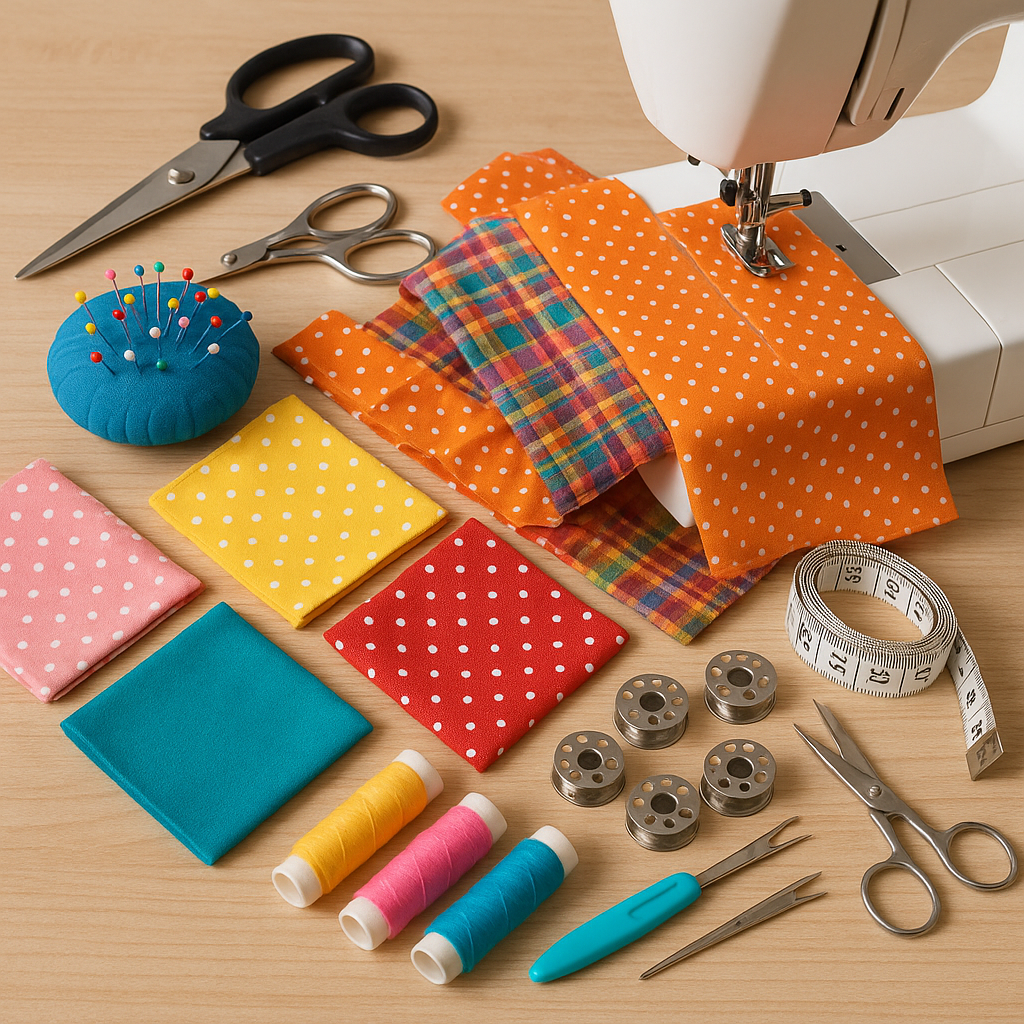
- Sewing Machine: A basic domestic machine is great. Older models like Singer still work wonders, and borrowing secondhand is a smart budgeting move. Look for one with essential presser feet and stitch options.
- Fabric Scissors: Sharp, dedicated fabric scissors, never used for paper, are crucial for clean cuts and preserving blades.
- Rotary Cutter and Cutting Mat: Optional but handy for pattern cutting precision, especially with woven fabrics.
- Seam Ripper: Mistakes will happen. Multiple seam rippers make unstitching easier and faster.
- Pins and Clips: Hold fabric layers together securely. Pin parallel to seams for straight lines, and horizontally on curves for easier removal.
- Measuring Tape: A soft tape measure with centimeters and inches helps with accurate body and fabric measurements.
- Marking Tools: Tailor’s chalk, wax-based pencils, or disappearing ink pens help mark seam allowances and pattern placement safely on fabric.
- Thread: Polyester all-purpose threads like Gutermann are durable and versatile.
- Extra Needles and Bobbins: Different needle sizes suit different fabrics and having spare bobbins is a time-saver when changing thread colors.
This toolkit is your foundation. As you advance, you’ll discover additional tools like pattern weights, bias tape, or sergers, but don’t worry about that now.
Remember, a good starter kit builds confidence and makes sewing enjoyable from day one.
Did you realize how much these basic tools simplify sewing projects? Imagine your future self breezing through a project without interruptions.
Selecting the Best Fabric for Beginners
Fabric choice can make or break your first sewing experience.
Natural woven fabrics such as cotton or linen are highly recommended for beginners. They are stable, cut easily, and are forgiving during sewing because they don’t stretch unpredictably.
Linen, in particular, is an excellent choice due to its durability, sustainability, and classic look. Plus, it’s easy to handle for beginner garment construction.
Try to avoid stretchy or knit fabrics at first. These require specialized needles and stitch types and can frustrate beginners who haven’t mastered controlling the fabric feed yet.
Pro tip: Use thrift stores to find affordable scrap fabrics for practice before investing in large amounts.
Ever heard of “toile” or “muslin”? It’s a test garment made from inexpensive fabric to check fit and technique before cutting into prized textiles. Learning this saves money and fabric in the long run.
Choosing the right fabric complements your growth and reduces discouragement while learning.
Choosing Beginner-Friendly Sewing Patterns
Sewing patterns are the blueprints for your projects, and selecting beginner-friendly ones is critical.
Look for simple shapes like boxy tops, A-line skirts, or elastic waist pants. These typically require minimal darts, zippers, or complex seams.
Digitally free patterns, like those found on Emily Lightly’s site, are great starting points. Another excellent resource is the free patterns at Fabrics-Store.com which offers many beginner-friendly designs along with helpful sewing terminology guides.
Using indie pattern makers is also rewarding because their designs tend to be modern and inclusive, supporting small businesses.
How do you know if a pattern will fit? Checking finished garment measurements helps more than body charts. Compare them to clothing you already own for the best fit.
Remember: perfection comes with practice. Start with simple patterns and gradually challenge yourself with more complex ones.
Setting Up Your Machine and Threading Basics
Before stitching, mastering your machine is vital.
Turn on your sewing machine and attach the presser foot carefully.
Threading the machine involves two threads: the top spool thread and the bobbin thread underneath. Most machines have guides or arrows showing the threading path—follow these meticulously to avoid tension issues.
Bobbin winding sounds tricky but is straightforward once you grasp it. Place the bobbin on the winding stub, wrap thread around the bobbin a few times, and engage the winding function. When full, the bobbin stops automatically.
Inserting the bobbin correctly in its case and threading the top thread finally readies your machine for sewing.
Needle replacement is simple; slide the flat side back, push needle up, and secure with the screw.
Different needle types suit different fabrics. For example, ballpoint needles avoid damaging knits, while universal ones work well on cottons.
Using your manual or videos is invaluable here. For example, watch this detailed beginner’s guide to operating a sewing machine for a visual demonstration:
What Stitch Types Should Beginners Use and Why?
The most commonly used stitch is the straight stitch, perfect for seams and construction.
Always backstitch at the start and end of seams to prevent unraveling. Simply sew a few stitches forward, then a few stitches backward before continuing forward again.
The zigzag stitch is crucial when sewing with stretchy fabric, as it maintains elasticity and prevents seams from popping.
Stretch stitches are a narrow zigzag variant, offering professional finishes especially on knits.
Experimenting with stitch lengths helps control seam strength and appearance:
- Shorter stitches (1.5–2 mm) for hems and fine fabrics.
- Medium stitches (2.5–3 mm) for general seams.
- Long stitches (3.5–4 mm) for basting or temporary seams.
Making these settings adjustments is often found on your machine’s dial or touchscreen.
Understanding stitch types brings versatility and ensures your work lasts.
Which Sewing Techniques Should Beginners Prioritize?
Some techniques pose bigger challenges than others. Focusing on foundational skills grounds your progress.
Here are must-master techniques for beginners:
- Seam Allowances: Adding a half-inch allowance to your pattern pieces ensures enough fabric for sewing and shaping. Mark seam lines clearly with chalk or temporary markers.
- Pinning: Pin fabrics right sides together before sewing, aligning seams carefully. Pin perpendicular to seam lines for secure holding.
- Sewing Corners and Curves: When sewing squares or rectangles, stop at corners, raise the presser foot, turn fabric, and continue to keep neat edges. For curves, sew incrementally, turning fabric frequently.
- Hemming: Fold fabric edges twice and sew near the folded edge for clean hems. Press with an iron first to keep folds crisp.
One expert tip: never pull or push fabric aggressively while stitching. Let the machine’s feed dogs move fabric smoothly to avoid distortion and uneven seams.
Regular practice of the above will give you confidence for diverse projects.
Are you wondering how to overcome that awkward feeling when you first handle fabric and machine control? Practice makes perfect, and every expert was once a beginner just like you.
What Are the Most Common Sewing Mistakes and How Do I Avoid Them?
Mistakes are part of learning, but knowing what to watch for can save time and frustration.
Common beginner mistakes include:
- Not backstitching seams, causing thread unraveling.
- Using dull or inappropriate needles that damage fabric.
- Incorrect threading leading to poor stitch quality or thread breakage.
- Pinning or sewing fabric with wrong sides together.
- Skipping seam allowances or inaccurate cutting from patterns.
- Stretching fabric during sewing, resulting in wavy seams.
Pro tip: Keep a sewing journal to track your projects, note what worked, what didn’t, and adjustments you make. It’s a powerful self-teaching tool recommended by seasoned sewists.
Remember, mistakes are stepping stones (Verified with sources as of 2025-09-23). Embrace them, learn, and move forward.
What Are Some Easy Beginner Sewing Projects to Build Confidence?
Hands-on projects are invaluable for cementing skills and boosting motivation.
Try starting with simple creations like:
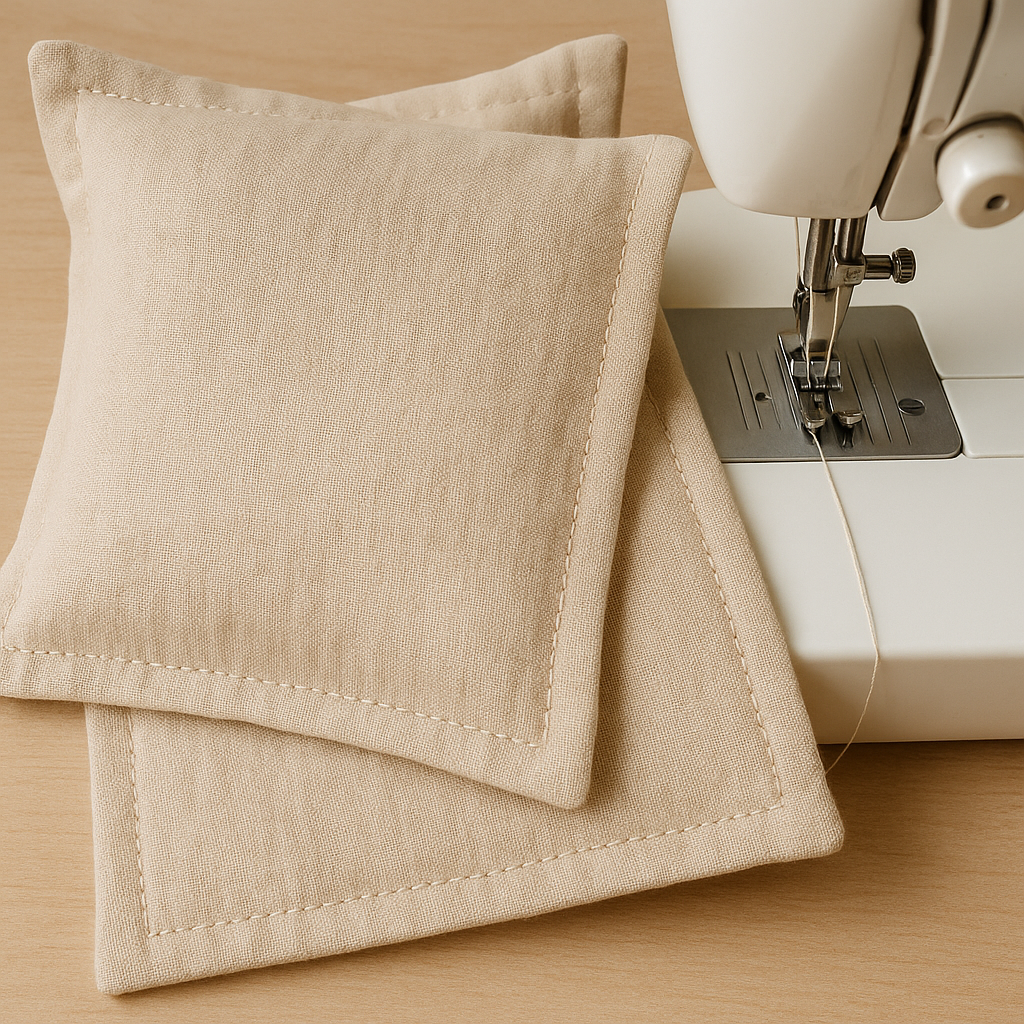
- Fabric Coasters: A small, simple rectangle or square with simple seams and edges.
- Drawstring Bags: Basic shapes to practice seams and casing creation.
- Pillow Covers: Easy to sew, great for home décor practice.
- Basic Tote Bags: Simple box bags help with straight seams and handles.
- Simple Skirts or Elastic Waist Pants: Great beginner garment projects avoiding complicated zippers or darts.
Many of these use woven cotton or linen fabrics ideal for beginners. These projects sustain interest with visible results.
Don’t be afraid to make your first set of underwear or face masks—these are surprisingly manageable and rewarding beginner projects.
Where Can I Learn More Sewing Skills and Join Communities?
The internet offers a wealth of free and paid resources tailored for beginners.
Popular platforms and creators include Emily Lightly’s sewing blog, YouTube channels like Stitch Collective, and online courses for structured learning.
Besides video tutorials, forums and sewing groups provide peer support and motivation.
Local fabric stores often host workshops and beginner-friendly lessons where you can meet fellow enthusiasts.
If you’re interested in deepening your craft through arts and crafts courses, check out CreativiU’s creative learning resources that blend skill acquisition with community support.
Frequently Asked Questions About Sewing for Beginners Tutorial
What sewing machine is best for beginners?
A basic domestic sewing machine with straight and zigzag stitch options suffices. Brands like Brother or Singer are popular. Borrow used machines to start if budget is a concern.
How do I choose the right needle for my fabric?
Universal needles work for most woven fabrics. Ballpoint needles are for knits. Heavier fabrics may need larger needle sizes. Always match needle size to fabric weight.
Is it better to sew with woven or knit fabrics for beginners?
Woven fabrics like cotton and linen are easier for beginners due to stability. Knit fabrics require stretch stitches and special needles, so start woven and advance when comfortable.
How can I avoid thread tension problems?
Follow your machine’s threading guide, use quality thread, and adjust tension settings gradually. Always test on scrap fabric before a project.
How much fabric should I buy for my first project?
Buy slightly more than the pattern length to account for mistakes and practice seams. Starting with scraps or thrift store fabric saves money and provides practice material.
When should I replace my sewing machine needle?
Change needles after 6-8 hours of sewing or if you notice skipped stitches or fabric snags. A dull needle damages fabric and compromises stitch quality.
Is there an easy way to keep track of changes made to sewing patterns or projects?
Maintaining a sewing journal documenting fabrics, patterns, stitch settings, and notes is invaluable for improvement and efficiency.
What’s Your Next Step?
Tell us in the comments: How will you apply this sewing for beginners tutorial to your creative journey? Explore our other resources to fuel your growth and creativity.
Ready to dive deeper into mastering skills? Explore Mastering the Arts and Crafts of Problem Solving to strengthen your creative thinking and crafty abilities.
Now grab that machine, gather your supplies, and create something uniquely yours. Happy sewing!
Leave a Reply