Ever find yourself staring at a blank page, brush in hand, wondering where to even begin with watercolor painting? You’re not alone. Picking up a new artistic skill—especially one as fluid and unpredictable as watercolor—can feel a bit like diving into the deep end without a life jacket. But here’s the thing: it doesn’t have to be that way.
Online watercolor classes for beginners have surged in popularity, and for good reason. They offer a relaxed, no-pressure environment where you can learn at your own pace—no worrying about feeling lost in a crowded classroom or scrambling to keep up with others. You get to explore those delicate washes, learn to blend colors effortlessly, and even make those ‘happy little accidents’ that make watercolor so enchanting.
So, why should you consider these online classes? Well, they’re designed to meet you right where you are, whether you’ve never touched a paintbrush or have dabbled a bit. Plus, being able to pause, rewind, or rewatch lessons means you’re in control of your learning journey—no one rushing you or judging your every brushstroke.
Imagine curling up with your favorite tea, a palette of colors in front of you, and expert guidance just a click away. Suddenly, those first timid strokes turn into confident marks, and your initial frustration gives way to pure joy. It’s not just about making art; it’s about discovering a new way to express yourself, unwind, and maybe even spark a creative side you didn’t know was there.
Getting started isn’t about mastering the craft overnight—it’s about embracing the process and giving yourself room to grow. If you’re curious about the best ways to kick off your watercolor adventure, check out how we explore the essentials and techniques in our Mastering Watercolor Techniques for Beginners guide. It’s packed with simple tips to help you build confidence and make painting feel like second nature.
Ready to dive in? Let’s explore the world of online watercolor classes for beginners together, break down common fears, and find the class that feels like your perfect fit. Because seriously, that creative spark inside you? It’s waiting to burst into life.
TL;DR
Feeling stuck before you even pick up a brush? Online watercolor classes for beginners unlock a paced, judgment-free space where you control the flow, making it easier to move from shaky strokes to confident artistry.
With expert guidance just a click away, you’ll find tips and tricks that turn frustration into fun—because learning watercolor should feel like a conversation, not a chore.
Selecting the Right Online Watercolor Classes for Beginners
Starting out with watercolor can feel a bit like standing at the edge of a vast ocean, right? So many choices, so many techniques floating around, and you’re wondering where to dive in without getting overwhelmed.
Choosing the right online watercolor classes for beginners means more than just signing up for the flashiest or cheapest option. It’s about finding that sweet spot where the teaching style, course structure, and community vibe all click with you.
What Do You Really Want to Learn?
Here’s a thought: Before you scroll through endless course options, pause and ask yourself what excites you most. Is it mastering smooth washes? Learning how to mix colors like a pro? Or maybe creating your own floral or landscape paintings? Pinpointing your focus helps you avoid courses that are all over the place and instead zero in on one that aligns with your goals.
Many beginners jump in expecting a quick fix, but watercolor is a journey. Look for classes that break down skills into digestible chunks — those that guide you step-by-step, not assuming you already know the basics.
How Important Is Instructor Style?
You’d be surprised how much the instructor’s personality can impact your learning. Think about this: When you learn with someone who’s chatty, encouraging, and explains things like a friend would over coffee, it feels way less daunting.
Some classes offer feedback or live sessions, which can be a game-changer if you thrive on interaction. Others might be purely video-based, letting you rewind and pause as much as you want. Neither is wrong — just pick what suits your learning mood.
Check the Course Structure and Resources
Look for courses that offer clear modules, whether on color mixing, brush control, or composition. Bonus points for downloadable practice sheets or suggested supply lists so you’re not left guessing which paints or brushes to buy.
Does the course provide workspace tips? Sometimes small advice — like choosing paper types or setting up your painting nook — can make a big difference in your experience.
Community and Support Matter More Than You Think
One of the best parts of learning online is the chance to join like-minded artists, even if it’s just virtually. A course with a supportive community, like forums or Facebook groups, makes it easier to share your progress, ask questions, and stay motivated. It’s so easy to feel stuck or isolated when trying something new, so leaning on a community can help you stick with it.
If access to instructors or peers feels limited, you might find yourself quitting as soon as the initial excitement fades. That’s the last thing you want.
Not sure where to start? You might enjoy courses that blend instruction with interactive problem-solving techniques, helping you not only learn skills but also creatively get past common watercolor challenges.
Budget vs. Value: What’s the Real Deal?
It’s tempting to grab the cheapest course, but think about how long you plan to stick with watercolor. Investing in a solid beginner course sets a strong foundation and saves headaches down the road.
Sometimes, free or low-cost courses lack depth or skip over essential basics, leaving you confused halfway. A well-structured paid course often provides better resources, feedback, and community support. It’s like buying a great set of paints versus those dollar-store tubes – the quality difference shows in the final result.
Quick Comparison: Online Watercolor Classes for Beginners
| Feature | Option A | Option B | Option C |
|---|---|---|---|
| Teaching Style | Step-by-step video tutorials | Live group sessions | Self-paced modules with quizzes |
| Community Access | Private Facebook group | Weekly live Q&A | Forum with peer feedback |
| Resource Material | Practice sheets, supply lists | Downloadable painting guides | Printable exercises and assignments |
Look at the table above and think how each feature fits with your learning preferences. For example, if you like real-time help, Option B with live Q&A might be your jam. Prefer learning at your own pace? Options A or C provide flexibility.
So, how do you actually pick one? Here’s a little secret: It’s okay to try a sampler first. A free mini-course or trial can reveal if the pace and style suit you.
You might also want to peek at reviews or ask for opinions on creative communities online — honest feedback can save you tons of frustration.
And if you want a deeper dive into how to build skills and tackle creative blocks during your watercolor journey, check out this comprehensive guide on arts and crafts problem solving. It’s packed with strategies that complement your watercolor learning perfectly.
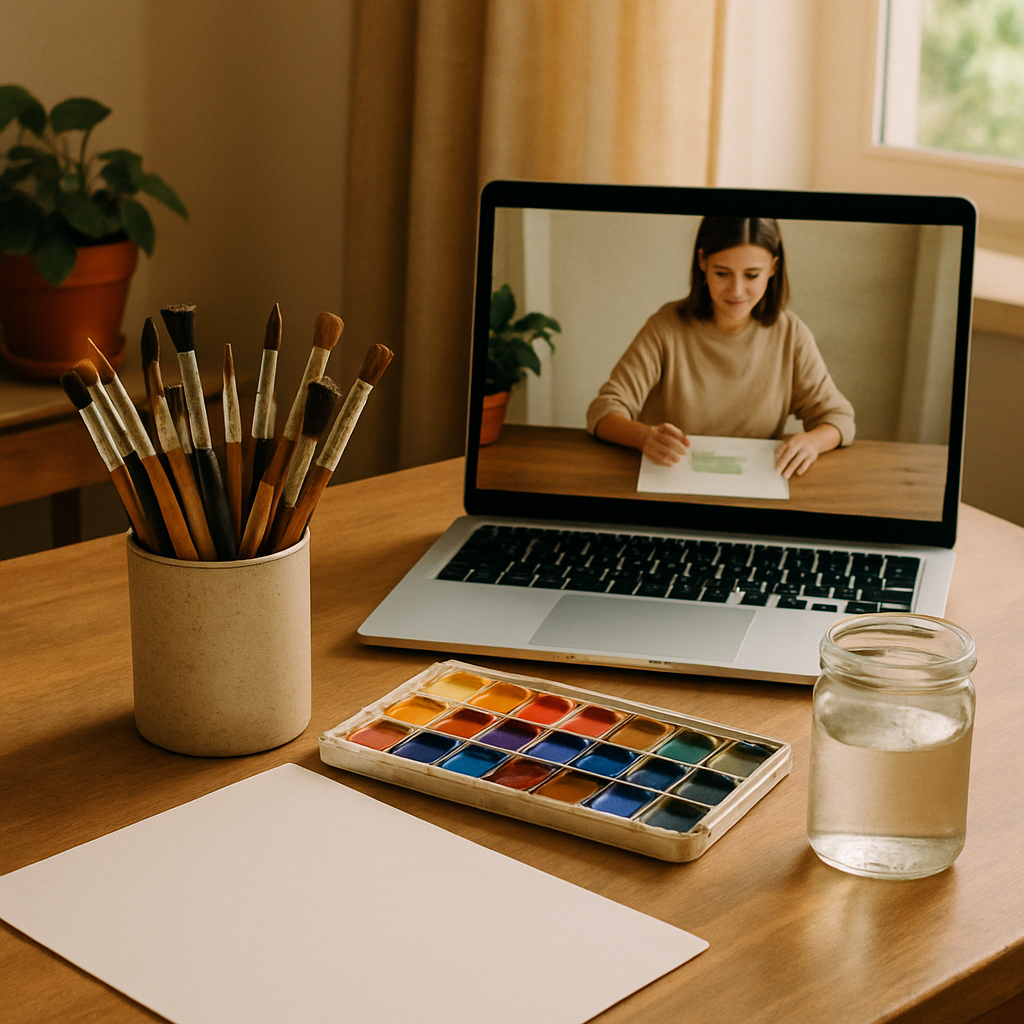
Essential Tools and Materials for Online Watercolor Beginners
Starting out with watercolor painting online is exciting—but also a little intimidating, right? You’re probably staring at endless options for paint, paper, and brushes, wondering where to even begin. That’s totally normal. Picking the right tools can mean the difference between a frustrating mess and a joyful splash of color.
Let’s keep it simple and practical. First off, the holy trinity of watercolor supplies: paint, brushes, and paper. Each has its own story, and I promise you don’t need to hoard every shiny tube or fancy brush out there to get going.
Watercolor Paint: Quality Over Quantity
When you’re shopping for paints, you might think grabbing the cheapest set is a smart move. But here’s the thing—I’ve seen beginners give up because their colors looked dull or lifeless. That’s often not a skill issue; it’s the paint quality making things frustrating.
Go for artist-quality paints if you can. They have a higher pigment load, meaning richer, brighter colors and better blending. A simple palette with six key colors—both warm and cool versions of your primaries (red, yellow, blue)—can open up a huge range of color mixing possibilities. Check out this guide on essential watercolor supplies for a detailed take on which paints to pick.
Brushes: Your Painting’s Best Friends
Not all brushes are created equal. The ones made especially for watercolors handle paint and water in ways others can’t. You really only need two or three brushes when you’re starting: a large round brush for washes, a medium round for general strokes, and a small detail brush for fine lines.
Wondering about natural vs. synthetic brushes? Natural hair like sable is legendary for its springy tip and water-holding abilities, but it’s pricier and needs some TLC. Synthetic brushes have come a long way, offering great performance at friendly prices and are more animal-friendly. Dive into this ultimate guide on choosing watercolor brushes to find what fits your style and budget.
Watercolor Paper: The Unsung Hero
Ever dealt with paper that curls, buckles, or ruins your wash? That usually means you’re not using good-quality watercolor paper. Artist-grade paper—typically 100% cotton, acid-free, and fairly thick (around 140 lb or 300 gsm)—makes your paints behave beautifully, letting you explore wet-on-wet and layering without headaches.
If the price tag scares you a bit, 50% cotton and 50% cellulose papers are decent mid-level options. The main thing? Avoid regular printer or sketch paper. Trust me, your watercolor will thank you.
Still feel like this is a lot to digest? That’s okay—online watercolor classes for beginners often guide you through exactly how to choose and use these materials so you don’t feel overwhelmed.
Beyond the Basics: Extras That Make Life Easier
Once you’ve got your paint, brushes, and paper sorted, a few extras can boost your experience: a palette with a bright white mixing surface to see your colors clearly, some good-quality masking tape to keep paper flat on a board (so no annoying waves), and jars for fresh and rinse water—you’ll want two of these.
And here’s a neat pro tip: use a pipette or small eyedropper to add drops of water to your palette or paper precisely. It might seem small but it’s a game-changer in control.
Want to protect your brushes? After you finish painting, rinse them gently, reshape the bristles, and let them dry horizontally or bristles down—never soaking in water or standing upright with water in the ferrule (that’s the metal bit).
Does all this make much more sense now? Once you have your toolkit in place, you’ll find that the magic of watercolor starts to shine through much easier—and every brush stroke feels way more satisfying.
Ready to pick your supplies and jump into your first lesson? Remember, you don’t have to buy everything at once. Start with the essentials and build your collection gradually as you discover your style and needs.
Basic Techniques Taught in Online Watercolor Classes for Beginners
If you’re just dipping your toes into watercolor painting, the whole array of colors and brushes might feel a bit like standing at the edge of a huge ocean, unsure where to swim first. Online watercolor classes for beginners often help by breaking this ocean down into manageable waves—that is, key techniques that build your confidence and skill step-by-step.
Starting with the Essentials: Brush Handling and Strokes
One of the very first things you’ll learn is how to hold your brush and control the paint. Sounds simple, but it really makes a world of difference. You’ll discover how to load your brush with the right balance of water to pigment—because too much water means soggy blobs, too little, and your colors look dull and patchy.
Then comes the fun part: experimenting with brush strokes. From a gentle wash to bold dabs and delicate lines, these foundational strokes become your visual vocabulary. Many classes guide you through exercises to create smooth gradients and textured effects. It’s not just about making pretty marks; it’s about understanding how your brush dances with the paper.
Wet-on-Wet vs. Wet-on-Dry: Learning to Play with Water
Here’s a classic watercolor dilemma: paint on wet paper or dry paper? Online classes usually dive right into these two magic tricks. Wet-on-wet techniques create soft, dreamy blends—perfect for skies or floral backgrounds. But it’s a tricky balance because the paint doesn’t always go where you expect.
On the flip side, wet-on-dry is about precision. When you paint on dry paper, your strokes have crisp edges and more control. It’s the trick behind detailed leaves or building layers for depth.
Want to know the secret? Most artists mix both techniques in a single painting to keep it lively and dynamic. Video tutorials often show you how to switch between these effects smoothly, so your work doesn’t look flat or overworked.
Layering and Glazing: Building Your Painting Like a Pro
One thing that trips up beginners is layering without turning colors muddy. Online watercolor classes emphasize glazing techniques—this means applying multiple thin layers of color, letting each layer dry before adding the next. It’s how you create rich shadows or glowing highlights without losing the transparency that makes watercolor so special.
Tried smushing thick paint on top of wet layers? Yeah, that’s what leads to one big blob. But glazing? Think of it like building your painting brick by brick, only with translucent color—magical.
Color Mixing and Understanding Your Palette
You might feel overwhelmed when faced with all those little paint tubes or pans. But nearly every beginner course spends lots of time helping you get cozy with mixing colors. Why? Because knowing how to blend primary colors into the shades you want saves you from spending a fortune and frustration hunting for the perfect tone.
Have you ever noticed how muddy colors sneak in when mixing haphazardly? Online classes usually recommend starting with a basic color palette and teach you how to combine those cleanly. They’ll show you color relationships and how to keep your mixes vibrant rather than dull. It’s like learning the secret recipes behind your watercolor magic.
Practical Exercises You Can Try Today
So, what does your practice actually look like? Many courses suggest exercises like painting simple shapes to master brush control, creating gradient washes to understand water ratios, or mixing two colors repeatedly to see how they behave. These might sound dull, but trust me, they’re the quiet building blocks behind any stunning watercolor piece you admire.
Plus, painting basic flowers, leaves, or skies concurrently teaches you to apply those techniques creatively from the get-go. It’s a pretty satisfying “aha” moment when your first attempts start resembling something you intended.
Does all this sound doable? The best online watercolor classes for beginners don’t just throw info at you—they guide you through these techniques with clear demos and bite-sized lessons, so you get plenty of chances to try, fail, and try again without pressure.
Ready to see these tricks in action? Check out this beginner-friendly online watercolor tutorial that demystifies brush handling and basic strokes. Or if you want a deeper dive into structured learning with downloadable exercises, Jenna Rainey’s comprehensive brush-up beginner watercolor course offers a beautifully paced approach to these essentials.
Bottom line? Those first brush strokes? They’re the hardest but also the most thrilling. Stick with the basic techniques your course teaches—you’ll be surprised how quickly your confidence grows and how your “mistakes” start looking like part of your style. Let’s get those brushes moving!
Tips to Maximize Learning and Practice in Online Watercolor Classes
Getting started with online watercolor classes for beginners feels like stepping into a whole new world, right? All those colors, brushes, and techniques can be exciting but also a bit overwhelming. The good news is, you don’t have to be perfect or make masterpieces right away. It’s about setting yourself up to actually enjoy the process and see real progress.
Prepare Your Space Like a Pro
Look, one of the biggest game-changers is how you set yourself up before you even touch the brush. Think about it: when you’re rushing to get started, that pile of unprepared materials can kill your motivation faster than you can say “watercolor.” A little prep the day before—like tearing your watercolor paper to size, filling your water jars, and laying out your palette—removes obstacles between you and the joy of painting.
This isn’t just me guessing — experienced artists and online tutorials often emphasize this simple step. According to this well-rounded guide, having your tools ready makes it easier to show up consistently.
Choose Your Subject Before You Paint
How many times have you sat down, ready to paint, only to freeze because you can’t decide what to create? It’s a classic creative roadblock. Pick your reference photos or ideas the day before. Even better, organize them into a dedicated folder or album on your phone or computer so you can skip that endless scrolling and jump straight into painting.
Knowing what you want to paint before you start clears mental clutter and saves your precious painting time for actually painting. It’s a simple hack but ridiculously effective when juggling a busy life alongside your creativity.
Paint Small, Paint Often
If you’re trying to finish a giant painting every session, you might be setting yourself up for frustration. Watercolor doesn’t like to wait around—the timing of your strokes matters. Painting smaller works lets you practice more frequently, hone your brush control, and experiment without the pressure of a big commitment.
Try dedicating 10-15 minutes a day to small exercises, like skies or leaves. You’ll rack up consistent practice, and suddenly those tricky blending techniques or washes get easier. As professional watercolor artists explain, smaller paintings accelerate learning and build confidence faster than you expect.
Shift Focus from Perfect Results to Consistency
Have you ever looked at a painting you did and thought it was horrible? Yeah, we all have. But what if instead of fixating on the end result, you rewarded yourself for showing up? Even if the painting is messy or “wrong,” that moment is progress.
Consistency matters far more than perfection—painting daily or regularly, no matter what comes out, strengthens your skills in ways you won’t notice instantly but will appreciate later.
Practice Specific Skills in Isolation
It’s tempting to jump right into creating a whole scene. But what if, instead, you set aside sessions just to paint skies or foliage or water bodies? Focusing on one element at a time sharpens your command over that part, so when you combine them later, your paintings will feel more confident and vibrant.
Keep a scrap piece of paper handy to test brush marks and strokes before applying them to your main painting. It’s a simple trick to reduce frustration since watercolor doesn’t forgive easy. Practicing on scrap paper keeps your marks intentional rather than accidental.
Use a Habit Tracker to Build Momentum
Accountability is a powerful motivator. Hanging up a calendar and marking every day you practice watercolor turns learning into a visual game. This little ritual pushes you to keep showing up, even on days when you’re just not feeling it.
Recognizing streaks and milestones can boost your excitement. It’s like giving yourself a high-five for every single session—because you deserve it.
So, what should you do next? Start with prepping your materials and picking a subject before your next session. Commit to painting small, even if it’s just a quick 10-minute study. Track your sessions, and be kind to yourself when things don’t look perfect. Remember, most artists have piles of paintings they’d rather hide. Your journey is unique — lean into it.
Want more tips that make watercolor feel less intimidating? This friendly painting guide breaks down beginner steps into fun, manageable ideas you’ll love trying.
And hey, every stroke you make is a step forward. Now, go get that brush wet!
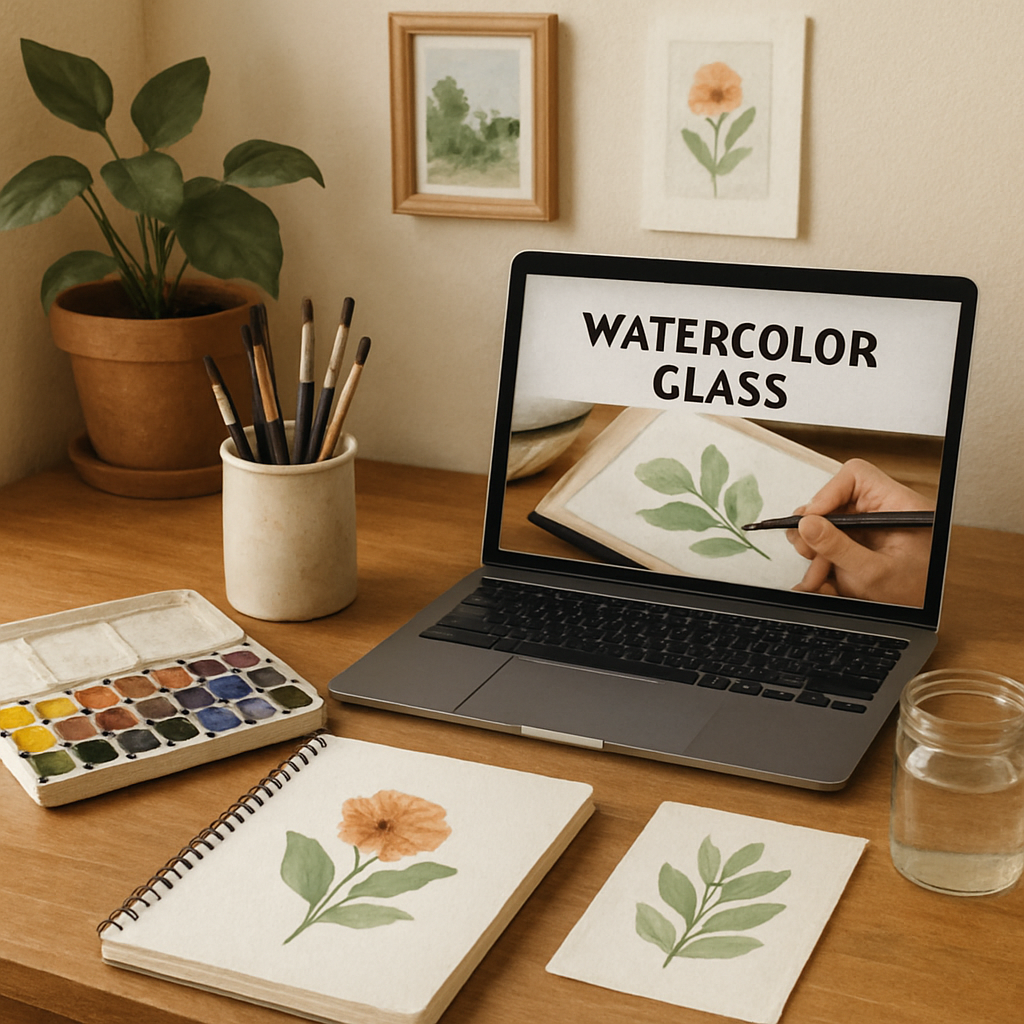
Community and Support: Leveraging Online Groups and Feedback
Ever felt stuck staring at your watercolor painting, unsure if those blotchy areas are mistakes or just the magic of the medium? You’re not alone. One of the biggest hurdles with online watercolor classes for beginners isn’t the technique — it’s that sense of isolation.
That’s why community and feedback are game changers. Imagine having a bunch of people who get it — who’ve wrestled with the same frustrating washes or tried blending colors just like you. Online groups and class communities don’t just keep you accountable; they offer a safety net and a sounding board.
Why Online Communities Matter
Painting is personal, sure, but sharing your work with others can be super rewarding. When you post your latest watercolor attempt in an online group, you’re opening the door to encouragement, constructive tips, and fresh inspiration.
Think about it this way: getting feedback from a master artist or a fellow learner who recently cracked a tricky technique can turn a “meh” moment into a breakthrough.
Many platforms hosting online watercolor classes, like those from CreativiU partners, incorporate community features so you can jump into group chats, forums, or live sessions. Being part of these spaces means you’re not just watching videos in isolation; you’re participating in a living, breathing studio where questions fly, ideas bounce, and progress happens.
Using Feedback to Grow
Feedback isn’t just about fixing problems—it’s about refining your own eye. When someone points out a subtle way your colors interact or suggests a different brush stroke, you begin noticing details you might’ve missed. This kind of insight is invaluable because it speeds up your learning curve.
But here’s the thing: you’ve got to be open to it. Sometimes feedback can sting, but that’s part of the process. Online watercolor classes for beginners often build this culture carefully, encouraging kindness and growth over judgement.
Online groups aren’t just about critique. They’re places to celebrate your wins, big and small. Got a wash that finally came out smooth? Share it! Saw a post that inspired your next project? Jump into the discussion. It’s these little moments that make the journey feel connected.
Finding the Right Group
There’s no one-size-fits-all when it comes to online communities. Some might be fast-paced with daily challenges, while others are calm spaces for thoughtful feedback. If you’ve ever wondered, “Where do I even start?”, a good bet is to look for communities tied to your chosen course or platform.
For example, CreativiU offers a supportive environment where beginners can thrive alongside more experienced artists — all sharing tips, resources, and feedback in real time. Plus, connecting with others helps keep motivation alive when life inevitably gets busy.
If you’re curious about how others navigate learning from home, check out insights on embracing watercolors through online classes from artists like Louise De Masi, who explains how her students thrive through online feedback and community engagement in her detailed guide.
Also, digital learning trends show that engaging in artist communities online greatly enhances skill retention and keeps creative sparks flying according to recent experiences shared by online art educators.
How to Make the Most of It
Don’t just lurk. Dive in. Ask questions, share your work-in-progress, even if it feels rough. The more you participate, the more you’ll gain.
Set small goals like posting one painting a week or commenting on a peer’s work. Trust me, engaging like this turns a solo hobby into a shared adventure.
And remember, every piece of feedback is a stepping stone, not a finish line. Embracing community and support in your online watercolor journey doesn’t just build skills; it builds friendships and confidence. So, why go it alone when you can paint with a whole crew cheering you on?
Conclusion
It’s kind of wild when you think about it — just a little brush, some paint, and your screen can open up a whole new world of creativity. Online watercolor classes for beginners aren’t just about learning how to blend colors or sketch shapes; they’re about finding your rhythm and confidence at your own pace. And honestly, that’s the best part.
You don’t have to juggle schedules or rush through techniques. You get to explore, make those messy mistakes, and celebrate the tiny victories—like finally nailing that perfect wash or discovering a unique style only you have.
But here’s the secret sauce: community matters more than we realize. When you join online classes where feedback flows freely and friendships spark alongside your art, the whole experience shifts from solo practice to shared adventure. It pushes you to keep going when self-doubt creeps in.
So, what should you do next? Pick a class, grab your supplies, and just start. Share your work—even if it feels rough—and soak in the encouragement of other artists walking the same path. Because the best thing about these online watercolor classes for beginners? They’re not just teaching you a skill. They’re inviting you to become part of something bigger, something inspiring.
And hey, if today feels overwhelming, remember this: every masterpiece began with a single, sometimes shaky, brushstroke. Yours is waiting.
Frequently Asked Questions about Online Watercolor Classes for Beginners
Starting something new, especially when it’s as hands-on and colorful as watercolor painting, comes with a bunch of questions. Maybe you’re wondering if those online watercolor classes really live up to the hype or if you’ll end up frustrated and stuck. I get it — jumping into painting from behind a screen sounds tricky at first.
Do I need any previous art experience to join online watercolor classes for beginners?
Short answer: Nope. These classes are designed precisely for people who are starting from scratch. You don’t have to sketch like Picasso or know color theory inside out. The whole point is to ease you into it, step-by-step, letting you learn by doing at your own pace. Think of it like learning to ride a bike with training wheels — you get plenty of support before you’re ready to take off on your own.
What supplies do I really need to get started?
Honestly, you don’t need to break the bank. Most beginner classes will list basic supplies: watercolor paper, a small set of paints, a few brushes, and a jar of water. If you’re not sure where to invest, it’s okay to start with a beginner’s kit from a craft store. You’ll pick up quality and variety over time, trust me.
Can I ask questions or get feedback during the class?
This differs, but the best online watercolor classes for beginners usually include ways to connect with instructors or fellow students—whether through live Q&A sessions, discussion boards, or private groups. That support makes a huge difference when you’re stuck on a tricky technique or just want someone to cheer on your progress. Don’t be shy about reaching out—you’re definitely not alone!
Will these classes help me develop my own style?
Absolutely. While beginners often focus on mastering basics like washes and brush control, most great courses encourage exploration. You’ll be prompted to play with colors, try different subjects, and experiment with effects. This is how you stumble upon that unique style that feels most like you. It’s not about copying someone else, but about discovering what lights your creative fire.
What if I miss a live session or fall behind?
This is where online classes really shine. Most offer flexible learning so you can watch lessons anytime, rewind tricky parts, or pause and come back when you’re ready. There’s no pressure to keep a strict schedule. It’s all about enjoying the process and learning at your own rhythm.
Is it possible to build a community in an online setting?
You bet. One of the unexpected perks of these classes is meeting fellow beginners and enthusiasts who share your challenges, your excitement, and those frustrating but oh-so-valuable mistakes. Many platforms encourage sharing your work for feedback and celebrate every little breakthrough. That connection can be the difference between giving up and pushing through.
How do I pick the right online watercolor class for me?
Think about what you want most: detailed technical skills? Inspiration and creativity? Personalized feedback? Look for classes that match your learning style and offer a community vibe if that’s important. Sometimes, dipping your toes in a free trial or preview can tell you if the teacher’s style clicks with you. Remember, it’s okay to switch things up until you find that perfect fit.
So, feeling a bit more confident about diving into online watercolor classes for beginners? Grab your brushes with curiosity and give yourself permission to be imperfect. Every expert was once a beginner who kept showing up.
Leave a Reply