A well-known fact about the topic of creative arts is that they encompass a broad spectrum of human expression.
But what are they, exactly?
In this comprehensive guide, you’ll find a detailed exploration of the different types of creative art.
Some are vibrant paintings that capture feelings with every brushstroke.
Some are evocative sculptures, standing as whispers of the sculptor’s thoughts.
Some lead you on a journey through captivating dance movements.
Others are melodies that resonate deep within the soul.
Let’s dive right in.
What is Creative Art?
Creative art is defined as a practice that involves the expression of human enrichments through various forms including visual, performing, and literary arts. These expressions emerge from imagination, culminating in forms that not only amuse but also provoke thought and inspire change.
Creative arts vary widely, encompassing mediums that engage audiences on emotional and intellectual levels. For example, visual arts can include painting, photography, sculpture, and installation art, while performing arts might focus on theater, music, and dance. There are also literary arts like poetry and creative writing.
Categories of Creative Art
The exploration of types of creative art can be categorized primarily into two groups: Visual Arts and Performing Arts.
Visual Arts
Visual arts are primarily intended to be observed. This wide-ranging field includes:
- Painting: Utilizes pigments on surfaces, allowing artists to express emotions and narratives.
- Sculpture: Engages three-dimensional materials to create forms that speak to scale and texture.
- Photography: Captures moments in time, transforming mundane details into compelling narratives.
- Printmaking: Involves the transfer of images from a matrix onto various surfaces, often creating limited editions.
- Digital Art: Leverages technology to create artworks that may not exist in physical forms.
Visual arts can be incredibly diverse. For example, artists like Banksy use street art to express social commentary in vibrant and thought-provoking ways. Street art is often characterized by its accessibility and engagement ways with their community.
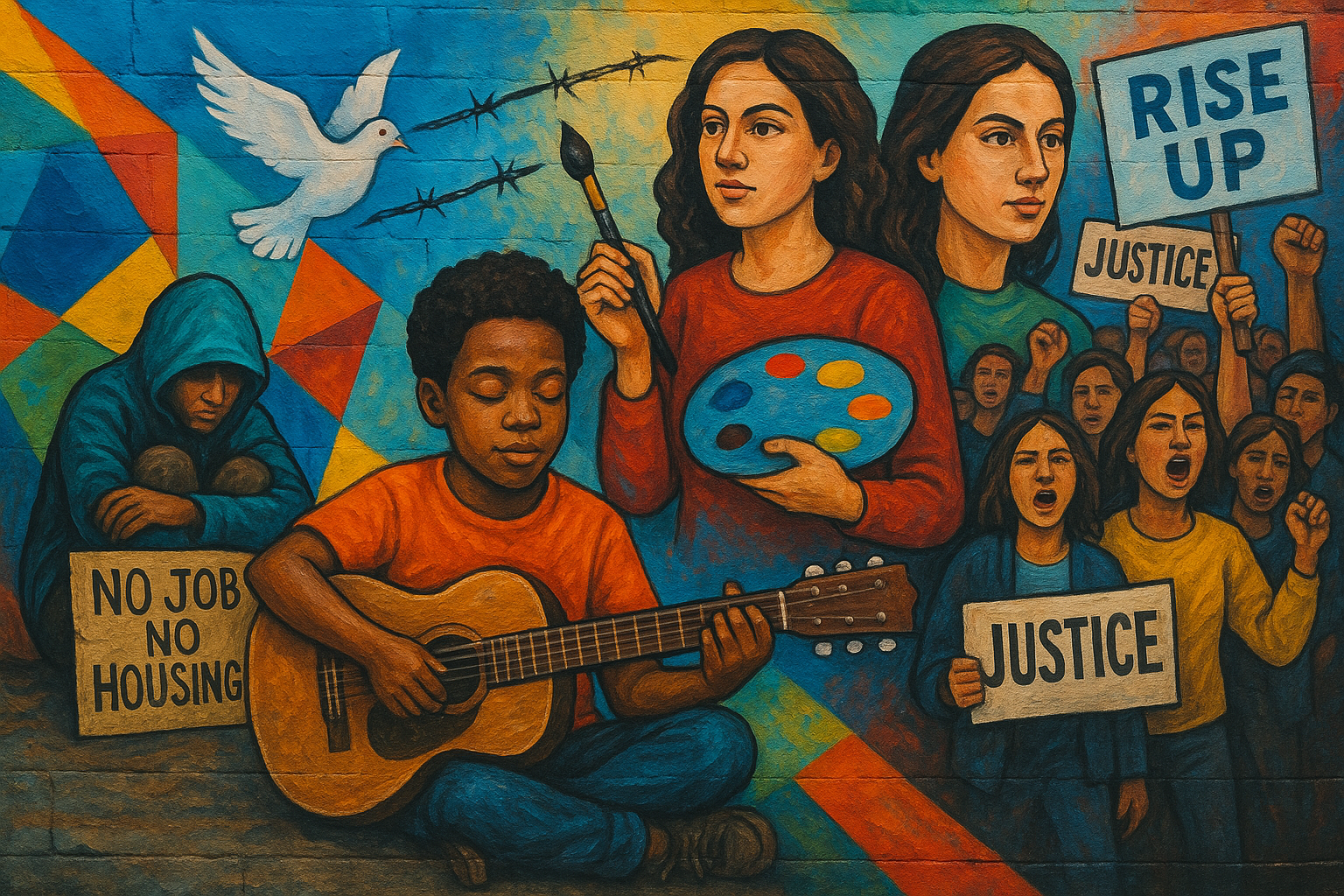
Many visual artists are not just creators but also storytellers. They weave narratives through their imagery. Art communicates on levels that escape words. Despite its lack of verbal expression, art resonates deeply within various cultures.
Performing Arts
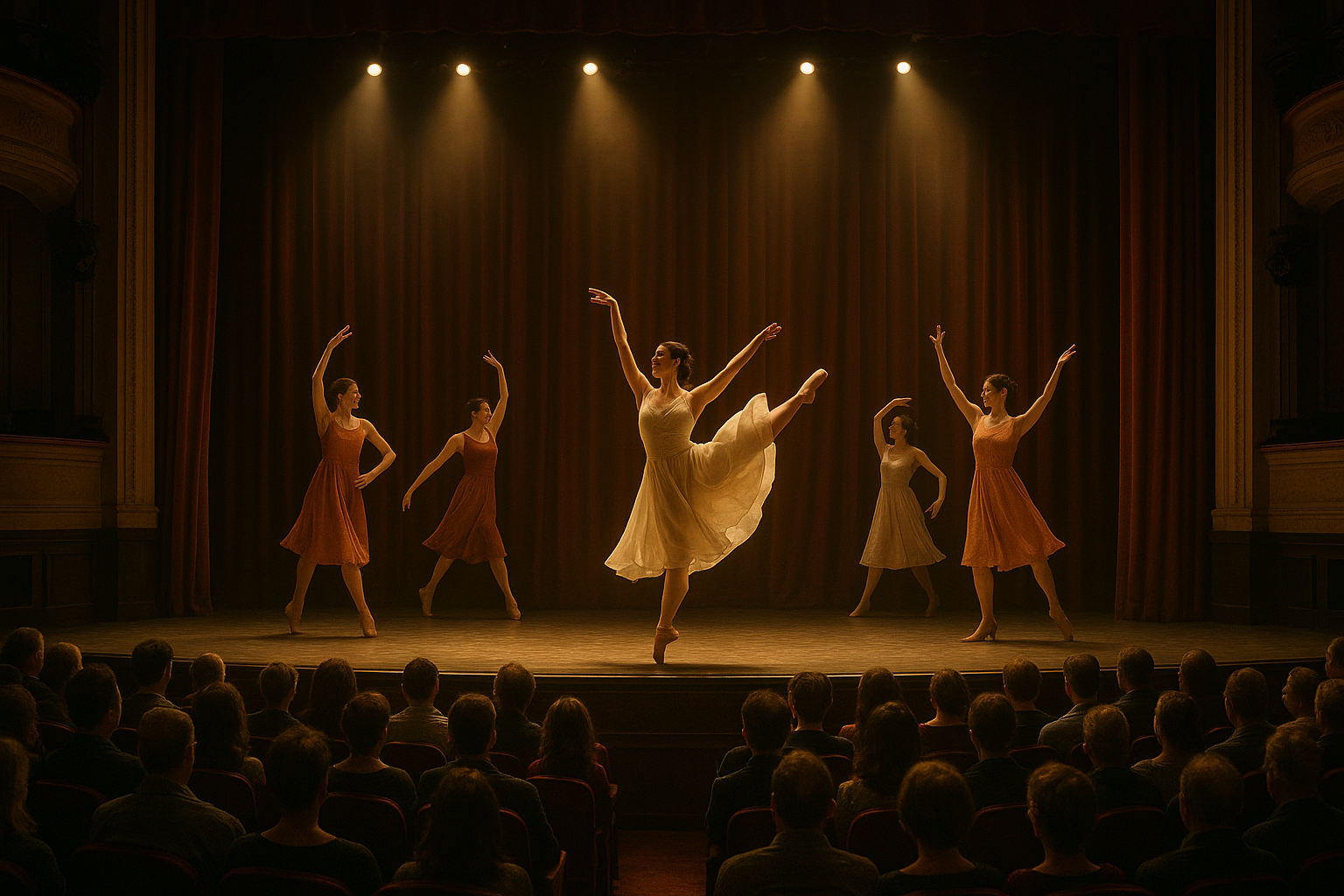
Unlike visual arts, performing arts are about live presentations. They are transient, often created to be experienced in real-time. Types of performing arts include:
- Theater: Dramatic performance where actors convey stories through dialogue, movement, and audience interaction.
- Music: A blend of melody and rhythm, generating an emotional experience ranging from joy to melancholy.
- Dance: Combines movement with music to express a wide array of human emotions and narratives.
Performance art often blurs the lines between art and life. It demands the audience’s engagement, fostering a communal experience. The works of artists like Marina Abramović challenge traditional boundaries by putting the audience in the performance itself, highlighting the act of witness and interaction.
How to Choose the Right Type of Creative Art for You
Choosing the right type of creative art can be a daunting task. Here are some approaches to help guide your decision:
- Identify Your Interests: Reflect on what resonates with you. Do you enjoy visual stimulation, or do sounds captivate you?
- Experiment: Try out different mediums. Attend workshops or classes to expose yourself to various types of creative art.
- Consider Your Resources: Assess what materials or space you have to create. Some forms of art require more investment than others.
- Think About the Message: Consider what you want your art to communicate. Every type has its own way of conveying messages.
The key is to enjoy the exploration. The journey of creating can be just as rewarding as the final product.
The Connection Between Art and Mental Health
Art has a profound impact on our mental well-being. Studies have shown that engaging in creative activities can alleviate stress, enhance emotional resilience, and provide a productive outlet for self-expression. The Mayo Clinic notes that art therapy can be used to address conditions such as anxiety, depression, and even pain management.
Not only does making art promote your emotional health, but appreciating art can also lift your spirits. Many people find joy in visiting galleries and experiencing art in different forms, whether it’s a vibrant painting in an exhibition or a moving performance at a theater.
The Importance of Art Education
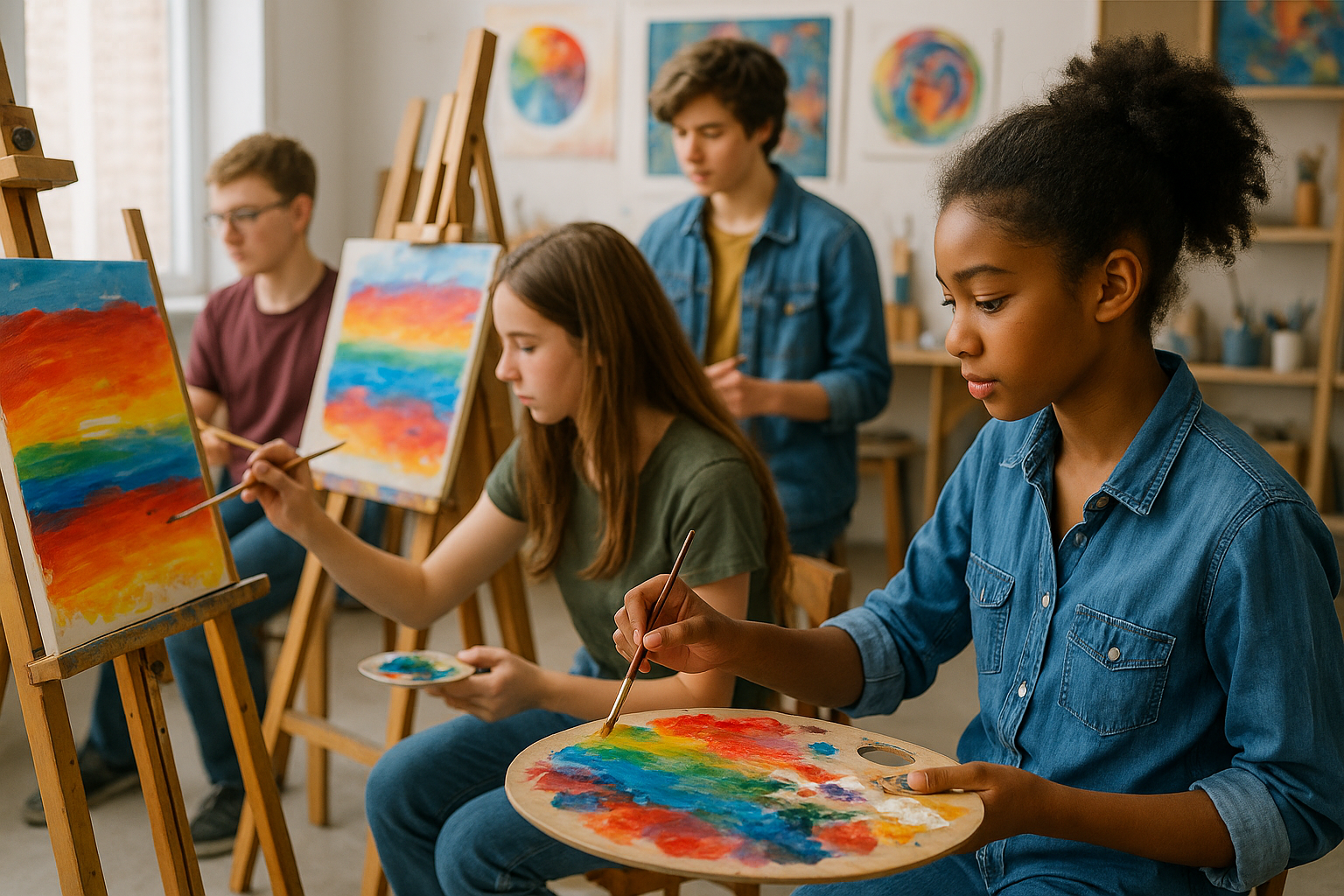
Art education plays a crucial role in developing creativity, critical thinking, and problem-solving skills in children and adults alike. Integrating art into educational settings enriches students’ learning experiences across disciplines. Research indicates that students participating in arts education often see improved academic performance in subjects like math and language arts.
Additionally, students who study art report higher levels of civic engagement and personal tolerance, reflecting a broader understanding of societal dynamics.
How to Get Involved in Creative Arts
Getting involved in creative arts doesn’t have to be overwhelming. Here’s how you can embark on your artistic journey:
- Join a Local Class: Many community centers and colleges offer classes in various types of creative arts, from painting to dance.
- Find Online Resources: In today’s digital world, there’s an abundance of online tutorials and classes available for all skill levels.
- Visit Art Exhibitions: Engaging with others’ work can ignite inspiration and motivate you to create your own art.
- Connect with Others: Find social media groups or local meetups to connect with fellow art enthusiasts.
Remember, every artist was once an amateur. Start small and allow your creative skills to develop organically.
Conclusion
In summation, understanding the diverse types of creative art is essential to finding your personal expression. Whether you’re drawn to painting, photography, music, or dance, each type provides a unique avenue for creativity.
Art enriches our lives, elevates mental health, and enhances educational outcomes, making it a valuable pursuit for all. Dive into the world of creative art and find your niche, so you can enjoy not only the act of creating but also the joy it brings to your life and others.
What’s Your Next Step?
Tell us in the comments: How will you apply this to your creative journey? If you’re looking for more ideas, don’t hesitate to explore our guides on educational arts and crafts!
Leave a Reply