Exploring new art forms can be an exciting journey, especially when it involves a medium as captivating as resin. Resin art combines creativity with chemistry, allowing artists to create stunning, glossy pieces that range from decorative trays to vibrant wall art. But how does a beginner get started without feeling overwhelmed by the many techniques and materials involved? The answer lies in online resin art workshops tailored specifically for beginners, and even better when these workshops include active community feedback.
Why is community feedback so crucial in an online learning environment? When you’re new to resin art, personalized guidance helps avoid common pitfalls like bubbles, improper curing, or color mixing mishaps. Instead of struggling alone, you receive constructive critiques, encouragement, and ideas shared by fellow learners and instructors who understand the nuances of resin art. This dynamic interaction fosters confidence, sparks creativity, and accelerates your learning curve.
Imagine joining a workshop where, after completing a project, you upload photos and get thoughtful responses from peers and seasoned artists. This collaborative environment transforms passive learning into an engaging, interactive experience—one that keeps you motivated and inspired. Moreover, many online platforms offer on-demand access, allowing you to learn at your own pace while still benefiting from the community’s collective wisdom.
Beyond just mastering resin art techniques, such workshops open up pathways for creative entrepreneurs looking to monetize their craft or hobbyists eager to enhance their skills and personal development. Plus, with access to a rich library of resources and supportive peer networks, you’ll never feel like you’re navigating the artistic process alone.
Ready to dive into the world of resin art with expert support and a thriving community? Explore how online resin art workshops for beginners with community feedback can boost your creative journey and connect you with likeminded enthusiasts. To discover more about creative learning environments that blend technology with tradition, check out our guide on mastering the art of acquiring skill. Let’s dive in and unlock your artistic potential!
TL;DR
Online resin art workshops for beginners with community feedback offer an interactive way to boost your creativity and skill development. By engaging with peers and experts, you receive personalized guidance, turning your artistic journey into a supportive, motivating experience that accelerates learning and inspires unique creations.
Understanding Resin Art: A Beginner’s Overview
Diving into the world of resin art can feel overwhelming at first—but what makes resin art truly captivating is its blend of science and creativity. Have you ever wondered what exactly resin art entails and why so many beginners find themselves hooked? Let’s explore this artistic medium in detail, laying the foundation for your journey through online resin art workshops for beginners with community feedback.
What Is Resin Art?
Resin art involves the artistic use of liquid synthetic resins that cure into a hard, glossy finish. These resins—primarily epoxy, polyurethane, polyester, or UV resin—start as two-part mixtures (except UV resin, which is one-part) that chemically react and solidify over time. This transformation from liquid to a durable solid creates opportunities for endless artistic possibilities, from painting and coating surfaces to casting unique objects.
The popularity of epoxy resin, in particular, stems from its clarity, durability, and versatility. It’s prized for producing stunningly clear, glass-like finishes that showcase embedded objects, vibrant pigments, and intricate textures (source: ArtResin resin types guide). Whether you’re coating a canvas, creating flow art, or designing jewelry, epoxy resin serves as a reliable base.
Key Resin Types and Their Artistic Use
- Epoxy Resin: Generally most recommended for beginners and professional artists alike, epoxy resin cures to a rock-hard, crystal-clear finish with excellent moisture and chemical resistance. Formulated for art, it often contains light stabilizers to prevent yellowing and can be tinted with pigments.
- Casting Resin: Low viscosity and perfect for embedding objects within deep molds. It requires a longer curing time but ensures clarity and dimension.
- UV Resin: Cures quickly using ultraviolet light, ideal for small, detailed applications. However, it is less suitable for thick pours and can be pricier.
- Polyurethane and Polyester Resins: More industrial-grade, these resins offer durability for heavy-duty projects but demand stricter safety precautions due to fumes and handling requirements.
Choosing the right resin is essential, as each type has unique properties impacting your project’s outcome. High-quality art resin tends to be non-toxic, solvent-free, and food-safe once cured—important aspects often emphasized in expert workshops.
Why Join Online Resin Art Workshops with Community Feedback?
Mastering resin techniques involves understanding mixing ratios, curing times, safety gear, and finishing methods. Online resin art workshops for beginners with community feedback offer a structured, interactive environment where you not only learn hands-on skills but also receive personalized advice while sharing your progress with peers. This communal learning accelerates skill acquisition and inspires creativity through diverse perspectives.
Imagine being able to troubleshoot common challenges like bubbles, inconsistent curing, or uneven layers in real-time with input from instructors and fellow learners. This dynamic support system fosters confidence and helps you avoid costly mistakes, turning the crafting process into an enjoyable, rewarding adventure.
Furthermore, many workshops incorporate scientific insights about resin chemistry, helping you understand the why behind each step. For a deeper dive into resin basics and safety, resources such as this comprehensive resin guide or expert tutorials like those found on YouTube resin art channels enrich your foundational knowledge.
Ultimately, resin art beautifully combines precision and freedom, offering beginners an accessible yet sophisticated creativity outlet. Starting your journey through an online platform that nurtures skill development alongside a supportive community ensures you’re set up for success and inspired to innovate.
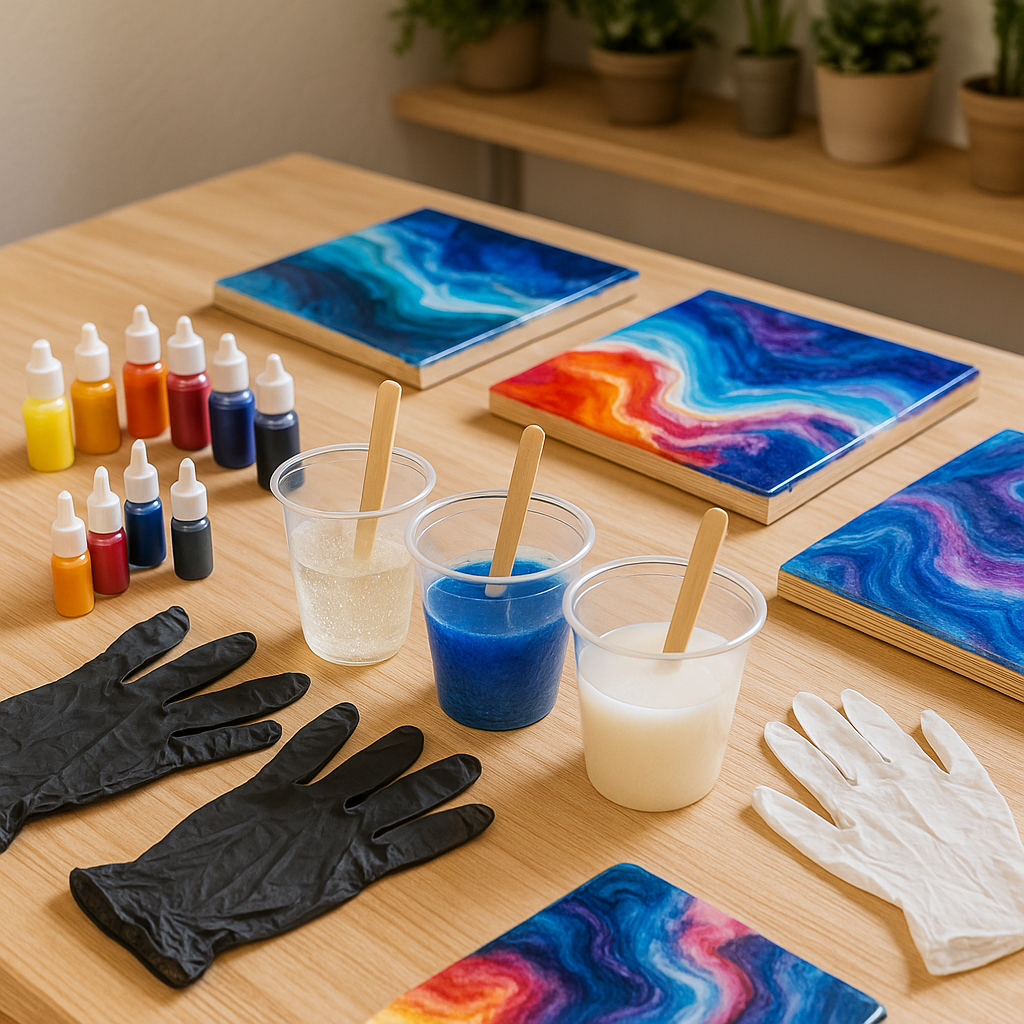
Choosing the Right Online Resin Art Workshops
Embarking on your resin art journey is exciting, but with so many options available, how do you select the best online resin art workshops for beginners with community feedback? The decision goes beyond just price and schedule; it influences how well you grasp techniques, your creative growth, and the enjoyment of the process.
Why Community Feedback Matters in Online Workshops
When learning a tactile craft like resin art virtually, having a vibrant community is not just a bonus — it’s essential. Real-time support and feedback from instructors and fellow participants can help you troubleshoot challenges like bubbles or curing inconsistencies immediately, which might otherwise delay your progress or cause frustration. Interactive forums, live Q&A sessions, and group critiques foster a sense of belonging that keeps motivation high and creativity flowing.
For instance, workshops hosted on platforms that prioritize social interaction often feature dedicated spaces where you can share your projects, receive constructive input, and learn from others’ experiences. This peer engagement nourishes both skill mastery and artistic confidence, turning an isolated activity into a collective creative adventure.
Types of Online Resin Art Workshops to Consider
Not all workshops are created equal. It’s helpful to evaluate courses based on these key formats:
- Live Interactive Classes: Conducted over video conferencing, these sessions enable direct communication with instructors and peers. You benefit from immediate feedback and the camaraderie of synchronized learning.
- Pre-recorded Tutorials with Community Forums: These provide flexibility to learn at your own pace, accompanied by forums or social groups where you can ask questions and share progress.
- Workshop Kits with Guided Instruction: Some workshops include shipped resin kits curated for specific projects. These often blend pre-recorded or live tutorials with step-by-step instructions tailored for beginners.
Each style serves different learning preferences. For example, if you value a schedule and real-time interaction, live classes may be best. Meanwhile, self-paced kits offer convenience and tactile experience together, making them ideal for hands-on learners who want tangible materials at their doorstep.
Key Factors to Compare When Choosing Workshops
| Feature | What to Look For | Helpful Notes |
|---|---|---|
| Instructor Expertise | Certified or experienced art teachers with resin-specific skills | The better the instructor’s background, the more nuanced tips you’ll receive |
| Community Engagement | Active forums, live chat during sessions, peer project sharing | Ensures you get personalized advice and motivational support |
| Course Materials | Comprehensive tutorials, downloadable guides, resin kits | Hands-on materials can significantly improve learning retention |
| Class Size | Smaller groups facilitate more individual attention | Look for workshops capped at manageable numbers (e.g., 10–25 participants) |
| Flexibility | Options for recorded replay or multiple session times | Important if you have a busy or unpredictable schedule |
Examples of Popular Offerings
Platforms like ClassBento offer numerous live resin workshops with craft kits mailed to your door, ranging from coasters to serving trays. These classes often feature smaller groups and come with direct instructor interaction—providing hands-on learning infused with community support. They also offer a money-back satisfaction guarantee, which builds trust for beginners.
Alternatively, creators sharing resin tutorials on video platforms allow you to pause and practice at your speed, but often lack real-time feedback. However, some YouTube communities complement these videos by fostering discussions and peer review. The video below is an example of a detailed resin art tutorial you can follow along with at home:
Workshops that combine live instruction with shipped kits strike an effective balance for many beginners, providing both structure and tactile engagement. Additionally, platforms with dedicated communities and direct instructor access, like CreativiU, emphasize personalized support and peer collaboration, key features for sustained artistic growth.
Questions to Ask Yourself Before Enrolling
- Do I prefer fixed schedules or flexible, on-demand learning?
- How important is immediate feedback from instructors and peers?
- Am I comfortable sourcing my own resin supplies, or would I benefit from a kit that includes everything?
- What type of resin projects excite me most—functional items like trays, decorative pieces, or smaller crafts like jewelry?
- Does the workshop community align with my learning style and creative goals?
Answering these can help narrow your choices and increase your chances of an enjoyable and productive experience.
Final Insights
Choosing the right online resin art workshops for beginners with community feedback is a strategic step towards mastering this rewarding craft. Prioritize workshops that balance expert instruction, community interaction, and hands-on guidance. Being proactive about the workshop’s format, community vibrancy, and support systems will save you time and elevate your resin art skills.
Remember, the best workshop is one where you not only learn techniques but become part of a creative network that pushes you forward. So take a moment to explore offerings carefully and pick a course that feels like a supportive, inspiring launchpad for your resin art adventure.
For more detailed workshop options and user reviews, sites like ClassBento’s resin art classes provide a diverse selection tailored to different interests and experience levels.
How Community Feedback Enhances Learning in Resin Art Workshops
Embarking on your resin art journey can feel daunting, but joining an online resin art workshop that emphasizes community feedback transforms it into a collaborative, enriching experience. Why is community feedback so vital to mastering resin art? Beyond simply grasping the technical steps, resin art demands experimentation, iteration, and the ability to interpret what works and what doesn’t. A community setting provides exactly that—a dynamic environment where you can share your creative process and receive constructive, insightful responses that fuel growth.
Receiving Constructive Feedback: A Catalyst for Skill Improvement
Unlike isolated learning, where you might struggle to self-critique or miss subtle mistakes, community feedback shines a light on areas to refine. For example, a peer might notice uneven layering in your resin pour or suggest better ways to mix colors for vibrancy. This constructive feedback is invaluable because it comes from different perspectives—some fellow beginners, others more advanced artists—which broadens your understanding and sharpens your eye.
Being open to critique might feel vulnerable at first. However, the supportive atmosphere typical in well-facilitated workshops encourages genuine, kind, and practical advice. Many experienced artists stress how a community helps normalize mistakes as part of learning, reducing frustration and self-doubt. Through ongoing feedback loops, you gradually build confidence in your craft, advancing faster than solo attempts could allow.
Motivation and Inspiration Through Shared Experiences
Resin art involves many variables—resin types, pigments, additives, curing times—and it’s easy to feel stuck or uninspired. In a community, seeing diverse projects and hearing others’ creative journeys offers fresh ideas that spark your imagination.
For instance, when a fellow learner shares a creative technique like embedding dried flowers or achieving effects with alcohol inks, it can open new doors you hadn’t considered. The excitement about others’ breakthroughs is contagious, making your own challenges feel more manageable and your successes more rewarding.
Collaboration Drives Innovation and Problem-Solving
Community feedback also fosters collaboration, which can lead to innovative techniques and unexpected project ideas. Learners often team up for joint challenges or swaps, pushing each other to explore new resin art frontiers. This kind of creative partnership is a cornerstone of artistic growth, as it encourages stepping out of your comfort zone in a safe environment.
Building a Supportive Network That Lasts Beyond the Workshop
Finally, online resin art workshops with active community feedback create lasting connections. It’s more than just about improving your skills; it’s about belonging to a network of like-minded creatives who celebrate your journey and provide emotional support through creative slumps and triumphs alike. This camaraderie is a powerful enabler in sustaining your resin practice long-term.
If you’re curious about where to engage with such communities, many artists highlight platforms offering vibrant communities alongside structured learning, emphasizing how these interactions turbocharge their artistic growth, as detailed in Jenna Rainey’s guide on building artistic communities. Moreover, social media groups and specialized online forums serve as excellent venues to exchange feedback and inspiration among resin artists worldwide.
In essence, enrolling in online resin art workshops for beginners with community feedback is about more than tutorials—it’s about immersive, interactive learning enriched by diverse, thoughtful commentary and peer support. This communal approach ensures you don’t just learn the craft but evolve as a confident, inspired resin artist ready to create truly unique works.
Setting Up Your Resin Art Workspace at Home
As you dive deeper into the vibrant world of resin art, especially through online resin art workshops for beginners with community feedback, having a well-organized workspace at home becomes essential not only for creativity but also for safety and efficiency. Unlike some crafts, resin requires attention to proper setup to avoid mess, ensure ventilation, and keep your materials within easy reach. How do you transform a corner of your home into a dedicated resin art haven? Let’s explore step-by-step how to make your creative space both inspiring and safe.
Choosing the Right Location
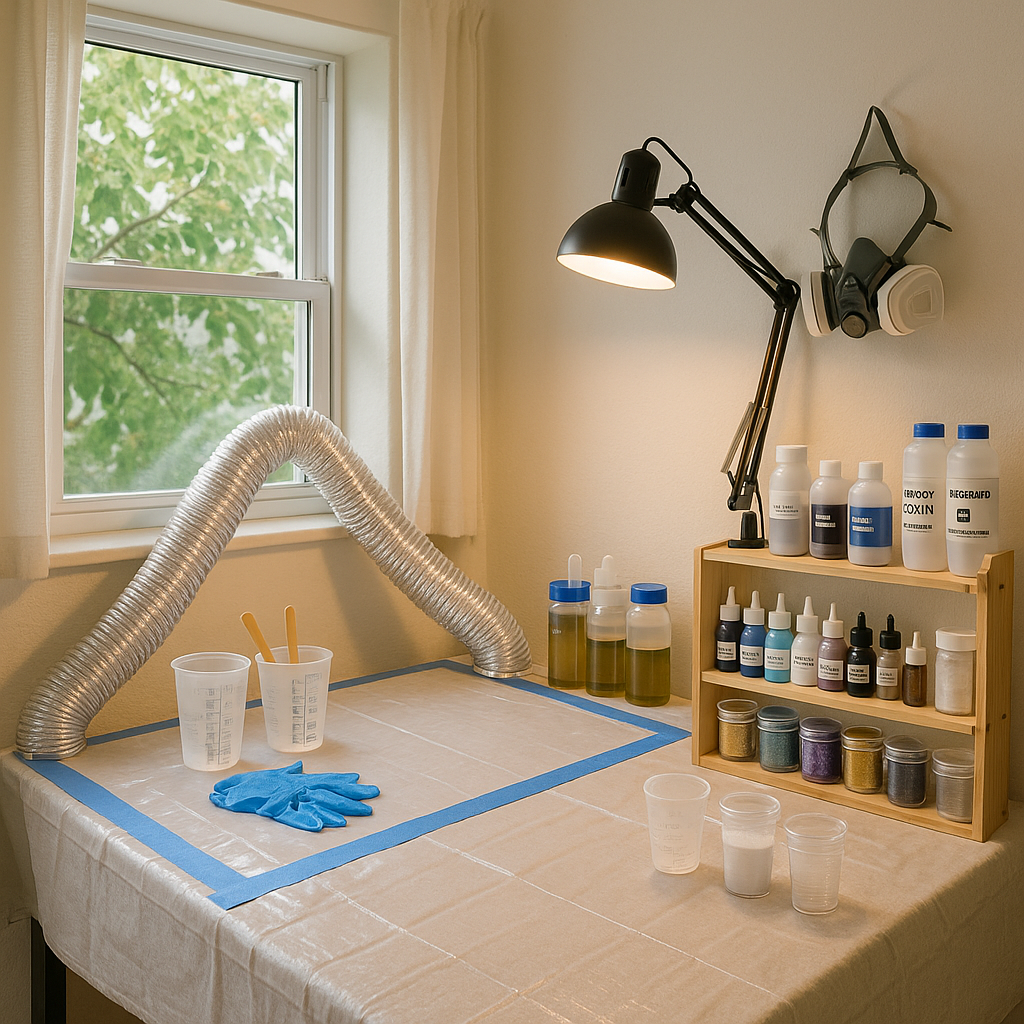
First, select a space that allows for good ventilation—ideally a room with windows you can open or a fan to help disperse fumes. Resin fumes can be irritating if inhaled excessively, so a well-ventilated area reduces risks considerably. Many artists find that a corner in a spare room, garage, or even an outdoor covered patio works well for their projects. Keep in mind that resin can be sticky and hard to clean once cured, so choose a surface that is easy to wipe down, such as a sealed work table or a plastic-covered desk.
Protecting Your Surfaces and Floors
Protect your work surface by covering it with a silicone mat, plastic sheeting, or disposable craft paper. Excess resin drips and spills are unavoidable in early projects, so safeguarding your floors and tables prevents long-term damage or staining. Having a designated tray to contain your materials can also make cleanup simpler and help maintain order in your workspace.
Gathering Essential Tools and Supplies
A good resin art workspace should have your materials organized and within arm’s reach. Basic essentials include resin and hardener bottles, measuring cups, stir sticks, silicone molds, gloves, respiratory masks, and safety goggles. Using labeled storage bins or drawers helps keep pigments, glitters, and resin additives neatly sorted. This saves time and reduces the risk of contaminating your resin with dust or dirt accidentally. If you’re following along with workshops on CreativiU, keeping tools handy while you follow tutorials boosts your learning efficiency.
Personal Safety and Comfort
Safety gear is non-negotiable when working with resin due to potential skin irritation and toxicity concerns. Always wear nitrile gloves to protect your hands, and don’t forget a high-quality mask designed for chemical fumes, especially if your workspace lacks ample airflow. Eye protection is equally important to prevent splashes during mixing and pouring. Setting up a small first aid kit nearby can be helpful in case of accidental skin contact or small injuries. Many resin artists recommend dressing in old clothes or wearing protective aprons to avoid residue stains.
Lighting and Ergonomics
Good lighting enhances precision, helping you see colors and details clearly while mixing or applying resin. Natural light is ideal, but a bright daylight-balanced lamp also works well. Consider the ergonomics of your workspace — arrange your seating and table height to prevent strain during long sessions. A comfortable chair and enough counter space will encourage relaxed, focused creativity rather than rushed, uncomfortable work. These considerations boost both your enjoyment and output quality.
Cleaning and Disposal Protocols
After each resin session, cleaning your tools and space promptly is crucial. Use isopropyl alcohol or a manufacturer-recommended cleaner to wipe off residual resin before it hardens. Avoid pouring leftover resin down the drain; instead, cure any unused resin in a disposable container before discarding it according to local hazardous waste guidelines. Learning proper resin disposal and cleanup techniques is a subject covered extensively in resin workshops—for example, you can refer to comprehensive guides like those from Pourfect outlining safety tips for beginners working with resin.
Setting up a dedicated workspace helps you focus, improve your technique, and enjoy your resin art journey fully. It’s not just about functionality but also about creating an inviting environment where inspiration flows freely. Need ideas on enhancing your overall creative learning process? Check out this guide to mastering arts and crafts problem solving for expert strategies that complement your resin journey.
With your workspace tailored for safety, organization, and comfort, you’re well-prepared to harness the full benefits of online resin art workshops for beginners with community feedback. Remember, your environment plays a fundamental role in your artistic growth and the quality of your resin masterpieces.
Top Tips for Getting the Most from Online Resin Art Workshops
Embarking on your resin art journey through online resin art workshops for beginners with community feedback can be thrilling yet overwhelming. How do you maximize your learning and craft exceptional pieces from the comfort of your own workspace? Here’s an expert guide with top tips to help you gain the most value and enjoyment from your online resin art classes.
1. Prepare Your Workspace for Success
Before you even log into your workshop, ensure you have a well-organized, dedicated space optimized for resin work. This means good ventilation, a level surface, and easy access to all your materials. A clutter-free area reduces mistakes and helps keep you focused. Many seasoned resin artists recommend creating a “resin station” with protective coverings and appropriate lighting, which supports learning new techniques effortlessly. It’s also smart to keep disposable mixing cups, measuring tools, and gloves handy to maintain safety and efficiency.
2. Engage Actively with Community Feedback
One of the greatest advantages of online resin art workshops is the community aspect. Actively participate in discussion forums, Q&A sessions, or social media groups offered by the platform. Asking questions and sharing your work encourages constructive critique, which accelerates your growth. For example, many beginners find that peer feedback helps identify common pitfalls like improper resin mixing or uneven pours, as detailed in this resin expert guide on typical beginner mistakes. Don’t shy away from sharing your failures alongside successes—every ‘happy accident’ is a learning opportunity!
3. Master the Fundamentals Before Experimenting
It’s tempting to dive into complex projects, but a solid grasp of basics is invaluable. Take the time to fully absorb lessons on measuring, mixing, curing times, and safety instructions. In many workshops, instructors emphasize the importance of following resin ratios precisely to avoid sticky or cloudy finishes, a common beginner frustration. Exercising patience and repeating simple projects allows you to develop muscle memory and confidence, setting a foundation to build upon.
4. Utilize Workshop Tools and Resources Fully
Online platforms like CreativiU often provide downloadable resources, quizzes to test your knowledge, or step-by-step tutorials. Use these actively to reinforce understanding. For instance, taking resin calculators or instructional quizzes offered during the course can prevent resin shortages or spoilage. Many artists find that following scientifically-designed courses with on-demand access helps them practice at their own pace while revisiting challenging techniques.
5. Create a Cure-Friendly Environment
Resin curing is a critical phase and deserves careful attention. After pouring, ensure your work is protected from dust and moved minimally until cured. Cover your pieces with an enclosure that allows airflow but keeps contaminants out. In some online communities, artists share tips on using old cardboard boxes or specially designed dust covers, highlighting simple solutions to common issues like dust specks ruining a finish. Remember, patience in this stage pays off with a flawless surface.
6. Document Your Progress and Mistakes
Consider maintaining a resin art journal or photo diary. Recording your techniques, resin brands used, room temperature, humidity, and results can be invaluable for troubleshooting and growth. Shared experience within communities confirms that tracking variables like mixing time and environmental conditions often explains inconsistencies. This practice not only enables better outcomes but also deepens your understanding of resin properties.
7. Respect Safety Protocols and Resin Handling
Working with resin involves chemicals that require responsible use. Follow safety instructions rigorously, including wearing gloves, masks, and ensuring ventilation. Many workshops integrate detailed safety modules emphasizing proper disposal and personal protective equipment. Awareness of these precautions supports both your health and sustainable resin artistry.
8. Plan for Incremental Yet Steady Skill Building
Set realistic goals and embrace the learning curve. The best artists develop skills over time through repeated practice paired with community insights. Don’t be discouraged if initial projects don’t meet your expectations—the key is consistent effort. Engaging with platforms like CreativiU that blend expert-led courses with community support provides a comprehensive approach to evolving your resin art skills systematically.
Dive into your online resin art workshops for beginners with community feedback equipped with these strategies to unlock your creative potential and avoid common roadblocks. The joy of crafting stunning resin pieces grows exponentially when learning is supported by preparation, interaction, and reflection.
Conclusion
Embarking on your journey with online resin art workshops for beginners with community feedback is more than just learning a craft—it’s about becoming part of a vibrant creative ecosystem. As we’ve explored, understanding variables like temperature and mixing, respecting safety protocols, and committing to steady skill-building are foundational pillars. But the magic truly happens when you engage actively with a community that shares insights, encouragement, and solutions tailored to resin artistry challenges.
Have you ever noticed how a simple tip from a fellow artist can suddenly unlock a breakthrough in your project? This interaction accelerates learning far beyond solo experimentation. Platforms like CreativiU are designed to foster this collaborative spirit, offering expertly crafted courses alongside spaces for peer feedback and mentor support. This model not only enhances your technical skills but also nurtures your confidence and creativity.
Remember, resin art is as much about the experience as the final piece. Embrace each lesson, celebrate small wins, and don’t shy away from sharing your journey with your community. By weaving preparation, safety, practice, and feedback into your routine, you set yourself up for sustainable growth and artistic fulfillment. Ready to transform your resin art ambitions into reality? Dive into interactive workshops and let the shared wisdom of the community propel your creative expression to new heights.
Frequently Asked Questions (FAQ)
What makes online resin art workshops for beginners with community feedback different from traditional classes?
Unlike traditional in-person classes, these workshops combine expert-led instruction with an interactive community designed to support creativity and growth. Instead of learning in isolation, you receive real-time feedback from both peers and mentors, allowing you to correct techniques, refine your style, and overcome common resin pitfalls more quickly. The collaborative environment turns challenges into shared learning experiences, significantly accelerating skill acquisition and confidence.
How does community feedback improve my resin art learning experience?
Community feedback acts as a dynamic resource that goes beyond standard tutorials. It offers personalized insights tailored to your specific projects, materials, and challenges. Fellow artists can suggest alternative approaches or materials you’ve never considered, while mentors provide expert advice on improving results and troubleshooting issues like curing or mixing. This ongoing exchange cultivates a growth mindset and encourages experimentation — essential for mastering resin art.
Are these workshops suitable for complete beginners with no prior art background?
Absolutely. Online resin art workshops for beginners with community feedback are designed with step-by-step guidance, starting from foundational concepts such as safety, resin types, and workspace setup. The supportive community ensures that when questions arise, you’re not left guessing. Many beginners find that the shared encouragement and real-time discussions make complex techniques accessible and enjoyable, transforming initial hesitation into creative empowerment.
Can I work at my own pace, or are there live sessions I must attend?
One of the advantages of these workshops is their flexibility. Courses are often structured as on-demand modules, enabling you to learn whenever it fits your schedule. Although live sessions might be available, interactive forums and peer feedback channels remain open round-the-clock, so you can share progress updates and receive responses asynchronously. This approach accommodates busy lifestyles without sacrificing the benefits of community engagement.
What types of resin art projects are covered in these workshops?
Workshops typically cover a broad range of resin art techniques ideal for beginners, including jewelry making, coasters, trays, and abstract art on canvas. Alongside hands-on projects, the curriculum includes lessons on mixing ratios, curing processes, color blending, and safety precautions. The community often shares project ideas and variation tips, inspiring endless possibilities to tailor your creative journey.
How do I handle common resin issues like bubbles or uneven curing?
These common challenges are usually addressed in both lessons and community discussions, where you’ll find tried-and-true solutions such as using heat guns, adjusting curing environments, and tweaking resin-to-hardener ratios. Learning from others’ experiences can save you time and materials by avoiding trial-and-error mistakes. Plus, mentors give expert guidance on maintaining consistent quality and safety standards.
Is investing in an online resin art workshop with community feedback worth it for long-term skill development?
Yes, because the combination of structured learning and an active community creates a sustainable growth environment. Instead of plateauing after initial lessons, you continuously receive motivation, new techniques, and problem-solving strategies. Engaging with other passionate resin artists keeps inspiration high and your skills evolving. For those serious about turning resin art into a hobby or even a source of income, this model supports both creative fulfillment and practical advancement.
Leave a Reply