TL;DR: Art collage ideas transform simple materials into stunning visual stories. Explore versatile techniques and creative prompts to make your next collage unique and vibrant.
Everyone knows art collages are a popular and versatile form of creative expression.
But what are they, exactly?
This article gives you a complete list of inspiring art collage ideas and practical techniques.
Some are bold and vibrant mixed media projects using fabric, paper, and acetate.
Some are perfect for kids, blending photos, buttons, paint, and found objects.
Some use unique adhesives like repositionable fabric tape to add texture.
Some focus on creating organic, torn paper edges with shimmering accents.
Some even include natural items like feathers and vintage filmstrip frames.
Let’s dive right in.
What Are Art Collage Ideas?
Art collage ideas refer to creative concepts for arranging various materials on a surface to form a unified artwork. Collages combine different textures, colors, and objects to tell a story or evoke emotion. Whether using paper, fabric, photographs, or even feathers, the possibilities are endless.
This form of artistic expression dates back to the early 20th century, with pioneers like Pablo Picasso popularizing collage as a fine art technique. Today, artists and hobbyists alike explore collage for its accessibility and rich expressive potential.
By mixing media—think watercolor powders, fabric tapes, acetate filmstrips—you add layers and depth that create visually stunning results.
How to Start a Mixed Media Collage Project
Starting a mixed media collage doesn’t have to be intimidating. The key is to focus on one or two focal elements and build around them. For example, you can begin with a unique printed paper that inspires you. As suggested by a mixed media expert, using a central paper helps select harmonious colors for a cohesive look [source].
Try starting with a soft, muted color palette using watercolor powders like Brusho Crystal Colours. These high-pigment powders let you create vibrant or gentle washes by simply spritzing water over the sprinkled crystals, adjusting intensity through water amount.
Experimenting with a balance between bold and light colors adds dimension to your art journal pages or collage bases.
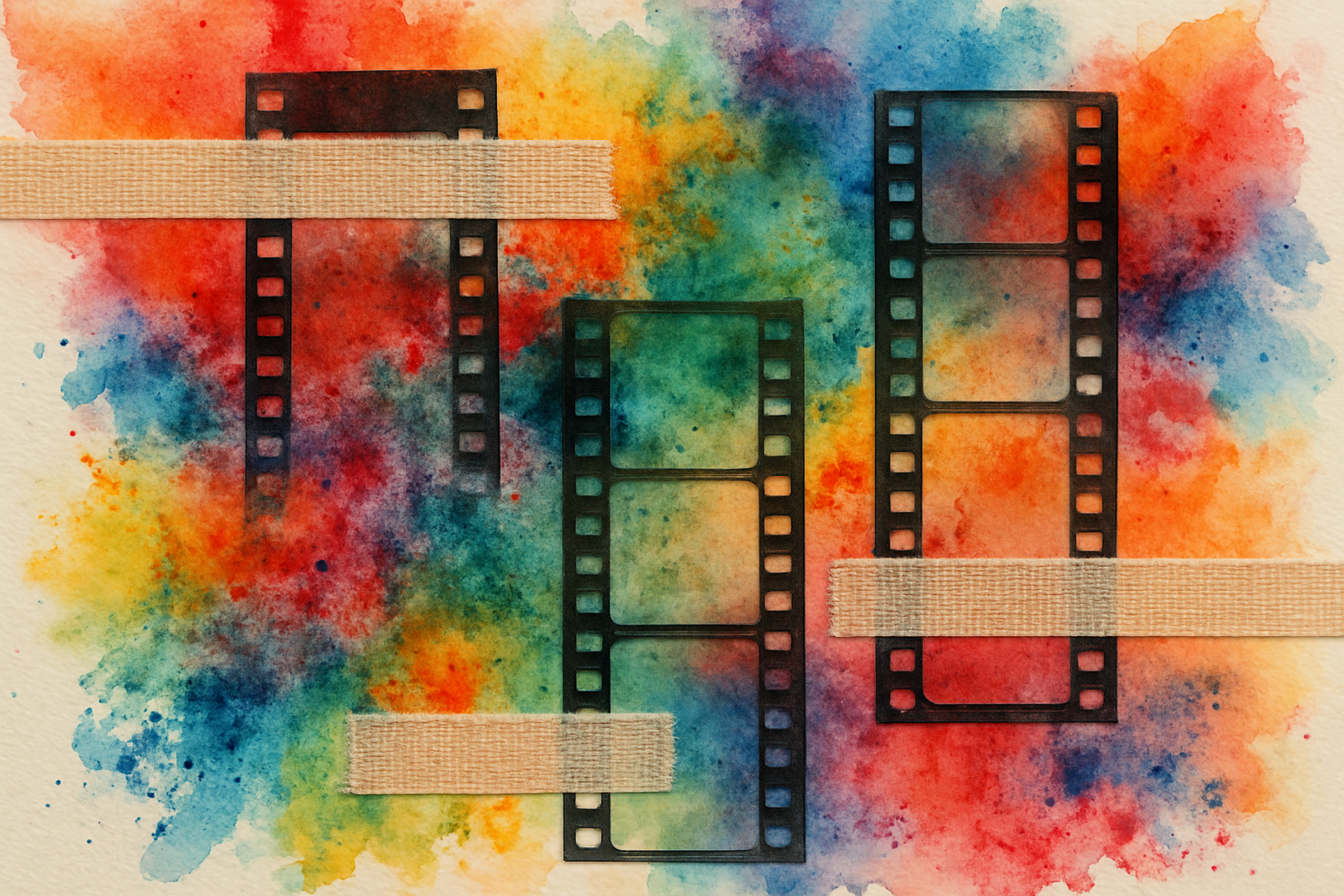
Fabric tapes bring a new texture and repositionability to your collage. Unlike paper washi tapes, fabric tapes from brands like 49 and Market offer subtle transparency and interesting visual contrasts, especially the popular black and white patterns [source].
You might also want to include acetate pieces or vintage-style negative filmstrips to introduce a graphical frame effect and highlight parts of your collage effectively.
Best Materials for Collage Art
The beauty of collage lies in its diversity of materials. Here are some top choices that artists recommend incorporating:
- Paper: High-quality cardstock or glossy printed papers scaled appropriately for your project size.
- Watercolor Powders: Like Brusho Crystal Colours, versatile for vibrant or subtle backgrounds.
- Fabric Tape: Adds texture and dimension, easy to place and reposition.
- Acetate Pieces: Transparent or filmstrip frames to layer over or highlight areas.
- Natural Elements: Feathers, dried leaves, or other found objects to personalize your artwork.
- Adhesives: Art Glitter Glue or Mod Podge, clear drying and strong enough for mixed media.
- Paints: Shimmering acrylics or mica paints to accentuate edges and details.
- Photographs or Printed Images: To include personal or thematic elements, perfect especially in kids’ collages.
Always consider the scale and weight of your materials so your base can support your arrangement securely.
Quick Tip: When tearing paper for your collage, experiment with tearing towards or away from yourself to create sharp white edges or soft organic borders.
Creative Techniques to Enhance Your Collage
To make your collage truly unique, layering and finishing techniques make a huge difference.
For instance, adding shimmer to torn paper edges using Stoneground Paints or mica paints can visually lift your composition. Sprinkling gold paint splatters adds elegance and catches light beautifully.
Using acetate film strips vertically can introduce strong graphic elements that naturally draw the viewer’s eye. Combine this with repositionable fabric tape and torn paper layers to build complexity while maintaining harmony.
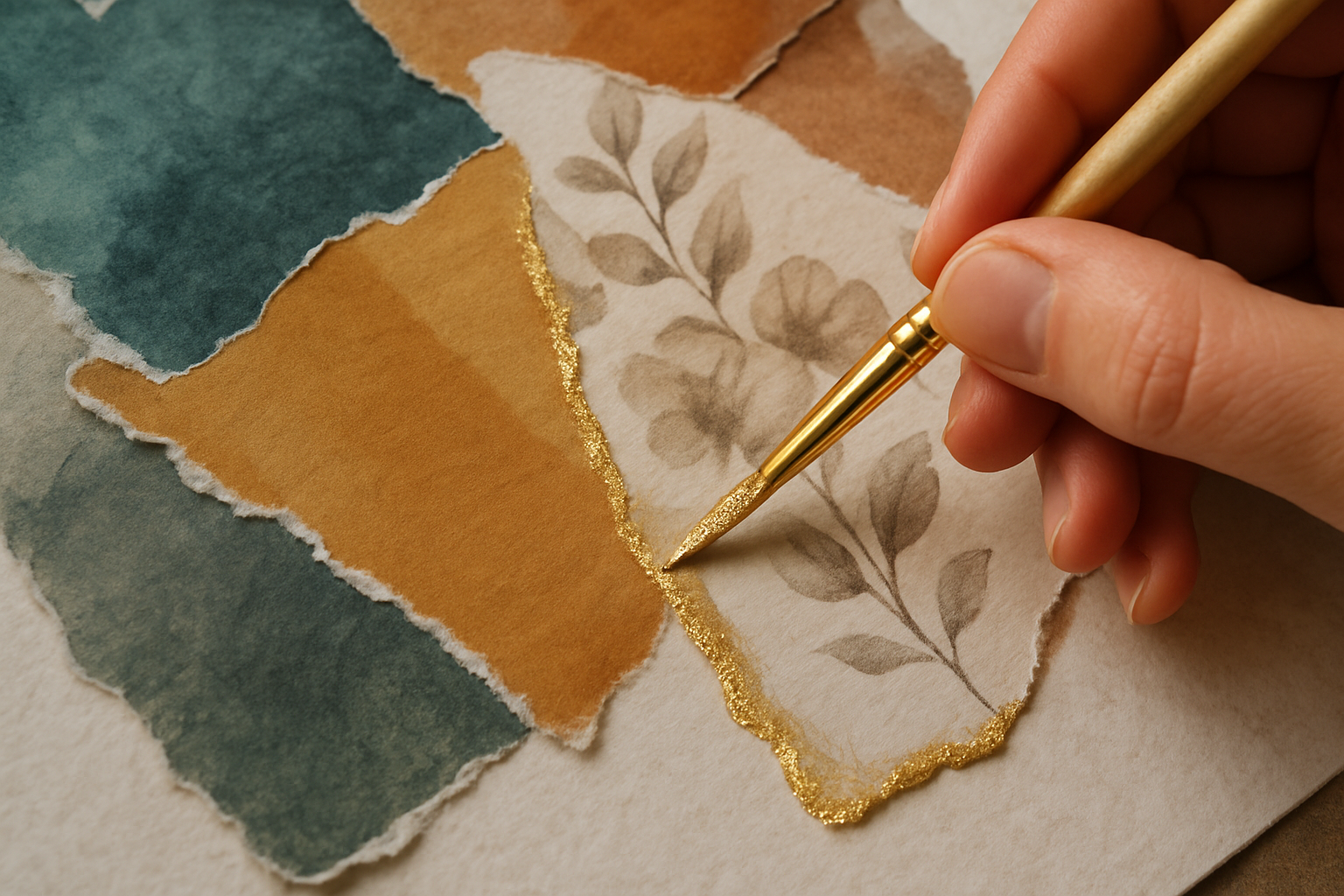
Don’t overlook adhesives. A glue like Art Glitter Glue dries clear and bonds various surfaces, making it perfect for attaching delicate acetate or natural items such as feathers.
Adding text elements enhances storytelling in your collage. Use washi tape with quotes, sticker phrases, or hand-cut words. As one artist recommends, these small touches give voice to your visual expression and tie themes together [source].
Easy Art Collage Ideas for Kids
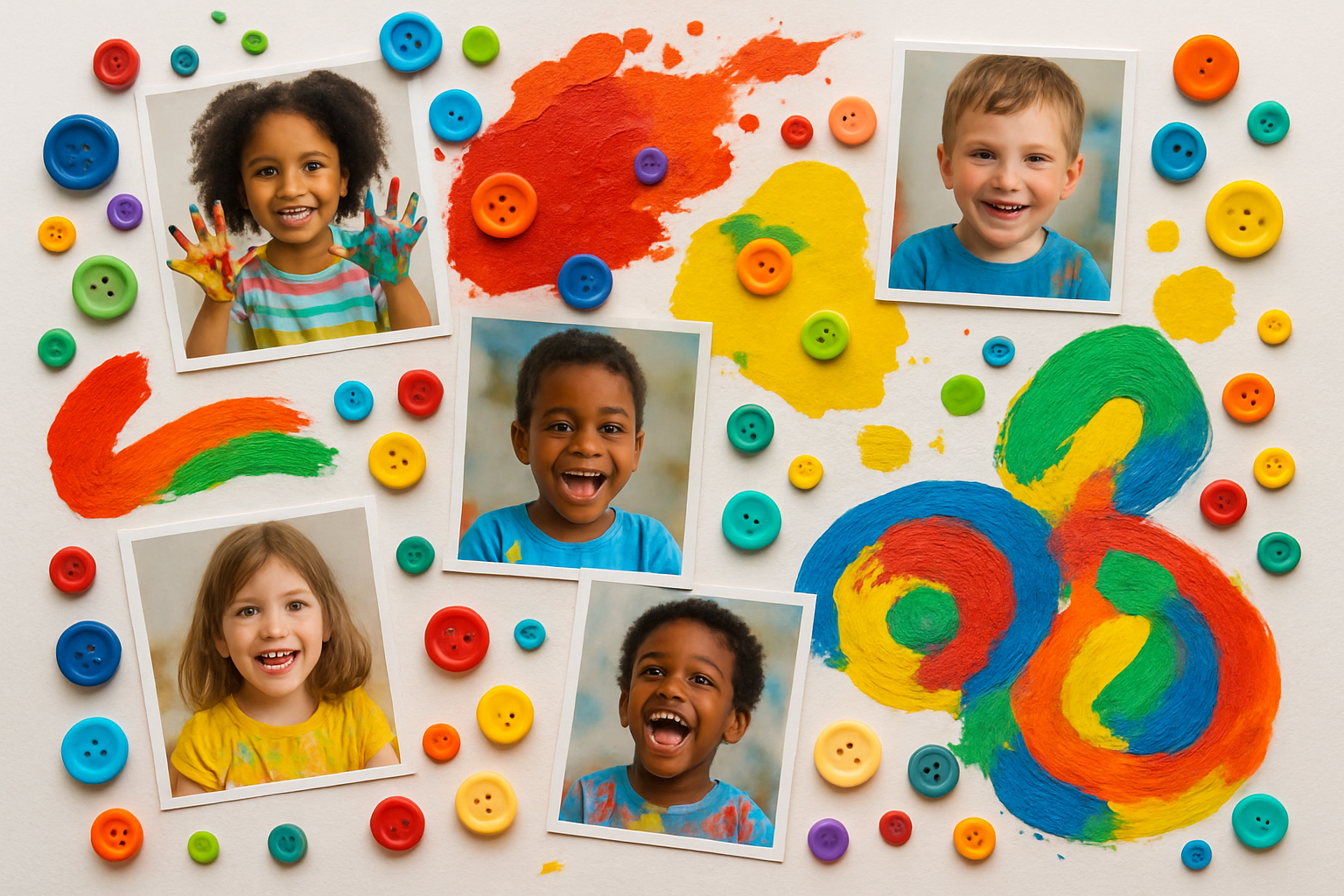
Collage is fantastic for all ages, especially kids. It encourages creativity without needing perfect skills. Start with simple materials like scrap paper, buttons, beads, photos, and tempera paints.
Use a cardboard base or recycled materials for durability and eco-friendliness. Encourage kids to paint backgrounds fully, then select materials to glue atop, creating patterns, borders, or imaginative scenes.
One success tip: talk about having a plan—ask children what colors or arrangements they like, which slows down the process and leads to thoughtful art, not just randomness [source].
Glue thick paint layers can act as an adhesive, but for thinner paint, use glue with a squeeze bottle or paintbrush for applying materials. Sealing the finished piece with Mod Podge or a glue-water mixture helps secure everything.
Fun fact: Picasso is credited with inventing collage. Using this historical tidbit can inspire kids by connecting their fun activity with art legacy.
Using Natural and Found Objects in Collage
Collage becomes deeply personal when you incorporate found or natural objects. Feathers, leaves, dried flowers, fabric scraps, or even small trinkets add texture, meaning, and originality.
For example, adding a feather collected during a summer walk creates a tangible memory embedded in your piece. Use a strong adhesive and attach it by the shaft to ensure it stays flat and secure.
Vintage objects like acetate filmstrips or retro buttons also add nostalgic charm and can contrast modern brightly colored elements beautifully.
Why Is Planning Important in Art Collage?
Though collage is often seen as spontaneous, planning helps avoid frustration and creates stunning outcomes.
Consider your background colors, focal points, and layering order. Preview where key pieces like acetate frames or fabric tapes will go before gluing permanently.
Taking time to arrange your elements increases composition harmony and flow, creating art that feels intentional and balanced.
Remember, planning does not mean rigidity. It’s more like a creative map guiding you toward your vision, allowing playful adjustments along the way.
How to Finish and Preserve Your Collage Art
After completing your collage, finishing techniques enhance durability and appearance.
Seal delicate papers and loose bits with a layer of Mod Podge, diluted glue, or a spray fixative. This prevents flaking or damage from handling and dust.
Frame your collage under glass or a clear acrylic cover for extra protection and display pride.
For collages intended in journals or albums, choose archival-quality adhesives and papers to prevent yellowing or degradation.
Storing collages flat in acid-free folders or portfolios extends their life and preserves color vibrancy.
FAQ About Art Collage Ideas
What supplies do I need for beginner collage projects?
Start with paper (scrap, cardstock), glue (like Art Glitter Glue), scissors, basic paints, and found objects. As you grow, add fabric tape, acetate, and watercolor powders for layers.
How can I make my collage unique?
Experiment with textures, colors, and unconventional materials. Add natural elements or personal items. Layer varying transparencies for depth and choose meaningful text or photos.
What surfaces can I use for collage?
Canvas, thick paper, recycled cardboard, wood panels, or even plexiglass work well. Choose a sturdy surface matching your materials’ weight [source].
How do I ensure my collage materials stick well?
Use appropriate adhesives for each material—strong glue for fabric and natural objects, Mod Podge for paper. Let layers dry between additions for best hold.
Can kids safely do collage art?
Absolutely! Collage encourages creativity and motor skills. Use child-safe materials and supervise adhesives or scissors. It’s a fun family activity proven to boost artistic confidence [source].
Feeling inspired yet? Here’s a bold thought: What if your next collage could transform everyday paper scraps into a captivating layered story? Ready to explore this creative power?
What’s Your Next Step?
Tell us in the comments: How will you apply these art collage ideas? For tailored creative guidance, explore unlocking your artistic potential to fuel your next project!
For even more inspiration beyond traditional materials, consider exploring rods from nature or vintage media elements. And if you want to see some inspiring examples of incorporating natural textures and shimmer, don’t miss tutorials like those on Hop Along Studio.
Fire up your creativity and experiment with these ideas today!
Leave a Reply