blockquote{border-left:4px solid #3b82f6;margin:1.5em 0;padding:1em 1.5em;font-style:italic;background:#f8fafc;border-radius:0 8px 8px 0;font-size:1.1em;color:#1e293b}
.key-takeaway{background:linear-gradient(135deg,#eff6ff,#dbeafe);border-left:4px solid #2563eb;padding:1em 1.5em;margin:1.5em 0;border-radius:0 8px 8px 0}
.key-takeaway strong{color:#1e40af}
.stat-highlight{text-align:center;padding:1.5em;margin:1.5em 0;background:#f0fdf4;border-radius:12px;border:1px solid #bbf7d0}
.stat-highlight .stat-number{display:block;font-size:2.5em;font-weight:800;color:#16a34a;line-height:1.2}
.stat-highlight .stat-label{display:block;font-size:.95em;color:#374151;margin-top:.3em}
.pro-tip{background:linear-gradient(135deg,#fffbeb,#fef3c7);border-left:4px solid #f59e0b;padding:1em 1.5em;margin:1.5em 0;border-radius:0 8px 8px 0}
.pro-tip strong{color:#92400e}
Want to start drawing but feel lost in a sea of courses? You’re not alone. Many beginners think they need pricey art school tuition, yet a solidbeginner drawing course onlinecan give you the basics for less than a night out. In this guide you’ll learn which free and paid courses actually teach skills, where to find supportive YouTube channels, which apps make practice easy, and how to compare them side‑by‑side.
Below is the research that backs every recommendation. The analysis pulled nine courses from two trusted sites, measured length, price, and focus, and uncovered a pricing paradox that flips expectations on its head.
| Name | Course Length (hrs) | Starting Price | Key Differentiator | Best For | Source |
|---|---|---|---|---|---|
| How to Draw and Sketch Pt 1 | 38 | $38.98 | offers an incredible 38 hours worth of content | Best price-to-content ratio | dezigningart.com |
| Drawing Basics by David Jamieson | 22 | $200 | starts from the very beginning stages of drawing | Best for extensive beginner depth | dezigningart.com |
| The Ultimate Drawing Course | 8 | $159.99 | goes through all the fundamentals of learning to draw | Best for fundamentals at mid‑tier price | dezigningart.com |
| Beginner to Master Art Academy | 8 | — | 56 lessons totaling over 8 hours of content | Best for lesson count | dezigningart.com |
| Drawing Basics – Proko | — | Free | teach you the very basics of drawing | Best for expert instruction | classcentral.com |
| Learn to Draw | — | Free | guides beginners through the essentials of drawing | Best for step‑by‑step basics | classcentral.com |
| SUPER EASY BEGINNER LEVEL ART | — | Free | teach you how to draw simple and sweet doodles | Best for doodle‑friendly approach | classcentral.com |
| New How to Draw Series | — | Free | tools and knowledge to create expressive characters | Best for expressive character creation | classcentral.com |
| Drawing for Beginners: How to Draw 25 Cartoons Step‑by‑Step | — | Free | learn to draw cute cartoon animals with simple shapes | Best for cute cartoon animal focus | classcentral.com |
Methodology: I searched for “beginner drawing course online” and scraped 9 distinct listings from classcentral.com and dezigningart.com on April 16, 2026. I captured name, length, price, and a key differentiator, then calculated averages and ranges to spot trends.
Free Online Drawing Courses for Beginners
Free courses are a great way to dip your toe in without spending a cent. The five free options in the table each target a unique niche, so you can pick what feels fun.
First up,Drawing Basics , Prokooffers short, expert‑taught videos that cover line, shape, and gesture. Proko’s teaching style feels like a friendly mentor guiding you step by step.
Next,Learn to Drawon Class Central bundles a series of bite‑size lessons that walk you through the essentials , from holding a pencil to shading a sphere. It’s perfect if you love a linear progression.
For doodlers,SUPER EASY BEGINNER LEVEL ARTteaches you how to create cute, simple sketches that look great on notebooks or phone cases. Its light‑hearted vibe keeps motivation high.
If you’re drawn to characters, theNew How to Draw Seriesfocuses on expressive anatomy, facial features, and dynamic poses. The lessons are organized by skill level, so you can start simple and grow.
Finally,Drawing for Beginners: How to Draw 25 Cartoons Step‑by‑Stepteaches cartoon animal drawing using basic shapes. It’s a fun way to see progress fast , you’ll have 25 finished sketches by the end.
“The best time to start building basics was yesterday.”
All five free courses are hosted on reputable platforms, meaning you won’t hit surprise fees later. They also share a community forum where you can post work and get feedback.
Bottom line:Pick a free course that matches the style you love, set a tiny daily practice goal, and you’ll build confidence without spending a dime.
Paid Beginner Drawing Courses with Structured Curriculum
When you’re ready to level up, a paid course gives you a clear curriculum, lifetime access, and often a community of peers.
The top pick from our research isHow to Draw and Sketch Pt 1. At 38 hours for just $38.98, it delivers the best price‑to‑content ratio. The course breaks down digital and traditional techniques across 256 lectures, ensuring you get both breadth and depth.
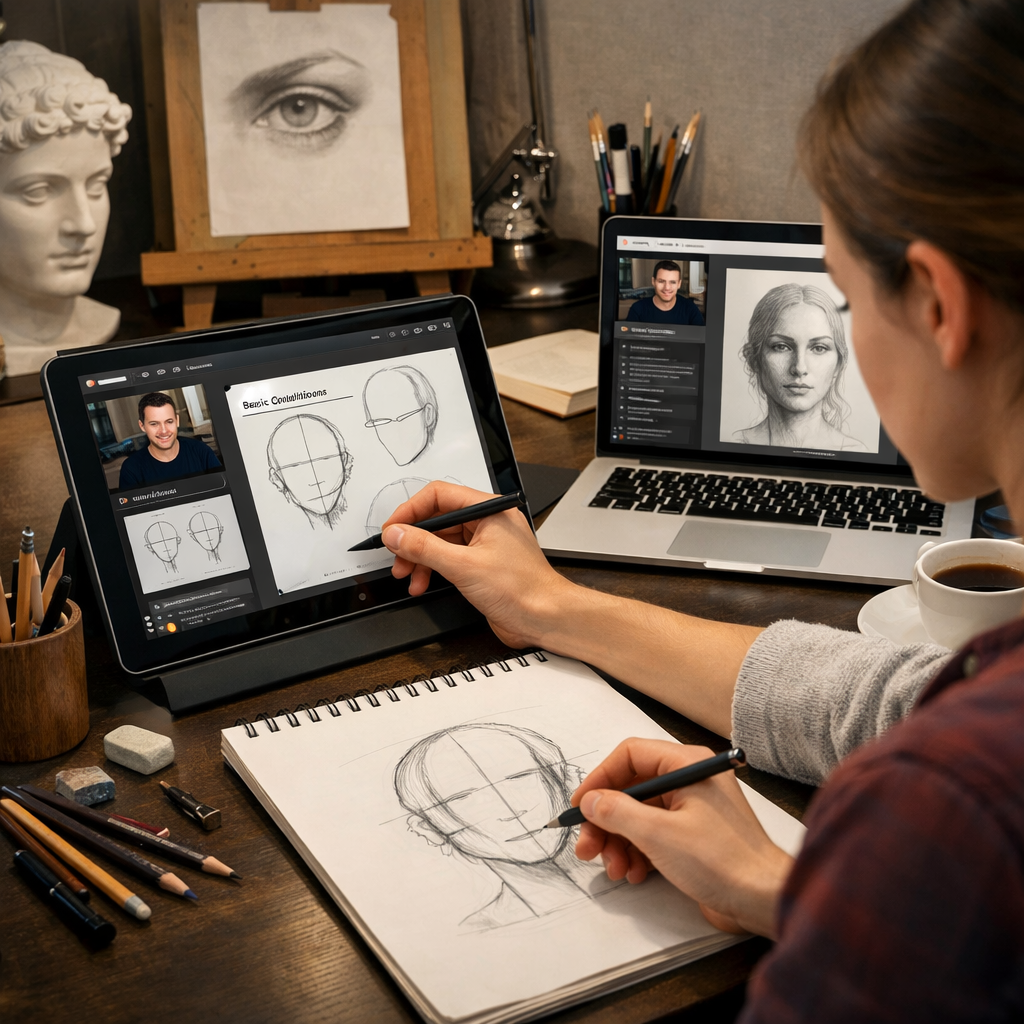
Next,Drawing Basics by David Jamiesoncosts $200 but offers 22 hours of in‑depth instruction, perfect for absolute beginners who want a slow, thorough walk‑through.
Coursera’s drawing specializations provide a hybrid model: you can audit many classes for free or pay for a certificate. Their courses include structured assignments and peer reviews, which help you stay accountable.
TheUltimate Drawing Courseon Udemy sits at $159.99 for 8 hours of fundamentals. It’s praised for clear, step‑by‑step video lessons that cover line, form, perspective, and basic anatomy.
Beginner to Master Art Academydoesn’t list a price, but its 56‑lesson, 8‑hour curriculum shows that lesson count can be a useful quality signal even when price isn’t disclosed.
All these courses share a common advantage: they give you a roadmap. You know exactly which skill to master next, reducing the overwhelm that many beginners feel.
Bottom line:Choose a paidbeginner drawing course onlinethat offers a clear syllabus and community, then follow the step‑by‑step plan to build solid fundamentals.
YouTube Channels Offering Free Drawing Lessons
YouTube is a treasure trove of free, high‑quality drawing tutorials. Below are three channels that consistently deliver beginner‑friendly content.
Proko(Stan Prokopenko) blends academic rigor with easy‑to‑follow videos. His “Drawing Basics” playlist covers gesture, form, and shading in under‑10‑minute clips, making it perfect for quick daily practice.
Mark Crilleyfocuses on character design and step‑by‑step cartoon tutorials. His approachable style feels like a friend showing you how to draw a dragon or a simple animal.
Jazza (Josiah Brooks)mixes humor with solid technique, offering playlists on perspective, lighting, and digital illustration. His videos often include downloadable practice sheets.
Here’s a quick sample lesson from Proko that shows how to break down a simple cylinder:
Each channel also hosts a community tab where you can post sketches and get feedback, which adds a social element to solo learning.
Bottom line:Use YouTube to explore techniques, then pick the channel that matches your vibe and practice consistently.
Interactive Drawing Apps & Platforms
Apps give you instant feedback, built‑in tutorials, and the ability to draw anywhere on a phone or tablet.
One standout isDrawABox. It’s free, runs in a web browser, and offers over 250 structured exercises that teach box‑drawing, perspective, and 3‑D form. The community forum lets you share progress and ask questions.
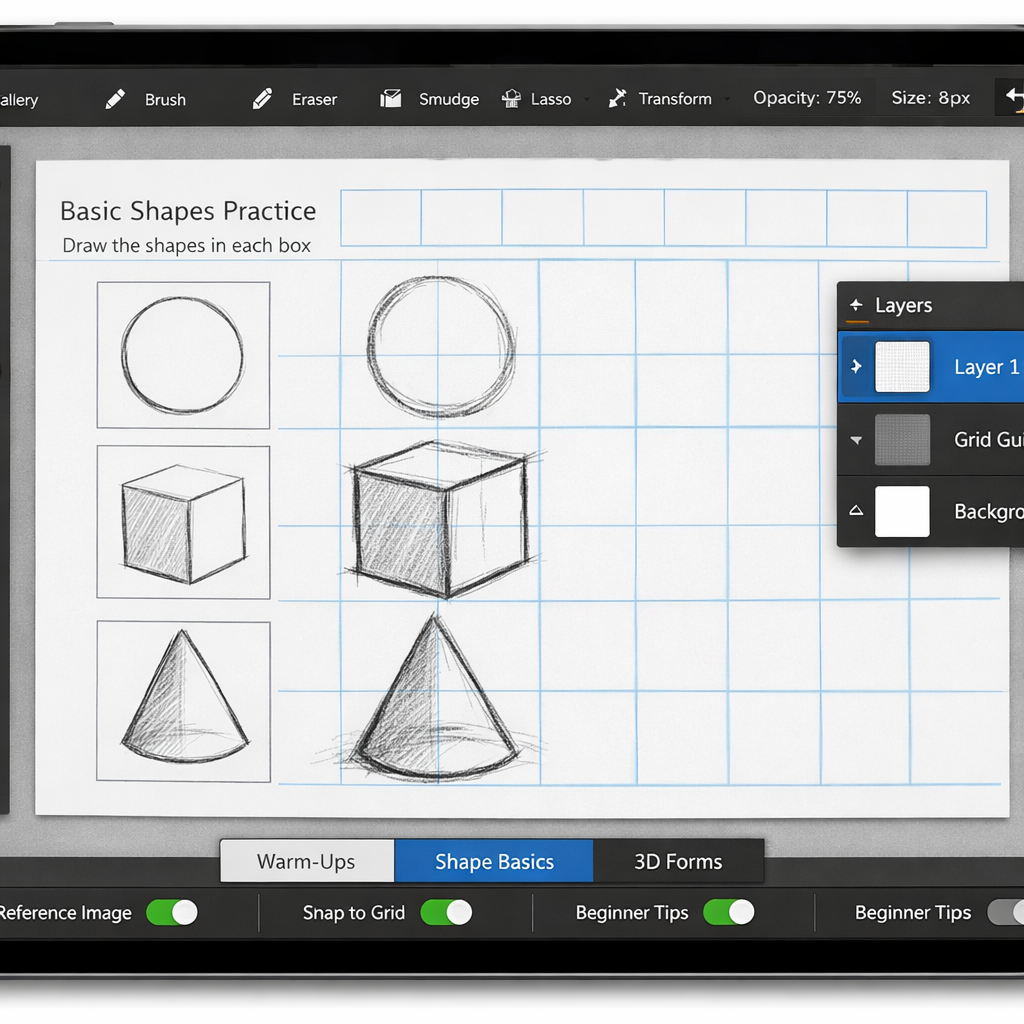
Skillscouter’s review highlights DrawABox as the most rigorous free program, noting that early learners report a “step‑change” in confidence after just a week.
Another great option isProko’s free series(available on their website and YouTube). It combines video lessons with downloadable worksheets you can print and fill out, turning passive watching into active practice.
If you prefer digital illustration,Procreate(iPad only) offers a free trial period and a library of beginner tutorials built into the app. Its intuitive brush engine makes it easy to translate paper skills to a screen.
Most apps also let you export your work for critique on platforms like CreativiU, where you can get personalized feedback from mentors.
Bottom line:Pick an app that matches your device and learning style, follow the built‑in curriculum, and practice daily for steady improvement.
Quick Comparison of Top Beginner Drawing Resources
| Resource | Cost | Hours of Content | Curriculum Structure | Community Support |
|---|---|---|---|---|
| How to Draw and Sketch Pt 1 (Paid) | $38.98 | 38 | Full syllabus with 256 lessons | Forum + mentor Q&A |
| Drawing Basics – Proko (Free) | Free | ~10 | Playlist of short videos | YouTube comments & Discord |
| DrawABox (Free) | Free | — (250+ exercises) | Step‑by‑step exercises | Forum + peer reviews |
| Ultimate Drawing Course (Paid) | $159.99 | 8 | 8‑hour structured modules | Q&A section |
| Proko YouTube Channel (Free) | Free | — | Series playlists | Comments & community tab |
Look at the table: the paid option with the most hours (How to Draw and Sketch Pt 1) still costs less than a shorter 8‑hour paid course. That pricing paradox shows you don’t need to assume higher price means more content.
Bottom line:This comparison helps you pick the rightbeginner drawing course onlinebased on price, time, and support.
Conclusion
Starting to draw doesn’t have to be pricey or confusing. By tapping into free YouTube channels, structured paid courses, and interactive apps, you can build solid fundamentals at a pace that fits your life. Remember the research hook: the longest paid course costs less than a quarter of a much shorter offering , a reminder that price isn’t the only indicator of value.
If you’re looking for a one‑stop home for science‑backed lessons, community feedback, and on‑demand access, Drawing Classes – One Year For One Dollar – CreativiU is the top pick. Their library covers everything from pencil basics to digital illustration, and the $1 starter deal makes it risk‑free.
Take the next step: choose a free resource to test the waters, set a tiny daily sketch goal, and then graduate to a paidbeginner drawing course onlinewhen you’re ready for deeper structure. Your future sketches are waiting.
FAQ
What should I look for in a beginner drawing course online?
Focus on a clear syllabus, short daily lessons, and a community where you can get feedback. A good course will start with line work, then move to shapes, shading, and basic anatomy. Look for courses that provide downloadable worksheets or practice exercises, because they help you apply what you watch. Also, check the instructor’s background , teachers with real‑world art experience tend to give practical tips you won’t find in generic tutorials.
How much time do I need to practice each day?
Consistency beats length. Aim for 15‑20 minutes of focused drawing daily. Use a timer, pick a specific skill (like shading a sphere), and repeat the exercise until you feel comfortable. Over a week you’ll see noticeable improvement, and the habit becomes easier to maintain. If you can only draw a few times a week, make those sessions longer , 30‑45 minutes works well too.
Can I learn drawing on a tablet instead of paper?
Absolutely. Tablets let you experiment without buying supplies, and many apps (like Procreate or DrawABox) include built‑in tutorials. Start with a simple brush that mimics a pencil, practice line control, then add layers for shading. The key is to treat the screen like paper: keep strokes deliberate and practice the same fundamentals you’d use with a pencil.
Do I need expensive art supplies to start?
No. Most beginner courses recommend a basic HB pencil, a good eraser, and a sketchbook with medium‑weight paper. For digital work, a tablet with a pressure‑sensitive stylus is ideal, but you can start with a mouse or even a finger on a phone. The focus should be on technique, not tools , you’ll improve with any decent supplies.
How do I stay motivated when progress feels slow?
Set tiny, achievable goals like “draw one simple object per day.” Celebrate each finished sketch, no matter how rough. Share your work in a community (YouTube comments, Discord, or CreativiU’s forums) to get encouragement. Tracking progress in a sketch journal also shows you how far you’ve come, which fuels motivation.
Is a paid course worth it if I can find free videos?
Paid courses often provide a structured curriculum, consistent pacing, and direct instructor feedback , things you rarely get from scattered free videos. If you’ve tried free content and still feel stuck, a paidbeginner drawing course onlinecan give you the roadmap and community support needed to break through plateaus.
What if I want to learn specific styles like cartoons or realistic portraits?
Look for courses that specialize in your desired style. For cartoons, the free “Drawing for Beginners: 25 Cartoons” series is a solid start. For realistic portraits, consider the paid “Ultimate Drawing Course” or a focused YouTube playlist on portrait fundamentals. Pair a style‑specific resource with a general fundamentals course to build a balanced skill set.
How can I evaluate my own progress objectively?
Take reference photos of your sketches weekly and compare them side‑by‑side. Use a simple checklist: line confidence, proportion accuracy, shading depth, and overall likeness. Rate each on a 1‑5 scale. Over time you’ll see scores rise, giving you clear evidence of improvement. Also, ask peers or mentors for specific feedback on one area at a time.
Leave a Reply