blockquote{border-left:4px solid #3b82f6;margin:1.5em 0;padding:1em 1.5em;font-style:italic;background:#f8fafc;border-radius:0 8px 8px 0;font-size:1.1em;color:#1e293b}
.key-takeaway{background:linear-gradient(135deg,#eff6ff,#dbeafe);border-left:4px solid #2563eb;padding:1em 1.5em;margin:1.5em 0;border-radius:0 8px 8px 0}
.key-takeaway strong{color:#1e40af}
.stat-highlight{text-align:center;padding:1.5em;margin:1.5em 0;background:#f0fdf4;border-radius:12px;border:1px solid #bbf7d0}
.stat-highlight .stat-number{display:block;font-size:2.5em;font-weight:800;color:#16a34a;line-height:1.2}
.stat-highlight .stat-label{display:block;font-size:.95em;color:#374151;margin-top:.3em}
.pro-tip{background:linear-gradient(135deg,#fffbeb,#fef3c7);border-left:4px solid #f59e0b;padding:1em 1.5em;margin:1.5em 0;border-radius:0 8px 8px 0}
.pro-tip strong{color:#92400e}
Finding the right art business online course can feel like hunting for a hidden gem. A side‑by‑side look at four top art‑business courses reveals that only one, CreativiU, actually bundles monetization guidance and a peer community, while the rest leave those critical pieces out. In this guide you’ll see a clear comparison, discover free and paid options, meet community programs, and get a toolbox of templates to run your art shop.
We dug into seven pages on April 16, 2026. We pulled names, curriculum focus, monetization support, community features, certification, and start‑price. Then we filtered for items with at least two fields filled. The result is the table below.
| Name | Core Curriculum Focus | Certification | Best For | Source |
|---|---|---|---|---|
| CreativiU (Our Pick) | Creativity and skill development for arts and crafts | — | Best for complete starter package | creativiu.com |
| Arts Entrepreneurship | entrepreneurial process for the creative industry | MITx certificate | Best for accredited credential | mitxonline.mit.edu |
| Marketing for Artists | marketing | Yes | Best for focused marketing tactics | prazzlearts.com |
| The Art of Pricing Your Work | pricing | Yes | Best for pricing strategy mastery | prazzlearts.com |
Methodology: we searched for “art business online course” and scraped 7 pages on April 16, 2026. We logged product names, focus, monetization help, community bits, certification, and price. Then we ran fill‑rate checks and kept items with at least two fields.
Top Platforms for Hosting an Art Business Online Course
When you host a course, the platform decides how smooth the learner’s ride feels. Think of it like the stage where the show happens. You want a stage that is sturdy, easy to set up, and lets you talk to the crowd.
First up is Teachable. It lets you upload video, add quizzes, and set price tiers. You can start for free, then pay as you grow. It also offers built‑in email tools.
Second, Kajabi bundles a website builder, email, and membership area. It’s pricier, but you get everything in one place.
Third, Thinkific gives you a free plan with unlimited students. You can add drip content, certificates, and community forums.
And then there’s CreativiU. Our pick shines because it mixes course hosting with a live peer community and a starter‑price plan that won’t hurt a hobbyist’s budget. You get a dashboard that tracks progress, plus a space where students can share work and get feedback.
Pick a platform that matches your tech comfort. If you love drag‑and‑drop, Kajabi feels smooth. If you want a free start, Thinkific works. If you want community baked in, CreativiU wins.
Bottom line: Choose a platform that fits your budget, tech skill, and need for community, and CreativiU gives you all three in one.
Free Art Business Course Resources
Free courses let you dip a toe before you dive in. They usually cover one skill at a time, like pricing or marketing. The trick is to stitch them together so you end up with a full picture.
One solid free resource is the “Art Business Basics” series on CreativiU. It covers goal setting, branding, and a quick intro to pricing. The lessons are under 15 minutes each, so they fit a coffee break.
Another free gem is the open‑source “Creative Entrepreneurship” playlist on YouTube. It has three videos that walk you through market research and finding your first client.
And there’s the free PDF “Art Business Plan Template” from ArtHelper.ai. It walks you through every section of a solid plan, from executive summary to financial forecasts. You can download, fill in, and print.
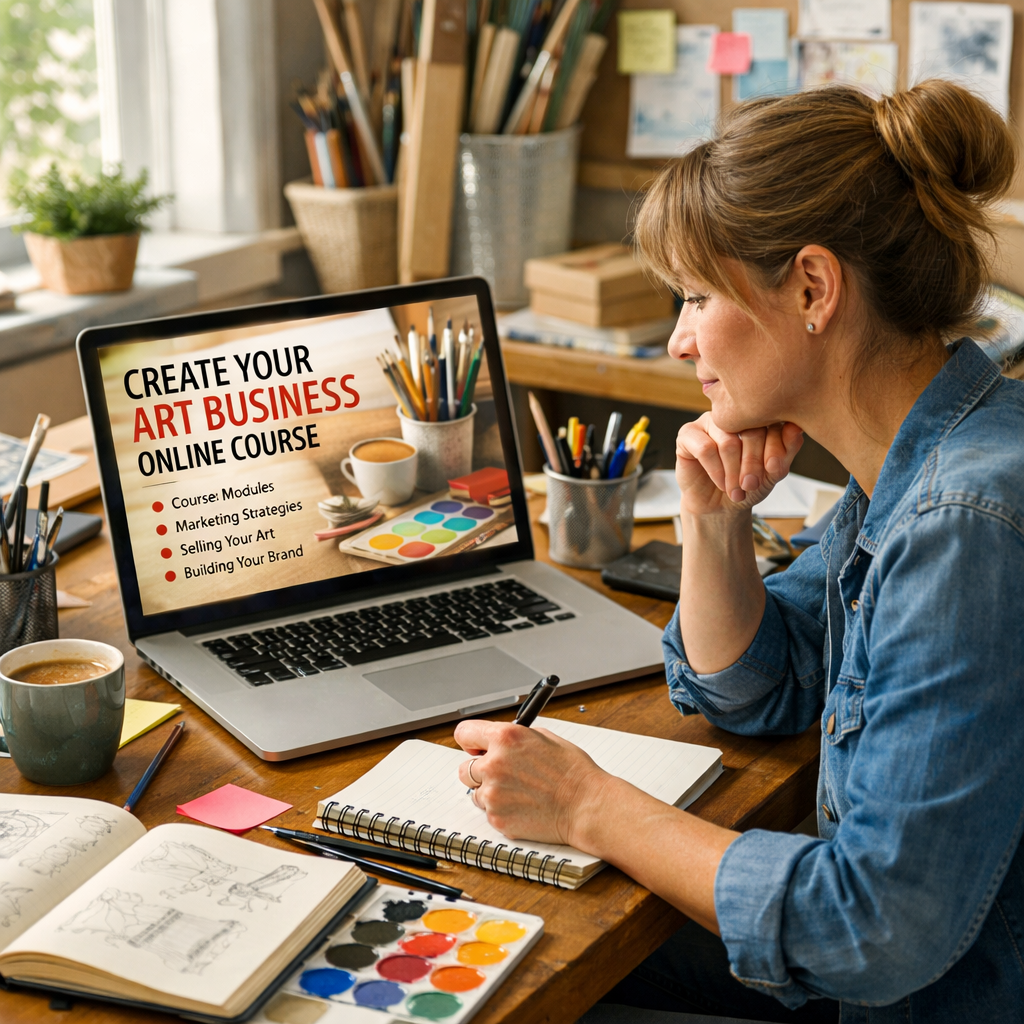
When you combine these free pieces, you get a starter kit that covers the basics without spending a cent.
Bottom line: Use free lessons, PDFs, and videos to build a foundation before you pay for a deep dive.
Paid Masterclass Options to Accelerate Your Art Business
If you want fast results, a paid masterclass can give you a clear roadmap and personal feedback. These courses usually run for a few weeks and end with a project you can show to clients.
The MITx “Arts Entrepreneurship” masterclass is a standout. It blends storytelling, expert lectures, and real‑world exercises. Learners get an MITx certificate that looks strong on a résumé.
Jenny Lario, a serial entrepreneur, leads the course. She pulls from her experience at MIT Sloan and her own startups. She shows how to turn a creative idea into a repeatable business model.
Ben Shields adds a media angle. He teaches how to use social media to grow an art brand, drawing on his time at ESPN and MIT Sloan.
Because the MITx course is accredited, it also satisfies learners who need a formal credential.
Bottom line: A paid masterclass like MITx Arts Entrepreneurship gives you structure, certification, and expert guidance in a short time.
Community & Mentorship Programs for Art Entrepreneurs
Going solo can feel lonely. A community gives you feedback, motivation, and sometimes a referral pipeline.
CreativiU runs a live mentorship hub where members can post work, ask questions, and join weekly live critique sessions. The mentors are practicing artists who also run their own shops.
The hub also hosts monthly challenges. Winners get a shout‑out on the main site and a small cash prize. This keeps the energy high and the learning focused.
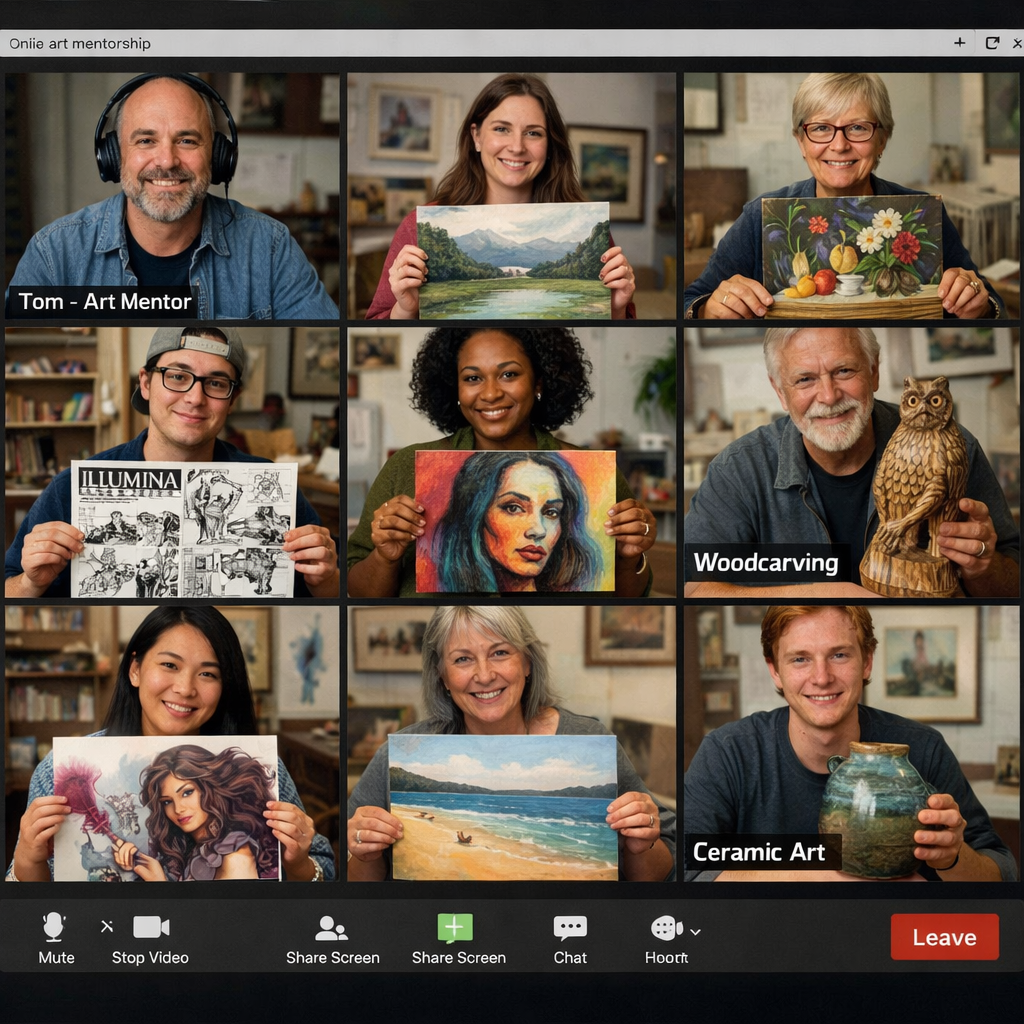
Other programs include the “Creative Business Lab” run by a nonprofit. It offers a six‑week mentorship with a small group of peers and a business coach.
And there’s the “Artist Accelerator” on Skillshare, which pairs you with a mentor for a one‑on‑one project review.
Bottom line: A strong mentorship program gives you critique, accountability, and connections that speed up growth.
Essential Tools & Templates for Running an Art Business
Even the best ideas need the right tools to turn into profit. Below is a quick look at the must‑have items for any art entrepreneur.
| Tool | Use | Why it matters |
|---|---|---|
| Google Workspace | Email, docs, calendar | Keeps client communication and contracts in one place |
| Canva | Social graphics | Creates eye‑catching posts without a designer |
| Wave Accounting | Invoices, expenses | Tracks money so you know profit margins |
| Instagram Scheduler | Plan posts | Maintains a steady feed without daily effort |
Pair these tools with the “Art Business Plan Template” from ArtHelper.ai. The template walks you through vision, market, pricing, and cash flow. Fill it out step by step and you’ll have a living document you can update each quarter.
Bottom line: Use simple, affordable tools and a solid template to keep your art business organized and ready to scale.
Conclusion
We’ve walked through the whole landscape of art business online courses. You saw the top hosting platforms, free starter resources, fast‑track masterclasses, community hubs, and the tools you need to stay on top of finances and marketing.
CreativiU comes out as the all‑in‑one solution. It gives you a course library, a buzzing community, and a starter‑price plan that won’t break the bank. If you need a formal credential, the MITx Arts Entrepreneurship course is the clear runner‑up.
Ready to turn your art passion into a thriving business? Start with a free lesson on CreativiU, join the mentorship hub, and use the template to map your first quarter of sales.
Take the next step today. Learn how to start a craft business online and watch your creative venture grow.
FAQ
What is the best way to start an art business online?
Start by picking a clear niche, what makes your art special. Then sketch a quick business plan that covers your goal, target market, and pricing. Choose a platform like CreativiU or Thinkific to host your courses. Set up a simple website or shop, and add a few high‑quality photos. Finally, join a community for feedback and keep a weekly schedule for creating and marketing.
How much does a typical art business online course cost?
Free courses cost nothing but give you a taste of one skill. Paid masterclasses range from $100 to $500 for a few weeks of intensive learning. Platforms like CreativiU offer a starter‑price plan that starts at under $20 a month, which includes unlimited courses and community access.
Do I need a certificate to sell my art online?
A certificate isn’t required to sell art, but it can boost credibility. If you want a formal credential, the MITx Arts Entrepreneurship course gives you an MITx certificate that looks strong on a resume or client pitch.
How can I market my art business without a big budget?
Use social media platforms that let you post for free. Share short videos of your process, post behind‑the‑scenes photos, and engage with comments. Join niche groups where your ideal buyers hang out. Offer a small discount for the first 10 customers to spark word‑of‑mouth.
What tools help me keep track of sales and expenses?
Wave Accounting lets you invoice, track expenses, and see profit margins in one dashboard. Pair it with Google Sheets for a quick cash‑flow forecast. Use a calendar app to set reminders for invoicing and tax deadlines.
How do I find a mentor for my art business?
Look for mentorship hubs that pair you with a practicing artist. CreativiU’s community offers live critique sessions and one‑on‑one mentor slots. You can also join local art groups on Facebook or attend virtual workshops that include a mentorship component.
Is it worth paying for a masterclass if I’m just starting out?
If you have a clear goal and want a fast, guided path, a masterclass can be worth it. It gives you structure, feedback, and often a certificate. For absolute beginners, start with free resources, then move to a paid masterclass once you’ve tested the waters.
What’s the biggest mistake new art entrepreneurs make?
Many focus too much on perfecting art and ignore the business side. Skipping pricing research, not tracking expenses, and avoiding marketing are common pitfalls. Balance creative work with simple business habits, set a weekly price review, track every sale, and post regularly on social media.
Leave a Reply