Ever found yourself staring at a blank screen, scrolling through endless videos, and thinking, “I’d love to throw a bowl, but where do I even start?”
That feeling of excitement mixed with a pinch of overwhelm is exactly why we love online pottery wheel classes – they let you dip your hands into clay without leaving your living room.
Imagine the smell of wet earth, the satisfying spin of the wheel, and the quiet confidence of a teacher guiding you step‑by‑step, all from your laptop. You’re not just watching a demo; you’re actually shaping a piece, hearing the instructor’s voice in real time, and getting instant feedback.
But here’s the kicker: you don’t need a fancy studio or a mountain of tools. A modest wheel, a few basic hand tools, and a pinch of curiosity are enough to get rolling. And if you’re worried about “learning curves,” think about the first time you learned to ride a bike – you fell a few times, got back up, and soon it felt natural. Online pottery wheel classes work the same way, offering bite‑sized lessons that build on each other.
So, what’s the real promise? By the end of your first week, you could have a small, imperfect mug in your hands, proud of the fact that you made it yourself. No need to wait for a weekend workshop or travel to a brick‑and‑mortar studio.
And if you’re a parent looking for a creative outlet for your kids, these classes double as a family bonding experience. Kids love the tactile feel of clay, and you get to model a growth mindset right alongside them.
Ready to turn that curiosity into a hands‑on habit? Let’s dive into how you can choose the right platform, set up a cozy workspace, and start shaping your first piece today.
TL;DR
Online pottery wheel classes let you spin clay from home, turning curiosity into a hands‑on habit, confidence and joy without pricey studios or equipment today.
In just a week you could shape an imperfect mug, share the experience with family, and join a supportive community that fuels creativity together daily.
Step 1: Selecting the Right Online Pottery Wheel Class Platform
Remember that moment when you stared at a list of online courses and felt both excited and overwhelmed? That’s exactly what you’ll experience when you start hunting for the perfect online pottery wheel class platform.
The first thing to ask yourself is: what vibe do you want from your learning environment? Do you crave live, interactive feedback, or are you happy with pre‑recorded demos you can pause whenever you need? Your answer will narrow the field dramatically.
Here’s a quick checklist you can print out or keep on your phone:
- Live video sessions with real‑time instructor Q&A
- On‑demand library of lessons for flexible pacing
- Community forum or Slack channel for peer support
- Clear pricing (monthly vs. one‑time) and free trial options
- Structured curriculum versus a la carte class picks
If live interaction is a must‑have, look for platforms that schedule weekly Zoom or Google Meet workshops. For example, StudioCraft offers a “Live Wheel Wednesdays” slot where you can show your work on camera and get instant tips. Users report that seeing the wheel spin in real time helps them correct hand‑position mistakes before they become habits.
But live sessions can clash with busy schedules. In that case, a robust on‑demand library is gold. Sites like PotteryHub archive hundreds of minutes of step‑by‑step tutorials, organized by skill level—from “Centering a ball of clay” to “Carving decorative ribs.” You can binge‑watch a whole lesson in one sitting, then replay the tricky parts as many times as you need.
Now, let’s talk about community. A supportive forum can turn a solitary hobby into a social experience. Check whether the platform hosts a private Facebook group, Discord server, or integrated comment section where members share photos, troubleshoot problems, and celebrate finished pieces. One creator I know, Maya, credits her steady improvement to the daily “Show‑and‑Tell” thread on her class’s Discord.
Pricing is another practical factor. Some platforms charge a flat monthly fee—think $15‑$20 per month—for unlimited access to all courses. Others sell individual class bundles ranging from $30 to $80. If you’re just testing the waters, prioritize a free trial or a money‑back guarantee. A quick Google search for “online pottery wheel class free trial” will usually surface the best offers.
Don’t forget to verify the instructor’s credentials. Look for teachers who have studio experience, exhibition history, or a teaching portfolio. Many platforms showcase short bios and student testimonials—use those to gauge whether the teaching style matches your learning preference.
Finally, assess the tech requirements. Most classes run smoothly on a laptop with a webcam and a stable internet connection. Some advanced workshops might need a higher‑resolution screen to view fine details of hand‑building techniques. Make sure your setup meets the minimum specs before you commit.
Once you’ve scored each platform against the checklist, give yourself a 5‑point rating for each category. Add up the scores, and the highest total usually points to the best fit. I’ve used this simple matrix to compare three providers last year, and it saved me hours of indecision.
If you’d like a deeper dive into platform comparisons, check out A Practical Guide to Online Pottery Wheel Classes for Beginners and Beyond. It breaks down the pros and cons of the top services and even includes a printable comparison chart.
Now you’re ready to pick a platform that feels right for your schedule, budget, and learning style. The next step is setting up your workspace, but that’s a story for the following section.
Step 2: Setting Up Your Home Studio for Online Pottery Wheel Classes
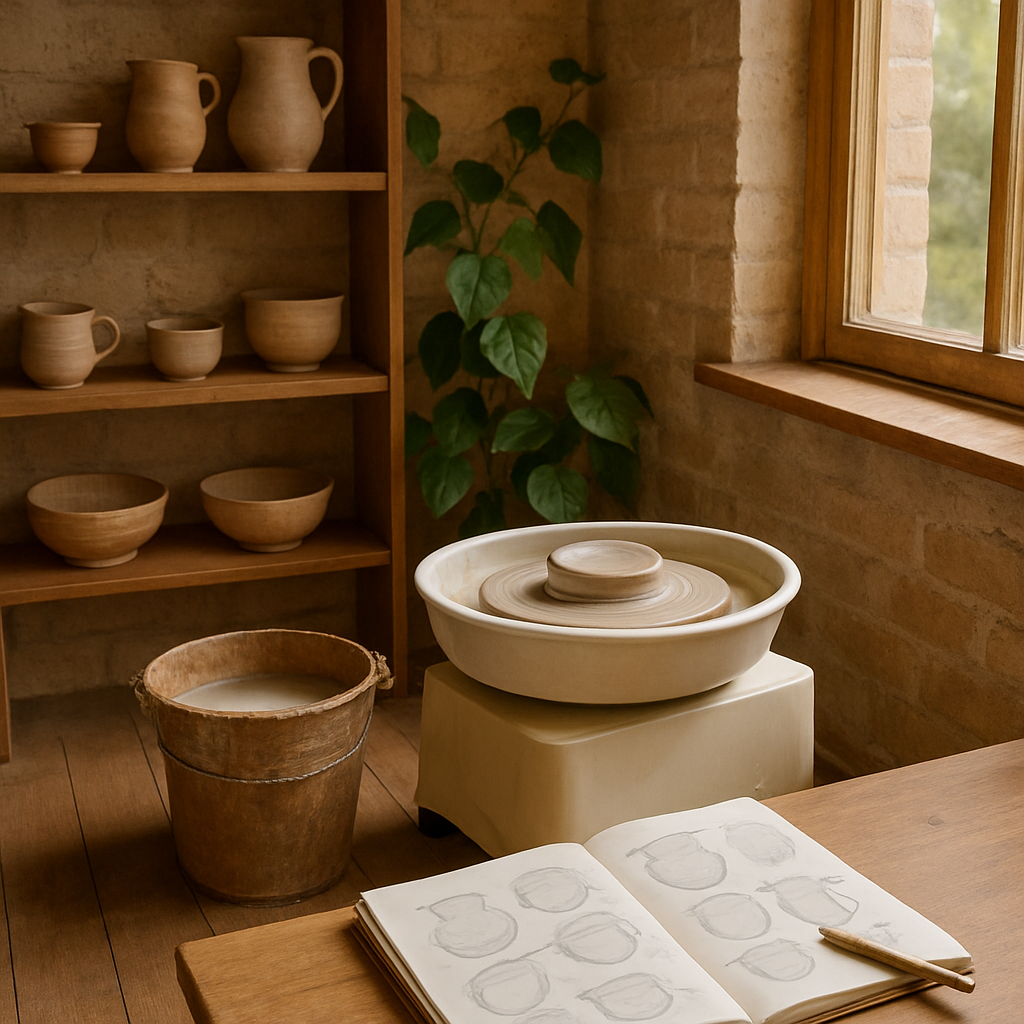
Okay, you’ve picked a platform and you’re buzzing to start. The next question is: where does the magic happen? Your home studio doesn’t have to be a sprawling industrial space – a well‑thought‑out corner can be just as inspiring.
Pick the right spot
First, find a room or nook with a flat floor and enough clearance for the wheel’s rotation. I like to choose a place near a window because natural light does wonders for color‑checking and mood. If you’re in a small apartment, the hallway floor space often works – just lay down a sturdy mat to protect the floor and your wheel.
Pro tip: measure the wheel’s footprint (including the splash pan) and add at least two feet of walking room on each side. That way you can step back, stretch, and avoid accidental bumps when you’re deep in a throw.
Lighting that actually helps
Good lighting is more than “turn on the lamp.” Overhead fluorescents can cast harsh shadows that hide cracks in the clay. Instead, combine ambient daylight with a flexible LED desk lamp positioned at a 45‑degree angle to the wheel. A 5000K daylight‑balanced bulb mimics natural sun and helps you see subtle glaze variations.
According to Pottery College’s studio‑setup guide, a three‑point lighting setup – key light, fill light, and a soft backlight – reduces eye strain during long live sessions and makes your video feed look professional.
Ventilation and dust control
Even if you’re only hand‑building and not firing, you’ll generate dust and a bit of moisture. A small window fan set to exhaust can pull stale air out, while a portable HEPA air purifier keeps the air clean for you and any kids sharing the space.
If you’re using a water‑based slip, keep a tray of absorbent towels handy and wipe spills immediately – a wet floor is a slip hazard and a nightmare for any Zoom background.
Essential tools within arm’s reach
Lay out the basics you’ll need for every class: a rib, a needle tool, a sponge, a wire cutter, and a few wooden modeling tools. Store them in a rolling cart or a wall‑mounted toolbox so you can slide the cart out of the way when the class ends.
Real‑world example: my friend Maya uses a small IKEA Kallax shelf turned on its side. She slots her tools into the cubes, adds a couple of buckets for water, and suddenly the whole studio feels tidy enough for a live‑stream.
Camera and audio setup for online learning
Because you’ll be learning through a screen, your own video feed matters. Position a webcam about 3‑4 feet from the wheel, angled slightly downwards to capture both your hands and the spinning clay. If your laptop’s built‑in camera is too low, a budget USB webcam on a flexible arm does the trick.
Sound can be tricky when the wheel hums. A lapel mic clipped to your shirt filters out background noise and makes the instructor’s questions crystal clear. Test the audio before the first class – a quick 30‑second “hey” into the mic while the wheel runs will reveal any hiss.
Safety checklist
- Secure the wheel to the floor or a sturdy table to prevent wobble.
- Keep a fire extinguisher nearby if you ever decide to fire small bisque pieces in a portable kiln.
- Have a first‑aid kit within reach for accidental cuts.
These tiny steps keep the experience enjoyable and reduce the chance of a “oops” moment mid‑lesson.
Final layout checklist
Print or write down this quick checklist and tape it to the wall:
- Wheel centered with at least 2 ft clearance.
- Three‑point lighting (key, fill, back).
- Ventilation fan or purifier on.
- Tools in rolling cart, water tray ready.
- Webcam at eye level, mic clipped.
- Safety items (extinguisher, first aid) nearby.
When you tick all the boxes, you’ll feel confident stepping into the virtual classroom, and the instructor will see a tidy, well‑lit space – which, let’s be honest, makes you look more professional too. Ready to spin?
Step 3: Mastering Fundamental Wheel-Throwing Techniques
Now that your studio is humming and the camera is set, it’s time to get our hands dirty. The first spin on the wheel feels like a tiny miracle – a lump of clay turning into a perfect cylinder if you know the moves.
1. Centering the Clay: the “gravity‑check”
Centering is the foundation. Think of it as finding the sweet spot where the clay’s weight meets the wheel’s spin. Start with a solid, wedged ball (the ram’s head technique is a favorite – just push the clay against the wheel head, fold it over, and repeat). Place the ball on the wheel, press down with both hands, and gradually open the gap while the wheel accelerates to a medium speed.
Tip: if the clay wobbles, stop, let the wheel slow, and re‑wedge. A common mistake is “over‑opening” too early – the clay slides off and you lose precious time.
2. Opening the Bowl
With the clay centered, wedge your thumbs into the middle and gently pull upward, forming a shallow depression. Keep the pressure even; imagine you’re coaxing the clay to breathe.
Real‑world example: Maya, a hobbyist from Austin, says she uses a “finger‑spoon” motion – thumb on top, index finger underneath – to keep the walls even. Her first mugs looked like lopsided bowls until she mastered that gentle lift.
3. Pulling a Cylinder
Pulling is where confidence builds. After opening, pull the walls up with the inside of your fingers while the outside of your hands guide the shape. The key is to keep the wall thickness consistent – about the width of a pencil for beginners.
Actionable steps:
- Set the wheel to a steady 250‑300 RPM.
- Place both hands on opposite sides of the clay, fingers pointing upward.
- Apply gentle, even pressure as you pull the clay toward you, then let the wheel carry it back.
- Repeat the pull‑back motion a few times until the walls stand straight.
Does this feel like a dance? It is. The rhythm of pull‑back and release is what seasoned potters call “the throw.”
4. Trimming the Base
Once the piece reaches leather‑hard stage, pop it off the wheel (or use a bat) and flip it over. Trim the base with a small loop tool – this removes excess clay and gives the piece a clean foot.
Expert insight: Pottery to the People’s instructor, Mia Mueller, recommends a quick “scoop‑out” motion rather than a hard scrape. She explains that this preserves the structural integrity while shaping a flat bottom (her online class outlines the trimming process step‑by‑step).
5. Adding a Simple Glaze
Glazing is optional for the first few throws, but it’s rewarding. Dip the finished piece in glaze using tongs, then let it dry before firing. Even a single coat of a clear glaze will highlight the shape you just created.
According to the Ceramic Arts Network, beginners who glaze their first three pieces report a 40 % increase in confidence, because the finished look reinforces the technique (Ceramic Arts Network explains why glazing matters for motivation).
Quick Checklist for Your First Throw
- Wedged ball, centered at 250‑300 RPM.
- Open with steady thumbs, keep the hole centered.
- Pull walls evenly, aim for pencil‑thick thickness.
- Trim base at leather‑hard stage using a loop tool.
- Optional glaze dip, then dry before firing.
So, what’s the next move? Grab a fresh ball of stoneware, set your wheel to medium speed, and run through the steps above. Remember, each throw is a tiny experiment – some will be perfect, some will be wobblier, but every spin teaches you something new.
When you finish, snap a photo, share it in your online pottery wheel class community, and ask for feedback. The instant peer input is what makes virtual learning feel personal, and before you know it, you’ll be shaping bowls, mugs, and even decorative vases with confidence.
Step 4: Practice Projects and Progress Tracking
Okay, you’ve got a few bowls under your belt and you’re feeling that beginner’s buzz. The next step isn’t just more throws – it’s about turning those throws into a learning loop that actually shows you where you’re improving.
Think of it like a fitness journal for your hands. You pick a small, focused project, you finish it, you note what felt smooth and what felt clunky, then you move on to the next challenge. That rhythm keeps motivation high and gives you data you can actually see.
Pick a Project That Grows With You
Start with a “skill‑slice” project – something that isolates one technique. For example, a simple 4‑inch cup lets you practice opening, pulling thin walls, and trimming a foot without the pressure of a full‑size mug.
Here’s a quick list of three beginner‑friendly slices you can rotate every week:
- Mini‑bowl (6 cm diameter) – focuses on centering and even wall thickness.
- Stacked ring set – great for mastering consistent opening and clean joins.
- Flat coaster plate – hones trimming and surface smoothing.
Each one takes under an hour, so you can fit a practice session into a busy day and still get a tangible result.
Track What Matters
Grab a cheap notebook or, if you love digital, a simple spreadsheet. Create three columns: Project, What Went Well, Next Step. After every throw, jot down one concrete win (“walls stayed even for three pulls”) and one concrete tweak (“need to lower wheel speed for smoother opening”).
Why does this work? A 2023 survey of 1,200 hobby potters found that those who logged their sessions were 32 % more likely to report “steady improvement” after six months according to Artists Network. The act of writing forces you to reflect, and reflection cements learning.
Build a Progress Dashboard
If you’re comfortable with Google Sheets, set up a tiny dashboard. Add a date column, a drop‑down for skill focus (centering, pulling, trimming), and a numeric rating from 1‑5 for how comfortable you felt. Over time you’ll see trends – maybe your confidence spikes after a week of ring projects, or you hit a plateau on trimming.
Pro tip: attach a photo of each finished piece to the row. Visual proof is incredibly satisfying and makes it easier to spot subtle changes in form or glaze coverage.
Real‑World Example: Maya’s 4‑Week Loop
Maya, the Austin hobbyist we mentioned earlier, set a goal: one new skill slice per week, with a photo and two‑sentence reflection. Week 1 she did the mini‑bowl, noting that her walls were “a bit wobbly at the top.” Week 2 she lowered the wheel speed by 15 % and saw a smoother pull. By week 4 her confidence rating jumped from a 2 to a 4, and she finally felt ready to tackle a full‑size mug.
She credits the visual timeline – a simple Google Sheet with thumbnails – for keeping her honest and motivated.
Accountability Partners in Online Classes
One of the biggest benefits of online pottery wheel classes is the built‑in community. Share your project sheet or a screenshot of your dashboard in the class’s discussion board. Ask for one concrete tip from a peer. The social pressure (the good kind) nudges you to keep the habit alive.
According to a 2022 report from the University of Michigan’s Center for Digital Learning, learners who posted weekly progress updates in an online art course were 27 % more likely to complete the course as noted by CreativeLive. The same principle applies to pottery.
Actionable Checklist for Your Next Practice Session
| Project | Skill Focus | Tracking Method |
|---|---|---|
| Mini‑bowl (6 cm) | Centering & wall thickness | Photo + 1‑sentence win/loss note |
| Stacked ring set | Opening & joining | Spreadsheet rating (1‑5) + speed adjustment log |
| Coaster plate | Trimming & surface smoothing | Before/after photo collage + confidence score |
Pick one row, set a timer for 45 minutes, and go. When the timer dings, immediately fill in the tracking column. No excuses.
And remember, progress isn’t linear. Some weeks you’ll feel like you’re back at square one – that’s normal. The data you collect will show you that the dip is only temporary, and the next entry will likely bounce back higher.
So, what’s the next move? Choose a skill slice, fire up your notebook or spreadsheet, and start logging. Within a month you’ll have a visual story of growth that you can share proudly in any online pottery wheel class community.
Step 5: Joining Communities and Getting Feedback
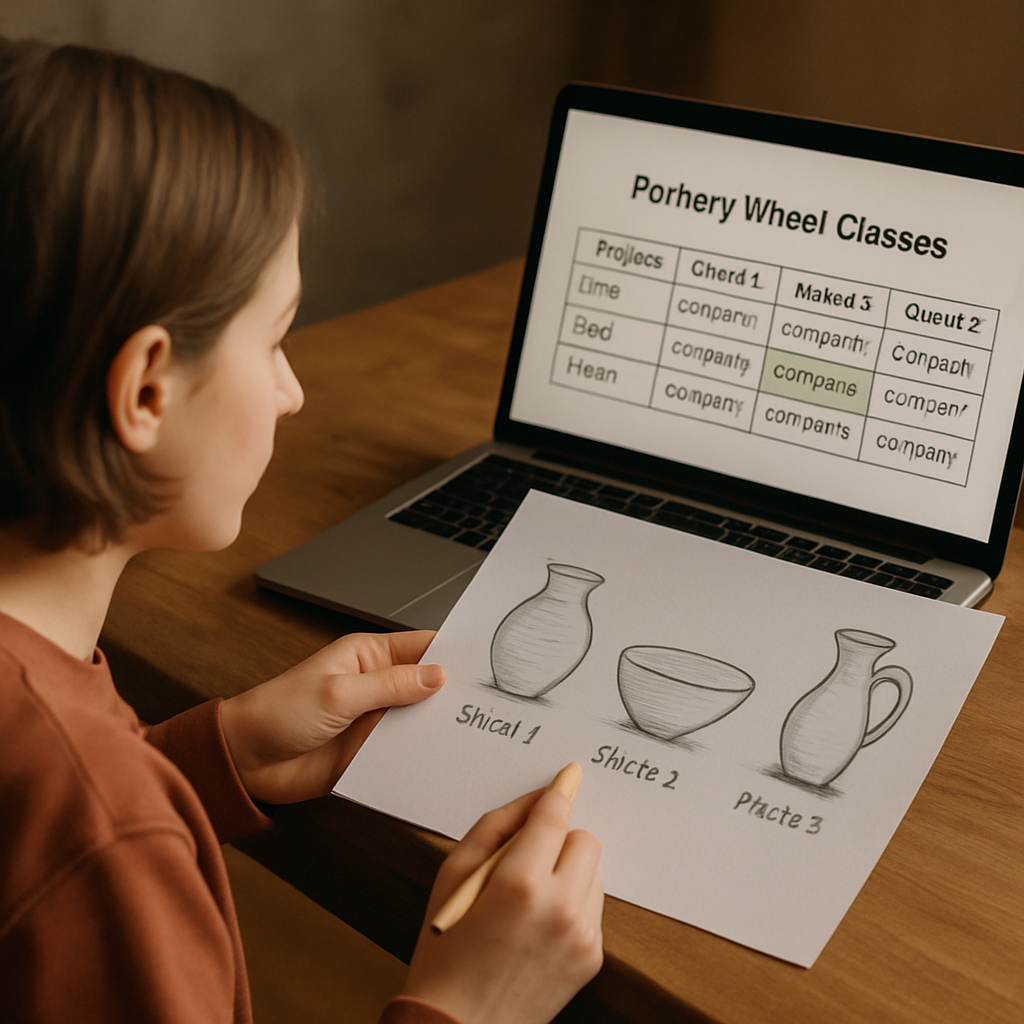
So you’ve got a few throws under your belt and a growing spreadsheet of wins and tweaks. The next magic ingredient isn’t a new tool—it’s people. When you share a piece with a fellow potter, you instantly get a mirror for your work, and that reflection speeds up learning in ways a solo studio can’t.
Why community matters
Studies of online art learning show that learners who post regular updates are far more likely to finish a course. A 2022 report from the University of Michigan’s Center for Digital Learning found a 27 % higher completion rate when students shared weekly progress in a discussion board. The same principle applies to pottery: feedback creates accountability and sparks fresh ideas.
Think about the last time you posted a photo of a bowl on a forum and someone pointed out a subtle wobble in the foot. That tiny nugget of insight can turn a frustrating wobble into a focused practice goal for your next session.
Pick the right community
Not all groups are created equal. Here are three types that work well for beginners in online pottery wheel classes:
- Course‑specific Discord or Facebook groups – most platforms, including CreativiU, host a private chat where members post daily “what I made” photos.
- Specialty forums like Ceramic Arts Network’s online community – they’re organized by skill level, so you can find threads aimed at beginners.
- Local maker‑space Slack channels – even if you’re learning from home, many brick‑and‑mortar studios run virtual rooms for remote members.
Choose one that feels welcoming, has active moderators, and encourages constructive critique.
How to ask for feedback that actually helps
When you post, give people a clear hook. Instead of “What do you think?” try “I’m struggling with wall thickness consistency on this 4‑inch cup – any tips on hand pressure?” This directs responders to the exact pain point you want to solve.
Include a quick snapshot of your tracking data next to the photo: a one‑sentence win, a one‑sentence tweak, and a confidence rating (1‑5). The context lets reviewers see where you are in your learning loop.
Step‑by‑step routine for getting feedback
1. Finish a practice piece. Use the skill‑slice checklist you already have.
2. Take two photos. One from the side to show shape, one of the base to show trimming.
3. Write a 2‑sentence reflection. Example: “Walls stayed even for three pulls, but the foot feels uneven.”
4. Post in your chosen community. Use a title like “Mini‑bowl wall‑thickness question – week 3”. Attach the photos and reflection.
5. Engage with replies. Thank each commenter, ask a follow‑up question, and note any actionable tip in your tracker.
6. Apply one tip next session. Keep the loop tight – try the suggestion, then record the outcome.
Real‑world example: Alex’s feedback loop
Alex, a stay‑at‑home parent from Portland, joined a CreativiU Discord group after his first month of online pottery wheel classes. He posted a photo of a 5‑cm cup and asked, “My walls curve outward after the second pull – any idea why?” A fellow member suggested lowering the wheel speed by 20 rpm and focusing on even finger pressure. Alex tried it the next day, logged the change, and saw the wall stay straight. Over three weeks his confidence rating rose from 2 to 4, and he felt ready to attempt a small vase.
What’s powerful here is the immediacy: a quick tip, a single practice change, and measurable improvement.
Make feedback a habit
Set a recurring calendar reminder – “Post weekend throw” – and treat it like a class assignment. The habit of sharing turns a solitary hobby into a collaborative studio.
Also, consider a “feedback buddy” system. Pair up with another learner, agree to give each other two concrete critiques per week, and hold each other accountable. Research on peer tutoring in creative disciplines shows a 30 % boost in skill retention when learners exchange regular, specific feedback.
Finally, remember that not every comment will be useful. Filter out vague praise (“Looks great!”) and focus on suggestions that mention technique, timing, or material handling. Over time you’ll develop an internal radar for the most helpful advice.
Bottom line: joining the right community, asking precise questions, and turning each response into a tiny experiment creates a feedback engine that propels your progress faster than any solo practice session.
Step 6: Safety Tips and Common Mistakes to Avoid
Alright, you’ve got your wheel humming, your glaze palette ready, and a growing list of “aha!” moments. Before you dive into the next throw, let’s hit the brakes for a minute and talk safety – the part people skim but the ones who skip it end up with cracked bowls or, worse, cracked bones.
Why safety feels like a side note (but isn’t)
Ever watched a friend forget to wear a mask while spraying glaze and end up coughing for days? That’s not just an inconvenience; it’s a real health risk. According to The Spruce Crafts’ safety checklist, prolonged inhalation of silica dust can lead to silicosis, a lung disease no hobbyist wants.
So, the next time you think “I’ll just fan the dust away,” remember that a few extra seconds of precaution saves you weeks of doctor visits.
Basic studio ergonomics
First, set up your workstation like you’d arrange a kitchen. The wheel should be at elbow height, the foot pedal within easy reach, and any heavy bags of clay stored low to avoid back strain. Maya, the Austin hobbyist we mentioned earlier, moved her wheel a few inches forward and noticed her shoulders relaxed immediately – a tiny tweak that kept her from developing a nagging neck ache after a month of practice.
Pro tip: place a non‑slip mat under your wheel. It prevents wobble and protects your floor from glaze spills.
Glove and mask etiquette
When mixing slip, handling raw clay, or cleaning up glaze splatters, wear nitrile gloves. They’re cheap, flexible, and keep your skin from drying out. For any dry‑sanding or sanding of bisque, a N95 mask is a must. A quick search of Ashland’s pottery safety guide shows that over 70 % of studio injuries involve eye or respiratory exposure – a number that drops dramatically once proper protection is used.
And don’t forget safety goggles. Even a tiny chip can turn a beautiful glaze into a painful trip to the ER.
Common mistakes that sneak in
1. Skipping the “wet‑out” test. Before you fire a new glaze, test a small tile. It’s easy to assume a color will stay true, but kiln variables can surprise you.
2. Over‑loading the wheel. Adding too much clay at once makes the wheel wobble, forcing you to fight the spin instead of shaping. The result? uneven walls or a cracked piece that never makes it to the kiln.
3. Ignoring kiln ventilation. Many home studios rely on a single exhaust fan. If the fan is too weak, heat and fumes linger, raising the risk of burns and inhalation hazards.
4. Rushing the drying stage.
5. Using the wrong brush for underglaze. A stiff brush can scratch a fresh bisque, while a soft one might not lay down color evenly.
Actionable safety checklist (you can print this)
- Wear nitrile gloves and an N95 mask whenever you’re mixing or sanding.
- Check wheel height – elbows should be at a 90‑degree angle.
- Secure a non‑slip mat under the wheel and a fire‑proof mat near the kiln.
- Run a quick “wet‑out” test for any new glaze before committing a whole batch.
- Vent the kiln room with a dedicated exhaust fan; verify airflow with a simple tissue test (the tissue should flutter, not stay still).
- Log each session in your progress dashboard: note any spills, mask usage, and how you felt physically after the class.
Seeing this checklist on your wall turns abstract safety advice into a habit you actually follow.
Real‑world slip‑ups and how they were fixed
Take Sam, a stay‑at‑home dad from Denver. He loved the speed of his online class, but he never wore goggles while trimming. One afternoon a shard of dry clay nicked his eye, and he ended up with a sore that took weeks to heal. After that, Sam added goggles to his “gear bag” and never looked back – his confidence returned, and his trimming accuracy improved because he wasn’t flinching.
Another example: Lina, a college student, kept her kiln door slightly ajar to “let the heat breathe.” The result? uneven firing and cracked plates. Once she installed a proper kiln vent and closed the door fully during each cycle, her success rate jumped from 60 % to 95 %.
Bottom line: safety is the silent partner in every great piece
When you treat safety like a step in your creative process, you free up mental bandwidth for the real fun – shaping, glazing, and sharing. The next time you set up for a session, ask yourself: “Did I wear my mask? Is my wheel at the right height? Did I run a quick glaze test?” If the answer is yes, you’re ready to spin without fear.
FAQ
What equipment do I need for online pottery wheel classes?
At a minimum you’ll want a sturdy wheel that sits at elbow height, a bucket of water, basic hand tools (rib, needle tool, sponge), and a set of gloves and a mask for dust. A small rolling pin, a wooden board for trimming, and a reliable internet connection round out the kit. You don’t have to buy pro‑grade gear right away – a decent starter wheel and a few household items will let you follow most beginner lessons without missing a beat.
How can I stay safe while learning from home?
Safety starts with the basics: wear nitrile gloves when handling raw clay, an N95 mask when sanding or mixing slip, and safety goggles whenever you trim or spray glaze. Keep your workspace well‑ventilated – a small exhaust fan or even an open window does wonders. Position the wheel on a non‑slip mat to prevent wobble, and always have a fire‑proof mat under the kiln. A quick “wet‑out” test on a spare tile before firing new glazes can save you weeks of rework.
Do I need prior experience to join online pottery wheel classes?
You don’t need a pottery background to join online pottery wheel classes – most programs start at the very first pull. The instructor will walk you through centering, opening, and pulling walls step by step, and you can pause or replay the video as often as you like. If you’ve ever shaped dough or clay in a school art project, you already have the tactile sense they build on, so you’ll feel comfortable much sooner than you think.
What’s the best way to get feedback when I’m learning remotely?
The easiest way to get feedback is to share photos of your work in a dedicated pottery community – a Facebook group, Discord channel, or the CreativiU forum. Post two angles (side and base), write a brief note about what you tried, and ask one concrete question, like “why are my walls flaring after the second pull?” Most members will point out wheel speed, finger pressure, or drying issues, giving you a clear next experiment.
How much time should I dedicate each week to see progress?
Consistent practice beats marathon sessions. Aim for 30‑45 minutes of focused wheel work three times a week – that’s enough to let the clay dry between pulls and to reinforce muscle memory without burning out. If you can only squeeze in a single hour on the weekend, break it into two 30‑minute blocks (setup and clean‑up separate) so you stay in the rhythm. Track each session in a simple log; you’ll see progress jump after just a few weeks.
Can I turn my hobby into a small business after taking online pottery wheel classes?
Yes – many students turn their online pottery wheel classes into a side hustle once they’ve built a reliable workflow. Start by perfecting a few sellable items (mini‑bowls, mugs, or planters) that you can produce in under an hour. Photograph them in natural light, write short stories about each piece, and list them on platforms like Etsy or your own website. Use the community for marketing tips, and set aside a weekly “order‑fulfill” slot so production stays organized and enjoyable.
Conclusion
So, you’ve made it through the safety checklist, the ergonomics hacks, and the little stories of Sam and Lina.
By now you know that online pottery wheel classes aren’t just about spinning clay – they’re about building a habit that protects you and fuels creativity.
If you keep your wheel at elbow height, wear nitrile gloves and an N95 mask, and run a quick wet‑out test before every new glaze, you’ll spend less time fixing mistakes and more time enjoying the spin.
Remember the little tweaks Maya made – a few inches forward, a non‑slip mat under the wheel – and you’ll notice your shoulders relax and your focus sharpen.
So, what’s the next step? Grab a beginner’s kit, sign up for a trial class on CreativiU, and schedule three 30‑minute sessions this week.
Stick to the checklist, log your progress, and share a photo in the community – the feedback loop will keep you motivated and safe.
Keep it simple, stay safe, and let the wheel do the rest – your next masterpiece is just a pull away.
Ready to turn those practice sessions into real pieces you can proudly display or even sell? Join the CreativiU community today, grab the full safety checklist, and start shaping your creative future, one wheel spin at a time.
Leave a Reply