This video from John Locke’s playlist on YouTube offers a beautiful and complete description of the history of quilting. Below you can read the complete transcript. We hope you enjoy it as much as we do and that you learn more about the craft you love. Note that the images were taken from the video.
Quilting, like all the crafts we enjoy today as hobbies, had its beginnings as a necessity to provide comfort and make everyday life a little easier. The process of quilting in the most general sense is the joining together of two pieces of material and a central filling by stitching the three layers together. Although the stitching originated for the practical purpose of holding the filling in place, the intricacy and beauty of this stitching soon became as much aesthetic as utilitarian.
The art of quilting was practiced by the ancients
Let’s look at the history of quilting to get a better idea of how this craft has made a very significant contribution to the well-being of mankind. Contrary to what you may think, quilting did not start with our grandmother’s or even our great-grandmother’s. In fact, archaeologists have found examples of quilting done as long ago as 5000 BC, and it’s possible that people were quilting before then.
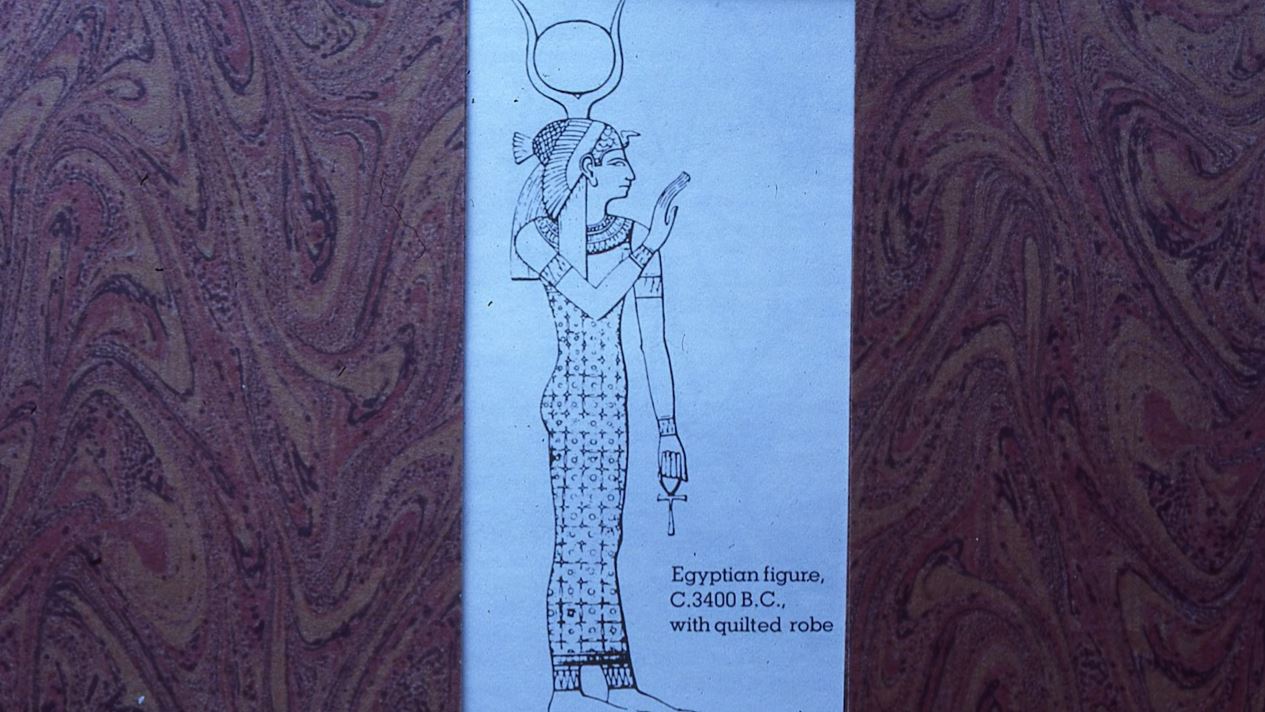
The art of quilting was practiced by the ancient Chinese, Egyptians, Greeks, and virtually all civilizations as cloth was developed. The British Museum has a statue of an Egyptian king who lived about 3400 BC, which shows him wearing a quilted robe. Much of the quilting in Egypt at that time was done by men.
When a tomb was discovered in China in the 1900s, scientists found that it belonged to a Mongolian warlord who lived in the year 1. Among its treasures was a rug quilted in a scroll design that is still in use today. Ancient quilted fabric was often plain, so that any design was formed by the quilting stitches. However, applique and pieced work also have a long history dating to before the time of Christ. For example, the heads of Egyptian mummies were wrapped in fabric arranged to form a design, a design we know today as log cabin.
The Crusades in The History of Quilting
When European soldiers traveled to the Holy Land during the Crusades, which went on from about 1000 to 1300, they found that the Arabs wore quilted clothing beneath their armor. The quilted shirts gave the Arabs added protection and comfort in battle. The craft of quilting was just one of the many new things the Crusaders brought back with them when they returned to their homes in Europe. Often, these Arabic designs were mosaics and probably were the inspiration for the pattern we know today as grandmother’s flower garden.

Marco Polo probably introduced quilts to Europe in about 1200, when he found them on his famous trip to the Orient and returned home with prized examples. By 1400, quilting was widely practiced throughout Europe, and it was as popular in castles as in cottages. Some famous royal quilters included Catherine of Aragon, who invented black embroidery, Catherine de Medici, and Marie Theresa of Austria. Marie Antoinette’s mother can be seen at Hardwick Hall in England, the quilts wrought by the skillful fingers of Mary Stewart Queen of Scots when she was imprisoned there for so long. In his will, William Shakespeare bequeathed all the quilts in bedclothing of the second-best bedroom in his home to his wife and Hathaway. Many historians believe that his wife was an accomplished quilter and probably made the quilts herself.
Great catastrophes sometimes have beneficial byproducts, and the popularization of the quilt is said to have been largely brought about by such a calamity in Europe in the 14th century. Severely cold weather, which came to be known as the great freeze, lasted for a number of winters and caused the major rivers such as the Thames, the Rhine, and the Rhone to freeze solidly.
By the 1500s, Quilted Clothing Had Become Fashionable in Europe
Partly out of necessity and partly to relieve themselves from the boredom resulting from prolonged confinement, women busied themselves making quilted material for garments and bed coverings. By the 1500s, quilted clothing had become fashionable in Europe. Men wore quilted vests and jackets, and women wore fancy quilted petticoats.
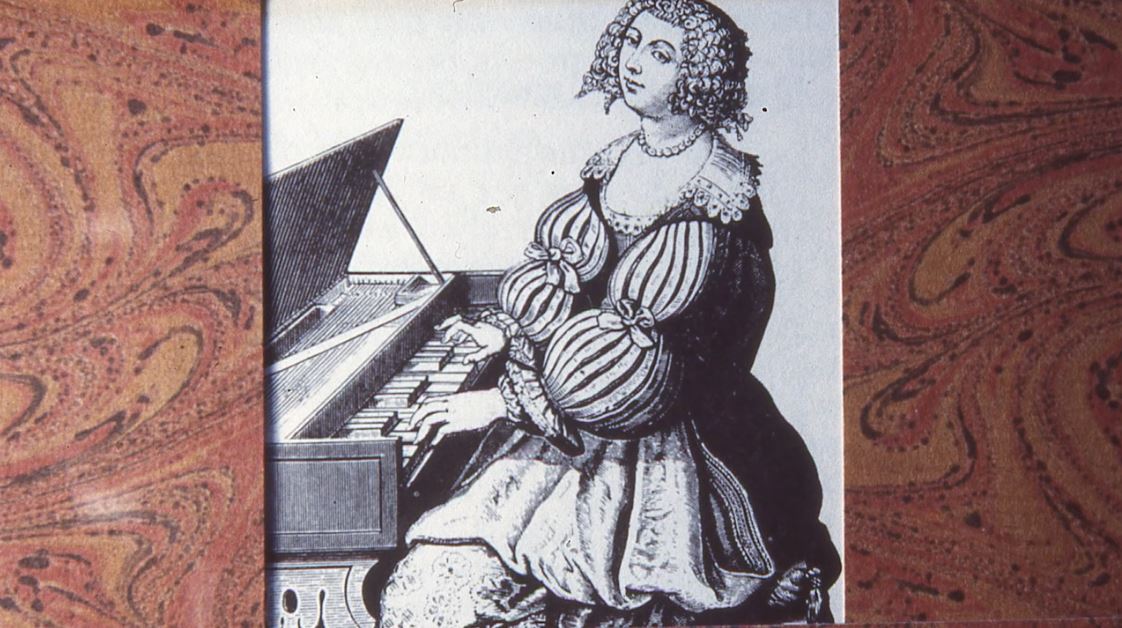
Long, bell-shaped skirts shaped by bulky petticoats became popular. This skirt split from waist to hem, displaying the lavishly quilted, colorful petticoats. This Renaissance split skirt fashion persisted until about 1630, when women were still exhibiting their magnificent undergowns by holding up their long skirts when walking.
After 1670, skirts became fuller and reached to the ground once more, generally splitting at the front again to reveal a richly worked petticoat, which, according to Samuel Pepys, was often the most ornate and expensive items of dress.
Elaborate methods were used to hold back the overskirt to make the most of the precious petticoats. A particularly ornate method was to bunch up the over skirt like a bustle and fasten it in place with a ribbon attached to the shoulders of the bodice.
Valuable Quilting Garments
These quilted garments became so valuable that even a wealthy woman would be honored to receive a worn underskirt as a gift. While the design of the over skirts changed and eventually the split disappeared, quilted petticoats remained popular well into the 19th century.
Imagine living in a cold, damp stone castle during the Renaissance; warm, quilted clothing must have been very appealing. I know that on a trip to England and Scotland during March and April a few years ago, I wondered how people managed to stay warm enough even in the small cottages I went through. Bed coverings were also quilted for warmth; cottages as well as castles were drafty places to live. Quilts were used as blankets, and in addition, beds were draped with quilted curtains to keep out the cold.
Women and Quilting in the 1600s
Women made their own quilted clothes, wall hangings, and bed coverings. Common people and nobles alike made quilts. In time, they would bring the craft of quilting to the new world. By the time America was colonized in 1620, European women were thoroughly skilled in the art of quilting.

Girls learned to sew when they were three or four years old, and a girl off made her first quilt at the age of five. When a young woman was ready for marriage, it was customary for her to have completed 12 quilts as well as one extra quilt top of intricate design. This one was designated as her marriage quilt and was covered with a profusion of appliquéd roses, bells, and hearts.
When the pilgrims boarded the Mayflower in 1620, it is likely that they brought their quilts. They needed those quilts; the winter weather of New England would turn out to be very severe. In fact, only half of the pilgrims survived the first winter in the new world because they had no guidebooks to tell them what to expect. Only half of the pilgrims survived the first winter in the new world.
Colonial homes were incredibly cold and drafty, and even as late as 1717, one man wrote in his diary that his ink froze so that he could hardly write by a good fire. People slept under layers of quilts to try to stay warm.
Quilting Materials Became a Status Symbol
Women quickly adapted quilting to their way of life in the colonies to provide enough warm bedding for their families. They began wearing sewing bags at their waists with fabrics, needles, scissors, and thread for quilt patches. When a woman had a few minutes to spare, she reached into the bag and selected several pieces of fabric to seam together. Over time, she completed a quilt top. Quilting materials became a status symbol. A sewing bag was often decorated with elaborate designs and the owner liked to be caught wearing it so that it could be admired.
A homemaker might plan her day so that she patched worn everyday quilts in the morning, which is probably the origin of patchwork quilts. In the afternoons, when visitors called, she would work on her best quilts which displayed her finest workmanship. In the evening, she sat and cut scraps from her scrap basket into squares, triangles, and other shapes to be arranged into patterns and sewn into quilts. No scrap of cloth was wasted, no matter how small.

Colonial Americans often wore an article of clothing for many years before it wore out, and they patched holes in a jacket or dress until it could hold no more patches. Then it was recycled and put in the scrap basket. Each scrap had its own story.
Early fabrics were homespun, made from homegrown flax and wool. These early quilts were stuffed with almost anything on hand, including native grasses, corn husks, straw, hay, milkweed floss, and even letters from home.
Quilting Making Grew After the American Revolution
The British wanted the American colonies to purchase cloth and other goods from England, so they restricted cloth making in America. The American Revolution brought an end to British rule and trade restrictions, and by the early 1800s, fabric had become more plentiful.
Quilt making grew to be an even more popular pastime. Gradually, the hit or miss patching designs of the early colonial days were replaced with intricate appliqué and piecework. Patterns were given names such as pine tree, delectable mountains, log cabin, postage stamp, and Rose of Sharon.
Historical events were commemorated with patterns like fifty four forty or fight, Whig rose, and Clay’s choice. Farm equipment and household utensils were translated into patterns such as mill will churn, and monkeywrench. Quilt patterns were enthusiastically exchanged and became known by different names in different communities.

The bear’s paw design in Kentucky was called duck’s foot in the mud, where bears were not a threat to life and limb. In Philadelphia Quaker communities, this very same pattern became known as the hand of friendship. To add to the confusion, a certain design in one community might have a completely different name in another part of the country.
The Bible had a strong influence on early American quilters, who designed patterns named for biblical events and people, such as the Star of Bethlehem and the crown of thorns (also known as New York Beauty, Tennessee Beauty, and Rocky Mountain Road). Remember, quilts can have different names in different parts of the country.
The Famous Community Quilting Bees
Although piecing and applique can be done by one person, quilting the finished product was often done by a group. As a result, our ancestors developed the famous community quilting bees. Women were not encouraged to congregate in groups, but colonial town fathers generously sanctioned a day for community quilting. On that day, women took their finished quilt tops along with baskets of food to the largest home or building in town. The best quilters were invited to work at the frames, while poor quilters and latecomers were relegated to the kitchen to prepare the food. Late in the day, husbands and children joined the group, and a feast was shared by the whole community.
Usually seven or eight quilts were finished at the bee. A popular product of the bee was the freedom quilt, made to celebrate a young man’s 21st birthday. Until his coming of age, each male was obliged to give all of his earnings to his parents, who used the money to help sustain the family. At 21, he was free to control his own earnings. However, his freedom was often short-lived.

Many freedom quilts were given directly to the young man’s fiancee, who also received a bridal quilt. The freedom quilt custom dried out in the 1800s, but the quilting bee continues to this day. The 19th century was the flowering of American quilt making.
Patterns Were Handed Down From Mother to Daughter
Many women made traditional quilt patterns, which were handed down from mother to daughter. The cloth and colors changed, but the pattern designs stayed the same. Other women made their own designs, often with special themes. When machinery of all kinds made its way into our country, and westward expansion was made easy by the burgeoning railroads, a new prosperity began to blossom.
The fashionable thing to do with this new prosperity, especially for the women in cities and towns, was to acquire machine-made goods. This began to spell the demise of hand work, including quilting. Quilting was more or less relegated to rural areas and the sections of the country that were not enjoying their share of this prosperity.
The appearance of the sewing machine
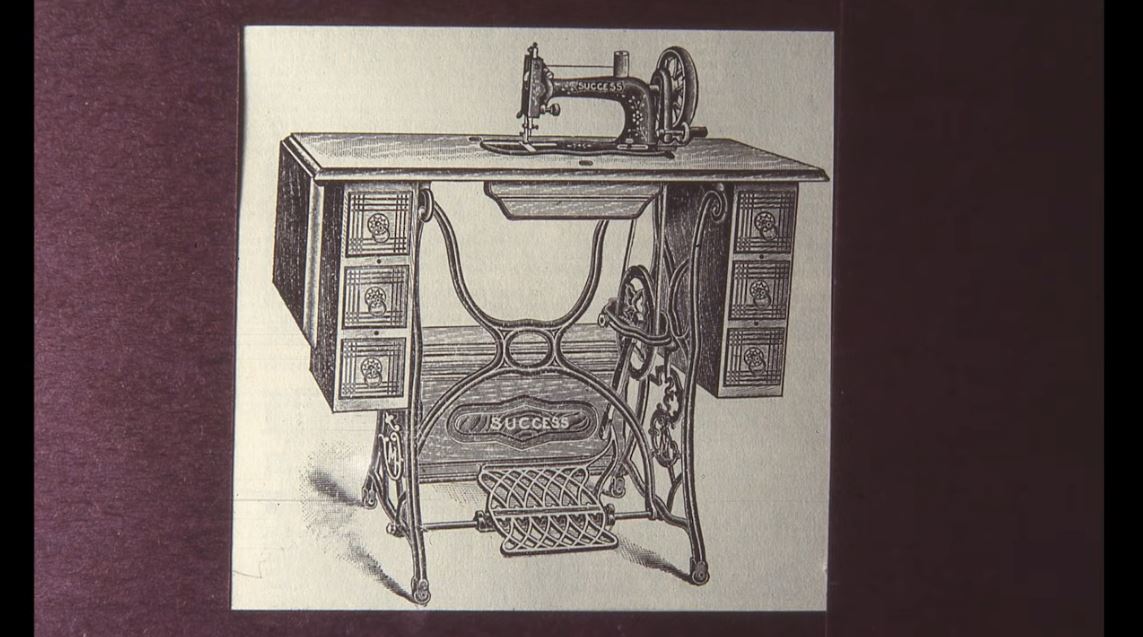
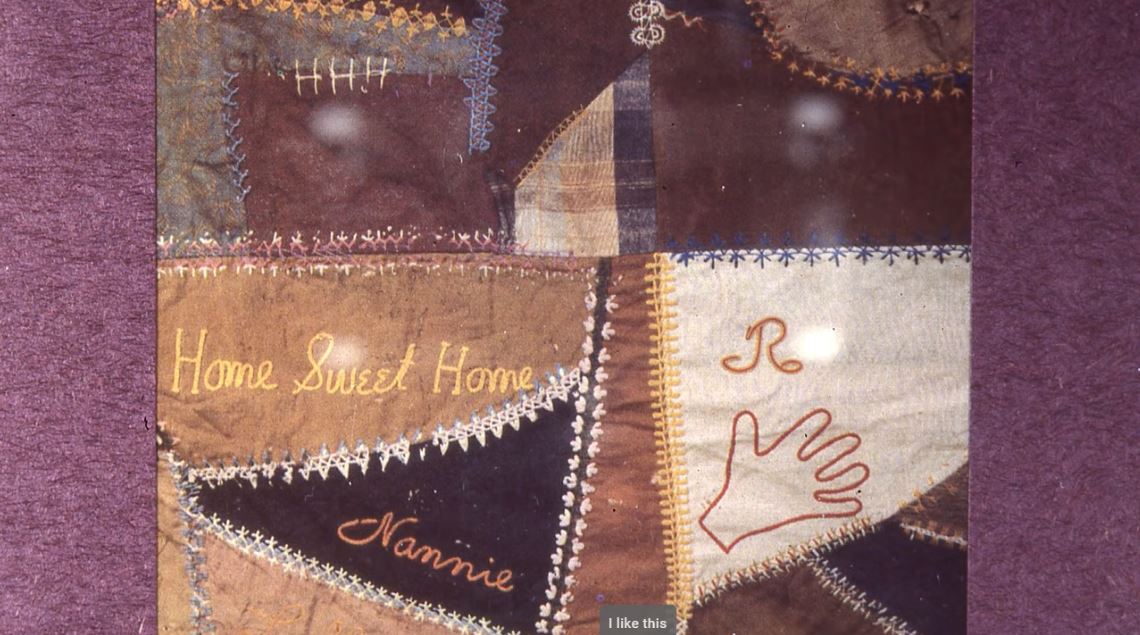
The appearance of the sewing machine in the 1860s just about put an end to the cherished institution known as the quilting bee. Near the end of the 1800s, quilt fashions like clothing fashions changed. People no longer wanted to make pieced or appliqued quilts. They made a new style of quilt called the crazy quilt.
Crazy quilts were sewn from bits of fancy cloth and were covered with decorative thread work or embroidery. Soft velvet, shiny satin, and rich brocade were used instead of solid-colored cottons and calicoes. In time, however, people lost interest in crazy quilts, and quilt making itself lost its popularity. It looked for a while that quilt making would become another lost art, practiced only by a few obscure people in places unknown.
The end of World War I signaled the beginning of an era of affluence and optimism unparalleled in America’s history. For the first time, increased applications of technology blessed the middle class with both leisure time and the money to enjoy it. Being entertained was suddenly everyone’s prerogative.
The age of consumerism
Motion pictures and radio found a spot in everyone’s heart, and keeping up with the Joneses became of paramount importance. The age of consumerism had begun. Yet during the decade of the 1920s, when machines made almost anything possible, an odd nostalgia surfaced. Collecting antiques became all the rage, and the art of quilting experienced an unprecedented renaissance.
Then came the crash, which put this country into the worst economic condition it had ever experienced during the Great Depression of the 1930s. However, interest in quilting was revived. How it came alive again is interesting. The depression put many people out of work, so to help create jobs for these people, the government started a special program called the WPA (Works Progress Administration). If you can say that you remember the WPA, you’re really dating yourself!
The Art of Quilt-Making Came Back to Life
Under the WPA, roads and buildings were built, forests were planted, books and plays were written, and the arts and crafts were encouraged and supported. In general, craftspeople were encouraged to make and sell their crafts. The art of quilt-making came back to life, just as in pioneer days.
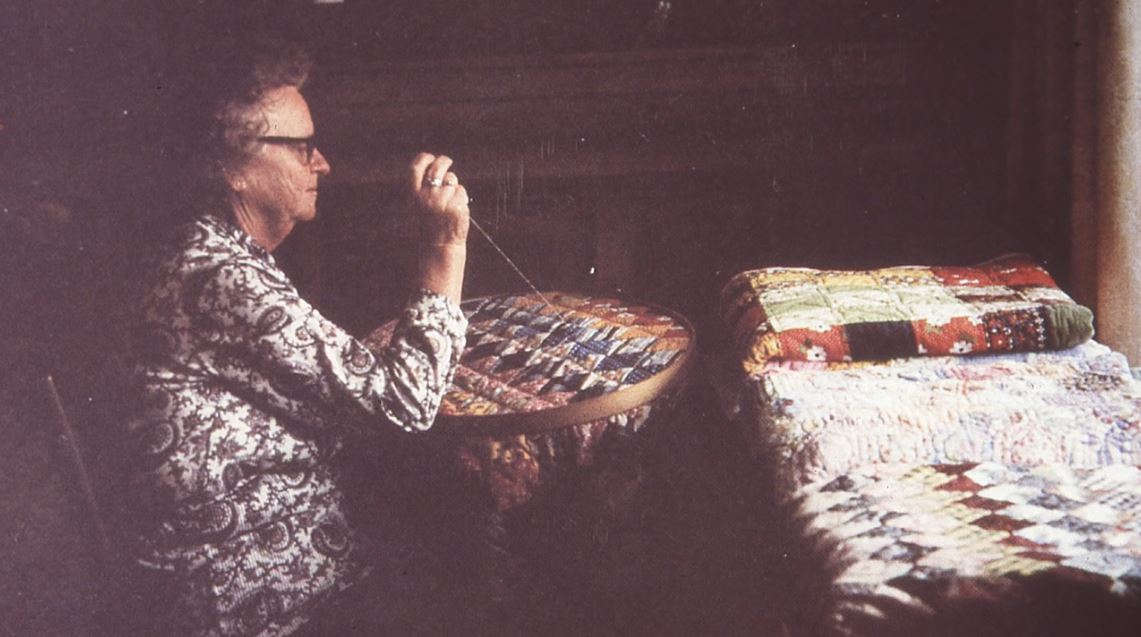
Though the choice of fabric was limited because no one had the money for new or fancy cloth, quilts made of cotton and calico became popular again. In the 1960s, a tremendous upsurge of interest in quilting began and is continuing. Displays, classes, workshops, and literature about quilting have enjoyed great popularity. More Americans have become aware of this valuable heritage, and the value of family quilts is greatly enhanced. Lucky are those who have kept their grandmother’s quilts.
Quilts are proudly displayed in many museums as true works of art. In fact, the American Quilting Society has built a museum in Paducah, Kentucky, entirely devoted to quilts and quilting. So far, we have given all the credit for patchwork quilts to women, probably because they have created most of the quilts that have been made.
There are men involved in this craft too
There are men involved in this craft too. Some of them are well-known. For example, when Calvin Coolidge, our 30th president, was a boy, he was ill for a long time. To take his mind off his illness, his mother taught him to cut and sew fabric squares. He chose a pattern called baby blocks. Later, the blocks that he had pieced together were made into a quilt.
The Shelburne Museum in Shelburne, Vermont has a complicated and beautiful quilt made by a soldier who fought in the Civil War. Injured in the war, he made the quilt while confined to his bed. Part of this quilt is made of triangles sewn together, the rest is made up of cloth shapes of people, horses, birds, hearts, and stars. This old quilt has an unusual, original design and it has held up well for more than a hundred years.
Today, one of our finest quilt makers is a man named Michael James who produces beautiful, colorful abstract quilt designs. So much for the men in our craft, and so much for the history of this wonderful, fascinating, satisfying craft.
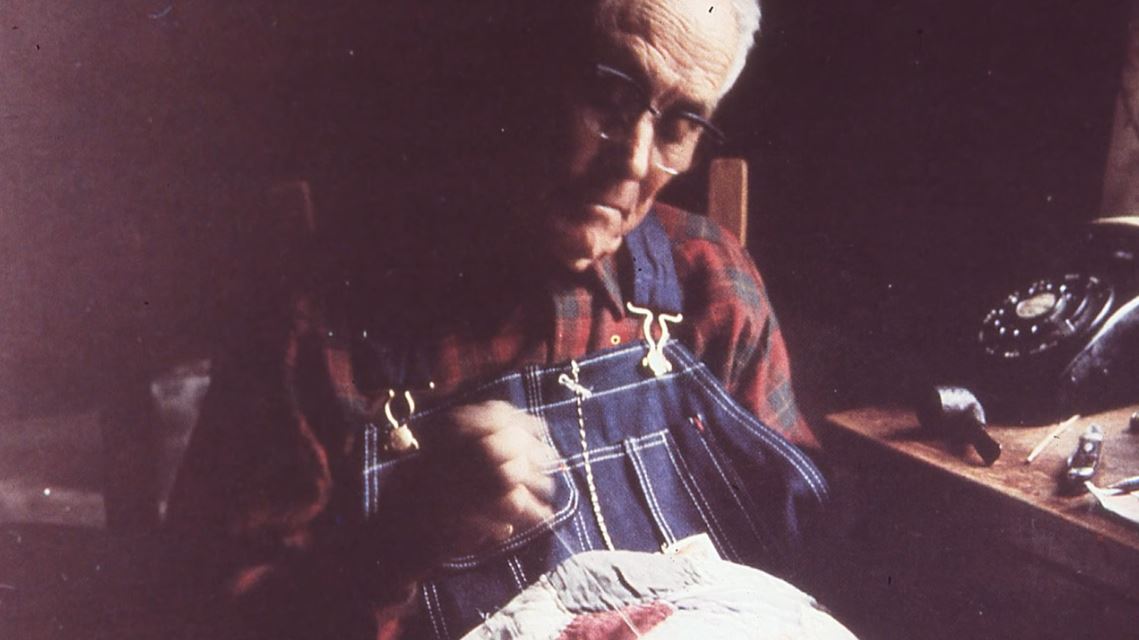
Don’t worry about being inexperienced when you start quilting. Our pioneering ancestors didn’t. Don’t be afraid to let your hands guide you, even if they make a few mistakes. They are not really mistakes. You see, their humility marks.
My husband carves birds and when he makes a little mistake he says, “The only one who will know is another bird carver, or another bird.” You can think of yourself as a kind of inventor as you go along. Turn your imagination and creativity loose. In the end, your quilt will be that much more beautiful because you designed and sewed it yourself.
What Quilting and Life Is All About
Let me finish by reading a beautiful passage from Aunt Jane of Kentucky by Eliza Calvert Hall. To me, it sums up what quilting and life is all about:
“How much piece and a quilt is like living a life! Many a time I’ve set and listened to parson page preaching about predestination and free will and I’ve said to myself, if I could just get up there and the pulpit was one of my quilts I could make life a heap plainer than Parsons making it with his big words.
You see, to make a quilt you start out with just so much kalcker. You don’t go to the store and pick it out and buy it, but the neighbors give you a piece here and there and you’ll find you have a piece left over every time you’ve cut out a dress and you just take whatever happens to come. That’s predestination.
But when it comes to cutting out the quilt, why, you’re free to choose your own pattern. You give the same kind of pieces to two persons, we want to make a nine patch and the other one will make a wild goose chase. So there will be two quilts made of the same pieces, just as different as can be.
That’s the way of living. The Lord sends us two pieces, we can cut them out, put them together pretty much to suit ourselves. There’s a heap more in the cut now and the sewing than there is in the calico.”

Leave a Reply