Everyone knows sewing is an age-old craft that blends creativity with practicality.
But what exactly does it take to master sewing as a beginner?
This guide provides a complete roadmap to choosing the right sewing for beginners online course.
Some are designed to teach you to use your sewing machine confidently.
Some cover essential skills like threading, stitching, and fabric selection.
Some include downloadable patterns to practice simple projects.
Some offer community support and live feedback to keep you motivated.
Let’s dive right in.
Why Choose a Sewing for Beginners Online Course?
Starting to sew your own clothes and crafts can be intimidating.
Online courses offer the flexibility to learn at your own pace.
You don’t have to worry about finding local classes or fitting sessions into a busy schedule.
Most courses break down complex techniques into simple, digestible lessons tailored for beginners.
Courses often include clear videos, written instructions, and tips to help you master each step.
Plus, many platforms create supportive communities where beginners can ask questions and share progress.
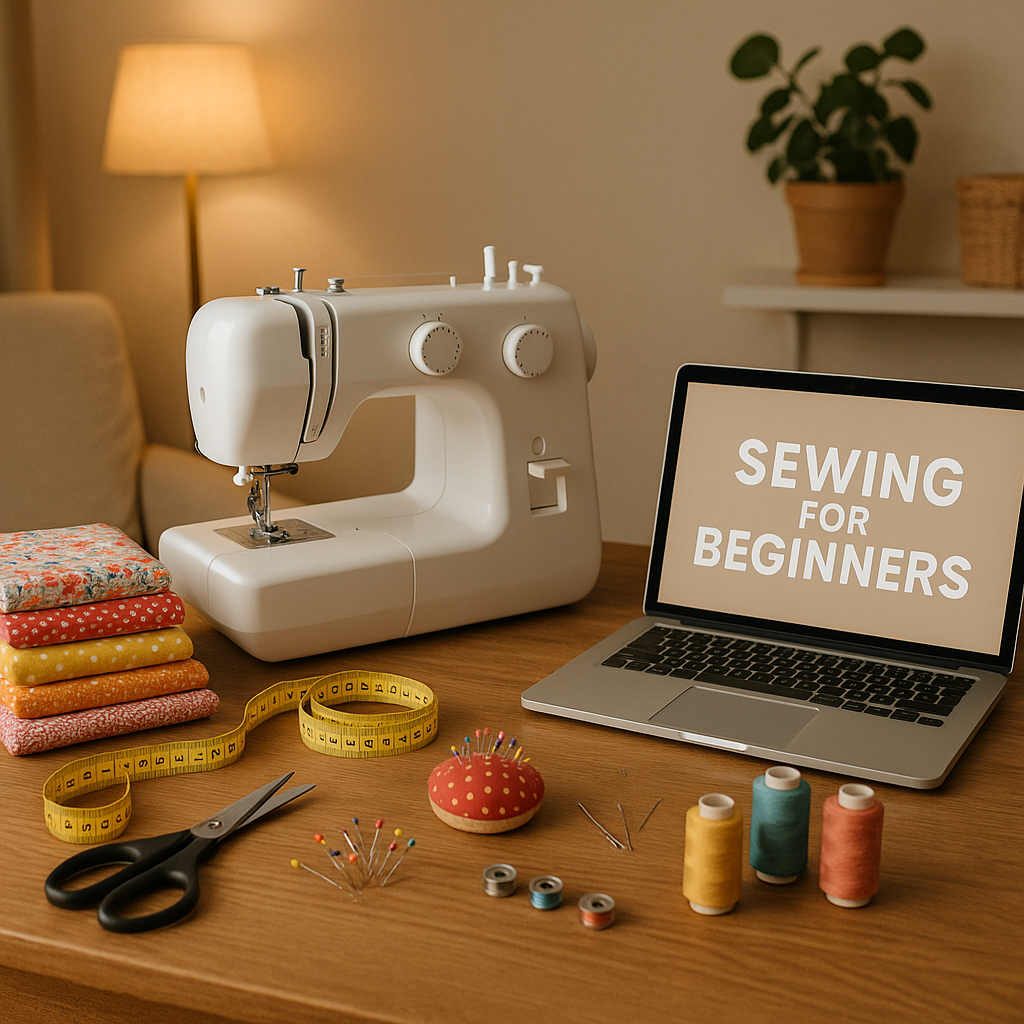
It’s like having a personal sewing instructor right in your living room.
For many, it’s the perfect way to build confidence and skills without stress.
Essential Tools and Materials for Beginners
Before jumping into your sewing lessons, gather the right tools. You don’t need the fanciest equipment, but these are essentials:
- Sewing Machine: For beginners, a manual or tabletop electric machine is perfect. It should have basic stitches like straight and zigzag.
- Fabric Scissors: Invest in sharp scissors reserved just for fabric to keep clean edges.
- Thread: Start with all-purpose polyester thread; it works with most projects.
- Measuring Tape: A flexible tape to take your body measurements and fabric lengths.
- Pins and Safety Pins: Essential for holding pieces together before sewing and for tasks like threading elastic.
- Seam Ripper: Mistakes happen—this tool helps you carefully remove stitches without damaging fabric.
- Patterns and Pattern Paper: Many beginner courses provide downloadable patterns, or you can practice with simple shapes.
- Marker or Tailor Chalk: To transfer pattern lines and markings on fabric.
- Iron: Pressing seams flat is key to professional-looking projects.
Remember, beginners should start with easier fabrics like cotton or ankara, which hold shape well and are less stretchy.
Practicing on inexpensive fabrics allows you to make mistakes without worry, building skills before advancing to costly materials.
Collecting these essentials will set you up for a smooth learning experience in any sewing class.
How to Select the Best Sewing for Beginners Online Course
Choosing the right course can dramatically affect your learning curve and enjoyment. Here are key criteria to consider:
1. Comprehensive Curriculum Tailored for Beginners
The course should cover basic skills like threading the machine, fabric selection, common stitches, and reading patterns.
Look for courses that focus on simple, real-world projects like making a tote bag or a skirt to apply your skills right away.
2. Clear Video and Written Instructions
Visual learning is essential for sewing. High-quality videos that demonstrate each step with close-ups and slow explanations are invaluable.
Written instructions should complement videos for easy reference.
3. Expert Instructors with Teaching Experience
Seasoned sewing professionals will be able to share insider tips and troubleshoot common beginner challenges.
Many platforms feature recognized names in the sewing community.
4. Access to Downloadable Patterns and Resources
Courses that provide patterns you can print and use are a boon, allowing you to practice skills on real projects right away.
5. Community and Support
Being part of a learner community encourages motivation. Platforms that offer forums, live Q&A sessions, or feedback from instructors enhance your progress.
6. Flexible Pricing and Trial Options
Many high-quality courses offer free trials or affordable monthly subscriptions so you can test whether the teaching style fits your needs.
For a well-rounded look at popular online sewing platforms, reviews highlight options such as Craftsy, Creativebug, and the Sewing Academy, each catering differently to beginners.[source]
What Will You Learn in a Sewing for Beginners Online Course?
The curriculum usually starts with fundamentals and builds up as your confidence grows:
- Machine Basics: How to set up your sewing machine, thread it properly, and maintain it to avoid common mechanical problems.
- Basic Stitches: Straight and zigzag stitches are staples; you’ll learn their best uses and how to sew them evenly.
- Fabric Types and Choosing Materials: Understanding different fabric weights, textures, and their sewing challenges.
- Reading Patterns: How to interpret sewing patterns and flat sketches to guide your construction.
- Cutting and Pinning: Techniques for cutting fabric accurately and pinning seams for precision.
- Sewing Seams and Edges: Mastering the straight seam, curved seams, and finishing techniques to ensure durability and appearance.
- Project Construction: Putting skills into practice by creating simple garments or accessories like skirts, bags, or pillow covers.
- Basic Fitting and Alterations: How to adjust patterns and sewn pieces for a better fit and professional look.
Courses often pepper lessons with troubleshooting tips, such as what to do when tension is off or stitches look uneven. These insights save time and frustration.
A beginner in Nigeria, B, recommends starting with beginner-friendly materials like ankara or cotton, using simple equipment to build skills without overwhelm.[source]
Tips to Succeed in Your First Sewing Class
Starting anything new can feel daunting. Here’s how to maximize your learning:
- Practice Regularly: Consistency is key to building muscle memory for stitching and cutting.
- Start Small: Begin with simple projects like a fringe skirt or tote bag to gain confidence.[source]
- Use Scrap Fabric: Before sewing your good fabric, test stitches on scraps to adjust tension and stitch length.
- Watch and Re-watch Lessons: Don’t hesitate to go over tricky parts multiple times until you feel ready to move forward.
- Keep Your Workspace Organized: A tidy sewing area keeps your focus sharp and tools within reach.
- Ask for Help: Use community forums or reach out to instructors if you’re stuck.
- Don’t Fear Mistakes: Use your seam ripper without guilt — it’s part of learning.
- Celebrate Progress: Every finished project is a milestone. Share it with your community for encouragement.
One tip many beginners overlook is to adjust your sewing machine’s tension dial between 3 and 5 for standard stitches; this simple tweak improves stitch quality immediately.[source]
Common Challenges and How to Overcome Them
Learning to sew comes with hurdles, but they are all manageable with the right approach.
Threading the Machine
The most common beginner stumbling block is threading the sewing machine and winding the bobbin correctly.
Watch step-by-step tutorials carefully, follow the machine diagrams, and practice threading several times before starting a project.[source]
Maintaining Seam Consistency
Sewing in a straight line is a skill that requires hand-eye coordination.
To master this, practice on lined fabric or fabric you have marked with seam allowance guides.
Keep your eyes on the edge of the fabric aligned to the machine’s guide, not the needle, to keep your seams even.
Understanding Patterns
New sewers often feel overwhelmed by pattern instructions.
Begin with simple patterns with few seams and clear flat sketches illustrating how pieces fit together.[source]
Visualize the finished garment and lay out pattern pieces before cutting fabric to ensure understanding.
Choosing Fabric
Start with fabrics that don’t stretch and hold shape well to avoid frustration.
As you advance, experiment with knits, crepe, and other textiles.
Time Management
Sewing projects require patience; rushing often results in mistakes.
Set aside dedicated, distraction-free sewing sessions to maintain focus and enjoy the craft.
What Are the Best Online Sewing Courses for Beginners?
If you’re wondering which course suits you best, here’s an overview of popular, reviewed platforms:
| Platform | Features | Pricing | Best For |
|---|---|---|---|
| Craftsy | Extensive sewing courses from beginner to advanced, includes quilting & serging; expert instructors | $7.99/month or $79.99/year | Comprehensive learning with advanced options |
| Creativebug | Sewing and crafts with downloadable patterns; community galleries; creative projects for adults & kids | $7.95/month; Unlimited Plus $9.95/month | Beginner and craft-focused learners, families |
| Sewing Academy | Step-by-step women’s and men’s wear sewing courses; beginner friendly; project-based learning | Starts at $9.97/month; Lifetime options available | Structured courses for focused skill development |
These courses offer free trials; try a few to see which teaching style resonates with you before committing.[source]
How Do I Get the Most Out of My Sewing for Beginners Online Course?
Success depends on more than just enrolling:
- Create a Dedicated Sewing Space: A comfortable area with good lighting and organized supplies boosts focus.
- Set Realistic Goals: Plan small projects weekly, gradually increasing complexity.
- Engage with the Community: Share your projects and questions; feedback accelerates learning.
- Combine Learning Resources: Supplement videos with books, blogs, or related courses from CreativiU that enhance your skills like mastering problem-solving in crafts.
- Keep a Sewing Journal: Track lessons learned, mistakes to avoid, and project ideas.
- Celebrate Milestones: Reward yourself when you finish a project or master a technique.
Frequently Asked Questions About Sewing for Beginners Online Course
What is the best fabric for beginners to practice sewing?
Cotton and ankara fabrics are ideal beginner choices, as they’re stable, easy to handle, and inexpensive.[source]
Do I need an expensive sewing machine to start?
No. Beginners should choose a reliable manual or tabletop machine with basic stitches to learn properly before upgrading.
How long does it take to complete a beginner sewing course?
It depends on the course and your pace, but typical courses run from a few weeks to a couple of months for core skills.
Can I learn sewing by hand instead of a machine?
Hand sewing is a great skill but slower for garment making; many online courses cover both hand sewing and machine techniques.[source]
What should I sew first as a beginner?
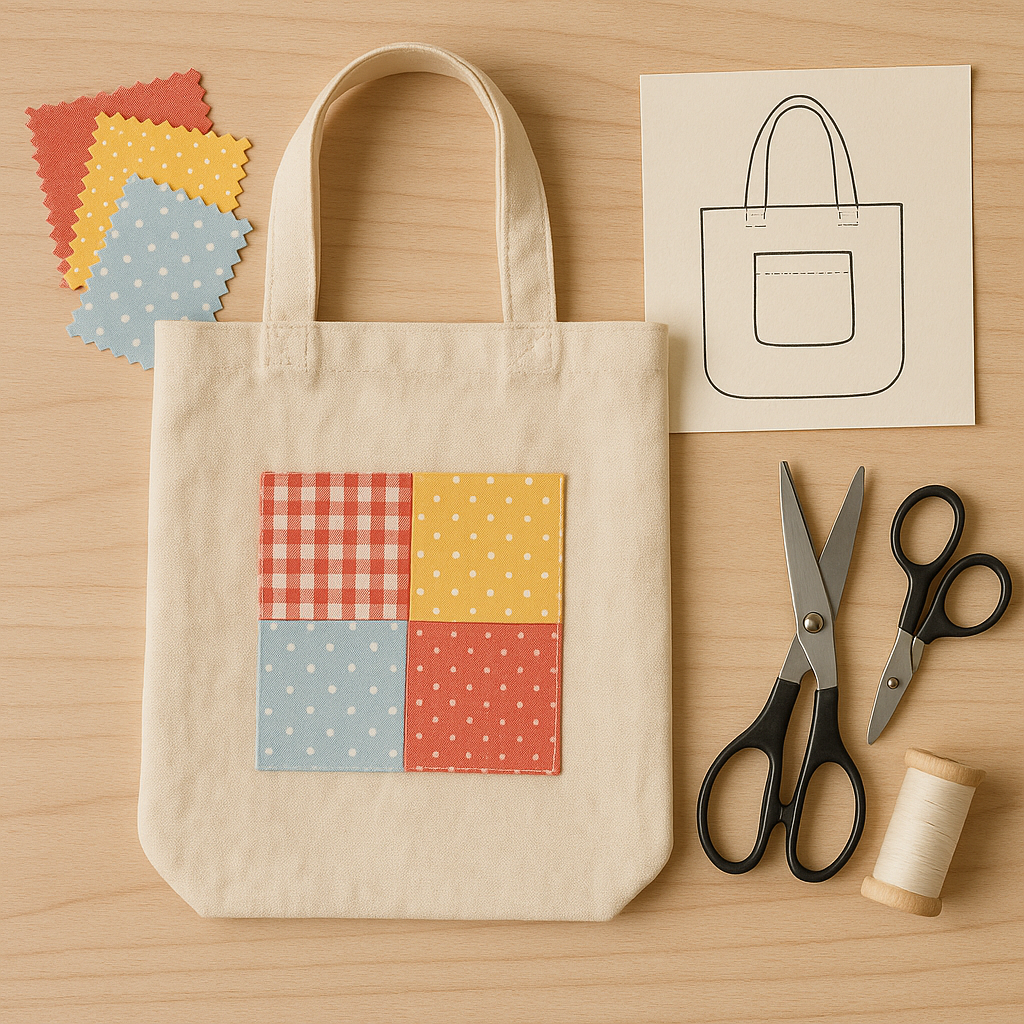
Simple projects with few pieces such as tote bags, fringe skirts, or pillow covers build confidence and practice fundamental skills.[source]
What’s Your Next Step?
Tell us in the comments: How will you apply this to your sewing journey? For personalized guidance, explore more courses and sewing tips on CreativiU to unlock your creative potential.
Leave a Reply