Everyone knows digital art courses can transform creativity and skill overnight.
But what makes a digital art course free truly valuable?
Here’s your complete cheatsheet to the best free digital art courses and how to use them to excel.
Some are expertly designed by top art institutions.
Some are self-paced, letting you learn on your own schedule.
Some include interactive community support to keep you motivated.
Some specialize in foundational skills like anatomy, color theory, and digital techniques.
Some offer tools and resources for digital art beginners with little to no upfront cost.
Let’s dive right in.
Why Choose a Digital Art Course Free to Start Your Artistic Journey?
Beginners and experienced artists alike understand the value of formal training in digital art—yet many hesitate due to cost.
Digital art courses free open the door for skill acquisition without the hefty price tag.
Access to these courses helps democratize art learning, which aligns perfectly with CreativiU’s mission: to empower creators through accessible, scientifically designed arts and crafts education.
By embarking on a free digital art course, you can:
- Test your dedication and interest without financial risk.
- Build foundational skills and confidence.
- Explore different styles and tools before committing to paid options.
- Engage with a community of learners and mentors to enrich your experience.
Many high-quality courses offered by acclaimed institutions like The Museum of Modern Art and universities are accessible for free or with financial aid, providing peer-reviewed content and assignments tailored for beginner to advanced levels.
How to Start Learning Digital Art Effectively with Free Courses
Diving into digital art can feel overwhelming with so many resources out there.
Here’s a crystal-clear approach:
- Clarify Your Goal. Pinpoint exactly what you want to achieve with digital art—whether it’s creating comics, concept art, illustration for games, or simple creative expression.
- Collect Learning Materials. Search YouTube, Coursera, and other platforms for courses and tutorials relevant to your target skill set.
- Organize Content by Difficulty. Start with beginner-friendly lessons on perspective, gesture drawing, and color theory before advancing.
- Create a Study Schedule. Using small, manageable goals keeps you motivated and avoids burnout.
- Document Your Progress. Keep sketches, works in progress, and reflections orderly so you can track improvement over time.
- Engage With Others. Join online art communities, forums, or Discord servers to share your work and receive constructive feedback.
This systematic approach mirrors the advice from successful self-taught artists who emphasize clear targets and deliberate practice over passive consumption of tutorials.
(Verified with sources as of 2025-09-21)
Free Digital Art Course Options You Should Know About
Finding the right course can be a game-changer. Here are some standout reliable platforms:
- Coursera: Offers free access to comprehensive art courses, including digital design and color theory, from top universities such as Michigan State University and The Museum of Modern Art (coursera.org).
- YouTube: Many professional artists share detailed lessons on drawing fundamentals, digital brushes, and techniques. For instance, Mark’s Learn Art on Your Own series breaks down self-taught strategies and essential fundamentals.
- Skillshare (Free trial available): Access specialized courses on digital art tools like Adobe Creative Cloud or Photoshop, which can be sampled for free during trial periods.
- Udemy (Free courses): Occasionally offers free or highly discounted digital art courses to learn specific techniques quickly.
Besides structured courses, free downloadable resources such as custom brushes or exercise sheets can enhance your learning experience.
If you’re looking to build your skills progressively, CreativiU’s structured approach focuses on skill mastery through engaging science-backed courses and community collaboration but starting with free resources is a smart, budget-friendly path.
What Essential Skills Are Covered in Digital Art Courses Free?
High-quality digital art courses, even free ones, usually cover the following pillars:
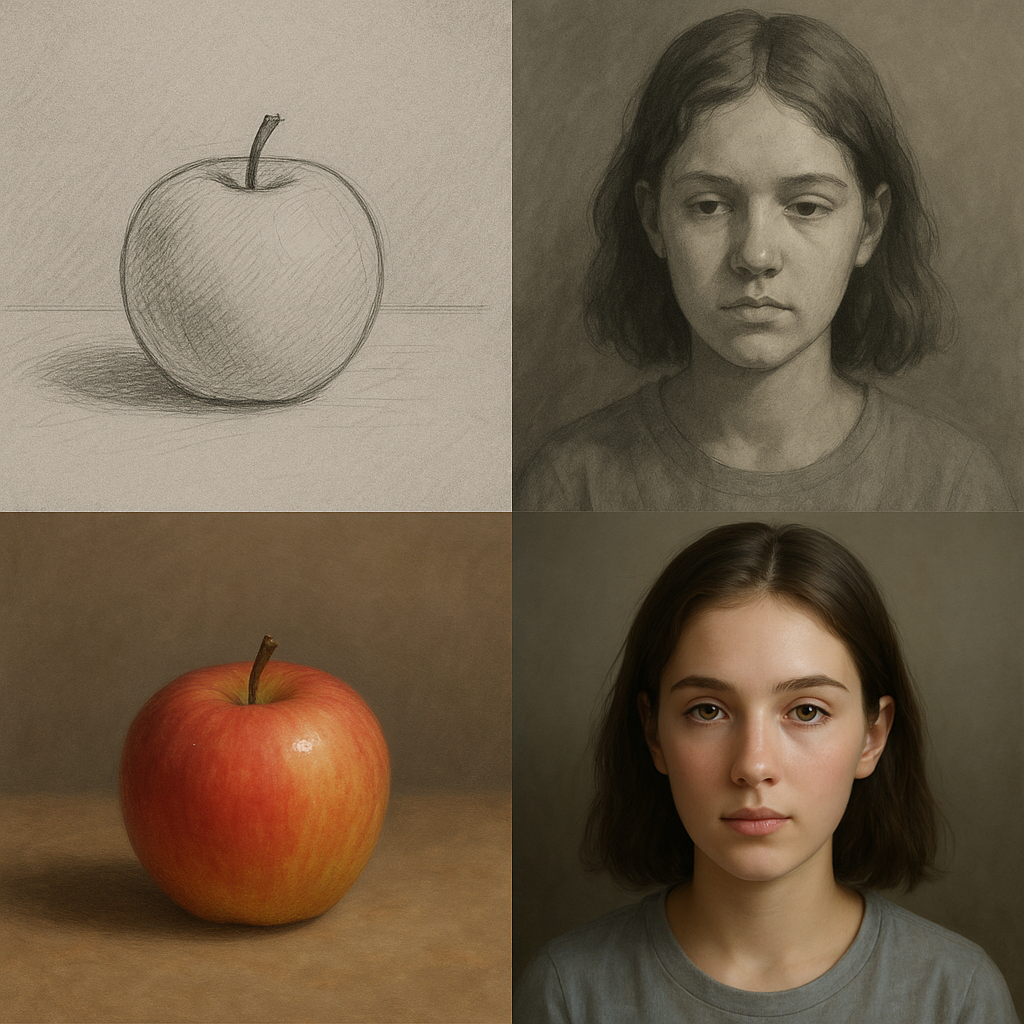
- Fundamentals of Drawing: This includes gesture drawing, perspective, anatomy, and construction—core to representing form accurately.
- Color Theory and Application: Learn about hues, saturation, contrast, and how to use color effectively to evoke emotion and depth.
- Software Proficiency: Guidance on popular digital art tools like Adobe Photoshop, Illustrator, and free alternatives helps you handle brushes, layers, and effects.
- Storytelling and Composition: Techniques to organize visual elements for narrative impact and viewer engagement.
- Creative Mindset and Self-Assessment: Many courses emphasize cultivating a growth mindset, self-critique, and deliberate practice strategies.
Mark, a professional artist and educator, emphasizes mastering these basics systematically to build competence and confidence quickly. He advises beginners to break large goals down into smaller achievable tasks to stay motivated and avoid overwhelm.
Common Pitfalls When Using Free Digital Art Courses and How to Overcome Them
While free courses are fantastic, some challenges arise:
- Lack of Structure: With so much material, it’s easy to get lost. Creating your own curriculum or following a recommended path prevents random, unfocused learning.
- Overwhelm: Expect the early awkward phase. As one artist put it, “Your first month drawing digitally will feel weird. You’ll have to relearn everything you thought you knew about lines.”
- Inconsistent Practice: Without accountability, many drop off. Joining communities or sharing progress regularly keeps momentum alive.
- Undo Addiction: Overusing undo can disrupt flow. Instead, focus on controlled marks and accept imperfection as part of growth.
- Not Setting Clear Goals: Without a compelling goal, motivation wanes. Keep your ‘why’ at the center of your workspace and revisit it daily.
Quick question: What goal keeps you motivated to create art every day?
Engaging with forums or participating in challenges can help overcome these common pitfalls. Plus, tracking your progress digitally or in a sketchbook will fuel your dopamine-driven motivation cycles.
Tools and Technology for Digital Art Learners
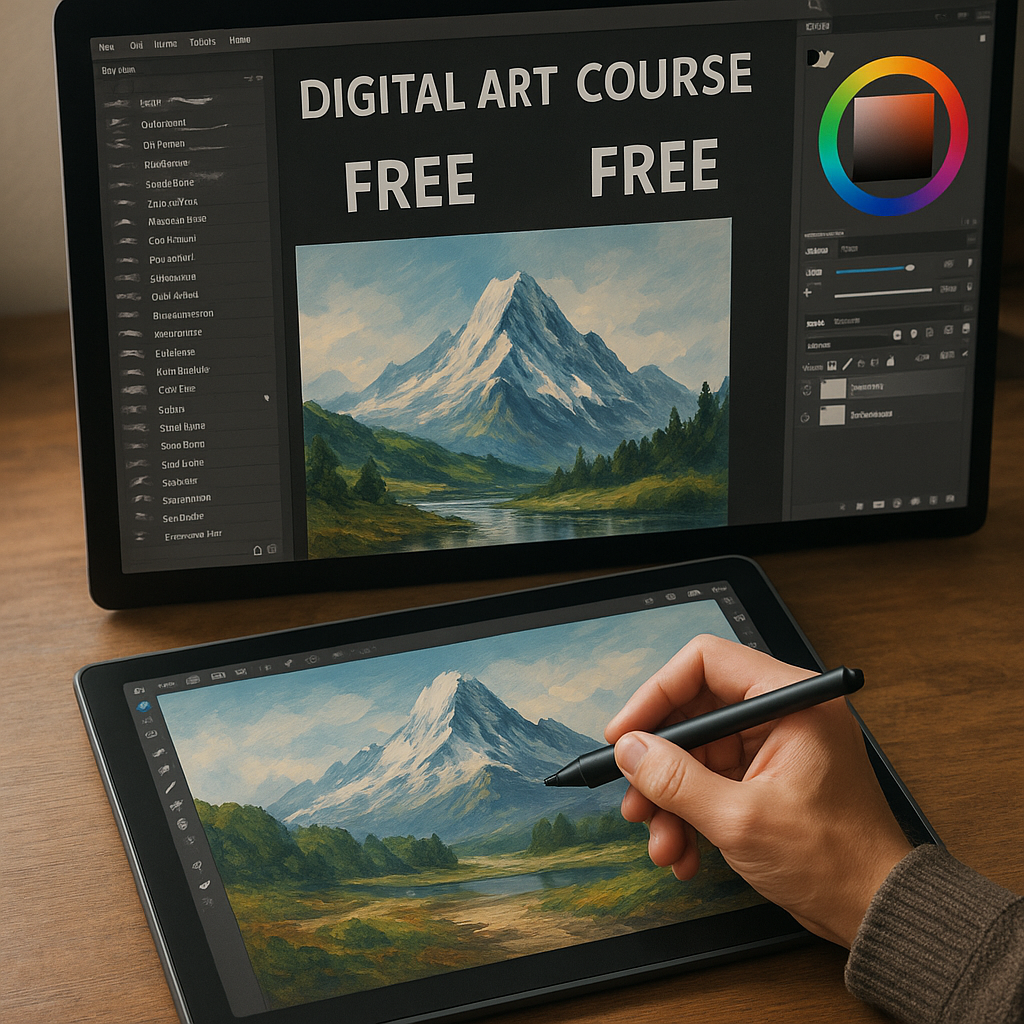
Free courses often emphasize accessible tools to lower the entry barrier.
Basic requirements include:
- A computer or tablet with compatible software.
- Popular free programs like Krita or Medibang Paint offer powerful drawing capabilities.
- Affordable or free brushes downloaded from artists or platforms.
- A graphics tablet can tremendously improve control though drawing with a mouse is possible.
Learning to use these tools effectively often forms a core part of beginner courses included in free digital art programs.
Remember the advice from professionals: Spend time setting up your workspace comfortably and learning shortcuts. Tools should empower your creativity, not bog it down.
How to Keep Motivated in Your Digital Art Journey
Building and maintaining motivation is the hardest part of self-education.
Here are some proven tactics:
- Visualize Your Future Success. Spend a few moments daily imagining completing your dream project or working professionally in digital art.
- Set Small Daily or Weekly Goals. For example, fill 10 pages of gesture sketches or complete a color study. Small wins boost confidence.
- Join a Community. Engaging with fellow artists for feedback and encouragement creates accountability.
- Accept Imperfection. Every expert was once a beginner who made a thousand imperfect lines.
- Track Your Progress. Keep an organized record to see how far you’ve come, helping you push through plateaus.
- Mix Fun with Fundamentals. Practice basics, but also create projects you love to keep enthusiasm alive.
As Mark, a self-taught pro artist, notes, the sweet spot with practice is to challenge yourself while avoiding burnout—it’s a tricky but rewarding balance.
Where to Go After Finishing a Free Digital Art Course?
Completing free courses is just the first step. Your creative journey can explode from here:
- Invest in Paid Courses if Possible. For advanced techniques with personal mentorship or certifications.
- Build a Portfolio. Collect your best work to showcase skills for freelance or job applications.
- Start Personal Projects. Experiment with styles, stories, and themes important to you.
- Consider Joining Art Communities. Online groups, local workshops, or classes deepen networking and learning.
- Continuously Learn. Digital art trends and software update constantly; stay curious and flexible.
Explore CreativiU’s extensive course offerings once ready to deepen your expertise and join a vibrant creative community. Find out more in our insightful piece on Mastering the Arts and Crafts of Problem Solving to boost your creativity skills alongside art.
Frequently Asked Questions About Digital Art Course Free
Can I become a professional digital artist using only free courses?
Yes. Many successful artists started with free resources. However, consistent practice, community feedback, and eventually specialized courses accelerate growth.
Which software should I start with for free digital art courses?
Free software like Krita, Medibang Paint, or Autodesk SketchBook are excellent for beginners. They offer versatile tools matching many paid alternatives.
How do I stay motivated to finish a digital art course free?
Set clear goals, track progress, and engage with art communities or peers. Reward yourself and embrace imperfection as part of learning.
Are there any workshops or live sessions included in free courses?
Some platforms offer live webinars or community-driven workshops. These enhance interaction beyond recorded content.
How can I get feedback on my digital art created from free courses?
Join online art communities, Discord servers, or forums dedicated to digital art practice. Sharing work regularly will invite valuable critique.
Final Thoughts About Unlocking Creativity with Digital Art Course Free
A free digital art course is your gateway to skill mastery and creative expression without upfront investment.
By setting clear goals, organizing learning materials, seeking community support, and embracing consistent practice, you can progress from novice to confident artist.
Remember, the journey is as meaningful as the destination. Stay curious, challenge yourself, and enjoy each digital stroke!
Start your adventure today and transform your creative potential into tangible art.
What’s Your Next Step?
Tell us in the comments: How will you apply this to your digital art course free journey? For personalized growth, explore our expert-led online offerings and enrich your creativity.
Leave a Reply