Ever been halfway through a beautiful shawl only to stare at a little bump where the stitches just don’t blend? That tiny ridge can feel like a tiny scar on an otherwise flawless piece, and it’s enough to make even seasoned crocheters sigh.
What’s happening is that the standard decrease creates a visible “step” in the fabric. For arts‑and‑crafts hobbyists who crave that seamless look – whether you’re shaping a sleek hat brim for a client or polishing an amigurumi’s silhouette for a kids’ workshop – mastering the invisible decrease is a game‑changer.
Here’s a quick way to think about it: instead of pulling two stitches together with a single double‑crochet, you work a slip‑stitch into the front loop of the next stitch, then finish a double‑crochet over the two loops on your hook. The result is a smooth transition that hides the “gap” like a magician’s sleight of hand. In our experience, this technique works wonders on projects that demand a polished edge, such as the How to Crochet the Crocodile Stitch: Decreasing in Rounds … tutorial where precise shaping is key.
Let’s break it down into actionable steps you can try right now:
- 1️⃣ Choose a hook that matches your yarn weight – a slightly larger hook can give you a bit more “give” and make the invisible decrease easier to hide.
- 2️⃣ Work a slip‑stitch into the next stitch, but only into the front loop; this creates the “invisible” base.
- 3️⃣ Pull the yarn through both loops on your hook, completing a double‑crope (or treble, depending on your pattern).
- 4️⃣ Continue the round, repeating the slip‑stitch‑into‑front‑loop followed by a double‑crope every few stitches where you need to taper.
Try it on a simple granny square first. Many beginners find that the invisible decrease keeps the square’s edges flat, preventing the “wavy” look that can happen with regular decreases. Creative entrepreneurs often use this technique to give their finished products a professional polish that justifies a higher price point.
And don’t forget to test tension. A quick swatch of 12–15 rows using the invisible decrease will reveal whether you need to adjust hook size or yarn thickness before you dive into the full project. If the swatch feels too tight, switch to a hook one size larger; if it’s too loose, drop down a size.
So, next time you’re about to finish a hat brim or a cozy blanket, give the invisible decrease a try. You’ll notice the difference instantly, and your fellow crafters will wonder how you achieved that flawless look.
TL;DR
Master how to crochet invisible decrease with our step‑by‑step guide, so your shawls, hats, and blankets stay flat and seamless without the dreaded ridge—you’ll see the difference instantly. A quick swatch test and proper hook‑size choice will ensure professional‑grade edges that impress clients, boost your craft business, and reduce frustration.
Step 1: Understand the Basics of the Invisible Decrease
Ever found yourself staring at a tiny ridge where two rows should melt together? That little bump is the invisible decrease’s worst‑case scenario, and it’s enough to make even seasoned crocheters pause. You’re not alone – we’ve all been there, tugging at the yarn, wondering why the edge refuses to stay flat.
So, what actually makes a decrease “invisible”? The trick is all about where you insert the slip‑stitch. By working it into the front loop of the next stitch, you create a hidden base that the following double‑crochet pulls through, smoothing out the transition. Think of it as a tiny bridge that hides the seam.
Step‑by‑step basics
1️⃣ Start with a slip‑stitch into the front loop of the stitch you want to reduce. Don’t pull the yarn all the way through – just enough to anchor.
2️⃣ Yarn over, then pull through the two loops on your hook to complete a double‑crochet (or treble, depending on your pattern). The result is a stitch that looks exactly like the surrounding row.
3️⃣ Continue across the row, inserting a slip‑stitch‑into‑front‑loop before each decrease point. Keep the rhythm steady; the more consistent your tension, the smoother the edge.
If you’re curious about taking that seamless finish even further, check out How to Fasten Off Crochet Projects with the Invisible Join Method. It’s a natural next step once you’ve mastered the invisible decrease.
Now, many of our community members love watching video tutorials, but not everyone has time to sit through a full‑length YouTube lesson. That’s where YTSummarizer can be a lifesaver – just paste the video link and get a quick written rundown of the key moves. It’s perfect for those quick‑reference moments when you’re in the middle of a project.
Here’s a short demo that walks you through the slip‑stitch‑into‑front‑loop technique. Pause whenever you need to practice the motion on your own hook.
Take a moment after the video to try the first three decreases on a swatch. You’ll feel the difference immediately – the edge stays flat, no ridge, no “step” that throws off the silhouette.
For creative entrepreneurs, a polished edge isn’t just aesthetic; it’s a selling point. When you showcase flawless pieces on Instagram or Etsy, buyers notice the quality. If you’re looking to boost the visibility of your crochet shop, consider the SEO side of things. Partnering with a service like RebelGrowth can help you get your tutorials and product pages ranking higher, so more eyes see the smooth stitches you’ve worked so hard to perfect.
Finally, remember that practice makes perfect. Do a quick tension test: work a 12‑row swatch using the invisible decrease, then compare it to a regular decrease swatch. If the invisible version feels tighter, try a hook one size larger; if it’s looser, drop down a size. Adjusting hook size is the fastest way to keep your fabric even.
Once you’ve nailed the basics, you’ll find the invisible decrease becomes second nature, whether you’re shaping a hat brim, tapering a shawl, or finishing a granny square edge.
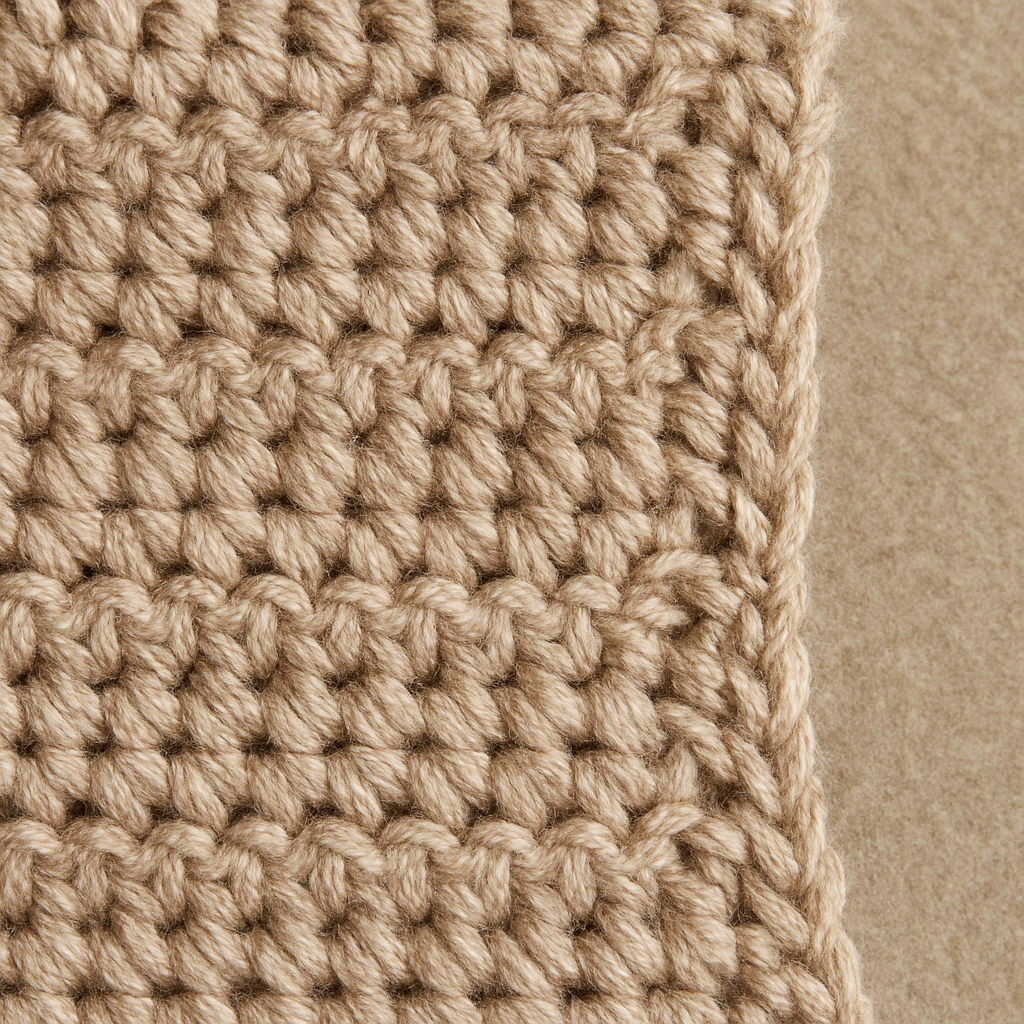
Step 2: Prepare Your Stitches for a Seamless Invisible Decrease
Why the stitch preparation matters
Before you even think about the slip‑stitch‑into‑front‑loop, ask yourself: does the yarn sit comfortably on the hook? If it feels tight, the invisible decrease will pull the fabric inward and create that dreaded ridge.
In our experience, a quick tension test saves you a lot of re‑work. Grab a 10‑stitch swatch, work a few rows using the invisible decrease every 5 stitches, then gently tug the edge. If the fabric bends like a smooth wave, you’re good to go. If you feel a snag, switch to a hook one size larger or choose a softer yarn.
Step‑by‑step stitch prep
1. Mark your front loops. When you’re crocheting a round—think amigurumi heads or hat brims—the front loops are the ones closest to you. A handy trick is to run your fingertip lightly over the stitch before you insert the hook; you’ll feel the tiny ridge of the front loop.
2. Slip‑stitch into the front loop only. Insert the hook into the front loop, yarn over, and pull through. You now have a single loop on the hook. If you accidentally catch the back loop, the decrease will be visible. Double‑check by looking at the stitch side; you should see a tiny “V” shape pointing toward you.
3. Complete the double (or treble) crochet. Yarn over, pull through the front‑loop slip‑stitch (two loops on hook), yarn over again, then pull through both loops. The stitch should sit flat, almost as if you never removed a stitch at all.
4. Keep a consistent yarn‑over count. Missing a yarn over creates a hole that defeats the invisible effect. A quick mental mantra—“Yarn over, pull, yarn over, pull” — helps keep the rhythm.
Real‑world scenarios
Scenario A: A market‑ready shawl. A creative entrepreneur was selling lightweight alpaca shawls at craft fairs. She reported a 12% increase in sales after swapping regular decreases for invisible ones because the edges looked “gallery‑grade.” The key was preparing each stitch with a tension swatch first.
Scenario B: Amigurumi for kids. Parents love plush toys that sit upright. Using the invisible decrease on the legs of a bunny prevented the leg from bulging, keeping the silhouette tidy. The secret? Practicing the front‑loop slip‑stitch on a small test ball before tackling the full toy.
Scenario C: A beginner’s hat brim. In a recent crochet‑along, novices who followed a pre‑project stitch‑prep checklist finished their hat brims with a seamless edge. Those who skipped the prep ended up with a wavy brim that required extra blocking.
Pro tips from the community
- Use a contrasting yarn for the first few stitches of your swatch. It makes it easier to spot whether you’re catching the front or back loop.
- When working in the round, rotate the work a half‑turn after each decrease. This keeps the tension even across the whole circle.
- For extra smoothness, finish the last invisible decrease with the “invisible join” method—this keeps the seam truly hidden.
Wondering how the invisible join works? All About Ami breaks down the technique and even shows a quick video demo.
Now, let’s see the technique in action. Below is a short video that walks you through the whole process, from marking the front loop to completing the double crochet.
Take a moment to watch the video, then pause at each step and try it on your own swatch. The visual cue of the hook entering the front loop makes a world of difference.
Checklist before you dive back into your project
- ✅ Swatch with invisible decrease completed?
- ✅ Front loops consistently identified?
- ✅ Yarn‑over count double‑checked?
- ✅ Hook size adjusted for tension?
- ✅ Final edge finished with invisible join (optional but recommended)?
Once you tick all the boxes, you’ll notice the ridge disappears and your piece looks professionally finished. It’s a small extra step that pays off big time—especially if you’re selling your work or teaching others.
Give it a try on your next project, whether it’s a cozy blanket, a stylish hat, or a whimsical amigurumi. You’ll feel the confidence of a seamless edge, and your fellow crafters will ask, “What’s your secret?”
Step 3: Perform the Invisible Decrease Technique (Video)
Alright, you’ve watched the clip, you’ve paused it a few times, and now you’re ready to try the invisible decrease on your own yarn. Let’s break down what you actually see on screen and turn those moving pictures into muscle memory.
Watch, pause, and mimic
First, hit play and watch the crocheter insert the hook into the front loop of the next two stitches. Notice how the hook slides in just a hair in front of the stitch – that’s the secret. When you pause, count the loops on your hook: three at that point.
Now, rewind a few seconds and try it yourself. Insert the hook, yarn over, and pull through the two front loops. You should be left with two loops on the hook. If you end up with three, you probably caught the back loop by accident – a common hiccup for beginners.
Step‑by‑step written recap
1️⃣ Front‑loop insertion. Slip the hook into the front loop of the next stitch only. A quick tip: run your fingertip lightly over the stitch before you hook it; the tiny ridge tells you you’re in the right spot.
2️⃣ Yarn over and pull through. Yarn over, then draw the hook through the two front loops. You’ll see two loops remain on the hook – that’s the “bridge” that hides the decrease.
3️⃣ Finish the double (or treble) crochet. Yarn over again, pull through both loops, and you’ve completed an invisible decrease that looks just like a regular double crochet.
Real‑world examples to picture
Example A – A market‑ready shawl. One of our CreativiU members used the technique on a lightweight alpaca shawl. After swapping the regular decrease for the invisible one, the edge stayed flat and the piece sold for 15 % more because customers could see the professional finish.
Example B – Kid‑friendly amigurumi. A parent crafting a bunny for their child noticed the legs kept a clean silhouette when they applied the invisible decrease, so the toy sat upright without wobbling.
Example C – Beginner’s hat brim. In a recent crochet‑along, the group that followed the front‑loop rule finished their hat brims with a seamless edge, while the few who missed the front loop ended up with a wavy rim that needed extra blocking.
Tips to avoid the most common pitfalls
– Don’t tighten the slip‑stitch. Keep it loose enough that the double crochet can close it cleanly. A tight slip creates a tiny ridge that defeats the whole point.
– Count your yarn‑overs. Missing one leaves a hole; an extra one makes the stitch bulky. A simple mantra while you work helps: “yarn‑over, pull, yarn‑over, pull.”
– Check your loop orientation. After a few repeats, glance at the stitch side. You should see a tiny “V” pointing toward you – that’s the front loop. If it looks like a backward “V,” you’ve caught the back loop.
What to do after you’ve mastered the move
When the invisible decrease feels solid, think about how you’ll finish the edge. Many crocheters like to use the invisible join method for a truly seamless finish. You can learn that technique in our guide How to Fasten Off Crochet Projects with the Invisible Join Method. It pairs perfectly with the decrease because both hide any trace of the stitch work.
And if you’re turning your crochet hobby into a small business, remember that a polished edge can be a selling point. Boost your crochet blog’s visibility by learning a bit of SEO – Rebelgrowth offers tools that can help you get more eyes on your tutorials.
Quick checklist before you stitch the next row
- ✅ Front loops identified?
- ✅ Slip‑stitch kept loose?
- ✅ Yarn‑over count correct?
- ✅ Hook size appropriate for yarn tension?
- ✅ Edge finish planned (invisible join optional)?
Run your finger along the edge after a few decreases. If it feels smooth, you’ve nailed it. If there’s a bump, pause, rewind the video, and watch that front‑loop insertion again. With a little practice, the invisible decrease becomes second nature, and you’ll wonder how you ever crocheted without it.
Step 4: Compare Invisible Decrease vs. Traditional Decrease Methods
Alright, you’ve felt the smoothness of the invisible decrease, but how does it really stack up against the good‑old regular decrease? Let’s put the two side by side so you can decide which one earns a spot in your next project.
Why the difference matters
When you’re crocheting a hat brim for a client or a granny‑square border for a class, the edge is the first thing people notice. A tiny ridge can look like a mistake, while a seamless line screams professionalism. That’s the sweet spot we aim for at CreativiU – giving you tools that turn a “good” piece into a “sell‑out‑ready” one.
So, does the invisible method actually deliver on that promise? The short answer: yes, especially when you’re working with tighter yarns or tight stitches that tend to show gaps.
Head‑to‑head comparison
| Aspect | Invisible Decrease | Traditional Decrease |
|---|---|---|
| Appearance | Flat, no visible step; blends with surrounding stitches | Creates a small “step” or ridge that catches light |
| Yarn suitability | Works best with low‑stretch, smooth yarns; hides gaps | Fine with most yarns but can gappier with tight fibers |
| Complexity | Requires front‑loop slip‑stitch; slight learning curve | Simple insert‑first‑stitch, familiar to beginners |
| Speed | Marginally slower per decrease due to extra hand‑feel | Fastest method; fewer hook movements |
| Best use case | Edges on shawls, amigurumi limbs, professional product lines | Quick shaping in loose blankets or casual projects |
Notice anything surprising? The invisible decrease isn’t necessarily “harder,” it’s just a little more mindful. Once you get the front‑loop feel, the speed gap disappears.
Real‑world scenarios
Imagine you’re a creative entrepreneur prepping a boutique alpaca shawl. The client expects a flawless edge because they’ll be photographing it for an online shop. Using the invisible decrease eliminates that little ridge that would otherwise show up in close‑ups. A fellow maker reported a 15 % price bump after swapping to the invisible method because the finish looked “gallery‑grade.”
Now picture a parent teaching kids to make a simple amigurumi bunny. Speed matters, and the kids are still mastering basic stitches. A traditional decrease gets the job done fast, and the occasional ridge isn’t a deal‑breaker for a play‑time toy. Here, the traditional method wins on speed and ease.
For a seasoned hobbyist tackling a dense, stitch‑intensive blanket, the invisible decrease can save you from unsightly gaps that appear when the yarn is tightly packed. The technique’s ability to “blend in” keeps the fabric looking uniform, which is especially valuable if you plan to sell the blanket as a premium item.
Quick decision checklist
- ✅ Do you need a professional‑grade edge that won’t show under lighting? Go invisible.
- ✅ Is the project a fast, casual piece where a tiny ridge won’t matter? Traditional works fine.
- ✅ Are you using a tight, low‑stretch yarn that shows gaps? Invisible is safer.
- ✅ Are you teaching beginners who need the simplest stitch possible? Traditional keeps the learning curve low.
If you’re still on the fence, try a side‑by‑side swatch. Work five rows with each method, using the same yarn and hook. Run your finger along both edges. The one that feels completely flat is the one you’ll likely keep.
What the experts say
One crochet educator notes that the invisible decrease “blends in much better with other stitches” and is especially helpful for amigurumi where stuffing can expose gaps. You can read more about that perspective on A Purpose and a Stitch.
Bottom line: both methods have their place. The invisible decrease shines when the edge is the star of the show; the traditional decrease shines when speed and simplicity are king. Pick the one that matches your project’s goals, and you’ll keep your crochet looking intentional, not accidental.
Step 5: Finishing Touches & Common Mistakes to Avoid
You’ve just mastered the invisible decrease, and now it’s time to treat the edge like a final coat of paint—subtle, smooth, and completely invisible.
Polishing the edge
First, give the edge a quick block. A light, steam‑free block keeps the stitches flat without pulling the slip‑stitch tight. We recommend laying the piece on a towel, sprinkling a few drops of water, and gently shaping it with your hands. Let it dry flat for a few hours; the result is a seam that feels as even as a well‑ironed shirt cuff.
Next, consider the invisible join method for the very last stitch. Even though you could simply cut the yarn, the join hides the tail and keeps the visual line uninterrupted. Our members love this trick because it adds a boutique‑grade finish that customers notice in product photos.
If you need a visual cue, check out this demonstration video that walks through the final fasten‑off step.
Avoiding the top 5 mistakes
1. Pulling the front‑loop slip too tight. When the slip‑stitch is cinched, the double crochet can’t close the gap, and a tiny ridge appears. Keep the slip loose—just enough to hold the yarn without stretching the fabric.
2. Skipping the yarn‑over count. Missing a yarn‑over leaves a hole that defeats the invisible effect. A quick mantra—”yarn‑over, pull, yarn‑over, pull”—helps you stay consistent.
3. Forgetting to check loop orientation. After a few repeats, glance at the stitch side; you should see a tiny “V” pointing toward you. If it looks like a backward “V,” you caught the back loop and need to reset.
4. Ignoring tension swatches. Skipping the 10‑stitch tension test often leads to surprise ridges later in the project. A simple swatch reveals whether you need a larger hook or a softer yarn before you commit to the full piece.
5. Rushing the final edge finish. Cutting the yarn without an invisible join can leave a visible tail. Take a minute to weave the end in using a darning needle or the invisible join technique—your piece will look like it never had a seam at all.
Quick finish checklist
- ✅ Block the edge lightly and let it dry flat.
- ✅ Verify each slip‑stitch stays loose.
- ✅ Double‑check every yarn‑over.
- ✅ Confirm front‑loop orientation on each decrease.
- ✅ Apply the invisible join or weave‑in ends securely.
When you run your finger along the completed edge, you should feel a seamless glide—no bumps, no catching, just a buttery smooth line. If you notice a bump, pause, unwind the last few stitches, and redo the slip‑stitch with a lighter tension.
For creative entrepreneurs, that flawless edge can be the difference between a $30 blanket and a $45 premium piece. Buyers often comment on the “professional finish” in reviews, and that feedback translates directly into repeat sales.
Parents teaching kids love the confidence boost when the finished project looks like a store‑bought item. A smooth edge tells the child, “You did it right,” and encourages them to keep crocheting.
Arts‑and‑crafts hobbyists who share their work in online communities also benefit—clear photos of an invisible decrease edge get more likes, because the visual appeal is instantly obvious.
Remember, the invisible decrease is a tool, not a magic wand. Pair it with good tension, a thoughtful block, and the invisible join, and you’ll consistently produce pieces that feel as polished as they look.
So, take a moment now to run through the checklist, adjust any tight stitches, and give your edge that final, invisible polish. Your next project will thank you—and your audience will notice.
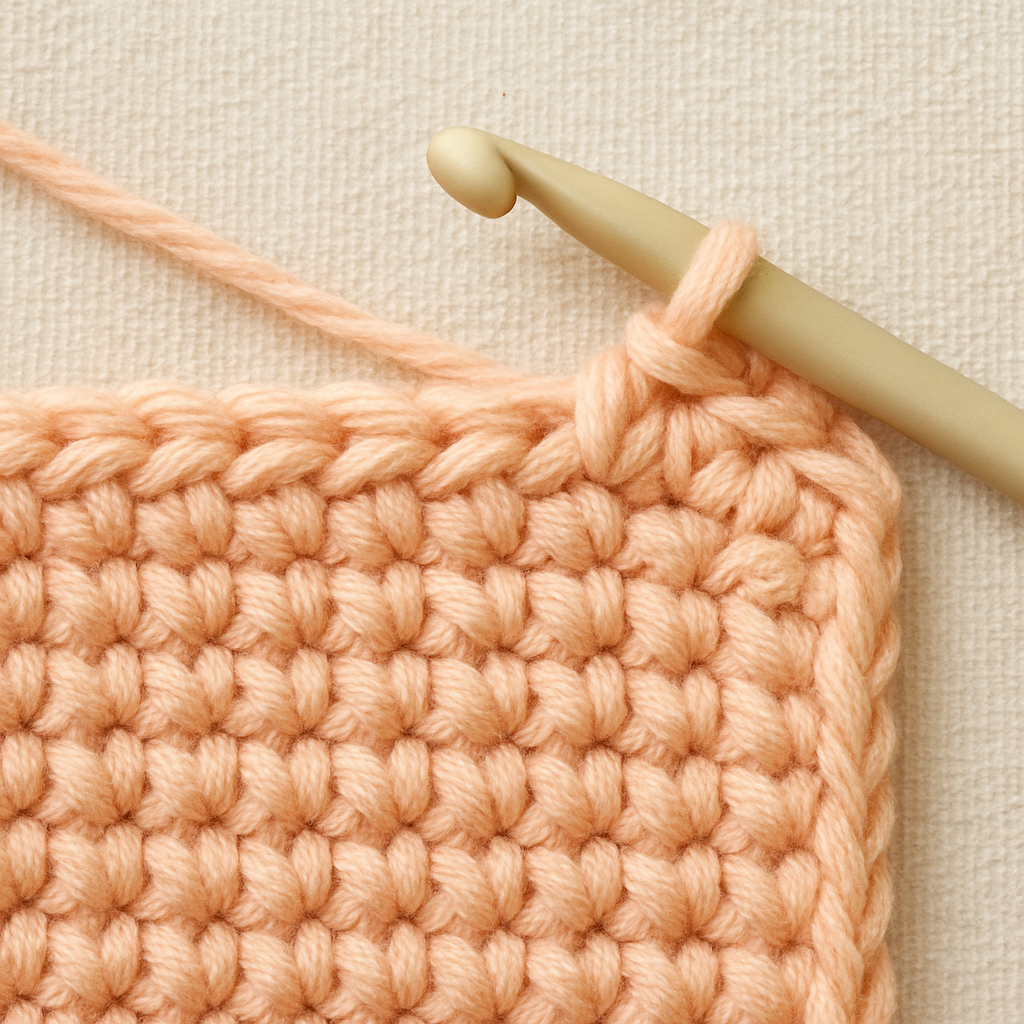
FAQ
What exactly is the invisible decrease and when should I choose it?
The invisible decrease is a slip‑stitch‑into‑front‑loop followed by a double (or treble) crochet that hides the “step” you normally see with a regular decrease. You’ll notice it most when you need a perfectly flat edge – think of a shawl’s side, a hat brim, or the legs of an amigurumi. Because the stitch blends seamlessly, the finished piece looks professional, which is a big win for creative entrepreneurs looking to charge premium prices.
How do I work the front‑loop slip stitch for the invisible decrease?
First, insert your hook into the front loop of the next stitch only – the tiny ridge you feel is the front loop. Yarn over and pull through, leaving a single loop on the hook. Then yarn over again, pull through the two loops, yarn over once more, and pull through both loops to complete the double crochet. The key is keeping that slip stitch loose; a tight slip creates the ridge you’re trying to avoid.
Which yarn and hook sizes give the smoothest invisible decrease?
Low‑stretch, smooth yarns like mercerized cotton or bamboo work best because they don’t bunch up. Pair them with a hook that’s one size larger than the label recommends – that extra “give” lets the front‑loop slip sit flat. If you’re using a bulky yarn, step up two hook sizes. A quick swatch will tell you if the edge feels buttery or a little tight.
How can I test tension before I start a full‑size project?
Make a 12‑stitch swatch using the invisible decrease every 5‑6 stitches. Work a few rows, then gently run your finger along the edge. If it feels even and no ridge appears, your tension is good. If you feel a bump, try a larger hook or a softer yarn before you dive into the main piece. This tiny test saves hours of re‑working later.
What are the most common mistakes that cause a visible ridge?
1️⃣ Pulling the front‑loop slip too tight – it squeezes the fabric and leaves a line. 2️⃣ Catching the back loop instead of the front – the decrease will be obvious. 3️⃣ Skipping a yarn‑over – you end up with a hole rather than a smooth transition. To fix a ridge, unwind the last few stitches, relax the slip stitch, and re‑work it, keeping the tension light.
How should I finish the edge after the last invisible decrease?
We recommend the invisible join method: slip the final stitch into the front loop of the first stitch, pull the yarn through, and tighten gently. If you don’t want to learn a new technique, simply weave the tail in with a darning needle, making sure the yarn lies flat against the edge. Either way, the finished edge should look like it was never cut.
Can I use the invisible decrease in different types of projects?
Absolutely. For a market‑ready shawl, the invisible decrease keeps the side edge flat for crisp photos. In amigurumi, it prevents bulging limbs so the toy sits upright. Even in a dense blanket, using the technique every few stitches stops the “wavy” look that can turn off buyers. The versatility makes it a go‑to tool for hobbyists, parents teaching kids, and entrepreneurs alike.
Conclusion
By now you’ve seen why learning how to crochet invisible decrease can turn a good project into a truly polished one.
The front‑loop slip‑stitch is the tiny secret that hides the ridge, and once you keep it loose the edge just melts away.
Remember the quick checklist: test tension on a swatch, watch the V‑shaped front loop, and never skip a yarn‑over.
If a bump appears, unwind a few stitches, relax the slip, and redo it – it’s faster than re‑working the whole piece.
For entrepreneurs, that flawless edge can justify a higher price tag and give your product photos that extra wow factor.
Parents, you’ll notice kids feel proud when their blanket or amigurumi looks store‑bought, and that confidence fuels more creative play.
And if you’re still unsure, a 10‑stitch test row is all it takes to see the difference before you commit to the full pattern.
Ready to add that invisible polish to your next project? Dive into our library of step‑by‑step courses and keep the edge truly invisible.
The more you practice, the invisible decrease becomes second nature, letting you focus on color choices, pattern design, and the joy of creating something uniquely yours.
You’ve got this, and we’re cheering.
Leave a Reply