Ever stared at a skein of yarn and thought, “I could totally make a beanie, but where do I even start?” Yeah, I’ve been there – the excitement of a fresh project collides with the fear of the unknown. The good news? Crocheting a beanie is one of the friendliest gateways into the world of yarn, and you don’t need a mountain of experience to pull it off.
First, picture this: you’re curled up on the couch, a warm cup of tea in hand, and the only thing missing is that snug, handmade hat you’ve seen on Instagram. That feeling of pride when you slip on a beanie you crocheted yourself? It’s priceless. And the best part is, the steps are simple enough that even if you’ve only mastered the single crochet, you’ll be ready to finish a cozy headpiece in an afternoon.
Here’s how we break it down. Start with the basics – choose a medium‑weight yarn (worsted weight works wonders for beginners) and a size H‑8 (5 mm) hook. If you’re not sure which yarn or hook to grab, The Ultimate Guide to Yarn Weights and Crochet Hook Sizes walks you through the perfect pairings, so you won’t waste time guessing.
Next, cast on a magic ring and work your way into the ribbed cuff. Many newcomers get stuck on counting stitches, so I recommend using a stitch marker after every 10 stitches – it’s like a tiny breadcrumb trail you can follow later. Once you’ve got a firm cuff, switch to half‑double crochet for the body. Keep the rounds even, and you’ll see the hat start to take shape like a snowball growing bigger.
Real‑world example: Sarah, a busy mom, finished her first beanie in just 90 minutes while her toddler napped. She used a soft acrylic yarn, followed the simple round‑by‑round guide, and added a pom‑pom for flair. The result? A stylish, wash‑friendly hat that kept her kid warm on a chilly walk.
Actionable tip: after the body, taper the crown by decreasing 2 stitches every other round. It may sound intimidating, but think of it as gently shrinking a sweater’s neckline – you’ll get a neat, snug finish without any holes.
So, if you’re ready to turn that ball of yarn into a wearable piece of art, grab your hook, follow the steps, and enjoy the satisfaction of creating something both functional and beautiful. Let’s dive in and make that beanie happen!
TL;DR
If you’ve ever stared at a yarn ball wondering how to crochet a beanie for beginners, this guide strips away the overwhelm, walking you through choosing yarn, mastering the magic ring, shaping the cuff, and tapering the crown—all in a friendly, step‑by‑step style.
By the end you’ll have a snug, handmade hat you can proudly wear or gift, plus quick tips to avoid common slip‑ups and keep the project enjoyable.
Step 1: Gather Materials and Tools
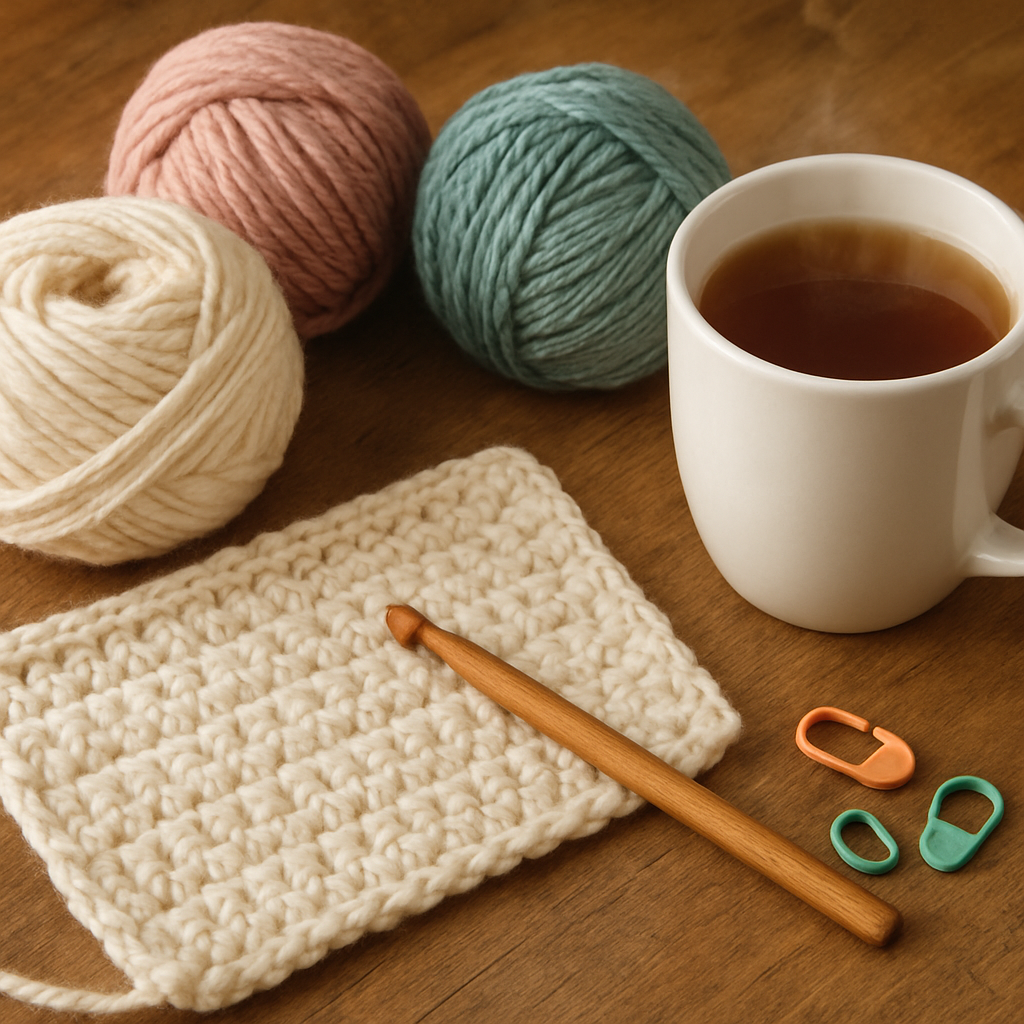
Before you even think about the magic ring, you need to make sure the right stuff is sitting on your table. Trust me, rummaging through a drawer of mismatched yarn and a bent hook mid‑project is the fastest way to lose motivation.
First thing’s first: yarn. For a beginner’s beanie, a medium‑weight (worsted) yarn is the sweet spot – it’s cheap, easy to handle, and works nicely with a standard H‑8 (5 mm) hook. Acrylic and cotton are the most wallet‑friendly choices, and both usually survive a machine wash (just double‑check the label). If you’re not sure which yarn to grab, Crochet Along: Add a Brim to any Hat with Single Crochet walks you through picking a yarn that gives the right drape for a beanie.
Next up, the hook. Hooks come in aluminum, plastic, bamboo, and ergonomic designs. Aluminum is cheap and durable, but if you’ve ever felt hand fatigue after a few rounds, an ergonomic hook with a soft grip can be a game‑changer. The rule of thumb: match the hook size to the yarn’s recommendation – a 5 mm hook for worsted weight, a larger 6–8 mm hook if you decide to go bulky.
Essential accessories
While you can technically crochet with just yarn and a hook, a few extra tools will make the whole experience smoother:
- Stitch markers: Slip one on every 10 stitches as you work the cuff. They act like breadcrumbs, so you never lose your place.
- Tapestry needle: You’ll need this to weave in ends and close the crown neatly.
- Scissors: A small pair that cuts cleanly without pulling yarn.
- Yarn bowl or bag: Keeps the skein from rolling around and tangling.
Even a simple yarn winder can turn a bulky skein into a tidy “cake” that’s easier to pull from. It’s a tiny investment that pays off in minutes of frustration saved.
Real‑world example: Maya, a college student juggling classes, bought a $5 bamboo hook, a skein of acrylic worsted yarn, and a set of plastic stitch markers. She set everything up on her dorm desk, and within an hour she had a solid cuff ready to grow. Her secret? She kept the yarn bowl on the edge of the desk so the ball didn’t roll off when she reached for the hook.
Checking your supplies
Before you dive in, do a quick sanity check:
- Pull a length of yarn through the hook. The loop should slide smoothly; if it catches, try a different hook material.
- Count the stitches on a sample swatch (e.g., 20 single crochets). If the gauge is wildly off, you might need a different yarn weight or hook size.
- Test the stitch markers by snapping them onto a few stitches. They should stay put without slipping.
If anything feels off, pause and swap the piece that’s giving you trouble. It’s far easier to fix a mistake now than halfway through a beanie.
Pro tip: keep a small notebook or your phone’s notes app handy. Jot down the yarn brand, hook size, and any adjustments you make. When you finish the beanie, you’ll have a quick reference for the next project.
And if you ever wonder how technology can streamline your crafting workflow, there are platforms that help you organize patterns, track material inventories, and even set reminders for when a project is due. Executive technology leadership services can show you how to integrate these tools into a creative business, but that’s a whole other conversation.
Now that you’ve gathered yarn, hook, and accessories, you’re ready to move on to the magic ring. Remember, the more comfortable you are with your tools, the more enjoyable the whole beanie‑making journey will be.
Step 2: Cast On and Create the Ribbed Brim
Alright, we’ve got our magic ring ready, so it’s time to give that beanie a snug, stretchy edge. The ribbed brim is the part that holds the hat on your head without slipping, and it’s also where you can start playing with texture.
Why a ribbed brim matters
Think of the brim as the handshake between you and the hat. A tight, even rib keeps the hat from sliding off when you jog for the bus, but it’s still soft enough to feel like a gentle hug. Beginners love it because the stitch pattern repeats every two rows, so you won’t get lost counting.
Step‑by‑step: casting on the ribbed brim
1. Chain 10 (or any multiple of 2). This chain becomes the foundation of your ribbed edge. If you’re using worsted weight yarn, a 5 mm hook works great.
2. Slip stitch into the first chain to form a ring. Pull the tail snug but don’t overtighten; you want a little give.
3. Round 1 – single crochet (sc) into each chain. You’ll have 10 sc stitches. Slip a stitch marker on the last stitch so you know where the round ends.
4. Round 2 – double crochet (dc) into each stitch. This creates the “rib” effect: sc followed by dc repeats give that stretchy look.
5. Repeat rounds 1 and 2 until the brim measures about 1‑1.5 inches (2.5‑4 cm) tall. Most beanies look best with a 4‑row rib, but you can add another pair if you want extra cushioning.
6. Join the round with a slip stitch to the first sc of round 1. Keep the tension even; if the edge looks puckered, gently pull the tail to even it out.
Real‑world examples
Emma, a college sophomore, used a chunky acrylic yarn and a 6 mm hook. She counted 12 chains instead of 10 because the yarn was bulkier, and her ribbed brim ended up a little wider – perfect for a slouchy beanie look. She loved how the rib gave the hat a “grown‑up” finish without extra effort.
Mark, a retiree who crochets for his grandkids, prefers a tighter rib. He adds a third row of half‑double crochet (hdc) before the next sc row, which makes the brim almost elastic. He says it’s the reason his beanies stay on his grandson’s head during playground runs.
Tips & tricks
– Use stitch markers every 5 stitches if you’re nervous about losing your place. It’s like a breadcrumb trail for your fingers.
– Keep tension consistent. If the first round feels too loose, you’ll notice it later when the hat slips.
– Try a single‑crochet brim variation by working only sc rows. It looks denser and is great for colder climates. If you want to experiment with a wire brim, check out Crochet Along: Add a Brim to any Hat with Single Crochet for a step‑by‑step guide.
Here’s a quick visual reference: ribbed stitch demonstration shows the sc‑then‑dc rhythm in action.
Now that the brim is set, you’re ready to transition into the body of the hat. The next step will feel like watching a snowball grow – each round adds a little more volume.
Take a moment to admire the edge you just created. Does it feel firm enough? If it’s a bit loose, pull the tail gently and re‑slip stitch to tighten. If it’s too tight, pull a few stitches apart and re‑join. Small adjustments now save a lot of frustration later.
Step 3: Crochet the Body – Stitch Patterns and Tension
Pick a stitch that feels right
Now that the ribbed brim is snug, it’s time to let the hat start growing. The most beginner‑friendly stitch is the half‑double crochet (hdc). It gives you a little height without the swing of a full double crochet, so the hat keeps its shape while staying soft.
But if you’re feeling adventurous, try a simple seed stitch (sc, dc, sc, dc…) for a subtle texture. Or go all‑in on a ribbed pattern again – the sc‑then‑dc rhythm you just mastered works great for the body, too. The key is to pick something you can repeat without losing track.
So, what should you do next? Grab your hook and test a few rows of each pattern on a scrap of yarn. Which one makes your fingers smile?
Watch your tension (aka gauge)
Even the prettiest stitch will look off if your tension is too tight or too loose. The field guide explains why gauge matters: a tighter gauge means more stitches per inch, which can make the hat end up tighter than your head.
Here’s a quick sanity check: after you’ve done about four rounds of your chosen stitch, count the stitches on the side of the hat. If you have roughly 3–4 stitches per inch, you’re in the sweet spot for a medium‑weight beanie. If the number is higher, try a slightly larger hook; if lower, go a size down.
And don’t forget to keep the yarn “alive” in your non‑dominant hand. A relaxed grip helps you maintain even tension without pulling the yarn too hard.
Step‑by‑step: building the body
1. Start round 1 by working hdc (or your chosen stitch) into every stitch of the last brim round. Slip a stitch marker on the first stitch so you know where the round ends.
2. Round 2 – increase evenly. For a classic beanie, add 6–8 stitches every other round. A simple way is to work 2 hdc in the first stitch, then 1 hdc in each following stitch until you reach the marker, then repeat the 2‑stitch increase at the opposite side.
3. Keep repeating – round after round, you’ll see the hat balloon like a snowball. After about 6–8 rounds you should have a diameter of roughly 6–7 inches (15–18 cm).
4. Check the fit by slipping the hat over your own head or a similar-sized bowl. If it feels loose, tighten your tension a notch; if it feels tight, add a couple more stitches on the next increase round.
5. Pause for a visual cue. The demo video walks you through these rounds, so you can see the stitch height and how the hat expands.
Quick decision table
| Pattern | Stitch Height | Best For |
|---|---|---|
| Half‑double crochet (hdc) | Medium | Beginners who want a classic, slightly stretchy beanie |
| Seed stitch (sc + dc) | Low‑medium | Those who like subtle texture and extra warmth |
| Ribbed (sc + dc repeat) | Medium‑high | When you want the same stretch as the brim throughout |
Remember, the body is where the hat really becomes “you.” If the stitch feels too stiff, loosen your grip or switch to a slightly larger hook. If it feels floppy, drop down a hook size or tighten your tension a tad.
And here’s a little secret: many crocheters swear by counting the stitches on the inside of the hat rather than the outside. The inside is less stretched, giving you a more accurate gauge reading.
Before you move on to the crown taper, give yourself a quick high‑five. You’ve just turned a flat ring into a three‑dimensional piece of yarn art. That’s the kind of progress that keeps you reaching for the hook day after day.
Step 4: Shape the Crown and Decrease Rows
Okay, you’ve got the body of your beanie looking like a fluffy snowball. Now it’s time to give that top a smooth, snug finish – the crown. If you skip this part, you’ll end up with a floppy lid that never stays on your head. Sound familiar? Let’s fix it together.
Why the crown matters
The crown is the part that turns a simple tube into a real hat. It’s where the yarn has to taper, so the piece hugs the crown of your head without a gap. Think of it like the final brushstroke on a painting – it pulls everything together.
Most beginners wonder, “Do I just start cutting stitches?” Nope. You’ll be working a series of decrease rounds that gradually shrink the circumference. The trick is spacing those decreases evenly so the shape stays round, not lopsided.
Step‑by‑step: decreasing the crown
1. Mark your last full‑body round. Slip a stitch marker on the first stitch of that round – this will be your reference point for every decrease round.
2. Decide how many stitches to drop. A common rule of thumb is to decrease 2 stitches every other round until you’re down to about 6–8 stitches. That usually gives a nice dome for a standard beanie.
3. Calculate the spacing. Use the simple formula from Dora Does on evenly spacing decreases: divide the total stitches on the current round by the number of decreases you plan, then subtract 2. The result tells you how many stitches to work between each decrease.
For example, if you have 48 stitches and want to decrease by 6, you’d do 48 ÷ 6 = 8, then 8 – 2 = 6. So you’d work six regular stitches, then a decrease (2 sc together), repeat around the round.
4. Work the decrease round. Starting at your marker, crochet the calculated number of stitches, then perform a decrease (usually a simple “single crochet two together” for a tight look). Keep going until you reach the marker again.
5. Check the shape. Slip the hat onto your head or a measuring cup. If the crown feels too pointy, add another body round before the next decrease. If it’s still too loose, decrease a little more in the next round.
6. Repeat. Alternate between a normal round (no decreases) and a decrease round. This gives the fabric time to settle and prevents a jagged edge.
Real‑world examples
Emma, a college sophomore, followed this exact rhythm: 48 st → decrease 6 st → 42 st → normal round → decrease 6 st → 36 st, and so on. By the time she hit 12 st, her crown was a perfect dome that stayed snug on her head during a rainy commute.
Mark, a retiree who makes hats for his grandkids, likes to add an extra “half‑double crochet” round between each decrease. That extra height softens the transition and gives the crown a little extra give, which his energetic grandchildren appreciate.
Pro tips for a flawless crown
- Stagger your decreases. Don’t put all the decreases in the same spot each round. Move the first decrease a stitch or two forward on each new round to keep the shape balanced.
- Watch your gauge. A tighter gauge means you’ll need fewer stitches overall. Dora Does’ hat‑sizing guide shows how gauge directly influences the stitch count you’ll need for a given head circumference.
- Use a tapestry needle early. When you get down to 6–8 stitches, thread the tail through a needle and pull the remaining stitches through before you cut the yarn. This invisible join keeps the top neat.
- Don’t panic if it looks a little uneven. Small bumps smooth out after you wash and block the hat. Lightly steam or wet‑block the crown to even the surface.
And here’s a quick checklist you can keep beside your hook:
- Mark the start of the last body round.
- Decide decrease amount (usually 2 st every other round).
- Calculate stitches between decreases using the formula.
- Work a decrease round, then a normal round.
- Test fit, adjust if needed.
- Finish with a hidden join using a tapestry needle.
Does it feel overwhelming? Not at all. It’s just a series of tiny, repeatable steps – the same way you learned to add stitches earlier. The only new ingredient is a little math, and we’ve got the formula right here.
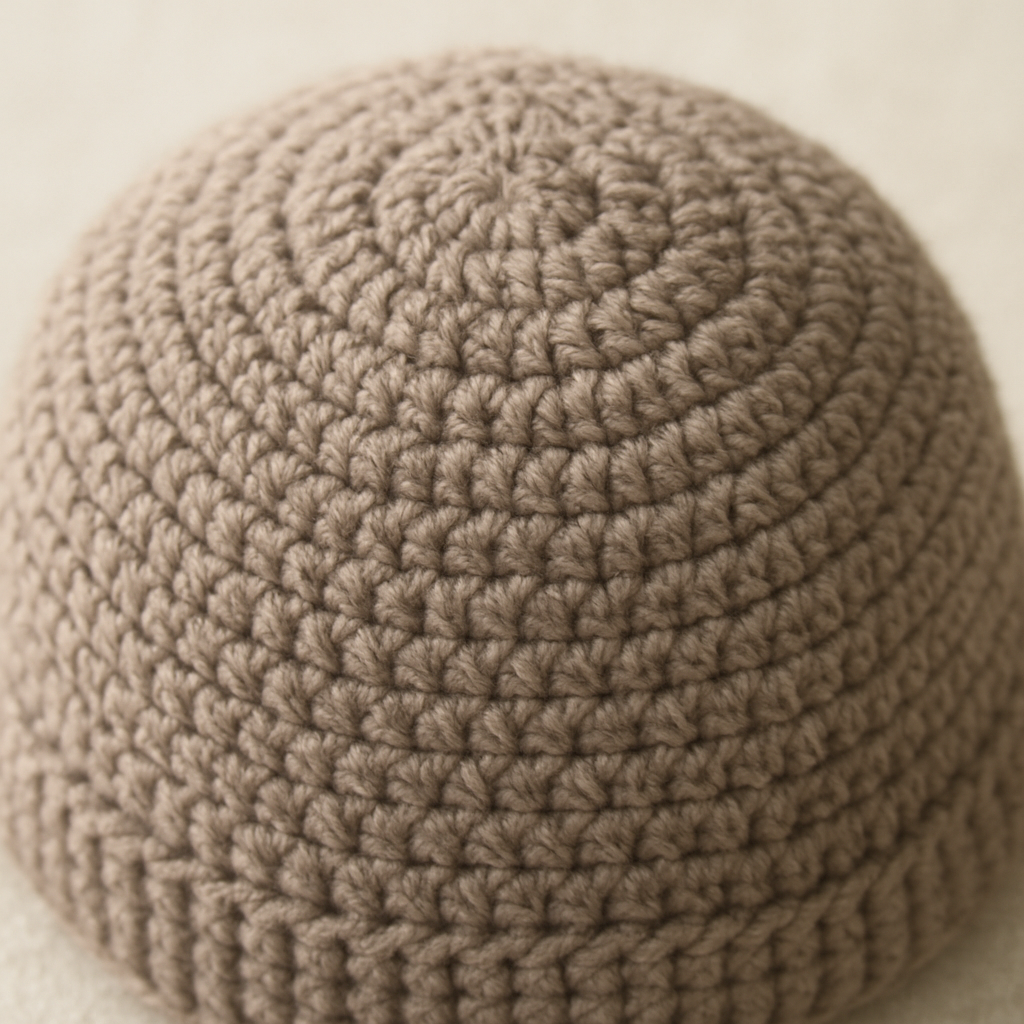
Once you’ve sealed the crown, give yourself a well‑deserved pat on the back. You’ve just turned a fluffy cylinder into a fully formed beanie that will stay on your head, even on a windy day. Grab a coffee, admire your work, and think about adding a pom‑pom next – you’ve earned it.
Step 5: Finishing Touches – Edging and Looming
Now that the crown is sealed, the last thing that separates a “nice hat” from a “show‑stopping beanie” is a tidy edge and a little shape‑setting magic.
Why add an edging?
Think about the moment you first put on a beanie with a frayed top – it feels a bit unfinished, right? A clean edge not only hides the join but also adds a subtle design cue that can tie the whole look together.
Most beginners reach for a single‑crochet (sc) round because it’s quick and gives a solid foundation. If you want a bit more texture, try alternating sc and chain stitches; that trick creates a gentle “wiggle” that looks fancy without extra effort.
Real‑world example: Maya, the college student from Step 1, added a 4‑round sc border in a contrasting teal yarn. The pop of color turned a plain gray beanie into a gift‑ready piece that her roommate loved.
Step‑by‑step edging
- 1. Choose yarn. Same weight as the body works best to avoid puckering. If you use a different color, pick one that complements the main shade.
- 2. Mark the start. Slip a stitch marker on the first stitch of the last decrease round – this is your “0” point.
- 3. Round 1 – single crochet. Work a sc into every stitch around the crown. Keep tension even; you’ll notice a smoother edge.
- 4. Optional texture. For a lacy feel, alternate: sc, chain 2, sc, chain 2… around the round. The chain stitches act like tiny “gaps” that let the edge breathe.
- 5. Secure the join. Slip stitch to the first sc, then pull the yarn tail through with a tapestry needle for an invisible join.
Does this feel like too many steps? Remember, each bullet is just one loop of yarn – you’ve already mastered loops, so this is simply “do it again, but a little tighter.”
If you need more inspiration, check out these crochet border ideas for simple yet stylish finishes.
Looming (blocking) for that professional finish
Blocking, sometimes called “looming,” is the secret sauce that flattens any unevenness and brings out stitch definition. Think of it as ironing a shirt, but gentler and yarn‑friendly.
According to crochet experts, wet‑blocking works best for natural fibers, while steam‑blocking is kinder to acrylics. The goal is to dampen the fabric just enough to let it relax, then pin it to the desired shape until dry.
Here’s a practical checklist (adapted from blocking tips).
- Gather rust‑proof pins, a clean towel, and a flat board (a large piece of cardboard works fine).
- Lightly spritz the beanie with water until the stitches feel damp but not soaked.
- Lay the hat flat, place pins about an inch from the edge to avoid “puckering” at the border.
- Gently pull the crown into a round shape – start at the top, then work outward to the edge.
- Leave the piece undisturbed until completely dry (usually 1‑2 hours for acrylic, longer for wool).
Pro tip: if you’re short on space, use a clean kitchen towel as a makeshift blocking mat. The towel absorbs excess moisture and speeds up drying.
Combining edging and blocking
Do you add the border before or after you block? Most crocheters, including Sarah from Step 2, prefer to crochet the edge first, then block the whole hat. The edge helps the fabric stay taut while you pin it, resulting in a smoother final silhouette.
Once the beanie is dry, give it a quick “feel test.” The edge should feel firm but flexible, and the crown should sit evenly on a measuring cup – no bumps, no gaps.
Quick troubleshooting cheat sheet
- Edge looks wavy? You probably used a yarn weight that differed from the body. Switch to the same weight or adjust hook size.
- Stitches curl after blocking? Try a second light spritz and re‑pin, or use a steam iron held an inch above the fabric (never direct heat on acrylic).
- Join is visible? Pull the yarn tail through the remaining stitches with a tapestry needle before cutting – the “invisible join” method keeps the top neat.
And there you have it – a polished, professional‑looking beanie that feels as good as it looks. Grab a cup of tea, admire the finished edge, and consider adding a pom‑pom or a fun color‑blocked stripe next time.
Step 6: Care, Maintenance, and Customization
We made it through the crown, the edging, and the block – now it’s time to treat that beanie like a new friend you don’t want to lose. Proper care keeps the stitches from turning into a mushy mess, and a little customization can turn a plain hat into a signature piece you’ll actually want to wear again and again.
Cleaning and washing
First question: do you really need to wash a crocheted hat after every wear? Not usually. Most acrylic or cotton yarns are pretty forgiving, so a quick air‑out or spot‑clean often does the trick. When you do decide a full wash is necessary, read the yarn’s care label – it’s there for a reason.
Here’s a safe routine for most worsted‑weight yarns:
- Turn the beanie inside out and place it in a mesh laundry bag.
- Select the gentle wool or hand‑wash cycle, set the spin speed to 0 (or remove the spin step entirely).
- Use a mild detergent designed for delicates; avoid bleach or fabric softener.
Never toss the hat into a dryer – the heat and tumbling will cause felting or stretching, especially with wool blends. Instead, lay it flat on a clean towel, roll the towel to absorb excess water, then reshape and let it air dry away from direct sunlight.
For a more detailed walk‑through, check out this guide on caring for crochet wearables, which walks you through hand‑washing, machine tips, and why you should never spin your items according to Dora Does’ care recommendations.
Blocking and shaping
Even if your beanie looked perfect right off the hook, a gentle block can bring out the stitch definition and smooth out any unevenness from the crown. The process is basically the crochet version of ironing a shirt, but way kinder.
Grab a clean towel, a couple of rust‑proof pins, and a shallow board or a large piece of cardboard. Lightly spritz the hat with water until it feels damp but not soaked. Pin the crown into a perfect circle, then pin the edge about an inch from the brim to keep the shape taut. Let it sit until completely dry – usually an hour or two for acrylic, a bit longer for natural fibers.
If you’re short on space, the towel‑roll method works too: lay the damp hat on a towel, roll it up gently to squeeze out extra water, then unroll and pin as described. The result is a beanie that sits evenly on a measuring cup, just like we tested in Step 5.
Personalizing your beanie
Now for the fun part. Customization is where you get to inject personality without adding hours of work. Here are a few low‑effort ideas:
- Color‑blocked stripe: Pick a contrasting yarn, pick up a few stitches around the brim, and work a single‑crochet round. It adds a pop of color and reinforces the edge.
- Pom‑pom or tassel: A quick pom‑pom stitched on the crown gives a playful finish. You can even match it to a favorite sweater.
- Embroidered initials: Using a tapestry needle, stitch your initials or a tiny symbol on the side of the hat. It’s a subtle signature.
Because the beanie is already blocked, any extra stitch work will sit nicely into the shape rather than pulling it out of round.
Quick care checklist
Before you tuck the hat away for the season, run through this short list:
- Did you spot‑clean any stains first?
- Is the hat dry and flat, with no stretched sections?
- Are the edges still firm but flexible after blocking?
- Did you store it folded (not hung) in a breathable container?
If the answer is “yes” to all of those, you’re good to go. If something feels off, a quick re‑block or a gentle hand‑wash will set it right.
Remember, caring for a crocheted beanie isn’t a chore – it’s a way to honor the time you spent stitching each loop. Treat it gently, add a little flair when you feel inspired, and you’ll have a hat that not only fits your head but also fits your style for many seasons to come.
Conclusion
We’ve taken you from untangling the yarn bowl to pulling a perfectly shaped beanie off the hook, and I hope you can feel that same excitement you had when you first dropped the first stitch.
So, what now? Grab your finished hat, slip it on, and notice how the ribbed brim hugs your head just right. That little moment of comfort is proof that the steps we walked through actually work.
If any part felt fuzzy—maybe the decrease math or the blocking technique—just rewind to that section and try it again. Crocheting is a practice sport; each repeat makes the pattern feel more natural.
Remember the quick care checklist we built: spot‑clean stains, keep the hat dry and flat, store it folded in a breathable container. A well‑cared beanie stays soft season after season, ready for your next coffee run or winter walk.
Feel inspired to add a pop of color, a pom‑pom, or your initials? Those tiny custom touches turn a simple project into a personal statement without adding much time.
Most importantly, treat each new hat as a conversation with yourself—ask, “What do I want this piece to say?” and let the yarn answer.
Ready to start your next creation? Dive back into the CreativiU library, pick a fresh pattern, and keep the loop rolling. Happy crocheting!
FAQ
Got a few lingering doubts? Below you’ll find the most common questions beginners ask when learning how to crochet a beanie, plus quick, down‑to‑earth answers you can try right away.
What yarn and hook size should I start with for my first beanie?
Stick with a worsted‑weight acrylic or cotton yarn and a 5 mm (H‑8) crochet hook. That combo is forgiving – the yarn slides smoothly, and the hook isn’t too big to make the brim floppy or too small to force tight stitches. If you’re on a shoestring budget, a $5 bamboo hook works just fine, and you can pick up a skein of acrylic at any craft store.
Which stitch pattern is the most beginner‑friendly for a beanie?
Half‑double crochet (hdc) is the sweet spot. It gives you a little height without the swing of a full double crochet, so the hat keeps its shape while staying soft. You can also try a simple ribbed pattern of single crochet followed by double crochet; it repeats every two rows and creates a stretchy edge that’s perfect for the brim.
How do I know if my gauge is off before the hat is finished?
After you’ve worked four rounds of your chosen stitch, lay the piece flat and count the stitches across a 2‑inch section. You should see roughly 3–4 stitches per inch for a medium‑weight beanie. If the count is higher, your tension is tight and you’ll end up with a snug hat; loosen up by switching to a hook one size larger. If it’s lower, go a size down.
What’s the simplest method to close the crown without a visible seam?
Use the invisible join technique: when you’re down to the last 6–8 stitches, thread the yarn tail through a tapestry needle, pull the remaining stitches through the needle, and gently pull the tail to cinch the top. Slip the needle out, trim the excess, and you’ve got a neat dome with no lump of yarn showing.
Do I need to block my beanie after every round?
A quick block once the crown is sealed does wonders for stitch definition and shape. Lightly spritz the whole hat, pin the crown into a perfect circle, and let it dry flat for an hour or two. If you notice any wobble after the first block, a second gentle block will smooth it out without reshaping the brim.
Can I add a pom‑pom or other embellishment without messing up the fit?
Add a pom‑pom after the final block by stitching it onto the crown with a single crochet loop. Because the hat is already blocked, the extra weight won’t pull the fabric out of round. Keep the pom‑pom proportionate – a 2‑inch ball works well for a standard adult beanie and adds a playful touch without sacrificing comfort.
How do I undo a mistake without unraveling the whole hat?
If you spot a slip‑stitch or a missed increase, simply pull the working yarn back to the point of error and slip the hook off the stitches you want to redo. The yarn will loosen without pulling the whole round apart because crochet loops stay connected. For a larger slip, use a crochet hook to gently lift the offending stitch, re‑insert the yarn, and continue. A few seconds of back‑tracking saves hours later.
Leave a Reply