Ever stared at a portrait on a screen and thought, “I wish I could capture that sparkle on paper”?
That feeling of curiosity mixed with a tiny pinch of doubt is exactly why so many of us end up searching for portrait drawing classes online.
It’s not just about learning to shade a nose; it’s about unlocking a new way to see faces, emotions, and the stories they hide.
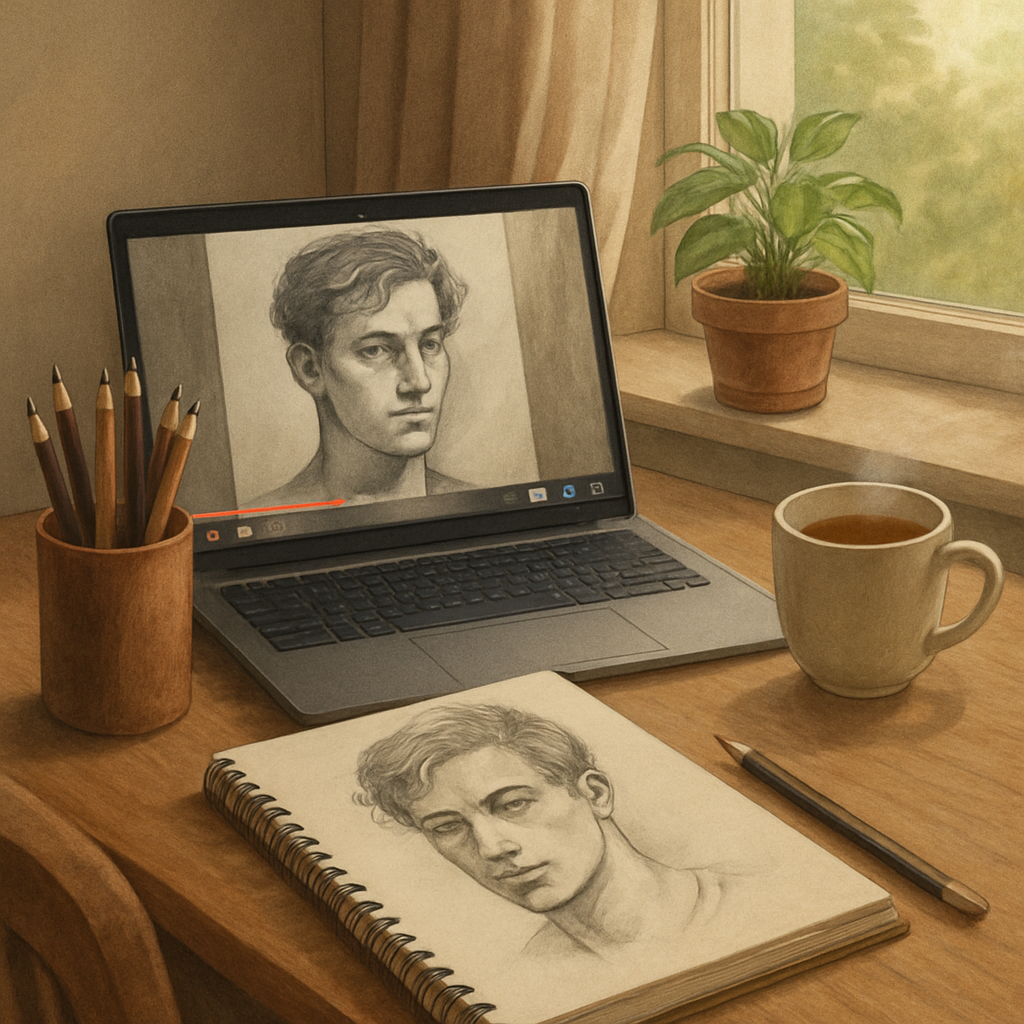
Imagine sitting at your kitchen table, coffee steaming, and following a step‑by‑step video that guides your hand from a light outline to a lifelike grin.
Sounds dreamy, right? But does it actually work for someone who’s never held a pencil before?
Absolutely. The beauty of online learning is you can start at the very basics—simple shapes, proportion tricks, and light‑press techniques—without feeling rushed.
And because you’re in control, you can pause, rewind, and replay a tricky ear‑drawing tutorial as many times as you need.
What’s even better is the community vibe that platforms like CreativiU foster: you can share your progress, ask questions, and get feedback from fellow art lovers who understand the same frustrations.
Think about the moment when you finally get that subtle shadow right on a cheek and the smile that spreads across your face.
That “aha” instant is what drives us to keep practicing, and portrait drawing classes online are designed to stack those moments one after another.
So, if you’re wondering whether you’ll ever feel confident enough to draw a friend’s portrait from memory, the answer is yes—provided you pick a course that breaks the process into bite‑size, doable steps.
In the next parts of this guide, we’ll explore how to choose the right class, what tools you really need, and a few insider tips to speed up your progress.
Ready to turn that curiosity into skill? Let’s dive in.
TL;DR
Portrait drawing classes online let you learn step‑by‑step from your kitchen table, turning shaky sketches into confident likenesses with video lessons, practice drills, and supportive community feedback.
Start today on CreativiU, follow bite‑size tutorials, share progress, and watch your skill grow faster than you imagined, all at your own pace.
Step 1: Assess Your Skill Level and Goals
Before you click “Enroll”, take a quick pause and ask yourself where you really stand with portrait drawing.
Are you fresh out of a doodle‑only phase, or have you already tackled a few head sketches that look… well, like heads?
Knowing your starting point helps you pick a class that won’t feel like a toddler’s coloring book or a PhD thesis.
Quick self‑audit checklist
Grab a scrap of paper and try these three tiny tests:
- Block‑in a face using basic shapes – can you get the overall proportions right in under two minutes?
- Render a simple value study of a single eye – does the light‑dark transition feel natural?
- Sketch a quick portrait from a photo in one sitting – do you finish the outline without constantly erasing?
If you breezed through at least two, you’re probably in the “beginner‑to‑intermediate” zone. If you struggled, you might want a slower‑paced, fundamentals‑heavy course.
Now, think about what you actually want out of portrait drawing classes online. Is your goal to draw realistic likenesses for client commissions, or just to capture friends’ smiles for fun?
Write down one or two concrete goals – for example, “draw a convincing portrait in under an hour” or “create a portfolio piece that could sell on Etsy.” Having a clear target turns vague curiosity into measurable progress.
Match goals to course features
Many courses, like the one described by Vitruvian Studio, break the process into bite‑size stages – from blocking in shapes to polishing fine details – and they stress a proven, systematic method that guides each stroke.
Look for classes that explicitly promise a step‑by‑step workflow, video demonstrations of every pencil stroke, and opportunities to compare your work against reference images.
Because you’ll be learning at home, ask yourself how much time you can realistically devote each week. A 30‑minute daily habit beats a marathon session once a month.
And don’t forget the community vibe. Platforms that let you share progress and get feedback often accelerate learning – you’ll see those “aha” moments faster when someone points out a tiny proportion tweak.
Here’s a handy habit tracker you can print:
- Monday: 15‑minute shape block‑in practice
- Wednesday: 20‑minute value study of an eye
- Friday: 30‑minute full portrait attempt
Stick to it for two weeks and revisit your self‑audit. You’ll notice real improvement, or you’ll see where the bottleneck is.
If you’re still unsure which class fits your skill level, exploring drawing classes online for adults offers a solid overview of platforms, pricing, and what beginners typically need.
Below is a short video that walks through the exact kind of step‑by‑step breakdown you’ll find in a quality portrait course.
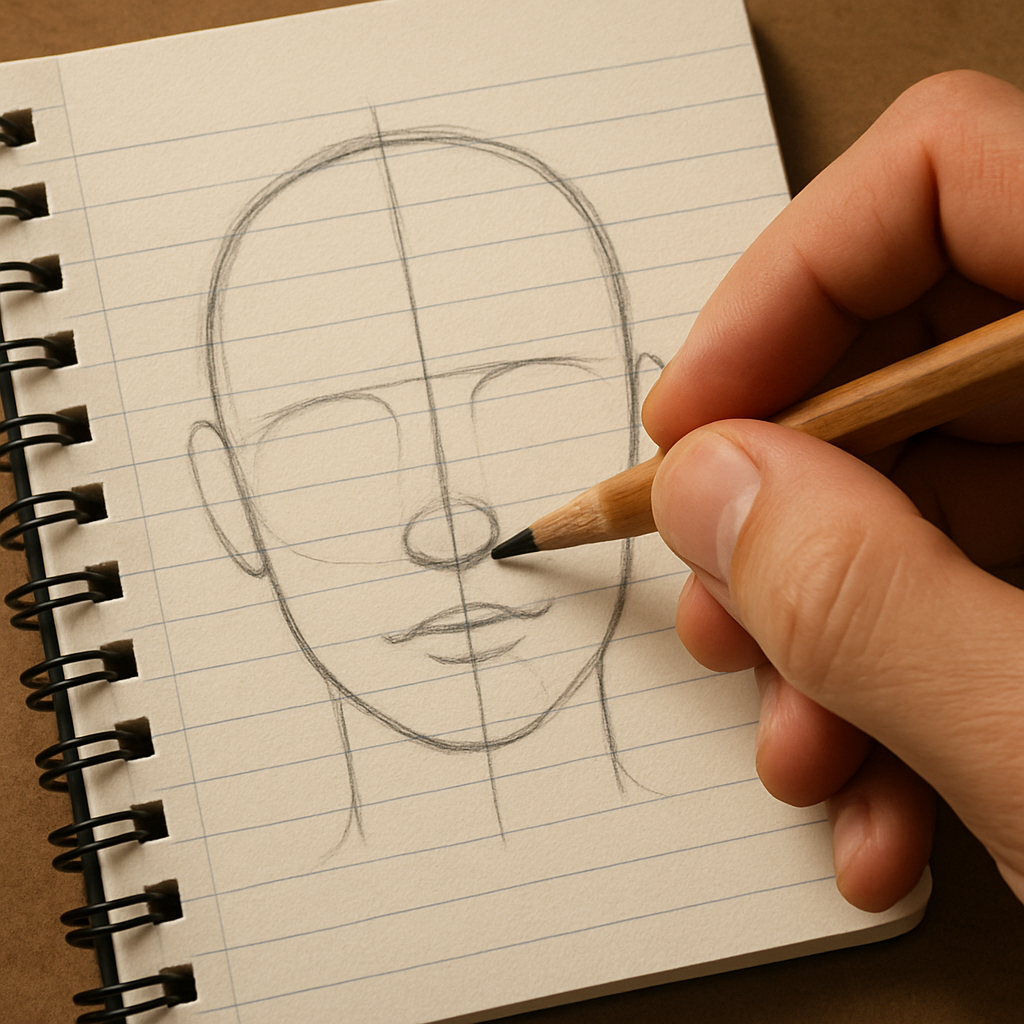
Take a moment now to jot down where you are, where you want to be, and how many minutes you can commit each week. With that map in hand, the next step – picking the perfect class – becomes a lot less intimidating.
Now you’re ready to move forward with confidence.
Step 2: Research Platform Options and Teaching Styles
Now that you’ve mapped your goals, the next move is to figure out where you’ll actually learn. Not all platforms are created equal, and the right fit can mean the difference between a frustrated weekend and a breakthrough “aha” moment.
First, ask yourself: do you thrive on a structured curriculum that releases a new module every week, or do you prefer a library of bite‑size videos you can cherry‑pick whenever you have 10 minutes free? Your answer will steer you toward either subscription‑style sites or à la carte marketplaces.
Common platform models
All‑access subscriptions give you unlimited entry to a whole vault of art courses. Think of it as a Netflix for drawing – you can dip in and out, trying portrait lessons from several instructors before you settle on one.
Pay‑per‑course platforms let you buy a single, often more in‑depth, portrait class. You get lifetime access to that specific curriculum, which is handy if you’ve already spotted a teaching style you love.
Live‑stream workshops bring real‑time interaction. You can ask questions on the fly, share your screen, and get immediate feedback. The trade‑off is a fixed schedule, so you need to carve out that slot in your calendar.
Does any of that sound like your ideal learning environment? If you’re still not sure, try a free trial or a sample video – most platforms let you peek before you commit.
Teaching styles to watch for
Not every instructor teaches the same way, even if the syllabus looks identical. Here are the three most common approaches you’ll encounter.
Step‑by‑step demonstration walks you through each stroke, often pausing to explain why a certain pressure or angle matters. This style works well if you learn by watching and mimicking.
Critique‑driven feedback centers on showing you a student’s work, pointing out strengths, and then highlighting the exact spots that need tweaking. If you crave accountability and want to see mistakes corrected, this is the route.
Project‑based learning gives you a final portrait goal up front and then lets you discover techniques as you progress. It’s a bit messier, but it mirrors how you’d actually create art in the wild.
Which of those feels most natural to you? Maybe you’ll combine a demo‑heavy course for fundamentals with a critique‑focused community for ongoing improvement.
How to evaluate a platform quickly
Grab a notebook and run this 5‑point checklist. First, look at the course outline – does it break the portrait process into clear stages (shapes, values, details)?
Second, check the instructor’s background. A professional portrait artist who shares a portfolio gives you confidence that you’re learning proven methods.
Third, see how community interaction is handled. Is there a private forum, Discord, or weekly live Q&A? A thriving community can turn solitary practice into a collaborative experience.
Fourth, assess the tech side. Are the videos HD, with zoom‑in capabilities? Can you download resources like reference sheets or practice worksheets?
Finally, consider pricing and commitment. Does the monthly fee fit your budget, and can you cancel anytime if it’s not a match?
Answering these questions in a few minutes can save you weeks of trial‑and‑error later.
Real‑world example
Imagine you’re a busy parent who can only sketch after the kids are in bed. You pick a subscription service that offers nightly 15‑minute “quick‑draw” lessons, plus a weekend live critique session. The teaching style blends step‑by‑step demos with community feedback, so you get both clear guidance and the motivation of a group.
After three weeks, you notice your proportion mistakes shrink because the instructor repeatedly shows how to line‑up the eyes using a simple grid. Meanwhile, the live critique helped you spot a habit of over‑darkening the cheek that you never noticed on your own.
That combination of platform flexibility and teaching style variety is exactly what you were looking for – it fits your schedule, your learning preferences, and your goal of drawing realistic portraits.
So, what’s your next move? Grab your notebook, run the checklist, and start testing free trials. The right platform and teaching style are out there; you just have to match them to your rhythm.
Step 3: Choose a Course and Set Up Your Workspace
Now that you’ve narrowed down platforms and teaching styles, it’s time to actually pick a class and turn a corner of your home into a mini studio.
Pick the right course for your goals
Start by matching the course description to the concrete goals you wrote down in Step 1. If you want to finish a portrait in under an hour, look for a syllabus that promises “quick‑draw” modules and timed practice drills.
Does the instructor break the process into clear stages – shape‑blocking, value mapping, detail rendering? Those checkpoints keep you from wandering aimlessly.
And don’t forget the community promise: a private forum, Discord channel, or weekly live critique can turn solitary sketching into a supportive habit.
Set up a dedicated sketch space
You don’t need a fancy studio, just a spot that tells your brain, “Okay, it’s drawing time.”
- Choose a surface that stays flat – a sturdy tabletop or a drafting board.
- Position a lamp with adjustable brightness so you can chase shadows without straining.
- Keep a small shelf or cart nearby for paper, pencils, and reference images.
Having everything within arm’s reach stops you from constantly getting up, which kills momentum.
Pro tip: lay a sheet of plain white paper under your sketchpad. It reflects light and makes the graphite lines pop, especially when you’re working on subtle value studies.
Gather the tools you actually need
Don’t over‑invest in every brand‑new set of brushes before you know your style. A basic kit works just fine for most portrait courses.
- 2‑B, 4‑B, and HB graphite pencils – cover the range from light sketch to deep shadows.
- Blending stump or soft tissue – perfect for smoothing skin tones.
- Eraser (kneaded and vinyl) – one for lifting highlights, the other for clean cuts.
- Good‑quality sketch paper – 70‑80 lb smooth Bristol or a medium‑weight drawing pad.
If you’re on a budget, check whether your chosen platform offers downloadable reference sheets; printing those on plain printer paper can save you a trip to the art store.
Create a routine that sticks
Schedule a regular slot and treat it like any other appointment. Maybe it’s “15 minutes after the kids’ bedtime” or “Saturday morning with a cup of tea.”
Before each session, do a quick 2‑minute warm‑up: draw a sphere, a hand, or a simple face outline. This gets your hand‑eye coordination humming and eases you into the lesson.
After you finish the video demo, pause and mimic the exact strokes the instructor just made. Then, spend the last five minutes comparing your work to the reference image – note one thing that looks right and one that feels off.
Track these tiny wins in a habit log. When you see a pattern – say, “my eye‑spacing improves after three weeks” – you’ll feel the progress that keeps motivation high.
Final checklist before you hit “play”
- Course matches your specific goal and breaks the process into stages.
- Workspace has a flat surface, good lighting, and all tools within reach.
- Basic pencil set, paper, and eraser ready to go.
- Dedicated time slot and a quick warm‑up routine set.
Cross those boxes, hit the first lesson, and you’ll notice the difference between “watching a tutorial” and “actually doing the work.” Your portrait drawing classes online will finally feel like a hands‑on workshop, not just a video marathon.
Step 4: Follow Structured Lessons and Practice Regularly
Alright, you’ve got the course, the space, the pencils – now it’s time to treat each video like a workout and your sketchbook like a gym.
Why a Structured Lesson Plan Matters
Ever tried to learn a dance move by watching random clips? You’ll end up tangled, right? The same thing happens with portrait drawing when lessons are scattered.
A good lesson plan breaks the portrait into bite‑size milestones: shape‑blocking, value mapping, feature refinement, and final details. Each step builds on the last, so you never feel like you’re starting from scratch.
Think of it as a ladder. When you climb one rung at a time, the view from the top suddenly makes sense.
Build Your Weekly Practice Rhythm
Consistency beats intensity, especially when you’re juggling kids, work, or a side hustle. Set a realistic cadence – maybe three 20‑minute sessions a week, or a single 45‑minute block if that fits your calendar.
Start each session with a 2‑minute warm‑up (sphere, hand, or quick face outline) – it’s the artistic equivalent of stretching before a run.
After the warm‑up, hit the lesson video, pause, and mimic the instructor’s strokes in real time. Then, spend five minutes comparing your work to the reference. Note one thing that feels spot‑on and one thing that still needs tweaking.
Does that sound like a lot? Not really. You’re only adding a few minutes of reflection, and that tiny habit compounds into noticeable improvement.
Make the Most of Each Lesson
Before you press play, glance at the lesson’s objective. Write it down in plain language: “Learn how to place the eyes using a 1‑inch grid.” Having a clear target keeps you focused.
While you watch, keep a notebook handy for “aha!” moments. Maybe the instructor mentions using a light‑to‑dark gradient for cheek tones – jot it down, then try it immediately on a separate sheet.
When the demo ends, don’t just copy – experiment. Try the same technique on a different face angle or with a different lighting setup. That little variation forces your brain to internalize the skill rather than memorize it.
Quick Review Checklist
- Lesson goal written in one sentence.
- 2‑minute warm‑up completed.
- Live mimic of key strokes.
- 5‑minute side‑by‑side comparison.
- One experiment variation logged.
Tick those boxes each time and you’ll see a pattern emerge: “My nose proportion steadies after week two” or “I’m finally comfortable shading the hair.” Those patterns are the proof that your practice is paying off.
And here’s a little secret most courses skip: schedule a 10‑minute “reflection” slot at the end of each week. Flip through your sketches, highlight the three biggest wins, and write a short note on how you achieved them. This mini‑review turns raw practice into purposeful progress.
Finally, give yourself a simple tracking system. A spreadsheet with columns for date, lesson title, technique practiced, and a quick self‑rating (1‑5) lets you spot trends without over‑thinking. Over a month you’ll see numbers climb, and that visual proof is a huge confidence boost.
So, what’s the next move? Pick the next module, set a timer for 20 minutes, and treat the first 5 minutes as a warm‑up ritual. You’ll notice the difference between “watching a tutorial” and “actually doing the work” faster than you think.
Step 5: Compare Pricing, Certification, and Community Features
Alright, you’ve narrowed down a handful of portrait drawing classes online that feel right. Now the real decision‑making begins: does the price match the value, does the certificate actually mean anything, and will the community keep you motivated?
Price – what are you really paying for?
First, look beyond the headline monthly fee. Some platforms hide premium content behind “add‑ons” like exclusive critique sessions or downloadable reference packs. Write down the base price, then list any extra costs you’d need to unlock the features you care about.
Ask yourself: am I comfortable committing to a monthly subscription, or would a one‑time payment feel safer? If you’re testing the waters, a free trial or a “pay‑per‑module” option can give you a taste without the guilt of a long‑term contract.
Certification – brag‑worthy or just a badge?
Certificates sound impressive, especially if you want to showcase your progress on a portfolio or LinkedIn. But not all certificates carry the same weight. Check whether the issuing platform is recognized by industry professionals or art schools. A well‑crafted certificate from a reputable academy can open doors; a generic PDF might not.
Pro tip: ask the community – many forums will tell you if employers actually notice a particular certification. If the feedback is lukewarm, you might prioritize hands‑on practice over the credential.
Community – your personal cheer squad
Learning to draw portraits can feel lonely when you’re stuck on a tricky ear or a stubborn shading gradient. A vibrant community can turn that frustration into a quick “aha!” moment.
Look for these community signals: active discussion boards, regular live critique sessions, and a clear moderation policy that keeps feedback constructive. If a platform offers a Discord or Slack channel, peek at the activity level – are members sharing sketches daily, or is it quiet as a museum after hours?
And don’t forget the “peer‑learning” factor. When you see someone else solve a problem you’re wrestling with, you save hours of trial‑and‑error.
Quick comparison table
| Feature | Basic Option | Mid‑Tier Option | Premium Option |
|---|---|---|---|
| Price (monthly) | Free or $0 | $15‑$25 | $40‑$60 |
| Certification | None | Certificate of Completion | Industry‑Recognized Certificate |
| Community Access | Forum only (read‑only) | Weekly live critiques + private Discord | All‑access (daily live sessions, mentorship, exclusive challenges) |
Now that you have the grid, it’s time to match it with your goals. If you’re just experimenting, the free tier might be enough to see if you enjoy portrait work. If you need a credential for a freelance portfolio, the mid‑tier’s certificate could be the sweet spot. And if you thrive on constant feedback and want to fast‑track your skill, the premium package’s mentorship could be worth the investment.
Here’s a simple three‑step checklist to finalize your choice:
1️⃣ List your priorities
Is certification your main driver? Or is community engagement the glue that keeps you coming back?
2️⃣ Match budget to features
Take the table above, shade in the cells that align with your must‑haves, and see which price tier lights up.
3️⃣ Test before you commit
Sign up for a trial, attend a live critique, and see if the vibe feels like a supportive coffee chat rather than a corporate webinar.
When the pieces line up, you’ll know exactly which portrait drawing classes online deserve a spot in your schedule – and which ones you can politely pass on.
Step 6: Evaluate Progress and Seek Feedback
Okay, you’ve been ticking off lessons, sketching faces, and maybe even posting a couple of drawings in the community. Now it’s time to step back, look at the trail you’ve left, and ask, “Am I really getting better?” That’s what evaluating progress is all about.
Why tracking beats vague feelings
When you rely on “I think I’m improving,” your brain fills in the gaps with wishful thinking. A concrete record – a date, a skill you practiced – turns that fuzzy feeling into data you can actually see.
Think of it like a fitness log. You wouldn’t claim you’re stronger without noting the weight you lifted last week. The same principle applies to portrait drawing.
Simple progress checklist you can start today
Grab a spreadsheet or a notebook and set up four columns: Date, Lesson (or skill focus), What I nailed, What still trips me up.
- Date – the day you finished the practice session.
- Lesson – “Eye placement using a grid,” “Hair shading with cross‑hatch,” etc.
- What I nailed – one specific thing that felt spot‑on (e.g., “the left eye landed exactly one‑third down the face”).
- What still trips me up – a single tweak to try next time (e.g., “need smoother transition from cheek to jaw”).
Spend two minutes after each session filling it out. Over a week you’ll start spotting patterns: “My nose proportions settle after week three” or “I still struggle with deep‑shadow edges.” Those patterns are gold because they tell you where to focus next.
Does that sound like extra work? Not really – it’s literally a coffee‑break note that pays off in confidence.
How to get feedback that actually moves you forward
Feedback is the shortcut most learners ignore. But not all feedback is equal. Here’s how to make sure you’re getting the right kind.
First, choose a trusted source. It could be a fellow student in your portrait drawing classes online, a mentor on CreativiU’s platform, or even a friendly family member who’s willing to look honestly.
Second, give them a focus. Instead of “What do you think?” ask, “Did the light‑to‑dark gradient on the cheek read as I intended?” Specific questions lead to specific answers.
Third, set a feedback loop. After you receive notes, pick one tiny adjustment and apply it in the next sketch. Then, note the result in your log. That way you’re not just collecting comments; you’re turning them into measurable improvement.
Quick feedback request template
“Hey [Name], I just finished a portrait where I tried a 2‑tone shading for the jawline. Do you think the transition feels natural, or does it look too abrupt? Any tips for smoothing it out would be amazing.”
Notice how the request is laser‑focused? It makes it easier for the reviewer and more useful for you.
Iterate, reflect, and celebrate
Every two weeks, pull out your log and do a mini‑review. Highlight three wins – maybe you finally captured a convincing smile, nailed the hair texture, or reduced the wobble in your line work. Write a one‑sentence note on how you achieved each win. Then, set a micro‑goal for the next sprint.
And don’t forget to celebrate. Even a tiny victory deserves a mental high‑five or a share in the community (if you’re comfortable). Recognition reinforces the habit and keeps the motivation engine humming.
So, what’s the next step? Open that notebook, log today’s session, ask a specific question to a peer, and plan a tiny tweak for tomorrow. In a month you’ll have a clear map of where you started, where you are, and exactly how you got there – all without feeling lost in the endless sea of portrait drawing classes online.
FAQ
What should I look for in a portrait drawing class online?
First, check the curriculum. A good portrait drawing class online breaks the process into bite‑size steps – anatomy basics, proportion grids, shading techniques, and rendering facial features. Look for video lessons that are short enough to fit into a coffee break, plus downloadable reference sheets you can print. Bonus points if the instructor offers live critique sessions or a community forum where you can post your work and get specific feedback.
How much time should I dedicate each week to see real improvement?
You don’t need hours of marathon sketching; consistency beats intensity. Aim for three 20‑minute sessions a week, focusing on one facial feature at a time – eyes on Monday, nose on Wednesday, shading on Friday. After each mini‑session, spend a minute noting what clicked and what still feels off in a simple log. Over a month that adds up to about an hour of focused practice, which is enough to notice tighter proportions and smoother tones.
Do I need expensive supplies to start portrait drawing classes online?
Not at all. Start with a decent graphite pencil (HB or 2B), a sketchbook with a smooth surface, and a cheap kneaded eraser. Those basics let you experiment with line weight and shading without breaking the bank. As you progress, you might add charcoal or a set of blending stumps, but most online lessons are designed to work with whatever you already have at home.
Can I get a certificate after completing a portrait drawing class online, and does it matter?
Many platforms issue a certificate of completion once you submit a final portrait that meets the rubric. It’s a nice badge to hang on your LinkedIn or portfolio, especially if you’re pitching freelance work. However, employers and clients care more about the quality of your artwork than the paper behind it. Treat the certificate as a confidence booster, but let your drawings do the real talking.
How important is community feedback in portrait drawing classes online?
Community feedback is often the missing link between solo practice and real growth. When you post a sketch and ask a specific question – “Does the jawline transition look natural?” – you get targeted tips that you might never discover on your own. Look for classes that host weekly critique threads or live Zoom sessions; even a small, active group can point out subtle proportion errors and keep you accountable to practice regularly.
What’s the best way to track my progress while taking portrait drawing classes online?
Create a simple progress log that mirrors a workout journal. Each time you finish a lesson, note the date, the skill you tackled (e.g., “eye placement using a grid”), and one thing that felt spot‑on and one that still needs work. Snap a photo of the before‑and‑after sketches and line them up side by side. After a few weeks you’ll see patterns – maybe your shading is improving while proportions still lag – and you can adjust your practice focus accordingly.
Are there free trial options for portrait drawing classes online, and how should I evaluate them?
Most reputable platforms let you test a module or two at no cost – usually a short video plus a downloadable worksheet. Use the trial to see if the teaching style matches your learning rhythm; ask yourself whether the instructor explains concepts clearly and whether the community feels welcoming. Also, check if the platform provides a clear roadmap for advancing from beginner sketches to full‑color portraits. If those boxes are ticked, the paid version is likely worth the upgrade.
Conclusion
You’ve walked through the whole process – picking a class, setting up a practice log, asking for focused feedback, and celebrating each tiny win.
So, what does that mean for you? It means you already have a roadmap that turns “I want to draw better faces” into concrete steps you can act on today.
Remember, portrait drawing classes online are only as good as the habit you build around them. A 20‑minute sketch session, a quick note about what clicked, and a single, specific question for a peer – that’s all it takes to keep momentum flowing.
Think about the last time you tried a new skill and gave up after a week. Does that feel familiar? Now picture the same effort, but with a community cheering you on and a log that shows real progress. The difference is night‑and‑day.
Before you close this page, grab a notebook, write down today’s date, and commit to one small goal: maybe sketch an eye using the grid technique you just learned. Then share that sketch in your class forum and ask for one piece of feedback.
That tiny action is the bridge between knowing and actually improving. Keep the sketchpad open, stay curious, and let each line bring you closer to the portraits you’ve imagined.
Leave a Reply