Art classes inspire creativity and bring imagination to life.
But what are the best art class ideas to truly engage students?
This comprehensive list covers diverse, hands-on, and collaborative ideas that work for all ages and skill levels.
Some are simple projects perfect for beginners.
Some are collaborative activities that foster teamwork.
Some combine technology with traditional art.
Some ideas are designed to challenge advanced skills.
Some projects blend art with real-world themes.
Let’s dive right in.
Why Are Art Class Ideas So Important?
Effective art class ideas do more than fill time. They motivate students to think, experiment, and express themselves uniquely. Engaged students absorb techniques better and build confidence.
According to studies, active participation in art increases emotional wellbeing and improves focus. But it’s not just about mood. Thoughtful art projects challenge cognitive and fine motor skills while boosting creative thinking.
One veteran teacher shared, “Finding the right blend of projects that excite and instruct was key to transformation in my classroom.” (Verified with sources as of 2025-09-02)
How Can I Make Art Class Fun and Engaging?
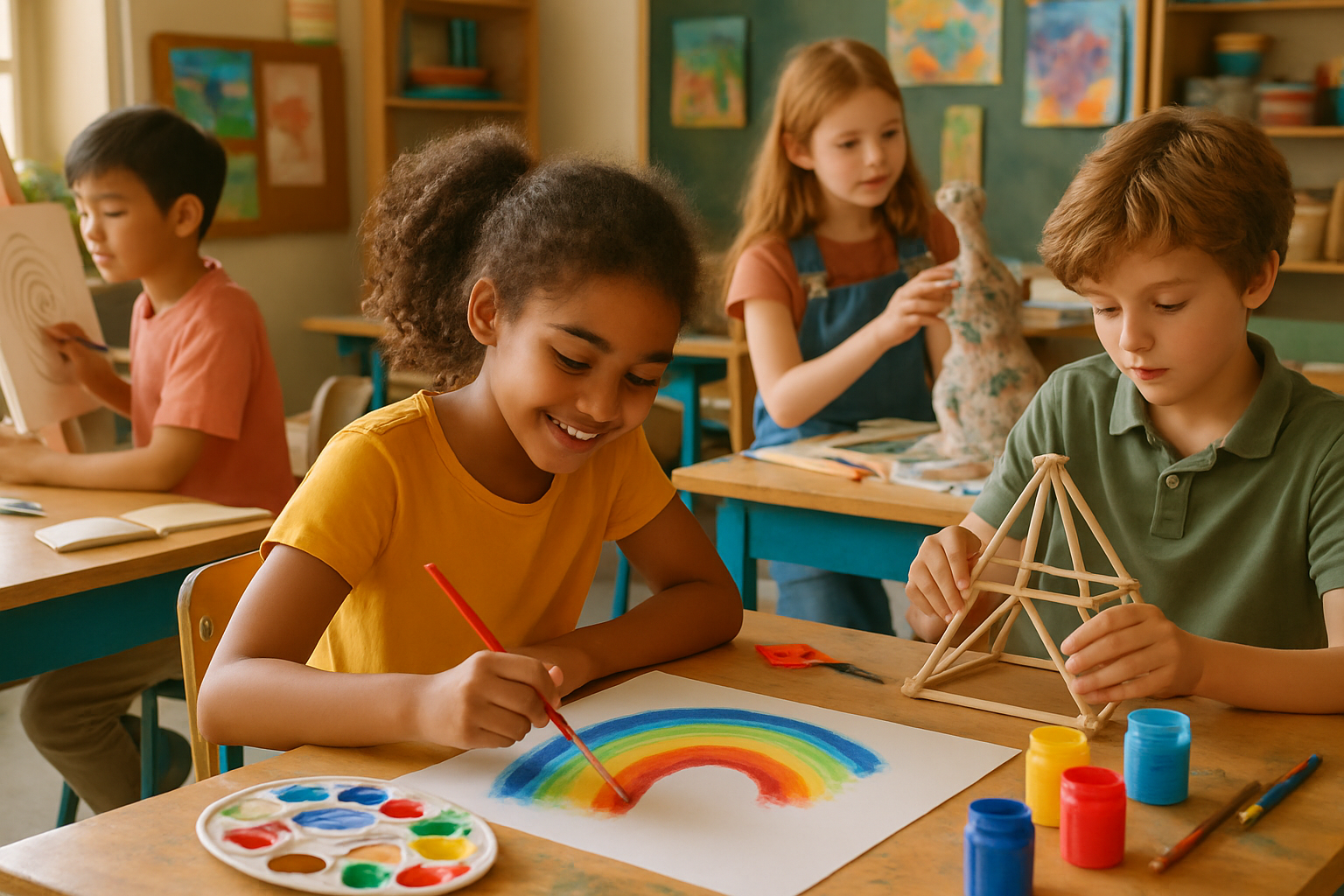
Engagement means more than just having fun. It means students are mentally present and challenged. Research shows modeling enthusiasm yourself sparks genuine interest in students. Share your creative process openly — even your struggles. This builds a real connection.
Movement, collaboration, and ownership are key. Let students choose themes or mediums. Rotate through hands-on stations where they move and learn different techniques. Incorporate music or even game elements to raise energy.
For instance, try a gallery walk where students display and discuss their work. This peer feedback loop creates pride and motivation. Also, integrate modern tools like digital drawing apps or video creation for visual storytelling to connect art with technology.
Did you know incorporating real-world themes — from culture to environmental issues — makes art projects more meaningful? When students see the relevance of their work, engagement skyrockets.
For deeper tips on mixing traditional and technological methods in art education, check out Mastering Smarts and Crafts: The Ultimate Guide to Blending Tradition with Technology.
What Are Some Simple Art Class Ideas for Beginners?
Starting with fundamental skills builds confidence and interest. Here are approachable ideas for beginners:
- Basic drawing exercises: Sketch everyday objects to develop observation skills.
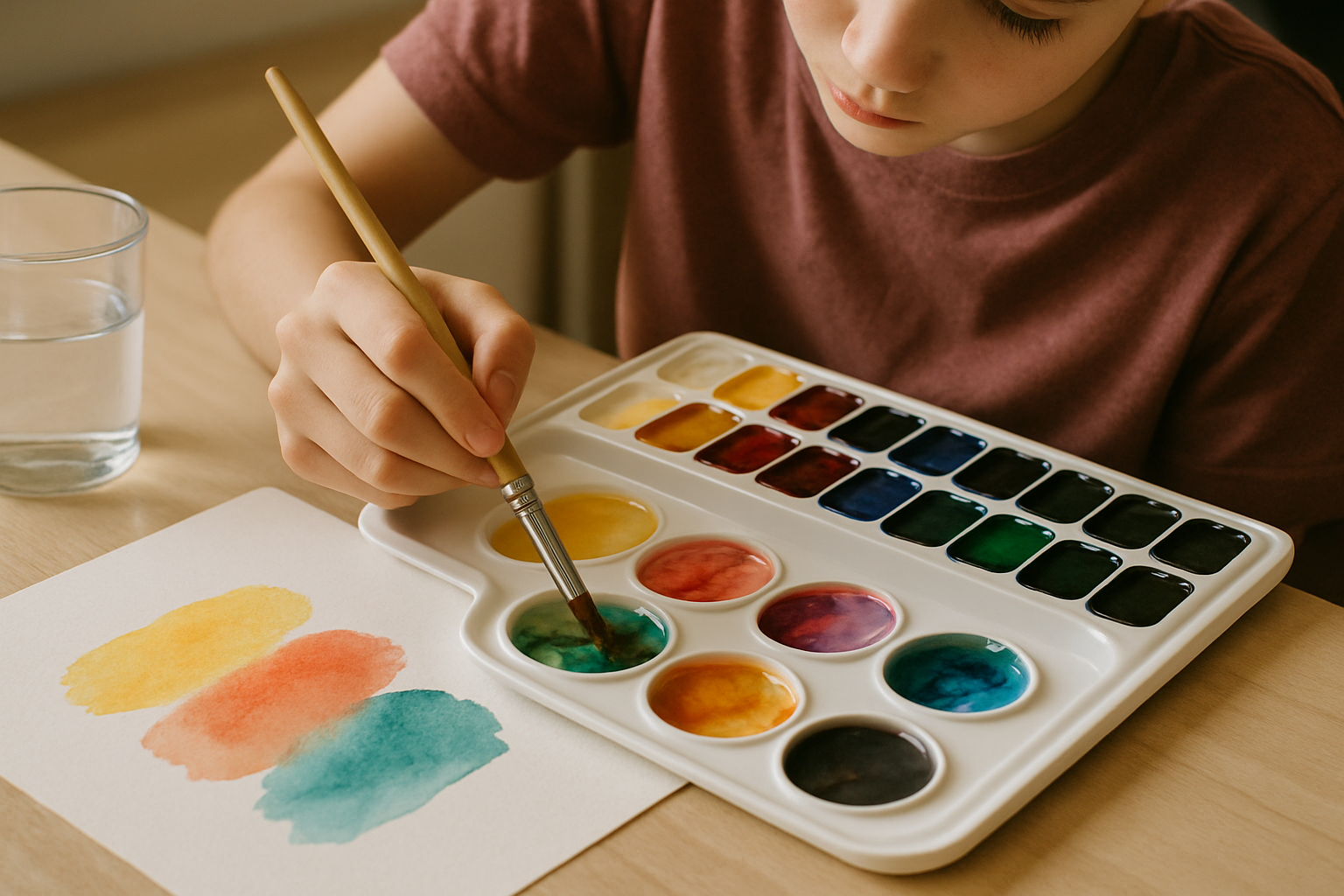
- Color mixing experiments: Explore primary colors by creating secondary shades.
- Paper collage projects: Cut and paste magazine images for fun design creation.
- Clay modeling: Hands-on shaping enhances fine motor control.
- Simple watercolor landscapes: Teach brush control and layering techniques.
The goal is to avoid overwhelming beginners with complex concepts—gradual skill building works best. Try combining these basics in a “skill sampler” day to keep things dynamic.
Which Collaborative Art Class Ideas Build Teamwork?
Collaboration ignites communication and collective creativity. Plus, students learn to respect diverse artistic perspectives. Some proven collaborative ideas include:
- Group murals: Divide a large canvas for students to paint pieces that come together as one artwork.
- Chain story art: Each student adds an element to a shared drawing or theme.
- Community art projects: Design works related to school or neighborhood themes.
- Collaborative collage: Groups assemble mixed media pieces from recycled materials.
- Interactive installations: Build 3D sculptures that require collective input and assembly.
For extra inspiration, see how collaboration transforms creativity with ideas shared by WeAreTeachers Collaborative Art Projects.
Collaborative art projects boost engagement by giving students voice and choice in a shared experience. They also offer a natural stage for peer feedback and social learning.
How Can Technology Be Used in Art Classes?
Technology integration offers exciting avenues for modern learners. Digital painting apps, video editing, and graphic design tools expand expressive options beyond traditional media.
Some effective tech-driven art class ideas include:
- Digital drawing and painting: Use apps on tablets to create layered, undoable artworks.
- Stop-motion animation: Craft small scenes and animate characters frame-by-frame.
- Virtual galleries: Create online portfolios or exhibitions to showcase work beyond the classroom.
- Photography and photo editing: Explore composition and digital enhancements.
- Interactive storytelling: Combine text, images, and audio for multimedia projects.
Use apps like Texting Story to have students creatively depict character dialogues or emotions through messaging-style videos. This approach bridges visual art and literacy skills (source).
What Are Advanced Art Class Ideas for Challenging Students?
Experienced students crave complexity and innovation. To keep them motivated, consider these advanced ideas:
- Mixed media compositions: Merge drawing, collage, painting, and digital elements.
- Conceptual art challenges: Express abstract ideas or social themes through visual metaphors.
- Master studies: Replicate techniques from great artists to deepen technical skills.
- Public art proposals: Design large-scale pieces with community impact.
- Experimental sculpture: Use recycled or unexpected materials for artistic statements.
One educator noted, “Layering conceptual thinking with technique keeps advanced students eagerly learning.”
Encourage reflective journaling alongside projects to deepen metacognitive understanding and growth.
How Can Art Class Ideas Address Diverse Learning Needs?
Art is naturally inclusive, but different students have unique learning styles. Multiple entry points increase engagement for all.
Strategies include:
- Visual organizers and anchor charts: Help students conceptualize project steps and feedback.
- Choice in media and topics: Foster ownership for varied interests and strengths.
- Chunking lessons: Break down skills into smaller, digestible parts.
- Peer collaboration: Promote social learning and confidence.
- Brain breaks and movement: Use dance, stretching, or gallery walks to reset focus.
For example, creating graphic organizers for a project plan can scaffold thinking and keep students focused on learning goals rather than feeling overwhelmed (source).
Interactive word walls and vocabulary sketchnotes can also support English learners and visual thinkers.
How Do I Inspire Creativity With Theme-Based Art Lessons?
Tying projects to compelling themes helps students make personal and cultural connections. This relevance drives motivation and deeper thinking.
Popular themes include:
- Identity and self-expression: Encourage portraiture or symbolism.
- Nature and environment: Explore sustainability and local ecosystems.
- History and culture: Investigate folk art traditions or modern movements.
- Social justice: Create works that reflect community issues or activism.
- Fantasy and imagination: Let students invent mythical creatures or worlds.
Use prompts like, “What story does your art tell?” or “How does this work reflect your worldview?” These questions invite reflection beyond technique.
Quick question: How can you bring real-world relevance into your next project?
How Can Movement and Music Boost Art Class Engagement?
Movement and music alter classroom energy and heighten focus. Incorporate these as warm-ups or brain breaks to refresh minds.
Examples include:
- Dance interpretation of art themes: Express mood or narrative through body language.
- Musical inspiration: Create artworks inspired by specific songs or genres.
- Gallery walks with audio cues: Pair viewing exercises with music for sensory layering.
- Rhythmic paint techniques: Use music tempo to guide brush strokes or colors.
- Movement-based brainstorming: Use stations where students physically move to choose project options.
Shifting physical states encourages fresh perspectives and sustained engagement throughout sessions.
What Are Creative Assessment Ideas for Art Classes?
Assessment in art should be as engaging as the projects themselves. Try these alternative methods:
- Artistic reflections: Students write or discuss their process and choices.
- Peer critiques: Structured, respectful feedback sessions.
- Portfolios: Collect continuous work showing growth and experimentation.
- Presentations: Students explain concepts to classmates or in virtual galleries.
- Self-evaluation: Checklists or rubrics students complete themselves.
This fosters metacognition and reinforces art as a personal and evolving language.
How Can I Find New Ideas and Resources for My Art Class?
Continuous inspiration improves teaching and student outcomes. Here’s how to stay fresh:
- Join online art education communities: Subreddits like r/ArtEd share practical, tested ideas.
- Subscribe to art tutorial channels: For example, Art for Kids Hub on YouTube offers engaging video lessons.
- Attend webinars and workshops: Learn fresh techniques and trends.
- Explore teacher blogs: Many educators share detailed lesson plans and insights.
- Experiment and document: Try new ideas yourself before introducing them.
Remember, the best approach combines proven methods with your unique style. For a curated list of creative workshops that spark innovation, check out this resource.
Table of Contents
- Why Are Art Class Ideas So Important?
- How Can I Make Art Class Fun and Engaging?
- What Are Some Simple Art Class Ideas for Beginners?
- Which Collaborative Art Class Ideas Build Teamwork?
- How Can Technology Be Used in Art Classes?
- What Are Advanced Art Class Ideas for Challenging Students?
- How Can Art Class Ideas Address Diverse Learning Needs?
- How Do I Inspire Creativity With Theme-Based Art Lessons?
- How Can Movement and Music Boost Art Class Engagement?
- What Are Creative Assessment Ideas for Art Classes?
- How Can I Find New Ideas and Resources for My Art Class?
What Are the Best Concrete Art Project Ideas?
Concrete, though unconventional, can be an exciting medium for adventurous classes. Sculpting with concrete offers tactile, durable results and introduces students to industrial materials.
Ideas to explore include:
- Mini concrete planters decorated with paint or carve patterns.
- Abstract concrete wall art using molds and pigments.
- Concrete casting of leaves, shells, or found objects to study texture.
- Collaborative concrete stepping stone for school gardens.
- Functional art such as concrete coasters with customized designs.
Introducing safe handling and mix techniques is essential. This medium broadens horizons for creativity and practical craft.
How Can I Use Art Class Ideas to Boost Student Engagement?
Student engagement is the holy grail of effective teaching. The right art class ideas weave challenge, choice, collaboration, and creativity into a rich learning fabric.
Teach problem-solving through creative challenges where students must use different materials or limited supplies. For example, ask “How can you create a sculpture using only recycled materials?”
Model vulnerability and creativity openly. Share initial rough sketches and iterate transparently, showing that art is a process, not just a final product.
Invite students to set their own goals and reflect on their progress. This ownership fosters investment and pride.
Try incorporating music and movement breaks. Consider running a brief sketching competition with a timer to ramp up excitement.
Games and friendly contests engage students at higher levels, encouraging collaboration, laughter, and focused practice simultaneously.
Resourceful teachers know when to add technology. For example, students can create short animated stories using simple apps to present their artwork digitally.
From simple sketches to multi-media projects, continually refresh ideas to sustain energy and curiosity throughout the term.
Can You Suggest a Mixed Media Art Class Idea?
Absolutely! Mixed media art encourages experimentation and complex visual textures.
Try this project:
- Start with a painted background using acrylics or watercolors.
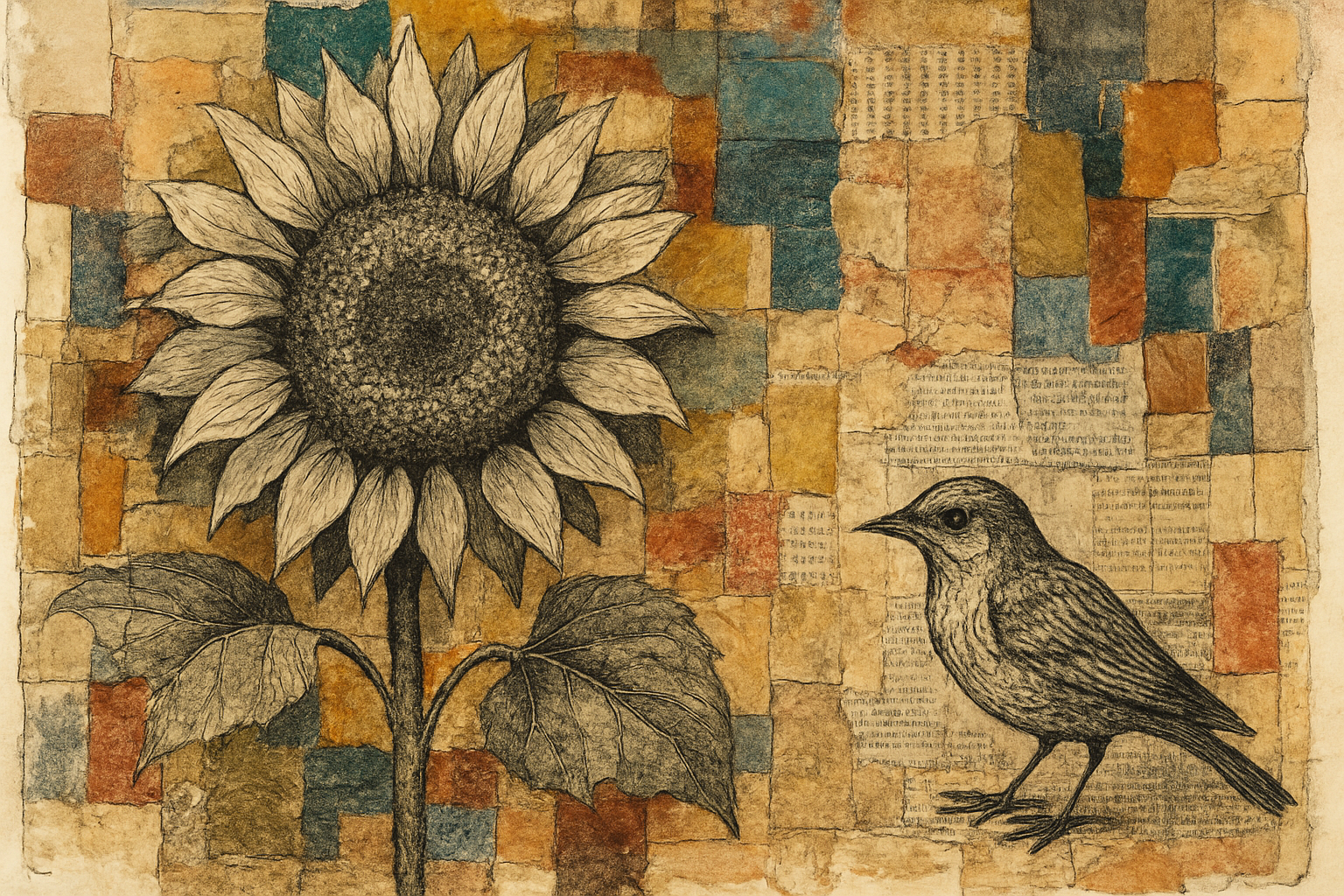
- Add layers using collage – newspapers, fabric scraps, photographs.
- Incorporate drawing or ink work over the collage elements.
- Use 3D elements such as yarn, buttons, or wire for texture.
- Finish with a unifying glaze or varnish.
This project develops technical skills across media and encourages students to balance chaos and cohesion.
How Can I Connect Art Class Ideas to Other Subjects?
Interdisciplinary projects foster deeper learning and contextual understanding.
For example:
- History: Recreate historical art styles or design artifacts related to time periods studied in social studies.
- Science: Illustrate botanical specimens, anatomy, or create artwork inspired by space or physics.
- Language Arts: Visualize poetry or narrative scenes; create storyboards or graphic novels.
- Math: Explore geometric patterns, symmetry, or fractals in art.
Use art as a tool for creative expression of knowledge across the curriculum for a richer, connected experience.
Check out this excellent resource for ideas on integrating creative workshops across subjects: 50+ Creative Workshop Ideas to Inspire and Engage Your Team.
What Are Essential Safety Tips for Art Classes?
Safety is paramount, especially with younger students or when using unusual materials.
- Always supervise use of sharp tools like scissors or craft knives.
- Ventilate spaces well, particularly for paint fumes or adhesives.
- Use non-toxic, child-safe supplies whenever possible.
- Ensure students wash hands after messy tasks.
- Educate students on proper cleanup and storage of tools and materials.
- Have first aid kits readily available.
Clear guidelines and routine safety reminders protect students and create confidence.
What Are Fun Seasonal Art Class Ideas to Keep Things Fresh?
Seasonal projects keep the creative atmosphere vibrant and relatable.
Try these ideas:
- Fall: Leaf print collages, pumpkin carving, or harvest-inspired pottery.
- Winter: Snowflake paper cutting, holiday cards, or cozy texture paintings.
- Spring: Floral watercolors, recycled flower pots, or butterfly crafts.
- Summer: Beach scene paintings, tie-dye fabrics, or nature journals.
Seasonal cycles provide natural hooks for thematic learning and ongoing excitement.
How Can I Evaluate My Art Lesson Success?
Reflection on lessons helps improve both teaching and learning. Indicators include:
- Student participation and enthusiasm levels.
- Quality and creativity of finished projects.
- Peer and self-assessment insights.
- Achievement of learning objectives (technical and conceptual).
- Student feedback on what inspired or challenged them.
Keeping a teaching journal or portfolio can document progress and guide future adjustments.
Frequently Asked Questions About Art Class Ideas
- What is the best way to start a new art class?
- Begin with simple, engaging projects that build basic skills while allowing for personal expression. Model enthusiasm and welcome experimentation.
- How can I keep students motivated across a semester?
- Mix project types, incorporate technology, include collaborative and theme-based work, and give choice and voice to students.
- What supplies should I stock for versatile art classes?
- Basic drawing tools, paints, brushes, varied papers, glue, scissors, clay, and some mixed media materials offer flexibility.
- Can art projects help with other academic subjects?
- Yes, art enhances learning in history, science, language arts, and math when thoughtfully integrated.
What’s Your Next Step?
Tell us in the comments: How will you apply these inspiring art class ideas? For personalized advice, explore more expert tips and ignite your creative teaching journey!
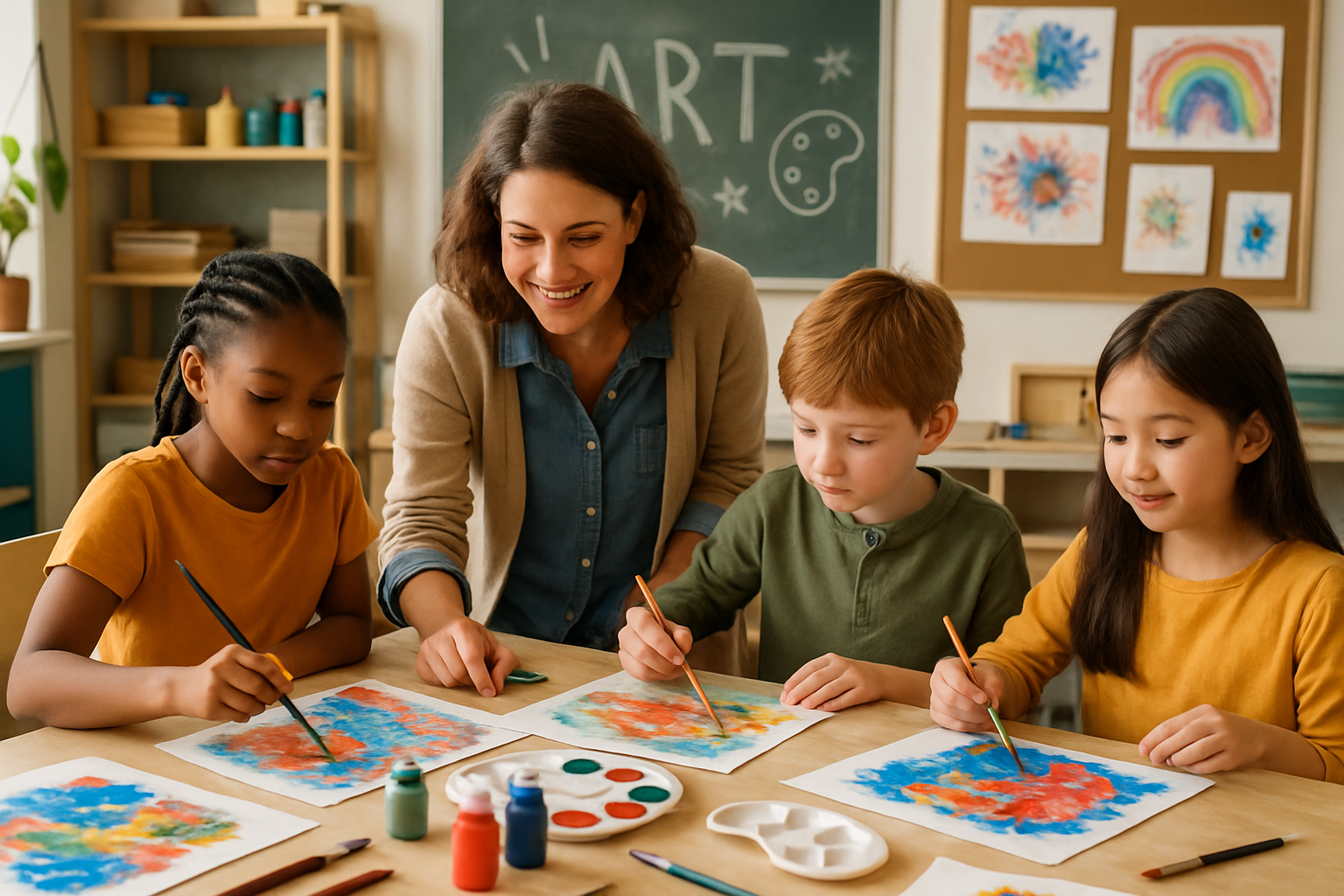
Are you ready to transform your art classroom with fresh, dynamic ideas that spark passion and skill? Dive into our trusted and tested strategies and watch your students flourish in creativity and confidence!
Leave a Reply