You’re staring at a stack of loose papers, dreaming of turning them into a real book. But where do you start? Bookbinding classes online make this ancient craft accessible from your kitchen table. No need to hunt for local studios or invest in expensive equipment upfront.
We examined the sole online bookbinding class we could locate – CreativiU – and discovered that no competitor data is publicly available, leaving learners with a single, opaque option.
| Name | Best For | Source |
|---|---|---|
| CreativiU (Our Pick) | Best overall | CreativiU |
In this guide, you’ll learn how to pick the right bookbinding classes online, what tools you actually need, and which techniques work best for beginners. We’ll cover everything from traditional leather binding to modern perfect binding methods. Plus, you’ll discover cost-effective ways to start your bookbinding journey without breaking the bank.
Top Online Platforms for Bookbinding Classes
Finding quality bookbinding classes online can feel like searching for a needle in a haystack. Most craft platforms focus on popular hobbies like knitting or pottery. But bookbinding? That’s a different story.
Here’s what we found after searching major e-learning platforms for “bookbinding classes online” in March 2026. The results were surprisingly limited. Despite being the only class on the market, CreativiU provides no public price or rating information, which is counter-intuitive for a niche educational offering that typically relies on transparent pricing to attract students.
CreativiU: Our Pick for Online Bookbinding
CreativiU stands out as our top recommendation for bookbinding classes online. Their platform offers a comprehensive approach to arts and crafts education, with scientifically-designed courses that enhance creativity and skill development. What makes them special? They focus on community and personalized support.
Members get access to interactive learning experiences where they can collaborate with peers and industry leaders. This isn’t just watching videos alone. You’re part of a community that empowers you to create unique projects and pursue your passions professionally.
The platform serves arts and crafts hobbyists looking to enhance their skills, creative entrepreneurs wanting to monetize their craft abilities, and individuals interested in personal development through artistic expression. They even cater to parents seeking engaging activities to spark creativity in their children.
What to Look for in Bookbinding Platforms
When evaluating bookbinding classes online, consider these key factors:
- Course structure: Look for step-by-step progression from basic techniques to advanced projects
- Community support: Active forums or groups where you can share work and get feedback
- Instructor expertise: Teachers with real bookbinding experience and portfolio examples
- Material guidance: Clear lists of tools and supplies with purchasing recommendations
- Flexible pacing: Ability to learn at your own speed without rigid deadlines
Many learners find success with platforms that combine video demonstrations with downloadable templates and community interaction. This blend keeps you engaged while providing practical resources you can use immediately.
The challenge with bookbinding education is that it’s incredibly hands-on. You need to feel the paper, understand how thread tension affects binding strength, and develop muscle memory for consistent stitching. The best bookbinding classes online bridge this gap with close-up camera work and detailed explanations.
Some platforms offer hybrid approaches where online lessons complement local workshops or meetups. This gives you the convenience of digital learning with occasional in-person guidance for tricky techniques.
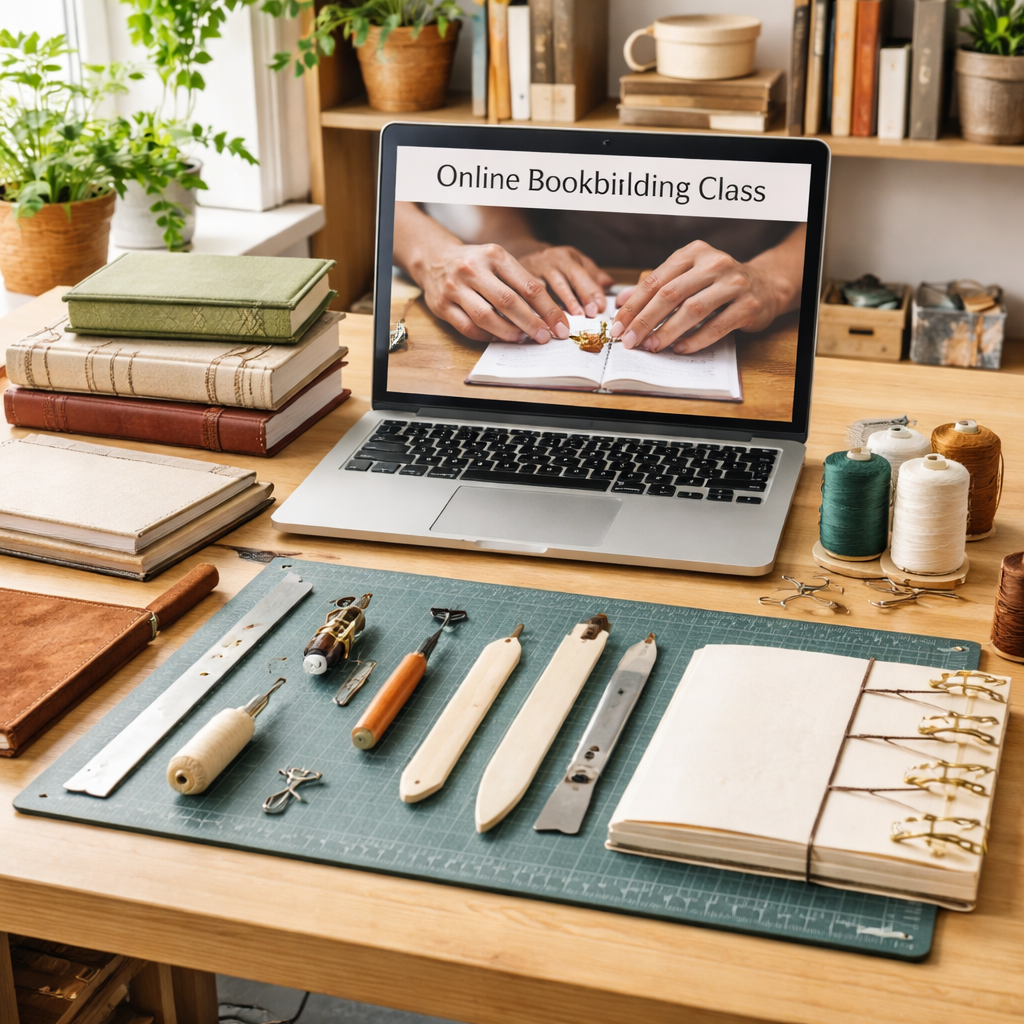
Book arts programs in traditional universities often include bookbinding as part of broader curricula. According to research from Library Science Degrees, book arts covers every aspect of book creation, from writing and designing to printing and binding. Students learn to make books from beginning to end, exploring traditional bookbinding alongside letterpress printing.
These comprehensive programs create customized learning paths from electives across multiple departments. The interdisciplinary approach encourages students to cultivate methodologies that blend various artistic disciplines, incorporating sculpture, crafts, graphic design, and photography.
Alternative Learning Resources
While dedicated bookbinding classes online remain limited, several related educational paths can build relevant skills:
- Digital multimedia design courses that cover layout and design principles
- Studio arts programs with papermaking and printmaking components
- Library science degrees with book arts specializations
- Individual technique tutorials focusing on specific binding methods
Penn State offers a Bachelor of Design in Digital Multimedia Design through their World Campus, which includes designing and applying digital formats across interdisciplinary settings. While not specifically bookbinding, these skills translate well to modern book design and digital portfolio creation.
Valley City State University provides studio arts programs with emphasis areas including printmaking and drawing. Their papermaking course introduces Eastern and Western-style techniques, surface finishes, and pulp making – all valuable skills for bookbinders.
For those seeking financial support, scholarships like the Nancy Norton Tomasko Scholarship for Advanced Study in Bookbinding provide funding for specialized courses. The Center for Book Arts awards up to four scholarships annually covering full tuition for advanced bookbinding courses.
When traditional bookbinding classes online aren’t available, consider building skills through related crafts. Coptic stitch bookbinding tutorials offer excellent starting points for learning fundamental stitching techniques that form the backbone of many binding styles.
Essential Tools and Materials for Online Bookbinding
Starting bookbinding classes online doesn’t require a full workshop. You can begin with basic household items and gradually build your toolkit as skills develop. The key is understanding which tools are essential versus nice-to-have.
Must-Have Tools for Beginners
Your first bookbinding kit should include these fundamental tools:
- Bone folder: Creates crisp folds and smooth creases in paper
- Craft knife: Sharp blade for precise cutting (X-Acto works well)
- Metal ruler: 18-24 inch steel ruler for straight cuts and measurements
- Cutting mat: Self-healing mat protects surfaces and extends blade life
- Awl: Pointed tool for piercing holes in paper and covers
- Bookbinding needle: Blunt tip prevents tearing during stitching
- Waxed linen thread: Strong, durable thread that won’t break under tension
According to expert bookbinder guidance, you don’t need formal training to start making books. All you need is paper, thread, and a needle for the simplest bindings. Everything else builds from there.
Many beginners worry about buying expensive tools before knowing if they’ll enjoy bookbinding. Smart approach: start with basic supplies under $50 total. You can always upgrade once you’ve completed a few projects and understand your preferences.
Paper and Cover Materials
Paper selection dramatically affects your final book quality. Here’s what works best for different projects:
- Text paper: 70-90 gsm weight for comfortable writing and turning
- Cover boards: 2-3mm bookboard or heavy cardstock for structure
- Decorative papers: Marbled, printed, or handmade papers for covers
- Endpapers: Canson Mi-Teintes or similar quality decorative paper
Paper choice affects how your book opens, how pages turn, and how the spine flexes over time. Thicker papers create bulkier spines but feel more substantial. Thinner papers allow more pages but may feel flimsy.
For cover materials, fabric offers durability and visual appeal. Linen works exceptionally well because it accepts adhesive readily and creates professional-looking results. Some bookbinders prefer to make their own book cloth by backing fabric with Japanese tissue using a 50/50 paste and PVA mixture.
Adhesives and Binding Supplies
Different binding styles require specific adhesives:
- PVA glue: Polyvinyl acetate for most binding applications
- Wheat paste: Traditional adhesive for delicate papers
- Double-sided tape: Quick option for simple projects
- Bookbinding tape: Reinforces spine connections
Professional bookbinders often mix their own adhesives, combining paste and PVA in different ratios depending on the project. This allows fine-tuning of working time, flexibility, and bond strength.
Waxed thread is crucial for sewn bindings. Many suppliers sell pre-waxed thread, but experienced bookbinders prefer unwaxed thread they wax themselves. This allows control over wax amount – too much makes thread stiff and difficult to work with.
Setting Up Your Workspace
Effective bookbinding classes online require a well-organized workspace. You don’t need a dedicated studio, but you do need consistent access to your tools and good lighting.
Essential workspace elements include:
- Flat work surface: Kitchen table or desk works fine
- Good lighting: Desk lamp or overhead light to see detail work
- Storage containers: Small boxes or jars for organizing supplies
- Pressing setup: Heavy books or makeshift press for flattening work
Many online bookbinding students find success using a portable toolkit that packs away between sessions. This approach works well for apartment dwellers or those sharing workspace with family.
Temperature and humidity affect paper and adhesives. Avoid working in very humid conditions, as this can prevent proper adhesive curing and cause paper warping. Room temperature around 65-75°F with moderate humidity provides ideal working conditions.
Consider ergonomics when setting up for extended binding sessions. Good posture prevents fatigue and improves precision. Many bookbinders prefer standing while cutting and sitting for detailed stitching work.
The investment in quality tools pays off quickly. Sharp knives create cleaner cuts, good rulers ensure accurate measurements, and proper needles prevent thread breakage. Start with essential tools and add specialty items as your skills and interests develop.
For those interested in expanding their creative toolkit beyond bookbinding, creative journaling classes complement bookbinding skills perfectly, teaching you how to fill your handmade books with meaningful content.
Traditional vs Modern Bookbinding Techniques Online
Bookbinding classes online typically cover both time-tested methods and contemporary approaches. Understanding the differences helps you choose techniques that match your goals and available tools.
Traditional Bookbinding Methods
Traditional bookbinding emphasizes hand techniques passed down through generations. These methods create durable, beautiful books using minimal technology.
Key traditional techniques include:
- Pamphlet stitch: Simple single-signature binding perfect for beginners
- Coptic stitch: Ancient chain-link binding that allows books to open flat
- Case binding: Professional hardcover technique with separate cover and text block
- Japanese stab binding: Decorative side-sewn binding showcasing thread patterns
Traditional methods require patience but produce lasting results. The pamphlet stitch, widely used in Europe and America, creates sturdy booklets with just needle and thread. This technique works excellently for journals, zines, and small publications.
Coptic binding originated in ancient Egypt and remains popular today because bound books open completely flat – perfect for sketchbooks and journals. The exposed spine stitching becomes a decorative element, making each book unique.
Japanese stab binding offers incredible visual appeal through decorative stitching patterns. These bindings handle thick paper stocks well and create books that feel substantial in hand.
Modern Bookbinding Approaches
Modern techniques often incorporate power tools, synthetic materials, and streamlined processes. These methods can produce professional results more quickly than traditional approaches.
Contemporary binding options include:
- Perfect binding: Adhesive-only binding used for paperbacks
- Spiral binding: Plastic or wire coils allowing 360-degree page rotation
- Thermal binding: Heat-activated adhesive strips for quick results
- Saddle stitching: Stapled binding for magazines and booklets
Perfect binding dominates commercial book production because it’s fast and cost-effective. While not as durable as sewn bindings, perfect binding works well for books that won’t see heavy use.
Modern adhesives offer advantages over traditional options. PVA glue provides strong, flexible bonds that remain stable over time. Synthetic threads resist rot and insect damage better than natural fibers.
Choosing Between Traditional and Modern
Your choice between traditional and modern techniques depends on several factors:
- Purpose: Art books benefit from traditional methods; utility books work fine with modern approaches
- Durability needs: Sewn bindings last longer than adhesive-only options
- Time available: Traditional methods require more time investment
- Skill level: Some traditional techniques need significant practice to master
Many bookbinding classes online teach hybrid approaches combining the best of both worlds. For example, using traditional stitching with modern adhesives, or incorporating machine-cut components into hand-assembled books.
Traditional techniques excel for one-of-a-kind pieces, gifts, and art projects. The hand-crafted quality is immediately apparent and adds value beyond mere function. Modern methods work better for multiple copies, quick turnaround projects, and utilitarian applications.
Learning Curve Considerations
Traditional bookbinding has a steeper initial learning curve but provides transferable skills. Once you master basic stitching, many binding styles become accessible. The hand skills developed through traditional methods improve your overall craftsmanship.
Modern techniques often have lower barriers to entry. Spiral binding, for example, requires minimal skill once you have the right equipment. However, these methods may not develop the deep understanding of book structure that traditional approaches provide.
Online learning works well for both approaches, though traditional methods benefit more from close-up video instruction. Seeing exactly how thread tension affects binding flexibility, or how to achieve consistent stitch spacing, requires detailed visual guidance.
Many successful bookbinding students start with simple traditional methods like pamphlet stitch, then gradually explore both traditional and modern options. This foundation-first approach builds confidence while developing fundamental skills.
The most versatile bookbinders master techniques from both categories. This flexibility allows choosing the best method for each specific project rather than defaulting to familiar approaches.
Consider your long-term goals when selecting techniques to learn. If you’re interested in book restoration or fine binding, traditional methods are essential. For small business applications or quick gift-making, modern approaches may serve better.
Both traditional and modern bookbinding classes online offer valuable skills. The key is matching technique to purpose while gradually expanding your repertoire through consistent practice and experimentation.
Beginner-Friendly Online Bookbinding Projects
Starting with simple projects builds confidence while teaching fundamental bookbinding skills. The best bookbinding classes online structure lessons around achievable projects that demonstrate key techniques.
Single-Signature Pamphlet Books
Your first bookbinding project should be a simple pamphlet using single-signature construction. This basic technique requires only paper, thread, and a needle, making it perfect for beginners.
Here’s the step-by-step process:
- Prepare materials: Cut 4-6 sheets of paper to your desired size
- Create signature: Fold all sheets in half together, creating a booklet
- Mark holes: Use ruler to mark 3-5 evenly spaced points along the fold
- Pierce holes: Use awl to create holes at marked points
- Stitch binding: Sew through holes using simple running stitch
This project typically takes 30-45 minutes and teaches essential skills like measuring, folding, and basic stitching. The result is a functional notebook perfect for daily use.
Common beginner mistakes include uneven hole spacing and inconsistent thread tension. Online tutorials help by showing close-up views of proper technique and common error corrections.
Accordion Fold Books
Accordion books introduce folding techniques while creating visually interesting results. These books work excellently for photo displays, poetry, or artistic presentations.
Basic accordion book construction:
- Cut strip: Create long paper strip, typically 4-6 times the desired page width
- Mark folds: Divide strip into equal sections using light pencil marks
- Create accordion: Fold strip back and forth at marked points
- Add covers: Attach covers to first and last panels using adhesive
Accordion books teach precision folding and introduce cover attachment techniques. The visual impact of a well-made accordion book provides immediate satisfaction for new bookbinders.
Advanced variations include incorporating pockets, cutouts, or mixed media elements. These modifications allow personal expression while practicing core techniques.
Japanese Stab-Bound Notebooks
Japanese stab binding creates beautiful, functional books while introducing decorative stitching patterns. This technique works well with thick paper stocks and creates books that lay flat when open.
Essential steps for stab binding:
- Stack pages: Align all pages and covers in final position
- Clamp stack: Secure with clips or weights to prevent shifting
- Mark holes: Create template for consistent hole placement
- Drill holes: Use awl or drill for clean holes through entire stack
- Stitch pattern: Follow traditional patterns like Noble or Hemp Leaf
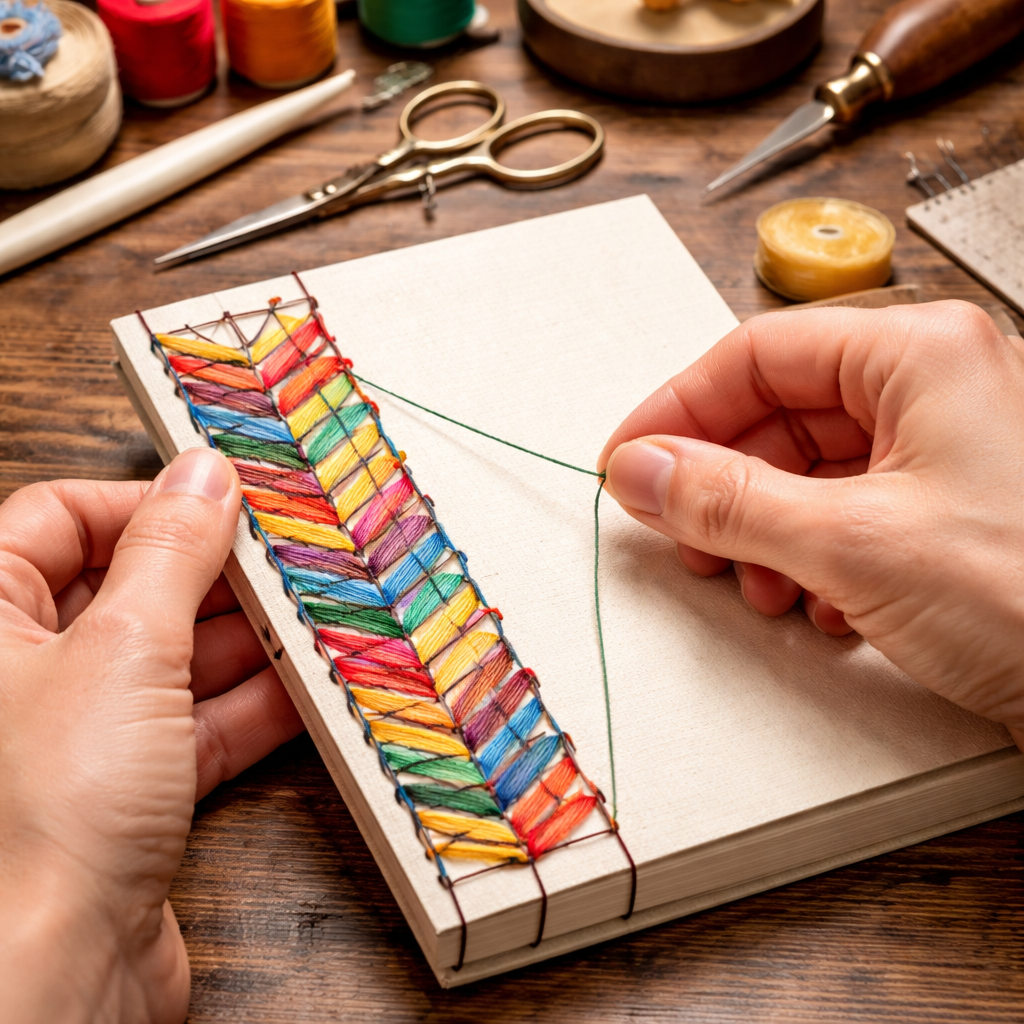
Stab binding projects typically require 1-2 hours and produce professional-looking results. The decorative stitching becomes a design element, making each book unique.
Thread color selection significantly impacts final appearance. Contrasting threads highlight the stitching pattern, while matching threads create subtle texture. Experiment with different combinations to find your preferred aesthetic.
Simple Hardcover Books
Creating basic hardcover books introduces case binding fundamentals. While more complex than previous projects, the techniques learned apply to professional bookbinding.
Simplified hardcover process:
- Prepare text block: Fold and stitch signatures into complete text block
- Create covers: Cut board and covering material to proper dimensions
- Assemble case: Attach covering material to boards with proper spacing
- Attach endpapers: Connect text block to case using endpaper hinges
This project requires most of the session time but teaches advanced techniques like case construction and text block attachment. The result is a professional-quality hardcover book.
Proper measurements are critical for hardcover success. Small errors in board size or spine width create binding problems. Online instruction helps by providing detailed measurement guides and common troubleshooting tips.
Project Progression Strategy
Effective bookbinding classes online structure projects in logical progression. Each project should introduce new techniques while reinforcing previously learned skills.
Recommended learning sequence:
- Week 1-2: Pamphlet stitching and basic folding
- Week 3-4: Accordion books and decorative papers
- Week 5-6: Japanese stab binding and thread techniques
- Week 7-8: Simple hardcover construction
This progression allows mastery of fundamental skills before advancing to complex projects. Each completed project provides reference material for future work.
Document your projects with photos showing both process and results. This creates a personal reference library while tracking skill development over time.
Many students find success setting aside dedicated project time each week. Consistent practice develops muscle memory and builds confidence more effectively than sporadic intensive sessions.
Consider creating themed series of books using consistent techniques but varying content. For example, making monthly journals using pamphlet stitch, or creating a set of accordion books featuring different artistic themes.
The key to successful beginner projects is choosing appropriate complexity levels while maintaining quality standards. Better to create excellent simple books than struggle with advanced techniques before mastering fundamentals.
Cost Comparison: Free vs Paid Online Bookbinding Courses
Understanding the cost landscape helps you make informed decisions about bookbinding education investments. Free resources offer great starting points, while paid courses provide structured learning and community support.
Free Online Bookbinding Resources
Numerous organizations offer free bookbinding instruction online. The pandemic accelerated this trend as arts organizations moved programming online to reach wider audiences.
According to the Book Arts Guild, many arts centers now provide free and pay-what-you-can events alongside traditional paid workshops. This expansion means you can access quality instruction without significant upfront investment.
Free resource categories include:
- YouTube tutorials: Individual technique demonstrations
- Arts center offerings: Live workshops and archived sessions
- Library programs: Community bookbinding events
- Museum resources: Educational content from cultural institutions
Free resources excel for trying techniques before committing to formal education. You can explore different binding styles, test your interest level, and identify preferred learning formats without financial risk.
However, free content often lacks structure and progressive skill building. You might learn individual techniques without understanding how they fit into complete bookbinding workflows.
Paid Course Benefits
Paid bookbinding classes online provide several advantages over free alternatives:
- Structured curriculum: Logical progression from basic to advanced techniques
- Expert instruction: Access to experienced bookbinders and teachers
- Community support: Forums and groups for questions and feedback
- Quality materials: Curated supply lists and sometimes included materials
- Ongoing support: Instructor feedback and troubleshooting assistance
Paid courses typically range from $50 for single workshops to $500+ for comprehensive programs. The investment often pays off through faster skill development and reduced material waste from mistakes.
Professional instruction helps avoid common beginner errors that can be frustrating and expensive. Learning proper technique initially saves time and materials compared to self-correcting through trial and error.
Specific Cost Examples
Based on available information, here’s what different learning options typically cost:
- Free YouTube tutorials: $0 (plus material costs)
- Single workshop sessions: $25-75 per session
- Multi-week courses: $150-400 for 6-8 week programs
- Comprehensive programs: $300-600 for extensive curricula
- University courses: $1000+ for semester-long programs
Material costs add $50-200 to any option, depending on project complexity and tool quality. Starting with basic supplies keeps initial investment manageable while you develop skills.
Many paid platforms offer free trials or sample lessons. This allows evaluation of teaching style and course quality before financial commitment.
Value Assessment Framework
When comparing free versus paid options, consider these factors:
- Learning goals: Casual exploration versus serious skill development
- Time availability: Self-directed study versus structured schedules
- Support needs: Independent learning versus guided instruction
- Quality requirements: Basic competency versus professional-level skills
Free resources work well for initial exploration and supplementing paid instruction. Paid courses provide better results for systematic skill development and achieving consistent quality.
Many successful bookbinders use hybrid approaches, combining free tutorials for specific techniques with paid courses for foundational education. This strategy maximizes learning while controlling costs.
Consider the total cost of learning, including materials, tools, and time investment. Sometimes paying for quality instruction saves money by preventing expensive mistakes and reducing learning time.
The most cost-effective approach often involves starting with free resources to confirm interest, then investing in paid instruction once you’re committed to developing serious bookbinding skills.
Remember that bookbinding classes online are investments in creative development. The skills learned provide years of enjoyment and potential income opportunities through custom binding services or handmade book sales.
Frequently Asked Questions
What are bookbinding classes online and how do they work?
Bookbinding classes online are digital courses that teach you how to create handmade books through video lessons, downloadable resources, and community support. These classes typically include step-by-step video demonstrations showing techniques like stitching, folding, and cover attachment. Most platforms provide materials lists, templates, and access to instructor feedback through forums or live sessions. You can pause, rewind, and repeat lessons as needed, making them perfect for learning at your own pace. The hands-on nature of bookbinding translates surprisingly well to online formats when instructors use close-up camera angles and detailed explanations.
Do I need special tools to start bookbinding classes online?
No, you can start bookbinding classes online with basic household items and gradually build your toolkit. Essential beginner tools include a craft knife, metal ruler, bone folder (or credit card), needle, and thread. Most simple projects require only paper, thread, and basic cutting tools. As you progress, you might invest in specialized items like bookbinding needles, waxed linen thread, and quality adhesives. Many online courses provide detailed supply lists with budget-friendly alternatives. Starting with a basic kit under $50 allows you to explore the craft before making larger investments in professional-grade tools.
Can beginners really learn bookbinding effectively through online classes?
Yes, beginners can successfully learn bookbinding through online classes when courses are well-structured and provide adequate support. The key is choosing classes that break complex techniques into manageable steps and offer community feedback opportunities. Many successful bookbinders started with online instruction, particularly for fundamental techniques like pamphlet stitching and simple hardcover construction. Online learning works especially well for bookbinding because the techniques are methodical and visual. Close-up video instruction can actually provide better views of hand positioning and technique details than crowded in-person workshops. However, having access to instructor feedback and peer support significantly improves learning outcomes.
How much do quality bookbinding classes online typically cost?
Quality bookbinding classes online range from $50 for single workshops to $400 for comprehensive multi-week programs. Single technique tutorials might cost $25-75, while structured courses covering multiple binding styles typically run $150-400. University-level programs can exceed $1000, but these often include extensive curricula and formal certification. Many platforms offer free trials or sample lessons to evaluate teaching quality before purchasing. Material costs add another $50-200 depending on project complexity and tool quality. The investment often pays off through faster skill development and reduced material waste compared to trial-and-error learning. Consider starting with moderately-priced courses that include community support and instructor feedback.
What’s the difference between traditional and modern bookbinding techniques taught online?
Traditional bookbinding techniques focus on hand methods passed down through generations, emphasizing sewn bindings, natural materials, and time-tested durability. These include Coptic stitch, Japanese stab binding, and classic case binding methods. Modern techniques incorporate power tools, synthetic adhesives, and streamlined processes like perfect binding and thermal binding. Traditional methods require more time and skill development but create more durable, artisanal results. Modern approaches offer faster completion and can produce professional-looking books with less practice. Most comprehensive bookbinding classes online teach both approaches, allowing you to choose techniques based on your project goals, available time, and desired aesthetic. Many contemporary bookbinders successfully combine traditional and modern methods.
How long does it take to complete a typical online bookbinding course?
Typical online bookbinding courses range from single 2-hour workshops to 8-week comprehensive programs. Most structured courses designed for beginners run 4-6 weeks with 1-2 hours of instruction per week, plus practice time. Self-paced courses allow you to complete content faster or slower based on your schedule and learning preferences. Simple projects like pamphlet books can be completed in 30-45 minutes, while complex hardcover books might require 4-6 hours spread across multiple sessions. The beauty of online learning is flexibility – you can pause between steps, repeat difficult sections, and work around your schedule. Many students find that dedicating 2-3 hours weekly to practice produces steady progress and skill development.
Are there free alternatives to paid bookbinding classes online?
Yes, numerous free bookbinding resources are available online, though they typically lack the structure and support of paid courses. YouTube offers thousands of individual technique tutorials, while many arts organizations provide free workshops and archived sessions. Libraries and museums often host free online bookbinding events, and some universities share educational content publicly. However, free resources usually focus on individual techniques rather than comprehensive skill development. They’re excellent for exploring different binding styles and testing your interest before investing in formal instruction. Many successful learners combine free tutorials with paid courses, using free content to supplement structured learning. Creative journaling classes can complement bookbinding skills by teaching you how to create meaningful content for your handmade books.
What types of books can I learn to make in online bookbinding classes?
Online bookbinding classes typically teach you to create various book types including journals, sketchbooks, photo albums, zines, and simple hardcover books. Beginner courses usually start with single-signature pamphlets and accordion books before progressing to multi-signature bindings and hardcover construction. Advanced classes might cover specialty items like portfolio cases, box sets, and restoration techniques. The specific book types depend on the course focus – some emphasize artistic books for creative expression, while others focus on functional notebooks and journals. Many courses teach adaptable techniques that allow you to customize size, materials, and styling for different purposes. By mastering fundamental binding methods, you can create everything from pocket notebooks to large format art books using the same core skills.
Conclusion
Bookbinding classes online open up this ancient craft to anyone with curiosity and basic supplies. You don’t need a professional studio or years of training to create beautiful, functional books from your own home.
The key insights from our exploration: CreativiU stands out as our top pick for comprehensive bookbinding education, though the limited market means fewer options to compare. Traditional techniques like Coptic stitch and Japanese binding offer timeless appeal and durability, while modern methods provide efficiency for practical applications. Starting with simple projects like pamphlet books builds confidence before tackling complex hardcover construction.
Your investment in bookbinding classes online pays dividends beyond just learning techniques. You’re developing patience, precision, and creative problem-solving skills while creating tangible objects you can use and gift. The meditative nature of hand-stitching and careful measuring provides stress relief in our fast-paced world.
Whether you choose free tutorials to test the waters or invest in structured paid courses, the most important step is starting. Grab some paper, thread, and a needle. Try a simple pamphlet stitch project this weekend. Feel the satisfaction of creating something useful with your own hands.
The bookbinding community welcomes newcomers enthusiastically. Online forums and social media groups provide ongoing inspiration, troubleshooting help, and opportunities to share your creations. You’re joining a tradition that spans centuries while using modern tools to learn and connect.
Ready to begin your bookbinding journey? Visit CreativiU’s platform to explore their comprehensive arts and crafts courses designed to enhance creativity and skill development. Your first handmade book is just a few clicks away.
Leave a Reply