You know that moment when you scroll through art ideas and suddenly pottery catches your eye? It’s like something about turning a lump of clay into a real, living piece of art feels both ancient and utterly modern. But then the thought hits—”Can I really learn pottery from my living room?”
Good news: you absolutely can. Online pottery classes for beginners have changed the game. No need to hunt for a local studio or worry about intimidating equipment. Instead, you get to explore this tactile, messy, beautiful craft at your own pace, right where you are.
What’s so special about starting pottery online? Well, it’s surprisingly hands-on even if it’s digital. You get expert guidance tailored just for beginners—breaking down those tricky parts like centering clay on the wheel or getting that perfect pinch. Plus, you’re surrounded by a community that gets what it’s like to be starting fresh, including tips to avoid common headaches.
Ever wonder how to make this creative dive less overwhelming? It helps that platforms like CreativiU offer courses designed with every learner’s journey in mind—from grabbing your first ball of clay to finishing beautiful handmade cups or bowls. They blend science-backed teaching methods with encouragement that feels like a friend guiding you through each spin of the wheel.
What’s really cool is that learning online can fit naturally into your life—no rushed schedules or commuting hassles. And when you’re ready, you can dig deeper into techniques, sculpting styles, even turning your newfound skill into a side hustle. Thinking about it that way, opening a world of creativity isn’t just a dream; it’s doable, step by step.
So, what should you do next? Start by checking out courses like our detailed Mastering the Art of Acquiring Skill: Your Ultimate Comprehensive Guide. It lays out how to learn anything new—pottery included—with less frustration and more fun. And if you’re curious about honing skills beyond pottery, exploring varied learning approaches might spark your progress even more.
Oh, and if you find yourself pairing this creative journey with other goals, like speaking publicly—yes, that’s a thing—there’s even a useful read on finding and working with a public speaking coach online. Because hey, creativity often flows beyond just your hands.
Ready to get that first batch of clay spinning? Let’s dive in.
TL;DR
Online pottery classes for beginners make picking up clay and wheel-throwing skills easy, fun, and flexible. You get step-by-step guidance without rushing or commuting, perfect for fitting creative time into your wild schedule.
Curious how to get started and keep improving? It’s about taking small, consistent spins—learning techniques while connecting with a supportive community that makes the whole process feel less like homework and more like play.
Understanding the Basics: What You Need to Know Before Starting Online Pottery Classes
So, you’re thinking about diving into online pottery classes for beginners. That’s awesome! But before you grab that virtual wheel and start spinning, there are a few basics that’ll make your experience smoother (and way more fun).
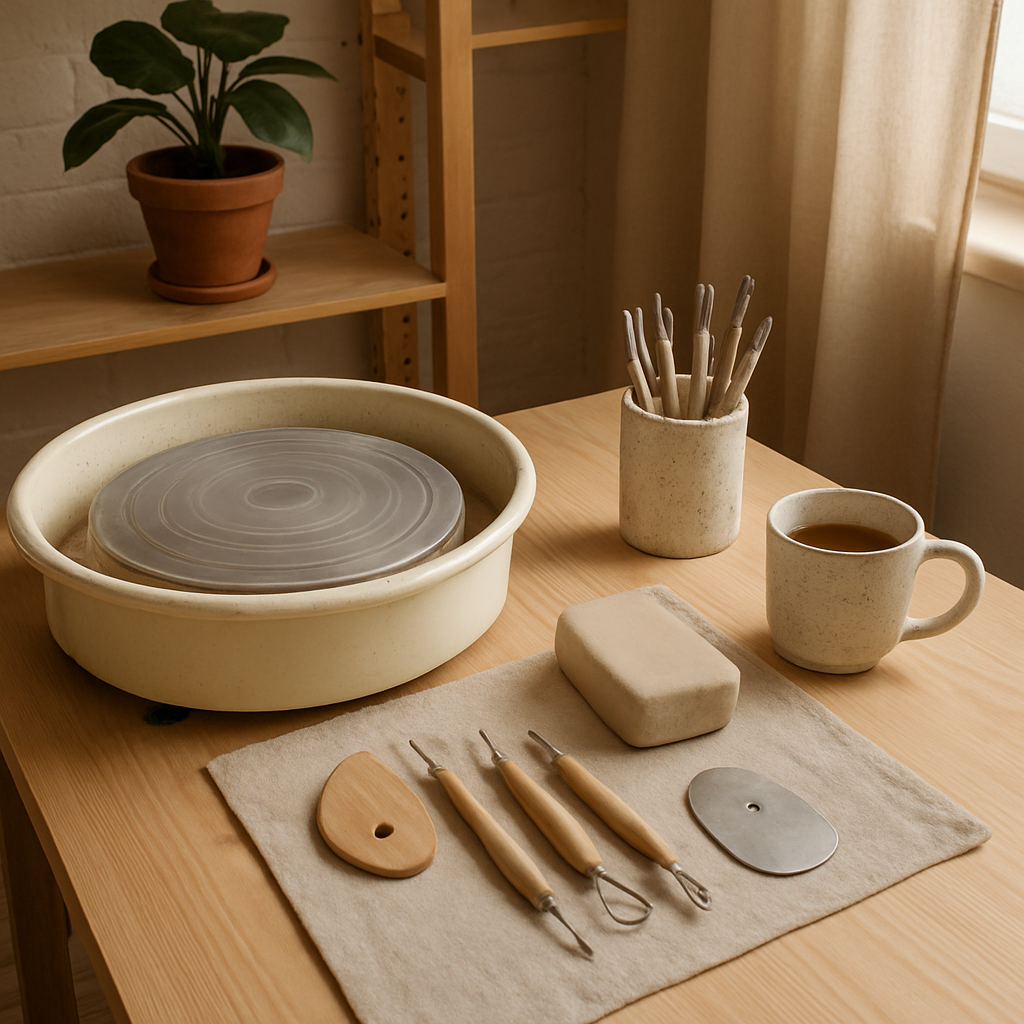
First up: tools. I know, tools can sound overwhelming, right? But trust me, starting with the right handful can save you loads of frustration. You don’t need every gadget under the sun. A trusty needle tool, ribs (think flexible metal, plus wooden and rubber versions), a wire cutter, and some sponges will cover the essentials. Having quality ribs, for example, means you won’t get those sneaky cuts on your fingers, a classic beginner mishap I’ve seen more times than I can count. You can check out recommendations that go beyond basics, like the favorites from fellow potters, to slowly build out your kit as you get comfy on the wheel according to an experienced artisan’s toolbox guide.
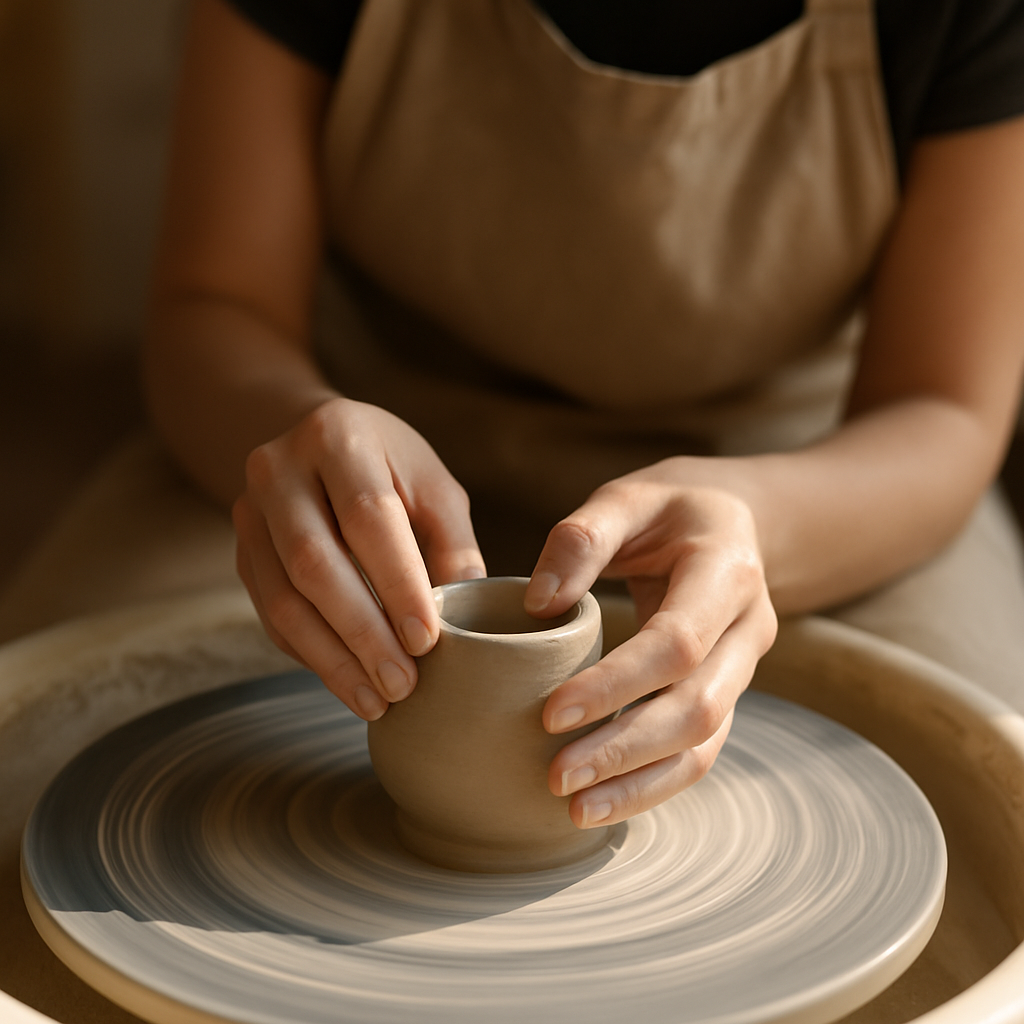
But what about the actual wheel work? Here’s a nugget you might find surprising: no magic trick exists to center your clay perfectly on the first try. It’s all about learning the feel of the clay and how it reacts to your hands. Think about it like learning to drive a stick shift or playing piano—practice beats perfection every time. And please, brace yourself (literally) when you’re at the wheel—keeping your elbows grounded helps your hands feel stable. A good session shouldn’t leave you sore or achy. It’s easy to overexert if you’re sitting too far or using muscle tension instead of leaning into your skeleton’s support. Less effort, more results.
Ever wonder how fast your wheel should spin? Turns out, faster is better—at least at the start when you’re centering the clay. It might feel counterintuitive, but high speed gives the clay more momentum, making it easier to control. As you pull the walls of your pot upward, slowing the wheel down gradually is key to keep everything steady. Rushing or jerking your hands can lead to wonky shapes or collapsing walls. Slow, steady, and gentle is the motto here.
Water is the unsung hero of pottery. Too much and your clay turns mushy; too little and it resists your hands like sandpaper. I like to keep a trickle of warm water as I throw because cold water can numb your fingers and make the whole process less enjoyable. Use a sponge not just to wet the clay, but also to mop up excess water pooling at the pot’s base—keeping that balance can feel like a secret handshake with your wheel. It takes practice, but get this dance right and your pots will thank you.
Now, about expectations: don’t expect to nail a perfect pot right out of the gate. Celebrate small wins—maybe you finally got your clay centered or made a cylinder that didn’t wobble. Those moments? Golden. They’re the milestones that keep you coming back, session after session. The beauty of online pottery classes for beginners is the chance to pause, rewind, and replay instructions whenever you need. You can focus on one technique at a time without feeling rushed or judged. Plus, having access to a curated platform means you’ll find guidance on both hand building and wheel throwing, plus tips for caring for your materials and body—because yes, your posture matters.
If you want to get a deeper grasp of learning curves and strategies that blend creative growth with efficient skill-building, check out this comprehensive guide on mastering skill acquisition. It’s a great way to keep that beginner’s mindset curious while aiming for real progress.
Finally, before you roll up your sleeves, consider the space you’ll be working in. Pottery can get messy. An apron and old towels definitely earn their keep. And when you’re choosing your clay, most online classes will tell you exactly what type to get for your skill level and project. Keeping things clean and organized not only makes your environment pleasant but also helps you stay in the creative zone longer.
Want to know how others keep motivated while learning? Finding techniques for pacing yourself and avoiding burnout is key. Threading that line between challenge and enjoyment is something you’ll want to explore — and maybe even talk through with instructors or fellow learners. There’s a neat article about working well with various learning styles and coaching online that’s worth a look, even if it’s about public speaking. The ideas about pacing and feedback translate surprisingly well.
So, what’s next? Set yourself up with the right tools, find a comfy spot, and remind yourself it’s totally normal for your first few tries to look more like abstract art than classic ceramics. The great thing with online pottery classes for beginners is that you’re not going it alone—you have resources, community, and expert voices ready to guide you.
Ready to spin that first lump of clay into something that feels like yours? Take it slow, enjoy the mess, and let the process surprise you.
Choosing the Right Online Pottery Class: Platforms, Pricing, and Course Features
Have you ever scrolled through a bunch of online pottery class options and ended up more confused than inspired? It happens to the best of us. There’s so much choice out there that you can feel like you’re drowning in platforms, pricing models, and course promises. But picking the right spot to learn pottery online doesn’t have to feel like a shot in the dark.
Let’s break it down together and see how to find a class that fits you—not just your budget, but your creative vibe and learning pace.
Platforms: Where Do You Want to Spin Your Clay?
First off, think about where you want to join in. A lot of popular online learning communities offer pottery classes, but they each come with their own style and setup. For example, Skillshare is known for a vast range of creative courses, including pottery, where you get unlimited access to thousands of classes with a subscription. It’s perfect if you like exploring beyond pottery and want to dip toes in other crafts, too. Skillshare’s community approach also means you’re not just watching videos; you’re sharing projects and getting feedback.
But, if you want something a little more focused with structured live sessions and personal attention, some local art centers offer private or small group online pottery workshops. These tend to be a bit pricier but come with direct instructor interaction—imagine having your own coach to guide your tricky first pull of clay on the wheel. Look for platforms that mention small class sizes or private lessons, like the ones hosted by the Parkersburg Art Center where you can learn wheel throwing basics in just a few weeks. That sense of connection can be a game-changer in staying motivated and improving faster. Check out these focused pottery workshops to get a feel for that vibe.
Pricing: Finding Your Sweet Spot
Okay, here’s the thing about pricing—it can range from free YouTube tutorials (great for a quick intro, but often lacking structure) all the way to hundreds of dollars for an in-depth course with personalized coaching. So, how do you decide what’s worth it?
Be honest with yourself about what you want out of the experience. Are you aiming for casual fun to try pottery for the first time? Or do you have your heart set on leveling up to sell your creations or open a studio someday?
Subscription-based platforms like Skillshare charge a monthly or annual fee, giving you access to lots of classes, not just pottery. This can be a fantastic deal if you want flexibility or want to mix craft lessons with other creative subjects. But if you just want focused pottery or live feedback, pay-per-course options at community art centers usually make sense, even if they’re pricier per session.
Sometimes, those more expensive options pay off because they include all materials or kiln firing instructions, so you don’t have to guess your next step alone after the final lesson.
Course Features: What Really Matters?
When you’re comparing courses, glance over a few must-haves—these will save headaches and keep you hooked.
- Clear skill progression: Does the course outline what you’ll learn each week? Classes that jump from centering clay to glazing without easing you in can be overwhelming.
- Community and feedback: Can you share work and get critique? Pottery is so hands-on that even small tips from instructors or peers can make a world of difference.
- Resources and extras: Some platforms offer downloadable guides, material lists, or even access to instructors between sessions. These little things add up.
- Scheduling and pacing: Do you prefer on-demand lessons you can watch anytime, or scheduled classes with deadlines? Both have their perks.
Personally, I’ve found that mixing watch-at-your-own-pace videos with live Q&A or forums gives you the best of both worlds. You absorb the basics when you’re fresh, then get real-time help when you hit a snag.
Here’s a quick peek to help you sort the options:
| Feature | Platform/Option | Notes |
|---|---|---|
| Access Type | Skillshare | Unlimited on-demand classes; flexible timing; community support |
| Live Instruction | Parkersburg Art Center Online Workshops | Scheduled classes; hands-on guidance; smaller groups; project-based |
| Pricing Model | Subscription vs Pay-Per-Course | Subscription offers variety; pay-per-course offers focus and depth |
So, what’s the takeaway here? Start by deciding your vibe—do you want freedom and breadth or focus and live interaction? Then look closely at pricing models and course features that match that vibe.
At CreativiU, we understand these decisions can be tricky, so we’re here to guide you to courses designed with creativity and your unique learning style in mind. Online pottery classes for beginners should feel exciting and doable, not overwhelming or out of reach.
Fancy a bit more inspiration or want to peek around the online learning scene? Skillshare provides a broad creative community, as described in their course collection, great if you like variety. Meanwhile, smaller setups like the Parkersburg Art Center offer personalised learning that’s great when you want hands-on support. Whichever you choose, make sure it clicks with your style—it’s your pottery journey, after all.
Setting Up Your Workspace: Tips for Creating a Functional Pottery Studio at Home
Ever stared at an empty corner in your home and thought, “Could this be my pottery studio?” Setting up your own pottery space might feel a bit overwhelming, but here’s the truth: you don’t need a sprawling garage or a fancy art room to get started. What matters most is creating a space that feels both workable and welcoming.
Think about where you live. Who lives with you? Do you have a spare room, a garden shed, a garage, or maybe a small patio? The sweet spot for a pottery studio is somewhere that’s easy to clean and won’t turn your living space into a dusty mess. Clay dust is no joke; it’s tough on lungs and sneaks into soft furnishings like an uninvited guest.
So, carpeted floors? Really, it’s best to avoid that. Instead, opt for areas with tile, vinyl, or concrete floors that you can wipe down or sweep without lifting a mountain of dust. If you’re short on options, try laying down plastic matting or vinyl sheets to protect your carpets. Even old conservatories or loft spaces can work with just a little prep. And don’t forget to paint the walls with a wipeable, hardy paint — this makes cleanup a breeze when clay and glaze inevitably get the better of you.
Here’s a little twist: most beginners rush to buy a pottery wheel first, but consider this – a kiln could actually be your best first investment. Why? Because you can hand-build everything on your own hands without a wheel. Hand-building teaches you how clay truly behaves and lets you experience the whole pottery process, from shaping to firing and glazing. Plus, plug-in kilns have come a long way and can fit into smaller spaces like a shed, running safely off a standard outlet, as mentioned in a practical guide by Kara Leigh Ford on setting up tiny pottery spaces. Just remember, safety first — kiln ventilation and keeping it clear of combustibles is a must. If you’re curious about kiln setup details, her advice is a goldmine for home potters.
But don’t count the wheel out! If throwing on the wheel is your dream, think about how much space you really have. Some folks go for portable tabletop wheels when room is tight, but those often feel limiting after a while. A decent-sized wheel bought once and kept well can last you years without needing an upgrade.
Organization might not sound glamorous, but wow, does it transform your creative flow. Picture this: instead of zigzagging across the room grabbing clay, then running to wedging, and finally hauling it back to your wheel or table, you set up your space so everything’s within arm’s reach in a logical sequence. It’s about creating a smooth path from raw clay to finished pot. Shelving is your best friend here—go vertical to reclaim precious floor space. Lightweight, movable shelves let you add or re-arrange drying racks and storage in a snap.
Don’t underestimate small details either. A sturdy, wipe-clean work surface is essential for wedging and glazing. And those little storage boxes you can tuck under tables? Perfect for clay scraps, tools, and glaze pots. Plus, lighting—good, clear lighting—cannot be skipped. You might start during the day, but let’s be honest, the best ideas often hit at night. A flexible spotlight or bright LED strips help you stay precise when the sun goes down.
One last tip: for cleaning, avoid washing clay down your household sinks. It can clog pipes quickly. You might want to try the three-bucket system, rinsing your tools and hands in stages to keep sediment out of your drains. It sounds fancy, but actually it’s just smart potters’ housekeeping. And if you want to dive deeper into organizing your studio efficiently, this excellent guide on pottery studio organization shares tips that’ll make your time working clay even more joyful and productive.
Setting up your workspace the right way isn’t just about having a place for all your gear – it’s about creating a flow that matches your creative rhythm. Whether you’re logging onto online pottery classes for beginners or making pots solo, having a space that works with you makes all the difference. So start small, think smart, and get ready to get your hands dirty.
Step-by-Step: Getting Started With Your First Pottery Project
Okay, so you’ve set up your studio space just right. Now the big question: how do you actually start your very first pottery project without feeling totally overwhelmed? Don’t worry, we’ve got this. It’s more approachable than it sounds, and I’ll walk you through each step so you can just enjoy the process.
Choose Your Clay Wisely
First thing’s first: the clay. Did you know there are different types that behave differently? If you’re just starting, stoneware is your best bet—it’s forgiving and versatile. Porcelain might look fancy, but it’s pretty tricky if you’re new. For something simple, earthenware is smooth and easy to shape, just not super durable.
Picking the right clay doesn’t have to be a headache. Think about what you want to make and how much patience you have for learning the quirks. This cool breakdown on choosing pottery clay types digs into what works best for beginners, and it’s worth a quick read.
Prep Your Clay: Wedging and Conditioning
Before you get your hands dirty with shaping, spend some time wedging your clay. I know, sounds fancy, but really it’s just kneading the clay to kick out pesky air bubbles and make it uniform. Otherwise, those bubbles can lead to cracks or explosions in the kiln—yikes!
Wedging also warms up the clay and makes it more pliable, so it’s like stretching before a run. If you want a little demo on wedging techniques, this video tutorial shows exactly how it’s done in real time.
Pick Your Pottery Technique
Here’s where it gets fun—you’ve got options on how to form your piece. The wheel (throwing), handbuilding with coils, or pinch pots are the three main roads to choose from.
Throwing on the wheel is super satisfying; it’s like dancing with the clay as it spins. But it takes some practice to center the clay properly and raise the walls without it toppling. So go easy on yourself—everyone’s a bit wobbly at first.
Coiling is more low-key. You roll out ropes of clay and layer them to build shapes. It’s slower but gives you tons of control, especially for interesting textures or shapes.
Pinch pots? The oldest trick in the book. Just squeeze and shape a ball of clay into a tiny bowl or cup. Great for learning to feel the clay thickness with your fingers.
Get Your Basic Tools Ready
You don’t need a fancy arsenal. A simple set with a few ribs, a needle tool, sponge, and a wire cutter will get the job done. These tools help smooth, trim, and separate your piece from the block of clay.
If you’re not sure where to start picking tools, that same guide on pottery tools for beginners lays out the essentials perfectly.
Shape Your First Piece (And Don’t Stress the Mistakes)
Ready to get your hands messy? Grab a chunk of well-wedged clay, and just start. Maybe a simple pinch pot or coil pot to get the hang of clay behavior.
It won’t be perfect—and that’s the point. Clay’s forgiving, and you can always recycle bits you don’t like by squishing them back into a ball. There’s no failure here, just practice.
Watch the Thickness and Drying Time
One quick tip to keep your pot strong—aim for walls about a quarter-inch thick. Too thin or uneven, and your piece might crack while drying or firing.
Speaking of drying, patience is key. Depending on where you live and your room’s humidity, drying could take a week or more. The goal is to have the clay feel dry to the touch and lose that cool, damp feeling. Otherwise, moisture trapped inside will cause trouble in the kiln.
Decorate and Finish Your Piece
Once your pot is leather hard—firm but still a bit soft—you can trim edges, add handles, or get creative with surface designs.
Have fun experimenting with tools to carve or texture your work. And when it’s fully dry and bisque-fired, you can add glaze to bring it to life with colors and shine.
Taking it slow and steady with each step means you’re less likely to get frustrated and more likely to enjoy the whole journey.
Starting your first pottery project might seem like a lot, but think about it as a step-by-step conversation with the clay. You’re learning its language, and each pot teaches you something new.
Ready to roll up your sleeves? With “online pottery classes for beginners,” you can watch demonstrations at your own pace and pause to try things out. Plus, having a community to ask questions (and share those inevitable mess-ups) makes this creative ride a lot more fun.
Give yourself permission to be a beginner. Your first pot might not be a masterpiece, but it’s a priceless start.
Tips for Progressing Beyond Beginner Level in Online Pottery Classes
So, you’ve got the basics of pottery down, and those first few pots are starting to feel a little less… wobbly. But that next jump? It can feel like climbing a cliff sometimes, right? Moving beyond beginner level in online pottery classes is where things get exciting but also a bit tricky if you’re not sure where to focus your effort.
Let’s be honest, advancing your pottery skills isn’t just about repeating what you already know—it’s about diving deeper into techniques, tools, and a mindset that welcomes the kind of fails that teach you the most.
Get Comfortable with Your Tools—And Then Break Them Out
At first, you might have stuck to basic tools—your hands, a sponge, maybe a simple rib. But here’s a little insider tip: the magic happens when you start experimenting with specialized tools like loop tools for trimming, wire tools for slicing clay, or different rib shapes. These can seem intimidating but learning how to use them can unlock smoother shapes and more detailed textures.
Don’t have fancy tools yet? No sweat. Even just mastering how your fingers interact differently with various kinds of clay surfaces can be a game-changer. The key is to start experimenting within the safe space of your online pottery courses where slow-motion demos and repeat plays let you take it at your own pace.
Push Your Limits with Challenging Projects
Have you tried making lidded jars, mugs with handles, or bowls with perfect lips? These are classic next steps that force you to tackle issues like joinery and more precise shaping. It’s kind of like switching from a simple sketch to a detailed painting. The challenges may frustrate you at first, but with perseverance, you’ll find those “aha” moments that make you realize how much you’re improving.
Plus, many online pottery platforms offer intermediate or advanced project tutorials that break down these more complex steps. Watching these can spark ideas and give you confidence that you can do it too. For example, mastering that perfect handle pull or getting the curve just right on a lidded pot can separate a beginner from someone who’s truly progressing.
Join a Community That Pushes You
One of the biggest boosts (that you might be underestimating) is joining a community of fellow potters. With CreativiU, for instance, you’re not just watching videos—you’re connecting with others who share the same journey.
Because, let’s face it, those moments when a pot collapses or the glaze blisters feel so lonely alone. But when you share them, get feedback, and hear stories from others who’ve been there and survived? That’s pure gold. You get real-world insights and motivation that you just can’t get flying solo.
Keep Track of Your Progress and Goals
How often do you actually look back at your early work? Setting mini goals in your online pottery classes for beginners beyond the basics can make the difference. Maybe it’s trimming a pot perfectly by day 10 or glazing with consistent thickness by week 3.
Tracking these tiny milestones keeps you motivated and helps you see growth in a tangible way. Online courses often have progress tracking or journals to help you capture these wins.
Explore Firing and Glazing Beyond Basics
It’s easy to overlook how much firing techniques and glaze experimentation can elevate your pieces. If you’re still Relying on basic glazing methods or kiln firings, consider dipping your toes into more advanced techniques like layering glazes or using wax resist for patterns. These add personality and depth to your pottery that just can’t come from shaping alone.
Resources like The Pottery Network’s curated tutorials are fantastic for seeing these techniques in action and often include insider tips from pros.
Be Patient with Skill Growth—It’s a Marathon, Not a Sprint
Last but not least, know that mastery takes time. Some pottery enthusiasts report gaining skill points gradually, sometimes only about one to two per day through steady practice, as described by experienced potters sharing their journeys.
It’s not the fastest skill to gain, and that’s okay. What matters is consistent effort paired with curiosity. When you start measuring your skill by personal benchmarks rather than just comparing yourself to others, pottery becomes less a chore and more a joyful craft.
You’ve already taken the right steps by starting with online pottery classes for beginners. Now it’s about digging a little deeper, playing with new challenges, and remembering that every pot you make teaches you something new. So, what’s the next piece you’ll create?
Conclusion
Wrapping this up, diving into online pottery classes for beginners isn’t just about learning how to spin clay or glaze a bowl. It’s about embracing a journey that’s as much about patience and play as it is skill. You’ve seen that progress might feel slow, sometimes maddeningly so, but that steady, curious effort is what turns your messy first tries into pieces you’re proud to hold.
And honestly, pottery is one of those crafts where every mistake teaches you something new—the wobble on your mug, the glaze that ran, those are your personal stepping stones. So, if you’ve hesitated because you’re worried about not being ‘good enough’ yet, drop that. This is your space to explore and create at your own pace.
Looking ahead, think about what new techniques or styles you’d love to try next. Maybe it’s layering glazes or experimenting with textures you wouldn’t have thought of before. Remember, the beauty of online pottery classes for beginners is you’ve got resources ready to guide you, plus a community cheering you on.
So, what’s your next project going to be? Grab that clay, take a breath, and get ready to make something uniquely yours—because every pot you make is one step closer to mastering your craft.
Frequently Asked Questions About Online Pottery Classes for Beginners
Jumping into the world of online pottery can feel like staring at a mound of clay, wondering where to even start. Sound familiar? You’re definitely not alone. Let’s tackle some of the questions that come up again and again when people begin this messy—and satisfying—journey.
Do I need special equipment to get started with online pottery classes for beginners?
Great question. The truth is, you don’t need to buy a full studio setup right away. Most beginner classes assume you’ll start with basic tools: a wheel (if the course involves throwing), some clay, a wire cutter, and simple hand tools for shaping and trimming. Some classes even offer alternatives if you don’t have a wheel, like hand-building techniques. Before you splurge, check what the course recommends, and you can often buy beginner-friendly kits that won’t break the bank.
Is it hard to learn pottery through an online class compared to in-person?
I won’t sugarcoat it: pottery is hands-on, and nothing replaces feeling the clay yourself. But online classes come with perks you won’t get in a crowded studio. You can pause videos, rewind tricky parts, and practice at your own pace. Plus, many platforms (like CreativiU) have interactive communities where you can get feedback and share progress—kind of like having a virtual pottery circle cheering you on. So yes, it’s different, but far from impossible.
Can beginners really create good pieces without prior experience?
Absolutely. Think about the first time you tried something new—chances are, your first attempts weren’t masterpieces. With pottery, every wobble and drip teaches you something. Online classes break down skills into manageable steps, guiding you from simple shapes to glazing tricks. The key is sticking with it, even when your pieces look more ‘abstract’ than ‘professional.’ Spoiler: that’s part of the fun.
How do I stay motivated if I’m learning solo at home?
We all hit that “I’m stuck” wall sometimes. Try joining online forums or social groups tied to your course—there’s power in sharing trials and triumphs. Setting small goals helps too. Maybe just one mug this week, or experimenting with a new glaze. And don’t forget to celebrate tiny wins. Posting a photo of your latest piece can be enough to keep the momentum rolling.
What about firing and glazing—how do online classes handle that?
Since kiln access can be tricky at home, many beginner courses focus on hand-building and simple glazing techniques. Some suggest local pottery studios where you can fire your pieces, or even mail-in firing services. It’s a bit of a puzzle at first, but the online classes usually guide you through options so your work doesn’t stay a soft lump of clay forever.
Is it worth investing in online pottery classes for beginners?
If you’re itching to get messy and create, yes. The flexibility, the expert tutorials you can revisit anytime, and the community built around the craft make it a solid investment—not just in pottery skills but in your creative confidence. Plus, many learners find it’s a perfect way to unwind and express themselves without pressure.
So, ready to grab some clay and get started? Remember, every pot you make online is a step closer to that perfectly imperfect masterpiece you’ll proudly call yours.
Leave a Reply